Using Visualization to Enhance Emotional Wellbeing
6 August 2026
Have you ever noticed how your thoughts can shape your mood? One moment, you're reminiscing about a fun trip to the beach, and suddenly, you feel relaxed and happy. On the other hand, when you dwell on past failures, stress and anxiety creep in. What if I told you that you can consciously use this power of imagination to improve your emotional wellbeing? That’s where visualization comes in!
Visualization is an incredible tool for cultivating inner peace, reducing stress, and enhancing overall emotional health. In this article, we’ll dive deep into the world of visualization and how it can transform your emotional wellbeing. 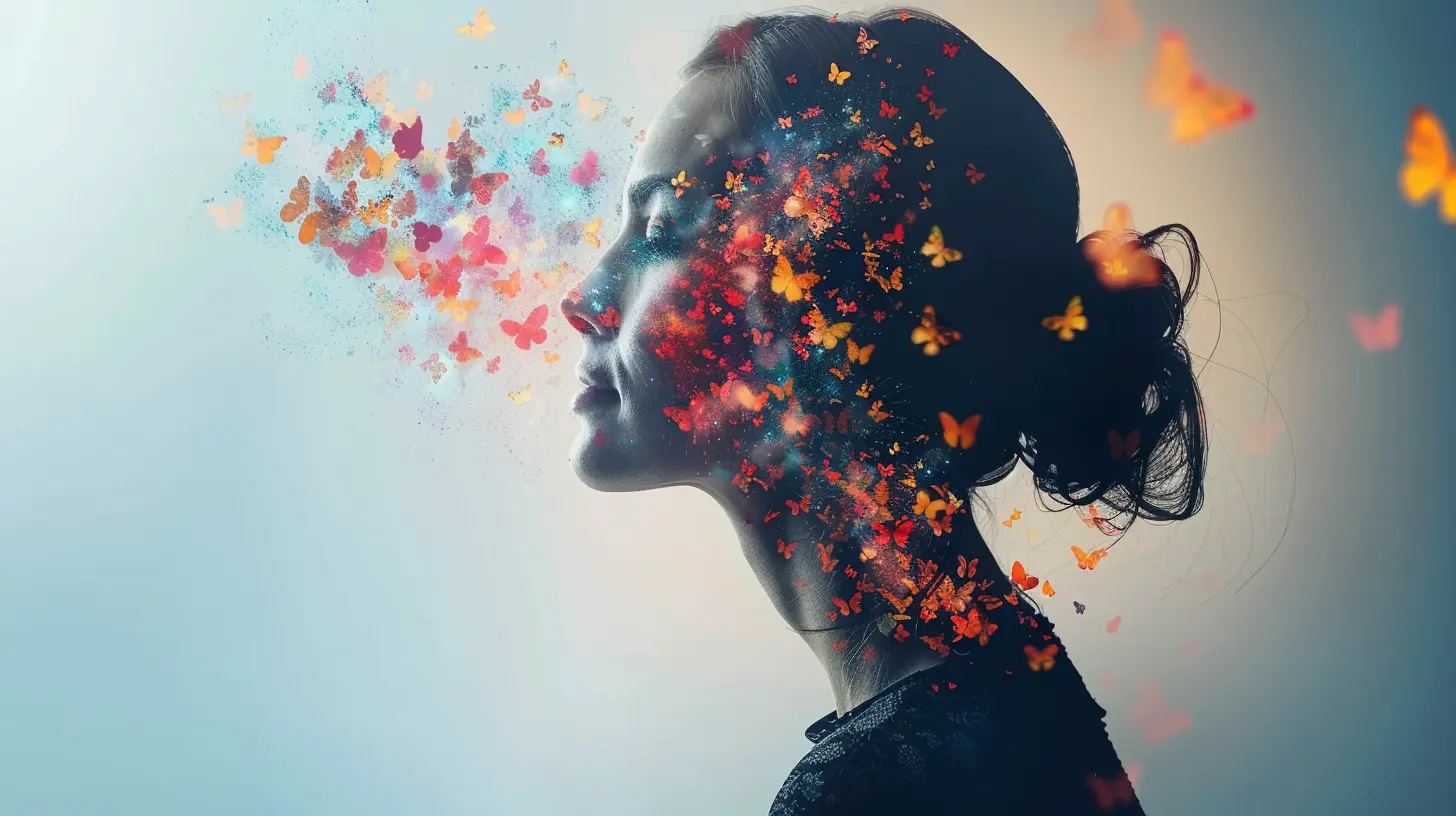
What is Visualization?
Simply put, visualization is the practice of creating mental images to achieve a specific outcome. It’s like daydreaming but with a purpose. Athletes use it to improve performance, professionals use it to boost confidence, and, most importantly, anyone can use it to improve emotional wellbeing.Think of your mind as a movie theater, where you are the director. You get to decide what images play in your head. If those images are positive and uplifting, they shape your emotions accordingly. On the other hand, negative mental pictures can drain your energy and lower your mood. 
How Visualization Affects Emotional Wellbeing
Visualization works by tapping into the brain's powerful ability to influence emotions and bodily responses. When you visualize positive experiences, your brain reacts as if those experiences are actually happening. This triggers the release of feel-good chemicals such as dopamine and serotonin, which help you feel happier and more relaxed.Here’s how visualization can improve your emotional state:
1. Reduces Stress and Anxiety
When life gets overwhelming, closing your eyes and picturing a peaceful scene can help calm your mind. Imagine yourself lying on a tranquil beach, feeling the warm sand beneath you, listening to gentle waves crashing—doesn't that feel soothing? By regularly practicing calming visualizations, you train your brain to shift from stress to relaxation more easily.2. Boosts Self-Confidence
Ever felt nervous before an important event? Instead of letting fear control you, visualize yourself succeeding. Picture yourself walking into a room with confidence, speaking clearly, and receiving positive reactions. This mental rehearsal tricks your brain into believing you've already succeeded, making you feel more self-assured.3. Enhances Positive Thinking
Your thoughts shape your reality. If you constantly dwell on negative scenarios, you’re programming your brain to expect the worst. But when you visualize success, happiness, and positivity, you're training your mind to attract and embrace those experiences in real life.4. Helps in Emotional Healing
Holding onto painful past experiences can prevent emotional growth. Visualization can help you reframe those memories positively. Imagine comforting your younger self, offering words of kindness and encouragement—this can bring immense healing and closure.
Simple Visualization Techniques to Try
You don’t have to be a meditation expert to incorporate visualization into your daily life. Below are some simple yet effective visualization techniques to enhance your emotional wellbeing.1. Guided Imagery
This involves listening to a recorded narration that guides you through a peaceful and relaxing mental journey. It could take you to a beautiful forest, a cozy cabin, or even floating in space. Guided imagery helps transport you to a stress-free mental state.2. The Safe Place Visualization
Create a “happy place” in your mind—a place where you feel entirely safe, calm, and at ease. It can be real or imaginary, like a cozy cabin or a serene garden. Whenever you feel anxious, close your eyes and mentally visit this place to regain composure.3. Future Self Visualization
Imagine meeting your future self five years from now. What do they look like? What have they accomplished? How do they speak and carry themselves? Visualizing your best future self can motivate you to take steps toward becoming that person.4. Color Breathing Technique
Colors are often associated with emotions. Visualize yourself inhaling a calming color like blue or green, and exhaling a stressful color like gray or black. This technique helps clear negative energy and replaces it with positive vibes.5. The Movie Method
Picture yourself watching a movie of your ideal life. See yourself happy, successful, and thriving. Play this mental movie every day, and over time, your brain will start aligning your actions to match that vision.
How to Make Visualization a Habit
Like any other self-care practice, consistency is key. Here are some tips to help you incorporate visualization into your daily routine:✅ Set Aside Time – Even five minutes a day is enough to see benefits. Try visualizing before bed or after you wake up.
✅ Engage All Senses – Don’t just "see" things in your mind—try to feel, hear, and even smell the elements of your visualization. This makes it more effective.
✅ Use Positive Affirmations – Reinforce your visualization with affirmations like “I am calm and at peace” or “I am capable and confident.”
✅ Practice Mindfulness – Combining visualization with mindfulness can amplify its effects. Stay present while imagining your desired outcomes.
✅ Be Patient – Change doesn’t happen overnight. The more you practice, the stronger the impact visualization will have on your emotions.
The Science Behind Visualization
If you’re wondering whether visualization is just wishful thinking, science begs to differ. Research in neuroscience suggests that the brain doesn’t distinguish between real and imagined experiences.For example, studies on athletes have shown that mentally rehearsing their performance activates the same brain regions as physically practicing. Similarly, visualization can stimulate the emotional centers of the brain, helping you cultivate positive feelings even before they happen in real life.
Another study found that using positive imagery helps reduce symptoms of anxiety and depression. So, when you visualize joyful and peaceful moments, you’re literally rewiring your brain for more happiness!
Final Thoughts
Visualization is more than just daydreaming—it's a powerful tool for shaping your emotions and improving your overall wellbeing. By using visualization techniques, you can reduce stress, boost confidence, enhance positivity, and promote emotional healing. The best part? It's free, simple, and can be done anywhere!So, why not give it a try? Close your eyes, take a deep breath, and start painting a brighter, happier future in your mind. Because once you see it in your mind, you’re already halfway there.
all images in this post were generated using AI tools
Category:
Emotional WellnessAuthor:

Eileen Wood
Discussion
rate this article
1 comments
Zara Yates
Great article! Visualization is a powerful tool for emotional wellbeing. It's inspiring to see practical techniques shared so effectively.
August 8, 2026 at 4:44 PM