How to Use Essential Oils Safely at Home for Fast Relief
1 October 2026
Essential oils have moved from boutique shelves into everyday homes, and for good reason. A well chosen drop of peppermint can cut through a tension headache in minutes. Lavender can soften the edge of a restless night. Tea tree can help a minor skin issue calm down before it becomes a problem. But the same concentration that makes these oils effective also makes them risky when used carelessly. The line between relief and harm is thinner than most people realize, and crossing it rarely announces itself in advance.
This guide is not a collection of diffuser recipes. It is a practical framework for getting real, fast results while keeping your skin, your lungs, and your household safe. You will find the reasoning behind each recommendation, the situations where a popular method is the wrong choice, and the mistakes that send people to clinics every year.
Why Essential Oils Work So Quickly, and Why That Matters
A plant produces essential oils as a defense system. These volatile compounds repel insects, fight microbes, and signal other plants. When you inhale or apply them, you are borrowing that chemistry. Because the molecules are small and fat soluble, they cross cell membranes easily. That is the mechanism behind fast relief. It is also the reason a substance that helps in one context can irritate in another.Speed is not the same as safety. A compound that reaches your bloodstream in minutes can also trigger a reaction in minutes. Respecting that dual nature is the foundation of everything that follows.
The Three Rules That Prevent Most Problems
Before any specific technique, internalize three principles.Dilute almost everything. Undiluted essential oils are concentrates. One drop of oregano oil is roughly equivalent in plant material to a large handful of the fresh herb. Skin does not respond well to that intensity.
Respect the route. What is safe to inhale may not be safe to swallow. What is safe on your feet may burn on your face. The route of administration changes the risk profile completely.
Start low and go slow. Use the smallest effective amount for the shortest necessary time. You can always add more. You cannot easily undo a burn or a sensitization reaction.
Dilution: The Skill That Separates Relief From Regret
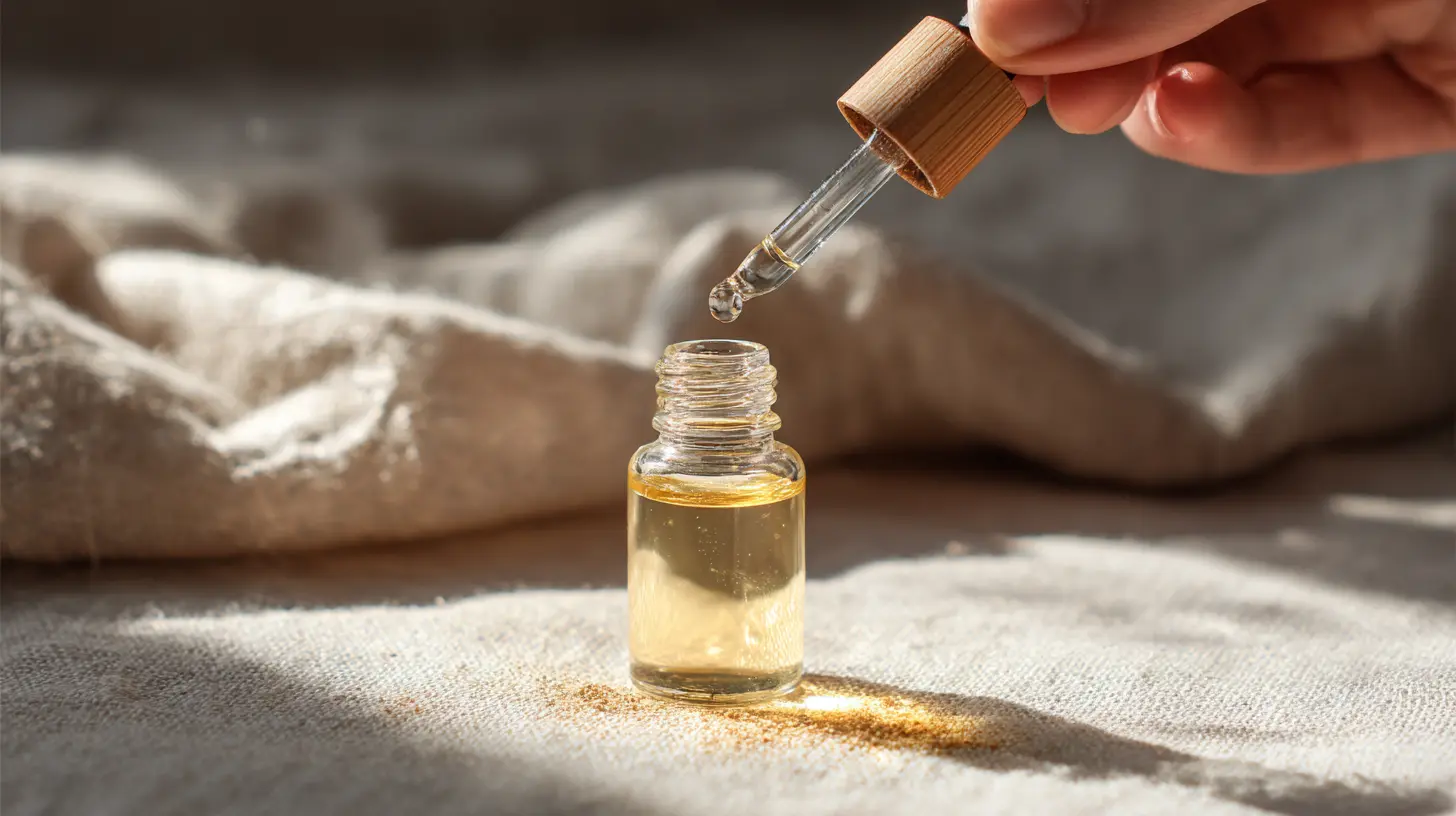
Dilution is not a sign of weakness. It is how professionals make essential oils usable. A carrier oil such as jojoba, sweet almond, fractionated coconut, or plain olive oil spreads the essential oil over a larger area, slows absorption, and reduces the chance of irritation.A Simple Dilution Guide for Adults
- 1 percent dilution: 6 drops per ounce of carrier oil. Ideal for sensitive areas, the face, and daily use.- 2 percent dilution: 12 drops per ounce. The standard for most body massage and localized relief.
- 3 to 5 percent dilution: 18 to 30 drops per ounce. Short term use for a specific, stubborn issue such as a tight muscle.
- 10 percent or higher: Reserved for very short term, small area use, and best avoided unless you have training.
For children, the elderly, and anyone with sensitive skin, cut these numbers in half. For infants, the safest approach is generally no topical essential oils at all without professional guidance.
Why Carrier Oils Are Not Optional
A carrier oil does more than dilute. It improves absorption of fat soluble compounds and prevents the essential oil from evaporating before it can act. Alcohol and water do not serve this purpose. Adding essential oils to water creates droplets that float on the surface, which is exactly how undiluted oil ends up on skin in a bath. That is a common cause of chemical burns.
Inhalation: The Fastest Route to Relief
Inhaling is the quickest way to feel an effect because the molecules reach the olfactory system and, to a lesser degree, the lungs within seconds. This route is excellent for nausea, mild anxiety, congestion, and focus.Methods That Work
Direct sniffing from the bottle is the simplest option. Hold the bottle a few inches from your nose and take two or three slow breaths. Do not jam it against your nostrils. Repeated direct sniffing throughout the day can irritate the nasal lining, so limit it.A tissue or cotton ball with one or two drops gives you a controlled, portable source. This is a good choice for travel or a desk.
Steam inhalation is powerful for congestion. Add one or two drops to a bowl of hot, not boiling, water, drape a towel over your head, and breathe through your nose for a few minutes. Keep your eyes closed. Eucalyptus and peppermint are common choices. Skip this method if you have asthma, as the strong vapor can trigger a spasm.
Diffusion is the most popular method and the most misunderstood. A diffuser disperses oil into the air, but it also disperses it into your lungs and your pets' lungs. Run it in a ventilated room, for 30 to 60 minutes at a time, not all day. If you or anyone in the home develops a headache, cough, or irritated eyes, stop and air the room out.
When Inhalation Is the Wrong Choice
If you have asthma, chronic obstructive pulmonary disease, or a fragrance sensitivity, inhaling concentrated volatiles can worsen your condition. For these situations, a topical application on a small area, if tolerated, is often safer than filling a room with vapor.Topical Application: Where Most People Get Hurt
Topical use is the workhorse of home aromatherapy. It is also where the majority of injuries happen.The Anatomy of a Safe Application
1. Wash your hands.2. Mix your essential oil into a carrier oil in your palm or a small glass dish.
3. Apply to intact skin only. Never apply to broken skin, a rash, or an open wound.
4. Test on a small area first, such as the inner forearm, and wait 24 hours.
5. Avoid the eyes, eyelids, inner ears, and mucous membranes entirely.
Areas That Absorb Fast and React Fast
The face, neck, chest, underarms, and genitals absorb quickly and irritate easily. The soles of the feet absorb more slowly and are a common starting point for children and sensitive adults. If you apply to the feet, remember that what is on your feet can transfer to your hands and then to your eyes.The Sensitization Trap
Some essential oils, particularly those high in cinnamaldehyde such as cinnamon and clove, can cause sensitization. This means the first few uses feel fine, then one day your immune system decides the compound is an enemy. From that point on, even tiny amounts cause a reaction. There is no cure for sensitization. The only strategy is prevention through consistent dilution and by rotating the oils you use.
Ingestion: The Route Most Experts Advise Against
Swallowing essential oils is a topic where online advice and clinical reality diverge sharply. Some practitioners use specific oils internally under supervision for specific conditions. That is a medical decision, not a home remedy.At home, ingestion carries real risks. Essential oils can burn the esophagus, interact with medications, and stress the liver. Some, including wintergreen and camphor, are toxic in small amounts. A single teaspoon of some oils can be fatal to a child.
If you want the internal benefits of a plant, drink the tea. Peppermint tea, ginger tea, and fennel tea deliver gentle, water soluble compounds without the concentrated risk. If you are determined to explore internal use, do it with a qualified practitioner who knows your health history.
Essential Oils and Medications: Interactions You Should Know
Essential oils are not inert. They contain active compounds that can interact with drugs.- Blood thinners. Wintergreen contains methyl salicylate, a compound related to aspirin. Combining it with anticoagulants can increase bleeding risk.
- Blood pressure medication. Some oils, including rosemary and eucalyptus, may affect blood pressure. The effect is usually modest but worth monitoring.
- Sedatives and antidepressants. Lavender, chamomile, and valerian can add to the effects of these drugs, leading to excessive drowsiness.
- Diabetes medication. Some oils may influence blood sugar. Check your levels if you use them regularly.
- Chemotherapy and immunosuppressants. Many oils affect liver enzymes that process these drugs. Avoid topical and internal use unless your oncologist approves.
The simple rule: if you take prescription medication, tell your doctor about any essential oil you use regularly.
Fast Relief Protocols for Common Problems
Here are practical, safe approaches for the issues people most often want to address.Tension Headache
Peppermint diluted to 2 percent and applied to the temples and back of the neck can ease tension. Avoid the forehead if you are prone to skin irritation. Lavender is a gentler alternative. Do not use peppermint near the face of an infant or young child, as the menthol can affect breathing.Muscle Soreness
A blend of lavender and marjoram at 3 percent in a carrier oil, massaged into the area, can calm overworked muscles. For a warming effect, add a single drop of ginger or black pepper to an ounce of carrier oil. Never use heat packs over essential oils, as the combination can burn the skin.Nausea
Inhaling peppermint or ginger directly from a tissue is often enough. A drop of spearmint on a cotton ball near your pillow can help overnight. Avoid topical application on the abdomen during pregnancy without medical advice.Poor Sleep
Lavender is the most studied oil for relaxation. Diffuse it for 30 minutes before bed, or apply a 2 percent dilution to the wrists and soles of the feet. Keep the diffuser out of reach of children and pets.Minor Skin Irritation
Tea tree diluted to 1 percent in a carrier oil can help with minor blemishes. For insect bites, a drop of lavender in a teaspoon of carrier oil can reduce itching. Never apply undiluted tea tree to the face.Congestion
Eucalyptus or peppermint steam inhalation works well for adults. For children over two, a diluted chest rub with lavender and a small amount of eucalyptus can help, but check with a pediatrician first. Do not use menthol or camphor products on children under two.Children, Pregnancy, and Pets: Special Populations
Children
Children have thinner skin, faster metabolisms, and smaller bodies. The dose that suits an adult can overwhelm a child. Use half the adult dilution or less, avoid the face entirely, and never leave a bottle within reach. Some oils, including eucalyptus, peppermint, and rosemary, are best avoided around young children because of the risk of breathing problems.Pregnancy and Breastfeeding
The safest approach is to avoid essential oils unless your obstetric provider approves them. Some oils, including clary sage and rosemary, may affect uterine tone. Others are fine in small amounts, but the margin for error is small. Inhalation of a mild oil such as lavender or citrus is generally considered lower risk than topical use.Pets
Cats are especially vulnerable because their livers cannot process many plant compounds. Diffused oils can cause breathing problems, drooling, and lethargy. Tea tree, eucalyptus, citrus, and peppermint are common culprits. If you diffuse, do it in a room your pets cannot enter, and ventilate afterward. Never apply essential oils to a pet's skin or fur.
Quality: What to Look For and What to Ignore
The essential oil market is lightly regulated. Labels such as "therapeutic grade" and "pure" are marketing terms, not legal standards. What matters is more concrete.- Botanical name. Look for the Latin name, such as Lavandula angustifolia. It tells you exactly which plant you are getting.
- Country of origin. This affects chemistry. Lavender from France differs from lavender from Bulgaria.
- Extraction method. Cold pressing and steam distillation are standard. Solvent extracted absolutes are different products and not always suitable for skin.
- Batch information. Reputable companies provide lot numbers and sometimes third party test results.
- Price sanity. If a rare oil is cheap, it is likely diluted or adulterated.
Buy from companies that answer questions about sourcing. Store bottles in a cool, dark place with the caps tight. Citrus oils oxidize quickly and can become irritating as they age, so replace them within a year.
Common Mistakes That Cause Harm
- Applying undiluted oil to the skin. The most frequent cause of burns and rashes.- Adding oil to bathwater without a dispersant. Oil floats and sticks to skin. Mix it into a tablespoon of carrier oil or unscented bath salts first.
- Using a diffuser continuously. Overexposure causes headaches, nausea, and respiratory irritation.
- Doubling the dose for faster results. More oil does not mean faster relief. It means higher risk.
- Ignoring a reaction. If you feel burning, itching, or swelling, stop. Wash with carrier oil, not water. Water spreads the oil.
- Assuming natural means safe. Poison ivy is natural. So is arsenic.
When to Stop and Seek Help
Seek medical attention if you experience difficulty breathing, swelling of the face or throat, a severe burn, or a rash that spreads. If a child swallows essential oil, call poison control immediately. Do not induce vomiting. Have the bottle ready so responders know exactly what was ingested.Building a Safe Home Practice
Start with three or four oils you understand well. Lavender for calm, peppermint for tension and nausea, tea tree for minor skin issues, and lemon for cleaning and freshness. Master dilution. Keep a carrier oil next to your essential oils so the safe choice is the easy choice. Label your blends with the date and the dilution. Write down what worked and what did not.Relief does not come from using more. It comes from using the right oil, at the right strength, on the right person, at the right time. That is a skill, and like any skill, it improves with attention. Treat these concentrated plant compounds with the respect they deserve, and they will reward you with fast, reliable comfort for years to come.
all images in this post were generated using AI tools
Category:
Home RemediesAuthor:

Eileen Wood