The Link Between Selenium Supplements and Thyroid Health
28 December 2025
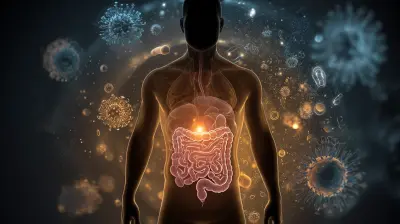
Let’s talk about something a lot of us usually overlook—our thyroid. Yep, that little butterfly-shaped gland sitting right in your neck. It might be tiny, but it plays a huge role in how you feel every single day. From your energy levels to your metabolism, and even your mood—your thyroid’s got a big job to do.
Now, here’s where it gets interesting: selenium. It’s a trace mineral, meaning your body doesn't need heaps of it, but that doesn’t make it any less important—especially when it comes to thyroid health.
So, if you’ve ever wondered about the connection between selenium and your thyroid—or maybe you're thinking about taking selenium supplements—this guide is for you. Let’s break it down in a simple, no-fluff way.
What Exactly Is Selenium?
Before we dive into how it affects your thyroid, let’s get to know selenium a bit better.Selenium is a micronutrient found naturally in soil, water, and some foods. Your body doesn’t need a ton of it, but without it, some pretty essential processes can go off track. Selenium acts as a powerful antioxidant, helping to fight off damage from those pesky free radicals that cause aging and disease.
You’ll find selenium in foods like:
- Brazil nuts (super rich in selenium!)
- Fish (like tuna and sardines)
- Turkey and chicken
- Eggs
- Sunflower seeds
Even if your diet includes these foods, some people may still fall short due to poor absorption or certain medical conditions. That’s where selenium supplements often come into play.
The Thyroid-Selenium Connection: What’s Going On?
Okay, so why are selenium and the thyroid such good buddies?Picture your thyroid as a factory that makes hormones. It uses iodine to create two key hormones: T3 and T4. But there’s a catch—this hormone production creates by-products called hydrogen peroxide, which can be damaging if not handled properly. That’s where selenium steps in like a superhero.
Selenium helps make enzymes called selenoproteins. These enzymes reduce the buildup of hydrogen peroxide and keep inflammation in check. In short, selenium protects your thyroid from burning itself out.
It also helps convert T4 (the inactive form of thyroid hormone) into T3 (the active one). Without enough selenium, this conversion slows down, and your body might not be getting enough of the hormone that actually works.
What Happens When You’re Low on Selenium?
Not getting enough selenium? Your thyroid isn’t going to be happy—and here’s what you might notice:- Fatigue
- Weight gain
- Brain fog
- Irregular menstrual cycles
- Depression or anxiety
These are also common symptoms of hypothyroidism (an underactive thyroid), which is why selenium status is often looked at during thyroid evaluations.
And here’s something even more serious: low selenium levels have been linked to autoimmune thyroid disorders, like Hashimoto’s thyroiditis and Graves’ disease. These are conditions where your immune system turns on your thyroid—yikes.
Can Selenium Supplements Help Improve Thyroid Function?
This is the golden question. And the answer? It depends.Several studies have suggested that selenium supplementation can benefit people with autoimmune thyroid issues, especially Hashimoto’s. In some cases, taking selenium has been shown to reduce thyroid antibodies—those troublemakers your immune system creates when it attacks your own thyroid.
For example, in people with Hashimoto’s, selenium supplements (usually around 200 mcg per day) have helped lower anti-thyroid peroxidase (anti-TPO) antibodies, leading to better thyroid function and sometimes even symptom relief.
But—(and this is a big BUT)—if your selenium levels are already normal, popping a supplement probably won’t give you a magic boost. In fact, too much selenium can be toxic. Think hair loss, garlic breath (yep, it's real), fatigue, and even mood swings.
So moderation is key here.
Who Might Benefit From Selenium Supplements?
Let’s be clear: not everyone needs to rush out and grab a selenium supplement. But there are certain groups of people who might benefit:- Folks with autoimmune thyroid conditions: Especially those with Hashimoto's or Graves’ disease.
- People living in low-selenium areas: Soil selenium levels vary around the world. In some places, even a healthy diet might not cover your selenium needs.
- Those with digestive issues: Conditions like Crohn’s or celiac disease can impair nutrient absorption, including selenium.
- Vegans and vegetarians: While selenium is in some plant foods, the highest sources tend to be animal-based.
Still, before you start any supplement, it's best to check your selenium status through a blood test and talk to your healthcare provider.
What’s the Right Selenium Dosage for Thyroid Health?
Different bodies, different needs. But when it comes to selenium, less is more.A common dose used in thyroid studies is around 200 micrograms (mcg) per day. The recommended dietary allowance (RDA) for selenium in adults is about 55 mcg per day, so supplements go beyond that.
Important: You should never exceed 400 mcg per day. That’s the tolerable upper intake level—and anything higher could lead to selenium toxicity. Remember we mentioned garlic breath? That’s just one of the many unpleasant signs of going overboard.
To be safe, always start low and consider dietary sources before supplements unless your doctor advises otherwise.
What’s the Scientific Evidence Saying?
Let’s geek out a bit (just for a moment).1. Hashimoto’s Thyroiditis: A number of clinical trials have shown that selenium supplementation can significantly reduce anti-TPO levels and improve mood and well-being in people with Hashimoto’s. The effects usually become noticeable within 3-6 months.
2. Graves’ Disease: In cases of thyroid eye disease (a complication of Graves’), studies have shown that selenium can help slow progression and reduce symptoms when combined with conventional therapy.
3. Mild Hypothyroidism: While selenium might not cure hypothyroidism, it can support thyroid enzyme function and potentially help with hormone conversion (T4 to T3).
So, while selenium isn’t a miracle cure, the science does show promise—especially when it’s used alongside other treatments.
Natural Selenium vs. Supplements: Which Is Better?
You’ve probably heard this before: food first, supplements second. And that holds true here as well.Your body is pretty smart. It absorbs nutrients from whole foods more efficiently than from pills. Plus, you get other goodies along with selenium—like fiber, protein, and other minerals.
Brazil nuts, for instance, are nature’s little selenium bombs. Just one or two nuts a day can easily meet your selenium needs. But do be careful—these nuts are so high in selenium, eating too many can actually push you over the limit.
Need a middle ground? Go for selenium-enriched foods like fortified cereals or grains. These give you a bump in selenium without going overboard.
Precautions You Should Know About
Selenium is powerful, but it’s not without risks.Here are a few things to keep in mind:
- Don’t DIY: Always talk to a doctor before taking any supplement, especially if you're already on thyroid meds. Selenium can interact with other minerals like iodine or zinc.
- Watch the dosage: More isn’t better here. Stick to the recommended amounts.
- Check the label: Not all selenium supplements are created equal. Look for forms like selenomethionine or sodium selenite—they tend to be more bioavailable.
- Monitor your symptoms: If you start a supplement and feel off—say, overly tired, anxious, or notice hair loss—it could be a sign you’re getting too much.
Final Thoughts: Should You Take Selenium for Thyroid Health?
So, is selenium the missing puzzle piece in your thyroid health journey?Maybe. If you have an autoimmune thyroid condition or a confirmed deficiency, adding selenium—through food or supplements—might make a noticeable difference. It’s not a standalone fix, but it can be a supportive tool in your overall wellness routine.
The key? Don’t self-diagnose or self-prescribe. Your thyroid is complex, and what works for one person may not work for another. Work with a healthcare pro, check your levels, and make changes step-by-step.
Because sometimes, it's the smallest things—like one tiny mineral—that end up making the biggest impact on how you feel.
all images in this post were generated using AI tools
Category:
SupplementsAuthor:

Eileen Wood
Discussion
rate this article
2 comments
Sophie McKinstry
In the dance of health, where thyroids gleam, Selenium whispers secrets, like a dream. Nurturing balance, a vital embrace, In supplements’ glow, find your place. With nature’s shield, let vitality flow, A journey to wellness, together we grow. Embrace the link, let your spirit glow.
February 16, 2026 at 6:01 AM
Eileen Wood
Thank you for beautifully capturing the essence of selenium's role in thyroid health! Your poetic perspective truly highlights the importance of balance and nature in our wellness journey.
Thomas Fuller
Great article! It’s fascinating to see the connection between selenium and thyroid health. Understanding how supplements can impact our well-being is so important. I’m curious to learn more about the best food sources of selenium. Keep up the great work!
December 30, 2025 at 4:08 AM
Eileen Wood
Thank you for your kind words! I appreciate your interest in selenium-rich foods. Some great sources include Brazil nuts, seafood, and whole grains. Stay tuned for more insights!