The Impact of Alcohol and Smoking on Men's Long-Term Health
4 June 2026
Let's cut to the chase—alcohol and smoking are often glamorized, normalized, and shoved into the "everyone does it" category. But lurking behind the buzz and the smoke is a storm of long-term health consequences, especially for men. If you're someone who lights up after a long day or enjoys a few drinks (or more) on the weekend, this one's for you.
In this article, we're diving deep into how these two habits affect the male body over time. Think of this as your wake-up call—not a lecture, but a friendly chat about how your current choices can shape your future health. You’ll walk away armed with knowledge, maybe a bit shocked, and hopefully inspired to make some changes.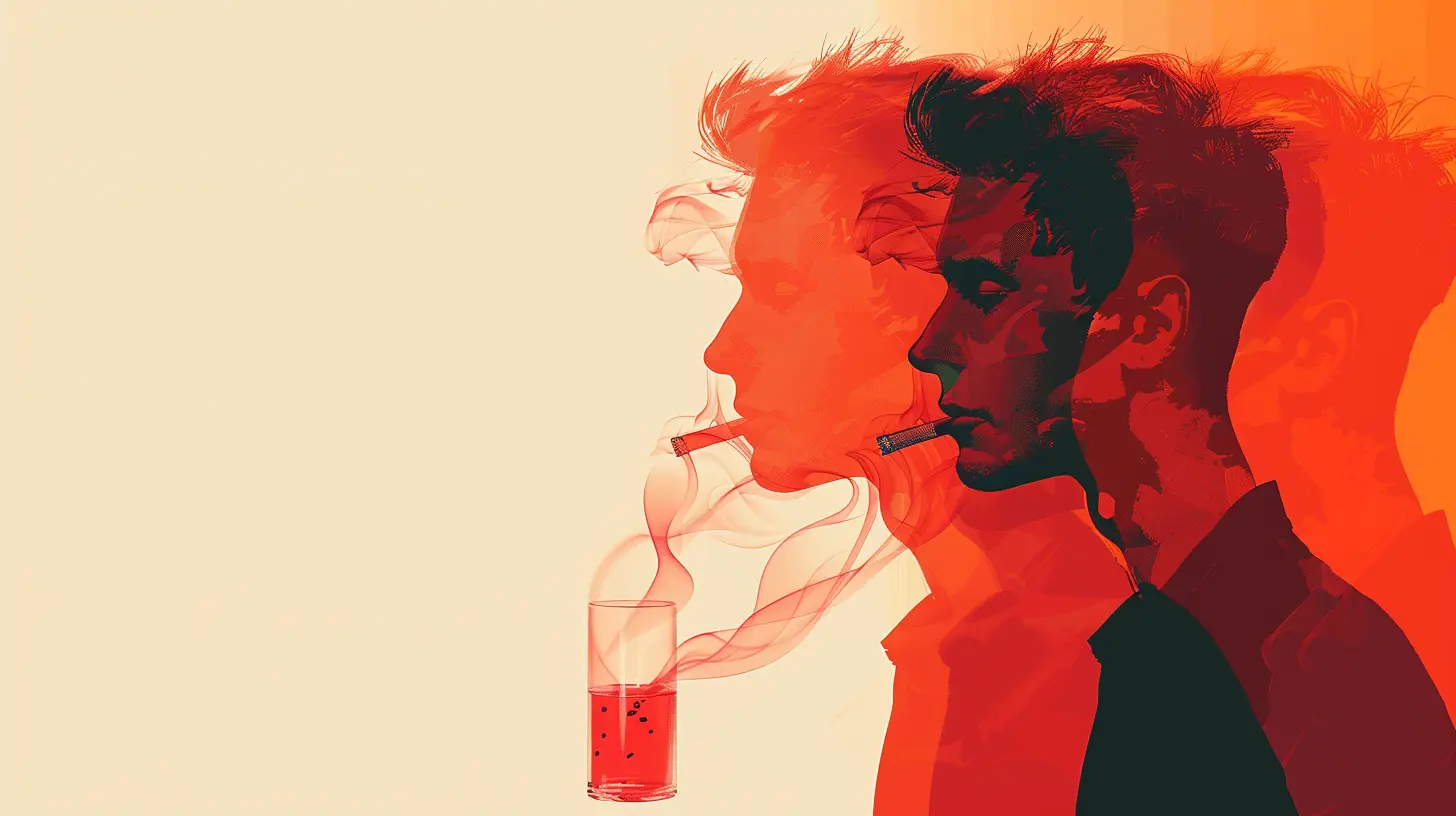
Table of Contents
1. Why Focus on Men's Health?2. The Biology Behind the Buzz
3. Alcohol: The Slow Sipper of Vitality
- Liver Damage
- Heart Health
- Brain Function and Mental Health
- Hormonal Disruption
4. Smoking: The Silent Aggressor
- Lung Capacity and Respiratory Illnesses
- Heart Disease and Stroke
- Sexual Health and Fertility
- Cancer Risks
5. The Dangerous Duo: When Alcohol and Smoking Tag Team
6. Cognitive and Psychological Toll
7. Breaking Free: How to Start Quitting
8. Conclusion: Investing in the Future You
Why Focus on Men's Health?
Alright, so why zoom in on men here? Simple—men are statistically more likely to drink excessively and smoke compared to women. According to CDC data, more men engage in risky drinking habits and over 15% of adult men smoke cigarettes regularly. Plus, men are less likely to seek medical help early, which means the damage often goes unchecked until it's serious.Men also metabolize alcohol differently and react to smoking in ways that significantly impact their reproductive, cardiovascular, and mental health. So yes, this conversation matters—a lot.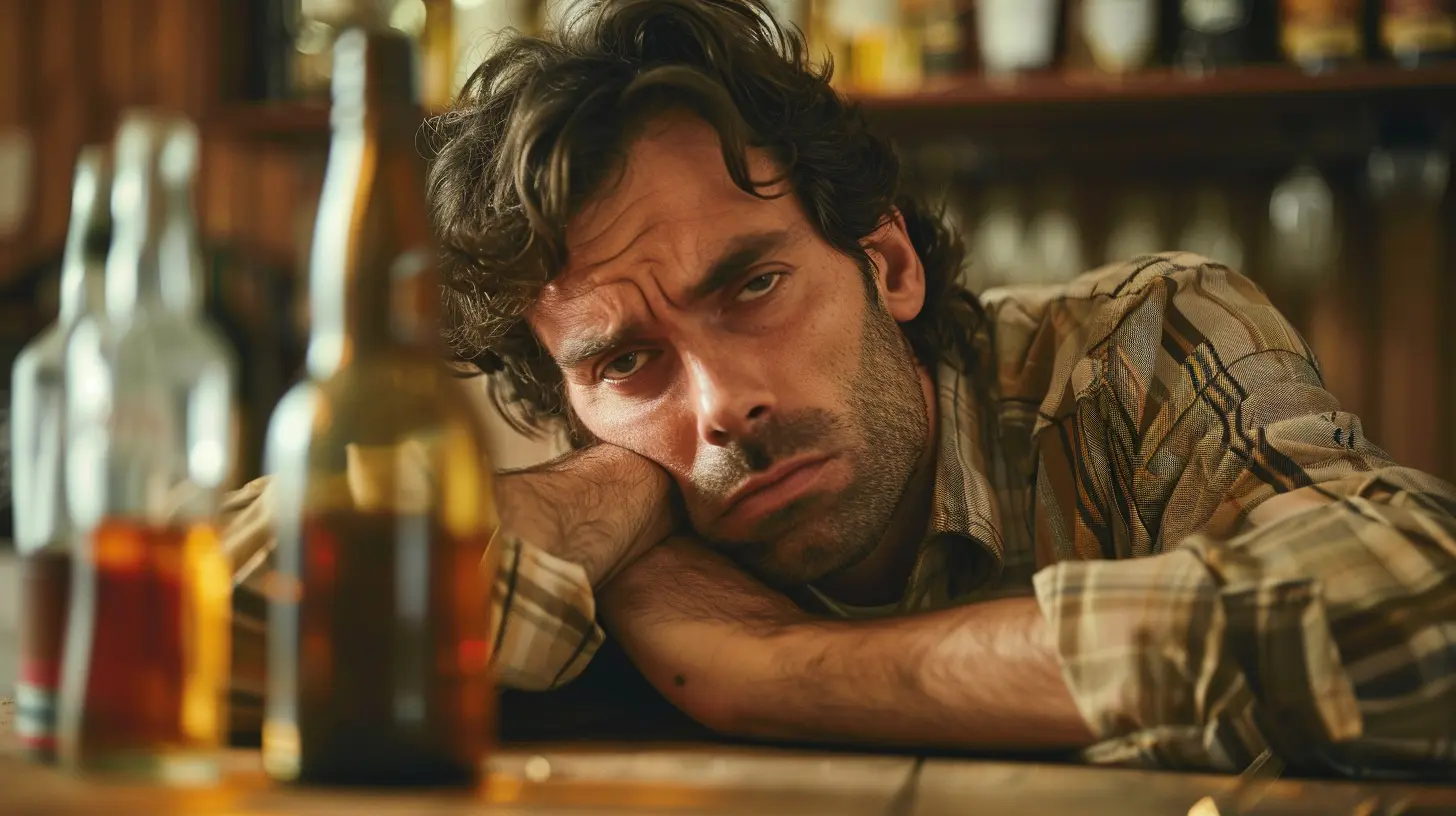
The Biology Behind the Buzz
Ever wonder why that "just one more drink" hits harder the next day or why your morning jog feels tougher after a night of partying?Here's the deal: just like a machine, your body has systems that need maintenance, balance, and care. Alcohol and smoking throw off that balance. They act like two hackers constantly trying to rewire your system—stealing your energy, damaging internal organs, and messing up your hormones.
Let’s look closer.
Alcohol: The Slow Sipper of Vitality
Alcohol might loosen you up socially, but behind the scenes, it's silently working against your body. The effects aren't just about drunken nights and hangovers—they stretch far beyond that.Liver Damage
Think of your liver as the janitor of your body, always cleaning up the toxic mess. Now, alcohol makes that janitor work overtime—every sip you take adds more stress. Over time, this leads to:- Fatty liver
- Hepatitis
- Cirrhosis (Total liver failure if it gets bad enough)
What’s brutal is how silently this happens. You might feel fine until one day, you’re not—and by then, the damage is hard to reverse.
Heart Health
"Red wine is good for the heart!" Sure, in moderation. But for most guys, moderation slips into excess pretty quickly.Heavy drinking raises blood pressure, causes irregular heart rhythms, and increases the risk of stroke and heart failure. Basically, your heart gets hit hard, even if you're not feeling chest pain yet.
Brain Function and Mental Health
Ever woken up after drinking with crazy anxiety or brain fog? Alcohol affects your neurotransmitters—the chemicals in your brain responsible for mood, memory, and decision-making.Long-term, this can turn into:
- Depression
- Poor cognitive function
- Memory loss
- Increased risk of dementia
So, while it may calm your nerves in the moment, alcohol is actually laying the groundwork for mental health struggles down the line.
Hormonal Disruption
Nobody tells you this in college, but alcohol messes with testosterone production. That beer belly? Likely has to do with too much drinking. Plus, lower testosterone can lead to:- Fatigue
- Mood swings
- Low libido
- Reduced muscle mass
That’s not what most men have in mind when they picture themselves in their 40s or 50s.
Smoking: The Silent Aggressor
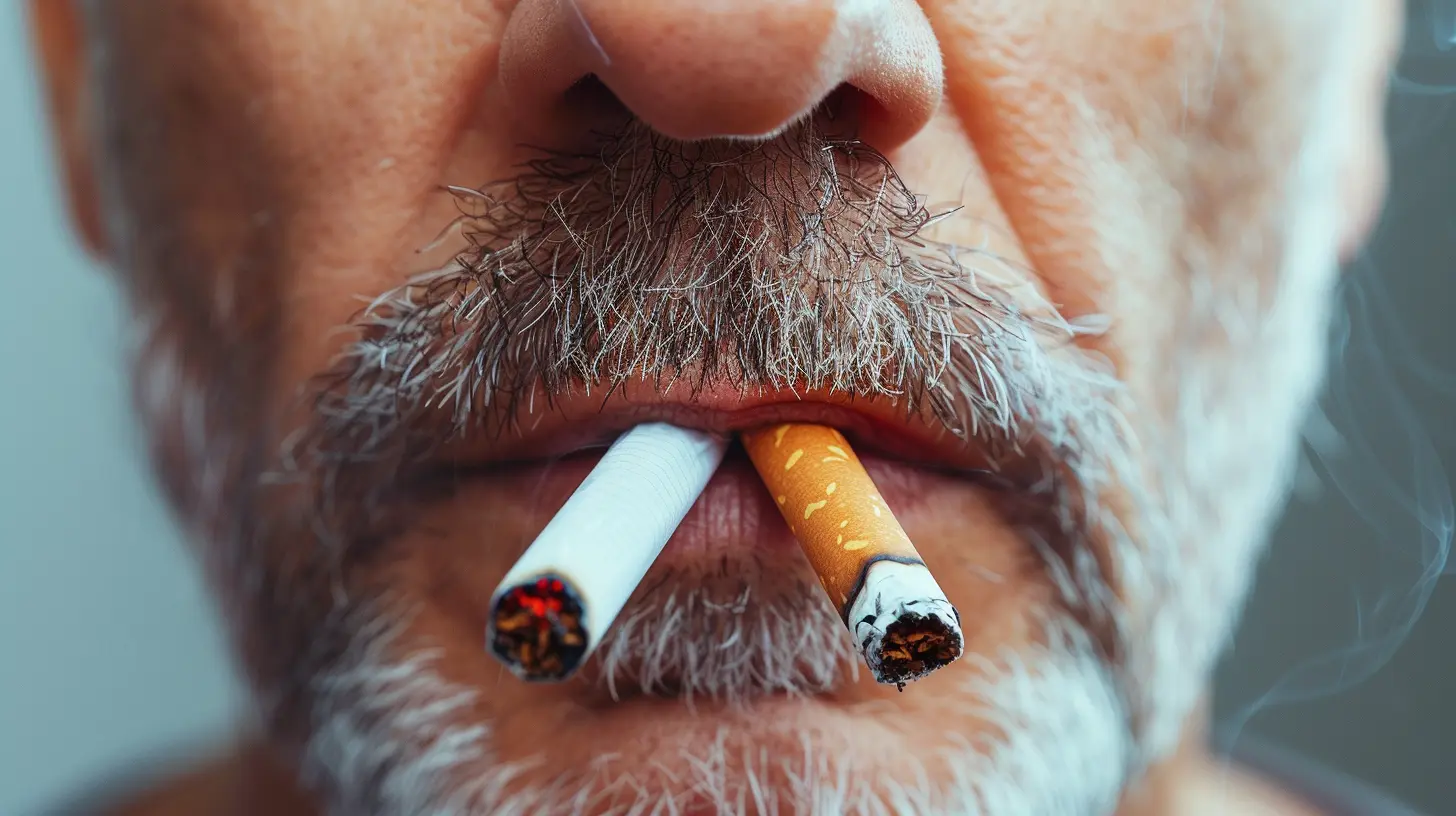
Now let’s talk smokes. They might look cool in Hollywood scenes, but they’re anything but cool for your body. Cigarettes, vapes, cigars—they all come with a cost.Lung Capacity and Respiratory Illnesses
Smoking is like setting your lungs on fire—slowly, every day. It damages the airways and causes chronic inflammation. Over time, this means:- Chronic obstructive pulmonary disease (COPD)
- Emphysema
- Chronic bronchitis
- Reduced lung capacity (meaning you’ll get winded faster doing everyday stuff)
Even secondhand smoke can impact you and those around you. So, it’s not just a personal risk—it’s also a public health issue.
Heart Disease and Stroke
Like alcohol, smoking tightens and narrows blood vessels. That means less blood flow, higher blood pressure, and a higher chance of clots. Unsurprisingly, smokers face:- 2 to 4 times higher risk of heart disease
- 3 times higher risk of stroke
Basically, your heart's racing toward burnout much faster with every puff.
Sexual Health and Fertility
Here’s something guys rarely think about until it’s too late: your sexual health. Smoking reduces blood flow to the sexual organs and damages sperm quality. Over time, this results in:- Erectile dysfunction
- Lower sperm count
- Decreased libido
Bottom line? Smoking can hit your ego and your ability to build a family, both at once.
Cancer Risks
We all know smoking causes cancer, but let’s break it down:- Lung cancer (obviously)
- Mouth, throat, esophageal cancer
- Bladder and pancreatic cancer
And when mixed with alcohol, the risk for esophageal and mouth cancers skyrockets. Like 30x higher than normal.
The Dangerous Duo: When Alcohol and Smoking Tag Team
Here’s where things get dicey—when you pair alcohol with smoking, it’s like throwing gasoline on a fire.These two substances amplify each other’s negative effects. For example:
- Alcohol allows more carcinogens from tobacco to enter your bloodstream.
- The combo exponentially increases cancer risks.
- Both impair your body’s ability to heal or regenerate.
So if you’re doing both regularly, you’re not just doubling the damage—you’re multiplying it.
Cognitive and Psychological Toll
We touched on it earlier, but let’s go deeper.Alcohol and smoking are often socially and psychologically linked to stress relief. Rough day at work? Grab a beer or smoke. But here’s the paradox: while they offer short-term relaxation, they create long-term anxiety and depression.
Combined usage increases:
- Risk of addiction
- Poor impulse control
- Mood disorders
- Cognitive decline (yes, like early-onset dementia)
It’s like patching a hole with duct tape—it might hold for a bit, but eventually, the whole thing collapses.
Breaking Free: How to Start Quitting
We get it—quitting sounds hard. Really hard. But it’s not about going cold turkey overnight (unless you want to). It’s about progress, not perfection.Here are a few ways to take that first step:
1. Track your use – Awareness is the first step. Apps can help.
2. Talk to someone – Whether it’s a friend, therapist, or support group, don’t go it alone.
3. Substitute smartly – Replace the habit with something positive: exercise, hobbies, healthier routines.
4. Avoid triggers – Bars, parties, certain people—know what pulls you back in and plan accordingly.
5. Seek medical support – Medications, nicotine patches, and counseling can significantly boost success rates.
Every bit you reduce counts. Even cutting back can drastically improve your health outcomes.
Conclusion: Investing in the Future You
Look, life’s short, but it shouldn’t be shorter because of avoidable choices. Alcohol and smoking aren’t just casual habits—they’re long-term health influencers. The cost isn’t just felt in your lungs, liver, or heart—it hits your mood, energy, sex life, and even your ability to think clearly.Imagine yourself 10, 20, 30 years from now. What would the healthier version of you be doing? Chasing grandkids around the yard? Running a 10K at 55? Enjoying retirement without a list of medications?
That future starts with the decisions you make today. Swap the “just one more drink” for “just one more day of clean choices.” Your body, your mind, and your future self will thank you.
all images in this post were generated using AI tools
Category:
Mens HealthAuthor:

Eileen Wood
Discussion
rate this article
1 comments
Peyton Simmons
It's fascinating how lifestyle choices like alcohol and smoking can shape men's health over the years. What specific changes can make a significant difference in outcomes?
June 9, 2026 at 4:12 PM
Eileen Wood
Absolutely, reducing alcohol intake and quitting smoking can lead to improved heart health, better lung function, and lower cancer risks. Small changes like these can have a big impact over time.