Why Fiber Is the Most Overlooked Nutrient You Need
11 March 2026
When we talk about health and nutrition, we often focus on protein, carbs, and fats. But there's one essential nutrient that doesn’t get nearly enough attention—fiber. It’s like the unsung hero of a well-balanced diet, quietly supporting digestion, heart health, and even weight management.
So why do so many of us overlook it? And more importantly, how can we make sure we're getting enough? Let’s break it down.
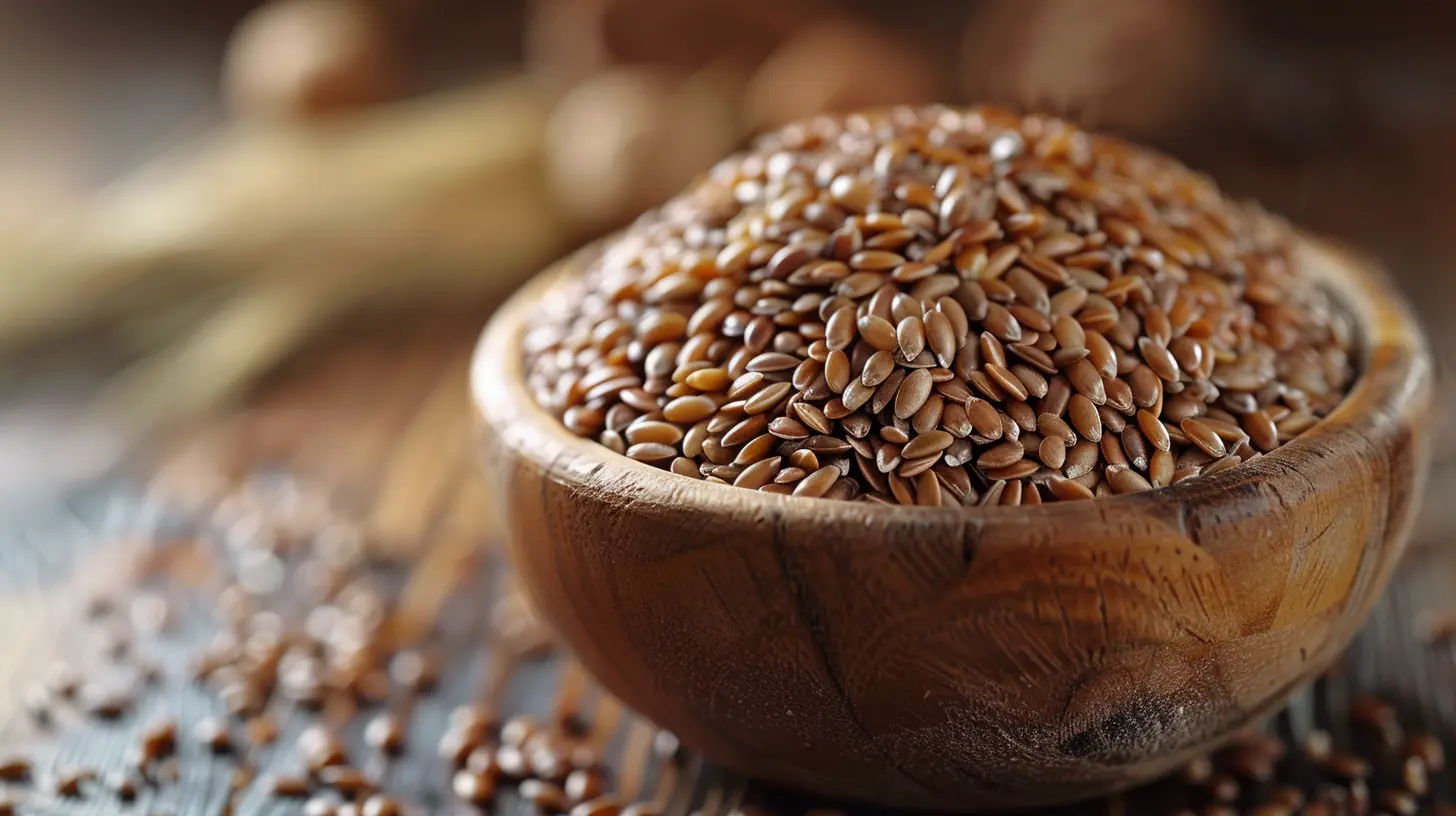
What Exactly Is Fiber?
Fiber is a type of carbohydrate, but unlike sugars and starches, your body can’t digest it. Instead, it passes through your system largely intact, working its magic along the way.There are two main types of fiber:
- Soluble fiber: Dissolves in water, forming a gel-like substance. It helps lower cholesterol and stabilizes blood sugar. Found in oats, beans, apples, and citrus fruits.
- Insoluble fiber: Doesn’t dissolve in water, adding bulk to stool and helping with digestion. Found in whole grains, nuts, seeds, and vegetables.
Both types are important, and getting a mix ensures you reap all the benefits fiber has to offer.

The Hidden Benefits of Fiber
1. Keeps Your Digestion on Track
Ever feel bloated or struggle with irregularity? That's where fiber comes in. Insoluble fiber acts like a broom, sweeping waste through your digestive tract and keeping things moving. It prevents constipation and promotes a healthy gut.2. Supports Heart Health
Soluble fiber is your heart’s best friend. It binds to cholesterol in the digestive system and helps remove it before it enters your bloodstream. Studies show that a high-fiber diet can reduce LDL ("bad") cholesterol levels, lowering your risk of heart disease.3. Helps Control Blood Sugar
If you struggle with blood sugar spikes and crashes, fiber can be a game-changer. Soluble fiber slows down the absorption of sugar, leading to steadier glucose levels—great news for those managing diabetes or trying to avoid sugar cravings.4. Aids in Weight Loss
Trying to shed a few pounds? Fiber can help! It keeps you feeling full longer, which means fewer cravings and less mindless snacking. Think of fiber as the natural appetite suppressant we all need.5. Feeds the Good Gut Bacteria
Your gut is home to trillions of bacteria, both good and bad. Soluble fiber acts as food for the beneficial bacteria, helping to maintain a healthy gut microbiome. And a happy gut equals better digestion, improved immunity, and even better mood regulation.6. Reduces the Risk of Certain Diseases
A high-fiber diet has been linked to a lower risk of chronic diseases, including colon cancer, heart disease, and type 2 diabetes. It’s like giving your body an extra layer of protection against long-term health issues.
Are You Getting Enough Fiber?
The truth is, most of us aren’t. In fact, the average American only eats about 15 grams of fiber per day, while the recommended intake is:- Women: 25 grams per day
- Men: 38 grams per day
That’s a pretty big gap! But don’t worry—boosting your fiber intake is easier than you think.
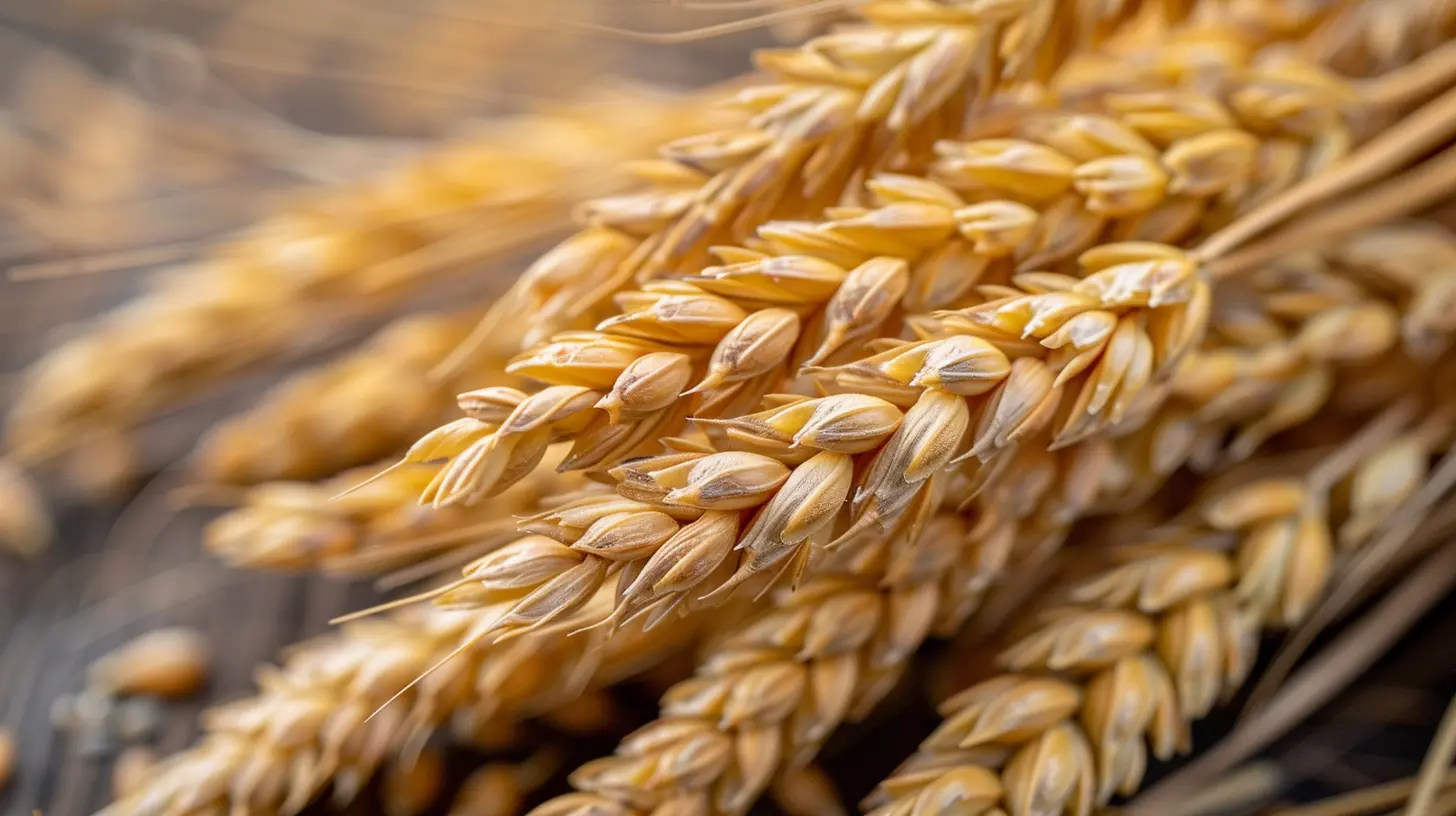
How to Add More Fiber to Your Diet
1. Start Your Day with Fiber-Rich Foods
Swap out sugary cereals for oatmeal, whole grain toast, or a smoothie packed with chia seeds and berries. Your digestive system will thank you.2. Choose Whole Grains Over Refined Carbs
White bread, white rice, and regular pasta are stripped of fiber. Opt for whole wheat bread, brown rice, and whole grain pasta instead.3. Load Up on Fruits and Vegetables
Aim for at least five servings per day. Berries, apples, bananas, carrots, and leafy greens are all excellent sources.4. Snack Smart
Trade chips and candy for fiber-rich options like nuts, seeds, popcorn (without the butter overload), or hummus with raw veggies.5. Legumes Are Your Best Friend
Beans, lentils, and chickpeas pack a powerful fiber punch. Toss them into soups, salads, or stir-fries for an easy boost.6. Read Labels
Food packaging often highlights fiber content. Aim for at least 3-5 grams per serving in the foods you buy.7. Hydrate, Hydrate, Hydrate
Fiber absorbs water, so drinking enough fluids is crucial. Otherwise, too much fiber without hydration can lead to bloating and discomfort.Can You Get Too Much Fiber?
Yes, but it’s rare. If you suddenly ramp up your fiber intake too fast, you might experience bloating, gas, or stomach cramps. The key is to increase fiber gradually and drink plenty of water to help your body adjust.
Final Thoughts
Fiber may not be the trendiest nutrient out there, but it’s one of the most powerful tools for a healthier body. It supports digestion, heart health, blood sugar control, and even weight management—all while keeping your gut happy.So next time you're planning your meals, give fiber the attention it deserves. Your body will thank you!
all images in this post were generated using AI tools
Category:
NutritionAuthor:

Eileen Wood
Discussion
rate this article
2 comments
Isabelle Jackson
Stop ignoring fiber! It’s the key to a healthy gut, better digestion, and overall well-being. Don’t underestimate it!
April 6, 2026 at 3:27 AM
Eileen Wood
Absolutely! Fiber is essential for gut health and shouldn't be overlooked. Thanks for the reminder!
Renata McDermott
Fiber might be the unsung hero of nutrition! 🌟 Embrace it for better digestion, energy, and overall health. It's time to give this superhero the spotlight it deserves—load up on those fruits, veggies, and whole grains!
March 13, 2026 at 5:19 PM
Eileen Wood
Absolutely! Fiber plays a crucial role in digestion and overall health, and it's time we recognize its benefits. Load up on those fiber-rich foods! 🌱