Exploring the Core of Naturopathy for Sustainable Health
30 January 2026
Let’s face it: the modern world has turned us into pill-popping, fast-food-munching, screen-staring zombies. Got a headache? Pop a pill. Trouble sleeping? There's an app for that. But what if we hit the brakes for a moment and tried to understand what our body is actually trying to tell us?
Enter the ancient (but still kickin’) realm of naturopathy. This isn’t some hippie trend where you’re forced to hug trees and live off kale smoothies. Nope. Naturopathy is all about working with your body, not against it. It's like becoming best friends with your body instead of that awkward roommate you try to avoid.
So, grab your herbal tea and put your feet up—we're diving headfirst into the earthy, leafy, and slightly crunchy world of naturopathy, and how it might just be the best-kept secret to sustainable health.
What the Heck is Naturopathy, Anyway?
Let’s clear the air. Naturopathy (or naturopathic medicine) is a system that believes in the body’s ability to heal itself. Think of it as giving your body the tools and support it needs, so it can stop screaming for help at 2 AM with indigestion and insomnia.Instead of just slapping a Band-Aid on symptoms, naturopathy digs deeper—asking the bold questions like, “Why is your back hurting every Tuesday after Taco Night?” It focuses on the root cause of illness and encourages a lifestyle that keeps you healthy in the long haul.
The Six Core Principles of Naturopathy
If naturopathy were a rock band, these six principles would be its greatest hits:1. First, Do No Harm – Simple. Don’t add more chaos to the drama already going on in your body.
2. The Healing Power of Nature – Your body is like a Tesla: high-tech but fully capable of self-healing when given the right fuel.
3. Identify and Treat the Causes – Why treat heartburn with antacids if stress-eating burritos is the actual issue?
4. Doctor as Teacher – Naturopathic docs want to educate you, not just give you a prescription and a pat on the back.
5. Treat the Whole Person – You're not just a liver, a spleen, and a funky knee. You're a whole ecosystem of body, mind, and emotions.
6. Prevention is Better than Cure – Fixing a tiny leak is easier than waiting for your boat to sink. Just sayin’.
How Naturopathy Differs from Conventional Medicine
Alright, let’s break it down. Conventional medicine is like a fire brigade—it jumps in to put out fires (symptoms), fast and furious. Awesome in emergencies, but not exactly built for long-term wellness.On the flip side, naturopathy is more like that friend who notices you’re burning the candle at both ends and gently suggests you meditate, switch to herbal tea, and maybe see a therapist. It's preventive. It's holistic. It's like a warm hug for your body.
Now, before you throw away your meds and go live in a yurt, remember: both systems can work together. Many people integrate naturopathy with traditional medicine for a more balanced and sustainable lifestyle.
Tools of the Naturopathic Trade
So, what kind of magic potions and wizardry are we talking about here? Turns out, it’s all surprisingly down-to-earth:1. Nutrition and Diet Therapy
Hippocrates once said, “Let food be thy medicine.” Smart dude.Naturopaths focus heavily on nutrition. Not in a restrictive “eat three almonds and call it a day” kind of way, but in a “your body deserves good fuel” kind of way. They might encourage whole foods, anti-inflammatory diets, and maybe even a good ol’ green smoothie.
2. Herbal Medicine
Plants: they’re not just for decorating your living room.From peppermint for digestion to ashwagandha for stress, herbs are nature’s pharmacy. Naturopaths are trained to use these green goodies to help restore balance and support healing.
3. Homeopathy
Ah yes, the most controversial kid at the wellness party. While science is still catching up on homeopathy, many people swear by these teeny tiny remedies for everything from allergies to anxiety. The jury’s out, but hey, some swear by essential oils and crystals too.4. Hydrotherapy
Water therapy isn’t just an excuse for a spa day (although, yes please). Alternating hot and cold water can stimulate circulation, boost immunity, and remind you that your shower can be more than a rushed five-minute scrub.5. Lifestyle Counseling & Stress Management
Because what you do with your time matters. If your lifestyle involves sugar binges, six hours on TikTok, and sleeping next to your phone—well, Houston, we have a problem.Naturopathic approach includes lifestyle hacks, mindfulness, and sometimes a gentle nudge to log off and go for a walk.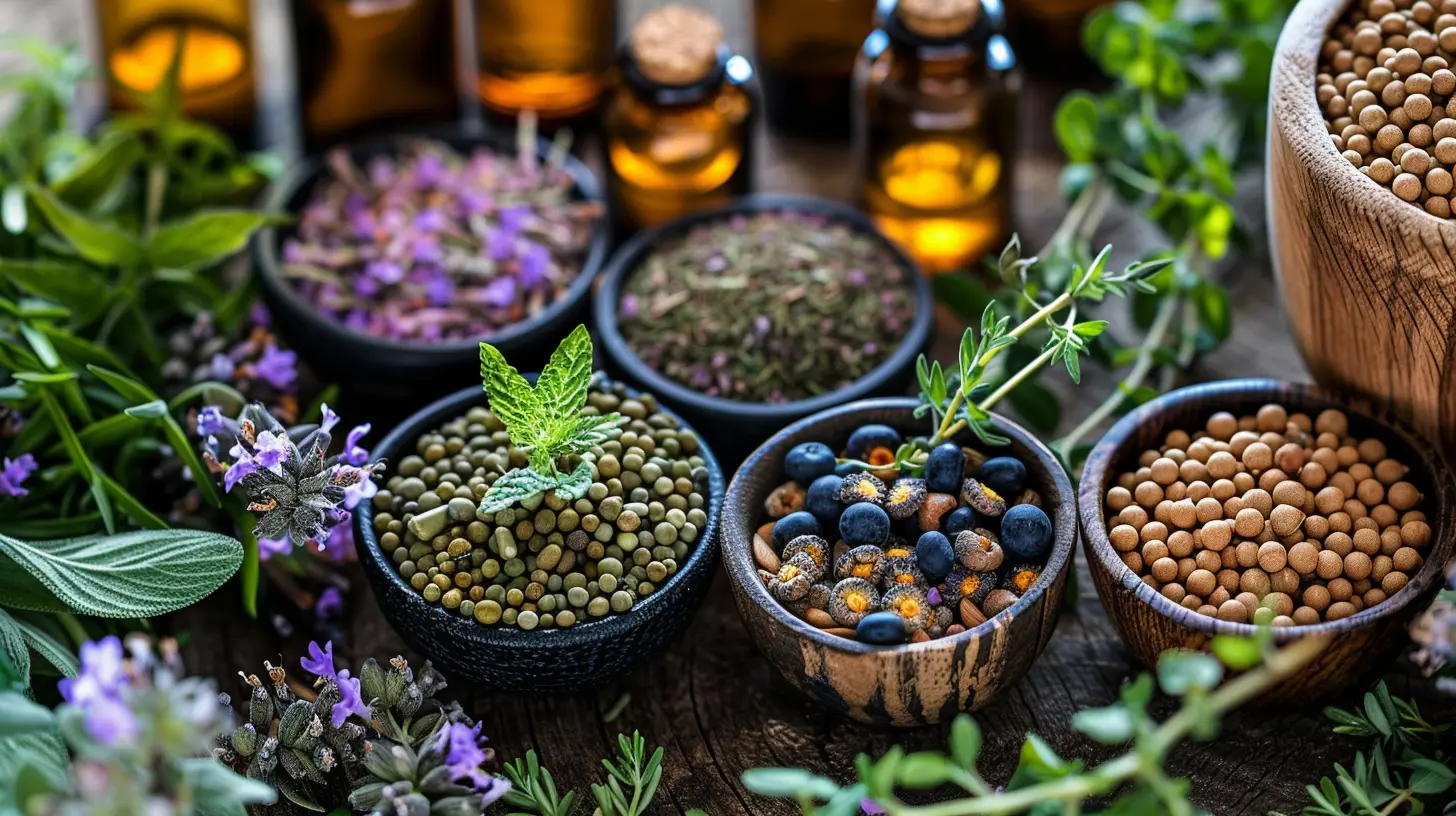
Why Naturopathy Is Winning People Over
Besides the whole “treat your body like a temple” vibe, naturopathy is popular because, frankly, people are tired.Tired of being prescribed meds with side-effects longer than their Amazon wishlist. Tired of treating symptoms that always come back. Tired of not feeling heard by their overbooked, under-pressure doctors.
Naturopathy gives people time. It listens. It considers that your gut issues might be connected to your stress, or that your migraines might have something to do with those six cups of coffee you down before noon.
It cures not just the “what,” but the “why.”
Common Conditions Naturopathy Can Help With
No, it’s not a miracle solution for everything (you still need a surgeon for a broken arm), but for everyday chronic conditions, it can be pretty life-changing. Think:- Digestive issues (hello, mysterious bloating)
- Hormonal imbalances
- Chronic fatigue
- Anxiety and depression
- Skin conditions like eczema or acne
- Migraines
- Allergies
- Autoimmune disorders
In many cases, naturopathy gives you insights into how your daily actions might be low-key sabotaging your health. Like how your “healthy” cereal has more sugar than a donut.
What to Expect on Your First Visit to a Naturopath
Expect…a conversation. A real one.You won’t be rushed out in 7 minutes with a prescription. Instead, your naturopath will likely dive into your history—the good, the bad, and the “I’m embarrassed to admit I eat cookies in bed” kind of details.
They might ask about your stress levels, sleep patterns, poop schedule (yep, that too), and even emotional health.
Then, they’ll create a personalized plan. Not a "one-size-fits-all from aisle 6" solution. Real talk, it might include dietary changes, supplements, movement suggestions, and some good ol’ self-love.
Naturopathy and the Environment: A Match Made in Sustainability Heaven
One of the coolest parts of naturopathy? It's inherently eco-friendly.Think about it: Eating whole, local foods? Good for the planet. Using fewer synthetic drugs and relying more on plants? Better for ecosystems. Emphasizing prevention over constant consumption? That's sustainability, baby.
Naturopathy promotes a lifestyle that’s not just good for you, but good for Mother Earth too. Kinda like going green, but with better energy and fewer sick days.
Myths and Misconceptions About Naturopathy
Alright, let’s bust a few myths:- “It’s not real medicine.” Uhh, tell that to the thousands of trained naturopathic doctors with medical degrees from accredited schools.
- “It’s anti-science.” No way. Many naturopaths use evidence-based practices—they just also consider other factors like stress, lifestyle, and nutrition.
- “It’s only for tree-huggers.” Naturopathy is for everyone—from kale-lovers to nacho enthusiasts. You don’t have to give up Wi-Fi or live in a yurt to benefit.
Is Naturopathy Right for You?
Short answer? Maybe.Long answer? It depends on your health goals, your openness to lifestyle changes, and your willingness to commit to more than a “quick fix.” Naturopathy is a journey—not a magic pill.
But if you’re sick of feeling "meh," tired of being tired, or just curious about a more natural path to health, then it might be time to give it a shot.
Worst-case scenario? You end up eating more veggies, sleeping better, and feeling more connected to your body.
Sounds like a win to me.
Wrapping It All Up (Before You Go Make That Herbal Tea)
So there you have it! Naturopathy isn’t some vague, woo-woo wellness trend—it’s a structured, principle-based approach to living better, feeling better, and staying better. It’s about turning your body into your ally and not your enemy.It’s sustainable because it’s not about chasing symptoms—it’s about building a resilient foundation, so you’re not caught off-guard every time flu season rolls around or life throws a curveball.
So whether you’re dipping your toes into natural wellness or ready to dive all in—remember: sustainable health isn't about perfection. It’s about progress. And sometimes, that progress starts with asking yourself, “What does my body really need right now?”
Trust me—it’s not always donuts.
all images in this post were generated using AI tools
Category:
Holistic HealingAuthor:

Eileen Wood
Discussion
rate this article
2 comments
Wade Cross
What a fantastic article! Exploring naturopathy's core principles offers valuable insights for sustainable health. Thanks for shedding light on this holistic approach to well-being!
March 6, 2026 at 5:31 PM
Eileen Wood
Thank you for your kind words! I'm glad you found the insights on naturopathy valuable for sustainable health.
Audrey McVicker
Love this holistic approach! 🌿
February 1, 2026 at 3:45 AM
Eileen Wood
Thank you! I'm glad you appreciate the holistic perspective. 🌱