The Body Positivity Movement: Why It Matters Now More Than Ever
3 April 2026
Let’s be real—body image is everywhere. From perfectly curated Instagram feeds to airbrushed magazine covers, we’re constantly bombarded with messages about how our bodies “should” look. And honestly? It's exhausting. That’s exactly why the body positivity movement has taken center stage. It's not just a trending hashtag—it’s a cultural revolution. It's about self-love, acceptance, and pushing back against unrealistic beauty standards that have been forced on us for way too long.
What Is the Body Positivity Movement, Really?
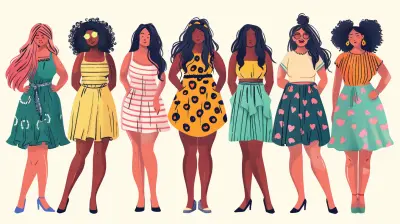
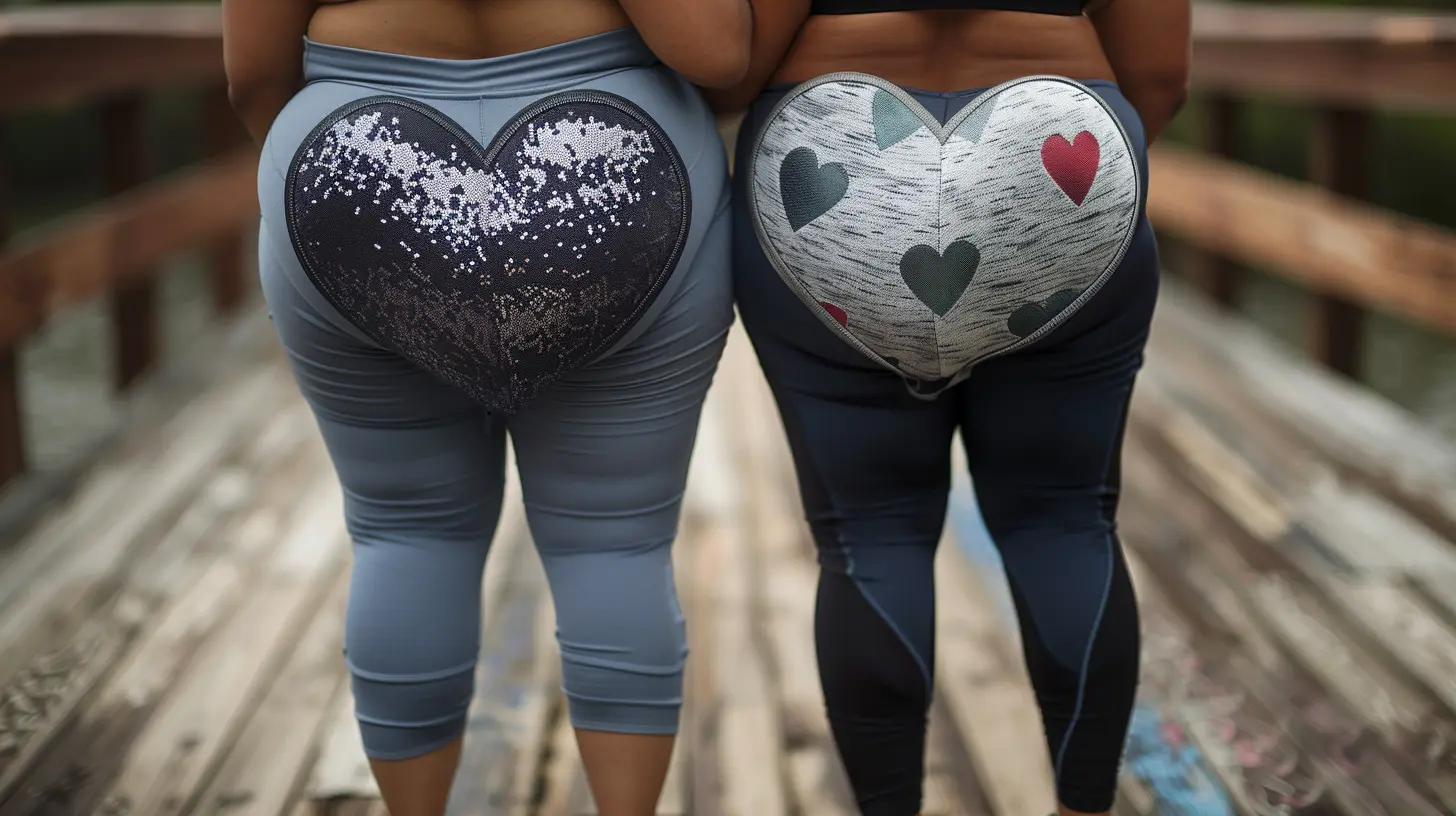
At its core, the body positivity movement is about embracing all body types—big, small, tall, short, curvy, straight, disabled, scarred, you name it. It challenges the idea that only a narrow range of body shapes or appearances are beautiful or worthy.It’s saying, “Hey, we’re tired of being judged by our looks. We're more than our bodies.”
Body positivity gives people permission to live unapologetically in their skin. That means loving your body, even if it doesn’t look like what the media tells you is "ideal."
A Brief Walk Through the History
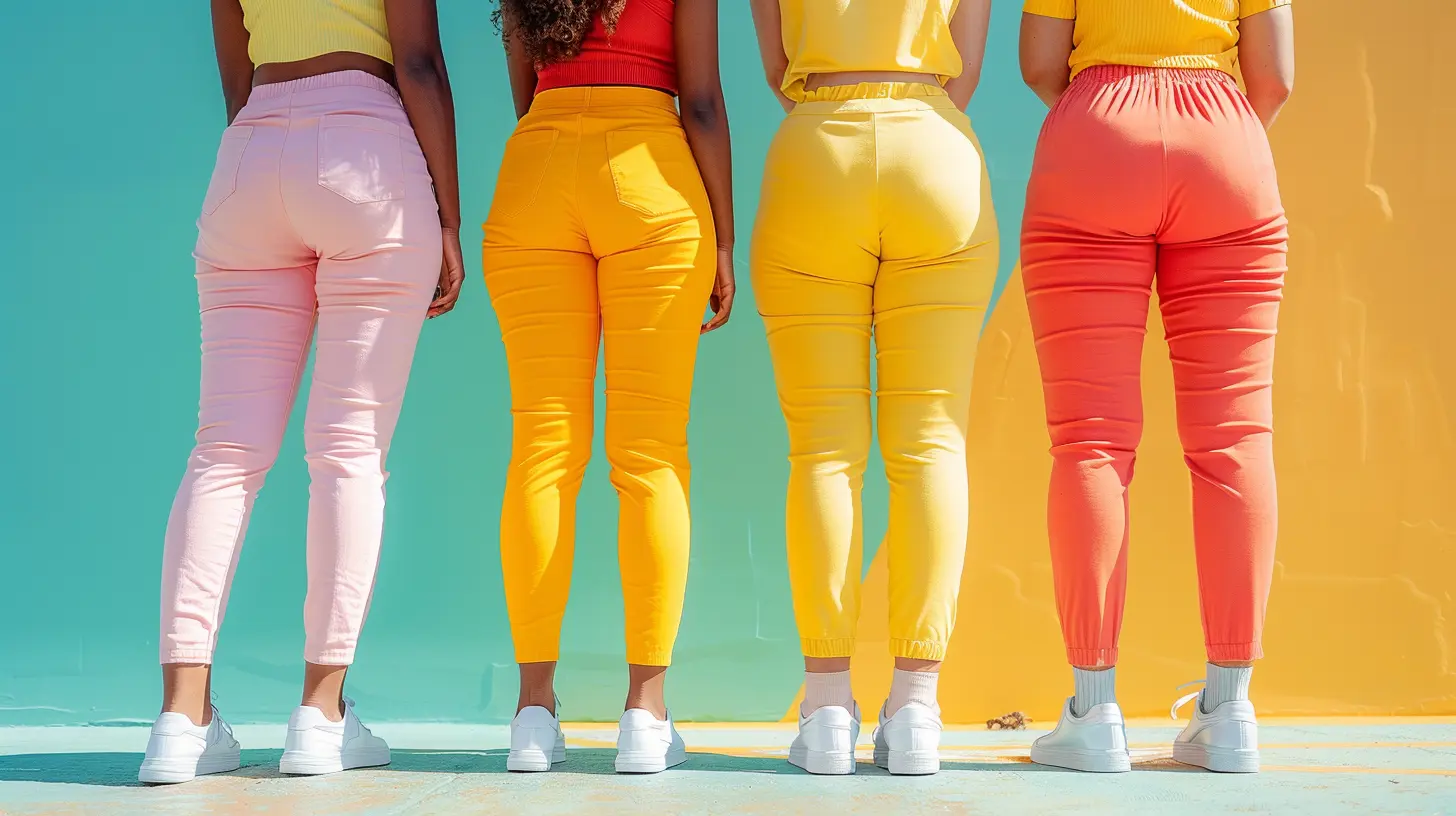
Believe it or not, this isn't just a millennial trend that popped up because someone posted a heartfelt message on TikTok.Body positivity has roots as far back as the 1960s. Yep, way before it made its way into your Instagram feed. Back in the day, fat acceptance movements began surfacing, criticizing the discrimination of plus-sized individuals in society, especially in healthcare and employment.
Fast-forward to the 2010s, social media gave the movement a megaphone. Voices that were once silenced—especially from marginalized communities—started speaking out about their experiences, and finally, people began to listen.
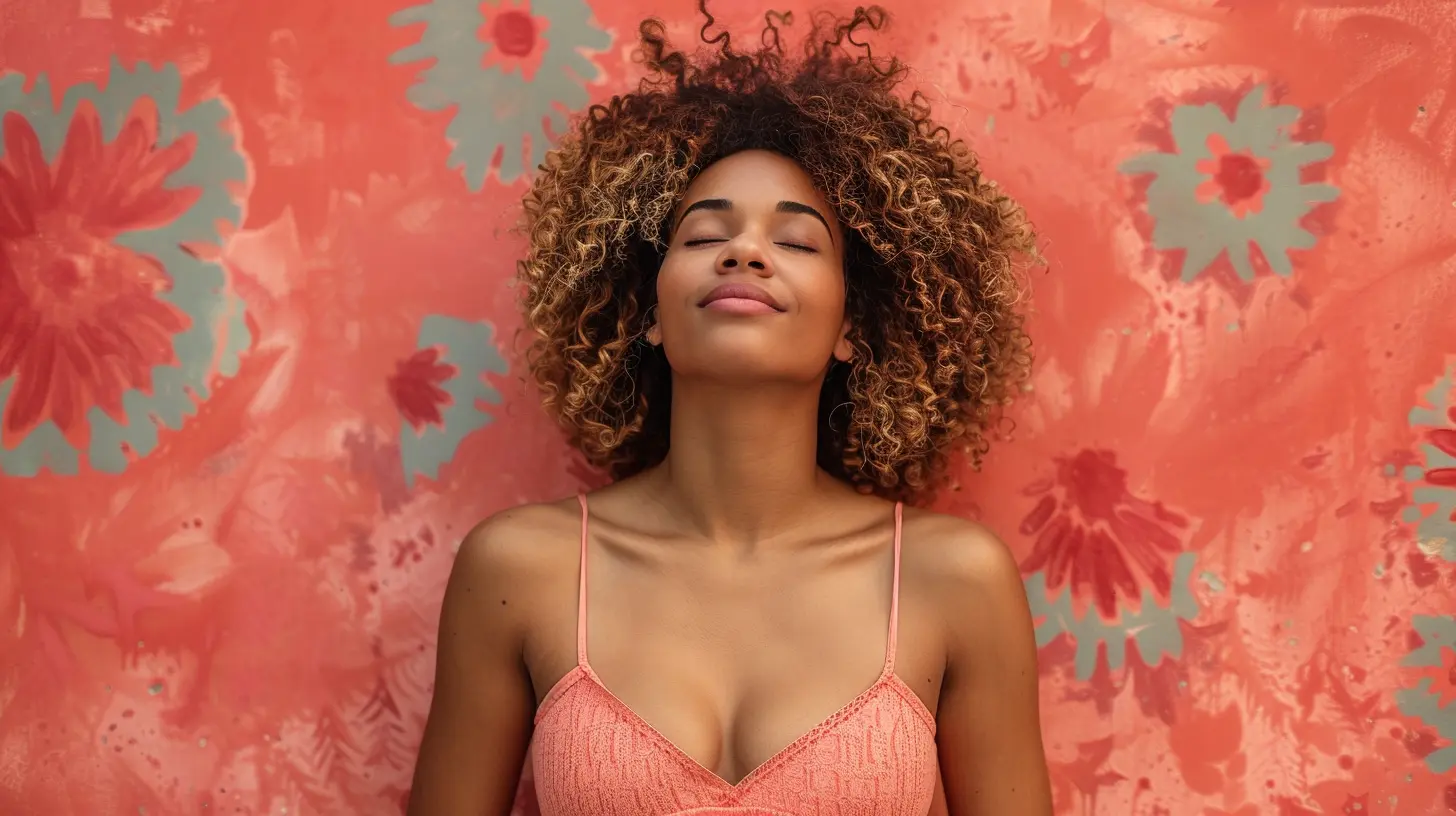
Why It’s More Important Now Than Ever Before
So, why do we need body positivity right now, in 2024? Oh, where do we even begin?1. We’re Drowning in Unrealistic Standards
Social media has given us filters, Facetune, and influencers who rarely post an unedited photo. Let’s be honest—if you scroll through your feed for five minutes, you're bound to feel a bit "less than."Even those so-called “candid” or “natural” shots? Many of them are carefully posed and edited. It's smoke and mirrors. And it messes with our heads. We start believing that if we just tried a little harder, we could look like that too. But real bodies have texture, stretch marks, rolls, scars, and cellulite.
And guess what? That’s normal.
2. Mental Health Matters
Our relationship with our body massively affects our mental well-being. Poor body image is one of the leading causes of anxiety, depression, and eating disorders—especially among teens and young adults.Think about it: If you’re constantly at war with your reflection, how can you feel confident, happy, or at peace?
Body positivity helps break that cycle. It shifts the focus from what our bodies look like to what they do for us—walk, laugh, hug, dance, breathe. That’s worth celebrating.
3. More Inclusivity = Better Representation
Let’s talk about representation for a second. For decades, mainstream media has pushed one kind of beauty—usually thin, able-bodied, white, and airbrushed.But that’s changing. Slowly but surely, brands and media outlets are starting to include more diverse body types, skin tones, abilities, and gender identities in their campaigns. That visibility is powerful because when you see someone who looks like you being celebrated, it sends a message: “You belong. You are enough.”
Body positivity is the engine behind that change. It’s demanding that everyone—not just a select few—get a seat at the table.
4. Kids Are Watching Us
Children pick up on how we talk about our bodies. If they see us criticizing our appearance, dieting constantly, or avoiding mirrors, they learn to do the same. They learn that their value lies in their looks, not their hearts or brains.Body positivity helps us rewrite that script. It teaches kids to appreciate their bodies for what they can do, not just how they appear. And frankly, they deserve better.
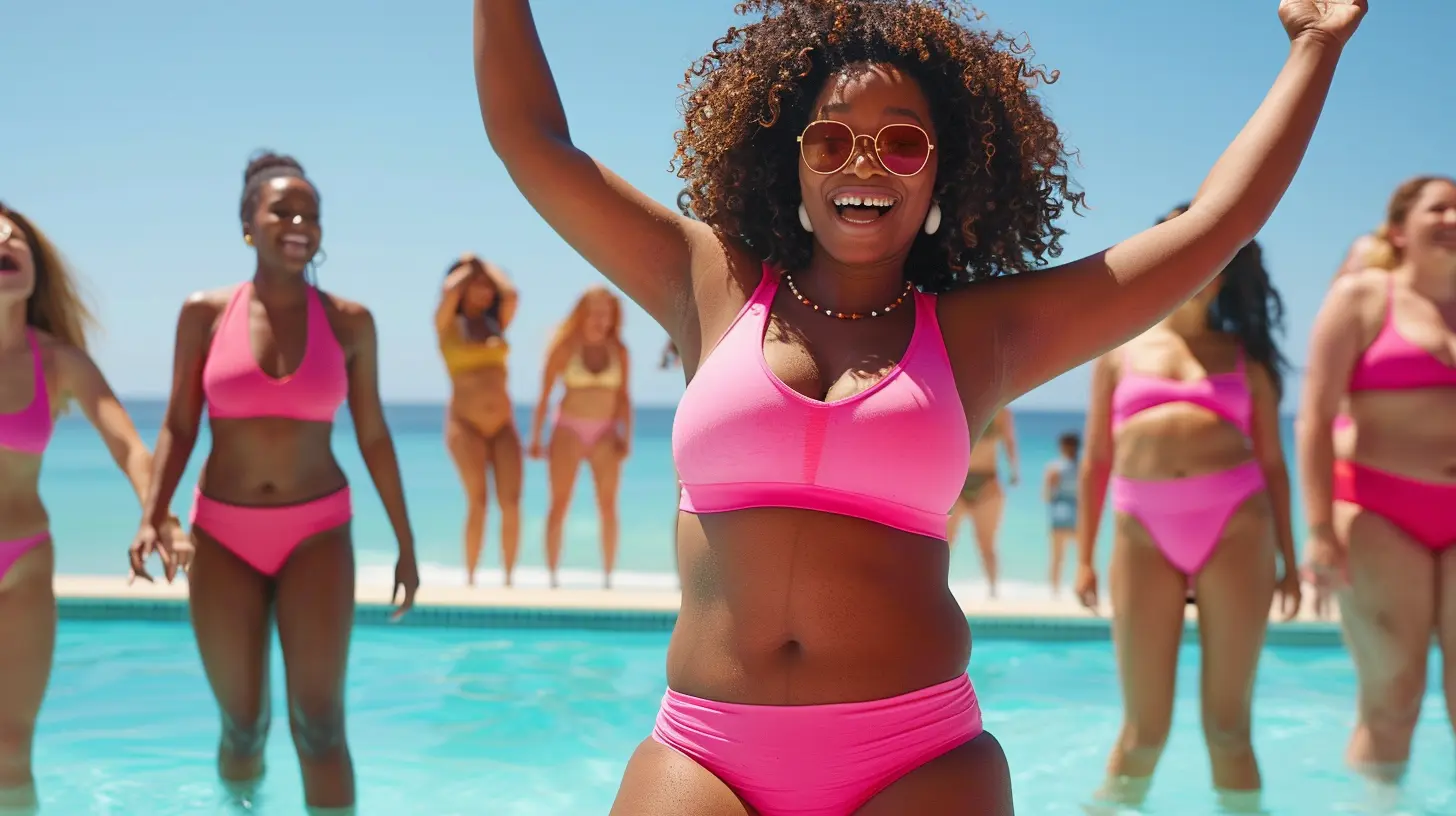
Common Misconceptions About Body Positivity
Let’s clear up some myths, shall we?"It Promotes Unhealthy Lifestyles"
Nope. That’s not true.Body positivity isn't about throwing healthy habits out the window. It's about separating your worth from your weight. You can value your health and still love yourself as you are. In fact, studies show that people who practice body acceptance are more likely to engage in sustainable, healthy behaviors—like intuitive eating and joyful movement—because they're not driven by shame.
"It's Just for Women"
Wrong again.While women have been at the forefront of this movement (because let’s face it, we’ve had beauty standards shoved down our throats forever), body positivity is for everyone. Men, non-binary folks, transgender individuals—anyone who’s ever felt like they don’t fit the mold is included.
"It's Just About Weight"
Weight is a big part of the conversation, but it's not the only part. Body positivity also includes skin conditions like acne or vitiligo, disabilities, chronic illnesses, scars, body hair, aging—anything that makes someone feel “othered” by society’s beauty norms.How You Can Practice Body Positivity in Daily Life
Okay, so how do you actually bring this into your everyday life? Here are a few real, actionable tips:1. Curate Your Feed
Your social media should uplift you, not make you feel like garbage. Follow accounts that showcase body diversity, self-love, and authenticity. Hit that unfollow button on anyone who makes you feel like you're not enough.2. Talk to Yourself Like You Would a Friend
Seriously, would you ever tell your best friend she's disgusting for having stretch marks? No? So why say it to yourself?Practice self-compassion. Your body deserves kindness.
3. Wear What Makes You Feel Good
Stop waiting to “lose five pounds” to wear the damn dress. Life’s short. Your worth isn’t tied to your jean size.4. Move Your Body Because You Enjoy It
Dance, swim, hike, do yoga—whatever makes you feel alive. Don't move to punish your body. Move to celebrate it.5. Educate Yourself and Others
Read books, watch documentaries, and support voices from marginalized communities. Share what you’ve learned. Be part of the change.
The Role of Brands and Media
We can’t talk body positivity without mentioning the big players: brands and media. They have a massive platform, and their choices matter.Consumers are demanding more representation and authenticity. And guess what? Brands are finally listening. We're seeing more campaigns featuring people of all shapes, sizes, and backgrounds. But there’s still work to do.
It’s not enough to include a plus-sized model once a year and pat themselves on the back. Real change means ongoing commitment to representation, transparency (unretouched photos, anyone?), and listening to the communities they claim to support.
Body Positivity vs Body Neutrality
You may have also heard of body neutrality. It’s sort of like body positivity’s chill cousin.While body positivity encourages loving your body, body neutrality is about making peace with it. You don’t have to love every wrinkle or stretch mark, but you can respect your body and treat it with kindness.
And sometimes, that’s more achievable than full-on love—especially on the tough days.
Both approaches have value. What matters is choosing the mindset that serves your mental and emotional well-being.
Final Thoughts: This Movement Isn’t Perfect—and That’s Okay
Like any social movement, body positivity isn’t without flaws. It has its critics, and yes, sometimes it gets co-opted by brands looking to make a quick buck.But at its heart, it’s about something real and powerful: creating a world where no one feels ashamed of their body. Where we can all show up as we are, be seen, and be enough.
So next time you catch yourself criticizing your reflection, pause. Take a breath. And remember: Your body isn’t the problem—our culture’s obsession with perfection is.
Be gentle with yourself. Speak kindly. And know this—your worth is not measured in inches, pounds, or numbers. It never was.
all images in this post were generated using AI tools
Category:
Body PositivityAuthor:
Eileen Wood
Discussion
rate this article
2 comments
Tabitha Huffman
The Body Positivity Movement challenges societal beauty standards, promoting self-love and acceptance. In today's climate of relentless comparison, fostering body positivity is essential for mental health and overall well-being.
April 22, 2026 at 4:39 PM
Eileen Wood
Absolutely. In a world filled with unrealistic expectations, embracing body positivity is crucial for individual happiness and mental health. It's a vital step toward a more inclusive society.
Yasmeen Good
Embracing body positivity is essential for fostering self-love and acceptance in a world rife with unrealistic standards. Now, more than ever, we must champion diverse bodies, challenge societal norms, and empower each other to honor our uniqueness. Together, let’s rewrite the narrative of beauty!
April 15, 2026 at 4:45 PM
Eileen Wood
Thank you for your insightful comment! I completely agree that embracing body positivity is crucial in challenging unrealistic standards and promoting self-acceptance. Together, we can celebrate our diversity and redefine beauty.