Foods That Support a Healthy Heart: A Complete Guide
1 May 2026
Let’s be honest—your heart puts in a lot of work every day. It beats over 100,000 times, pumps blood to every corner of your body, and keeps you energized and alive. So, taking care of it? Yeah, kind of important.
But here’s the good news: you don’t need a million-dollar fitness routine or every supplement under the sun to boost your heart health. It starts right in your kitchen. Yep—what you eat can either help your heart hum along happily or weigh it down. Let’s talk about the foods that truly support a healthy heart, without all the fluff and confusion.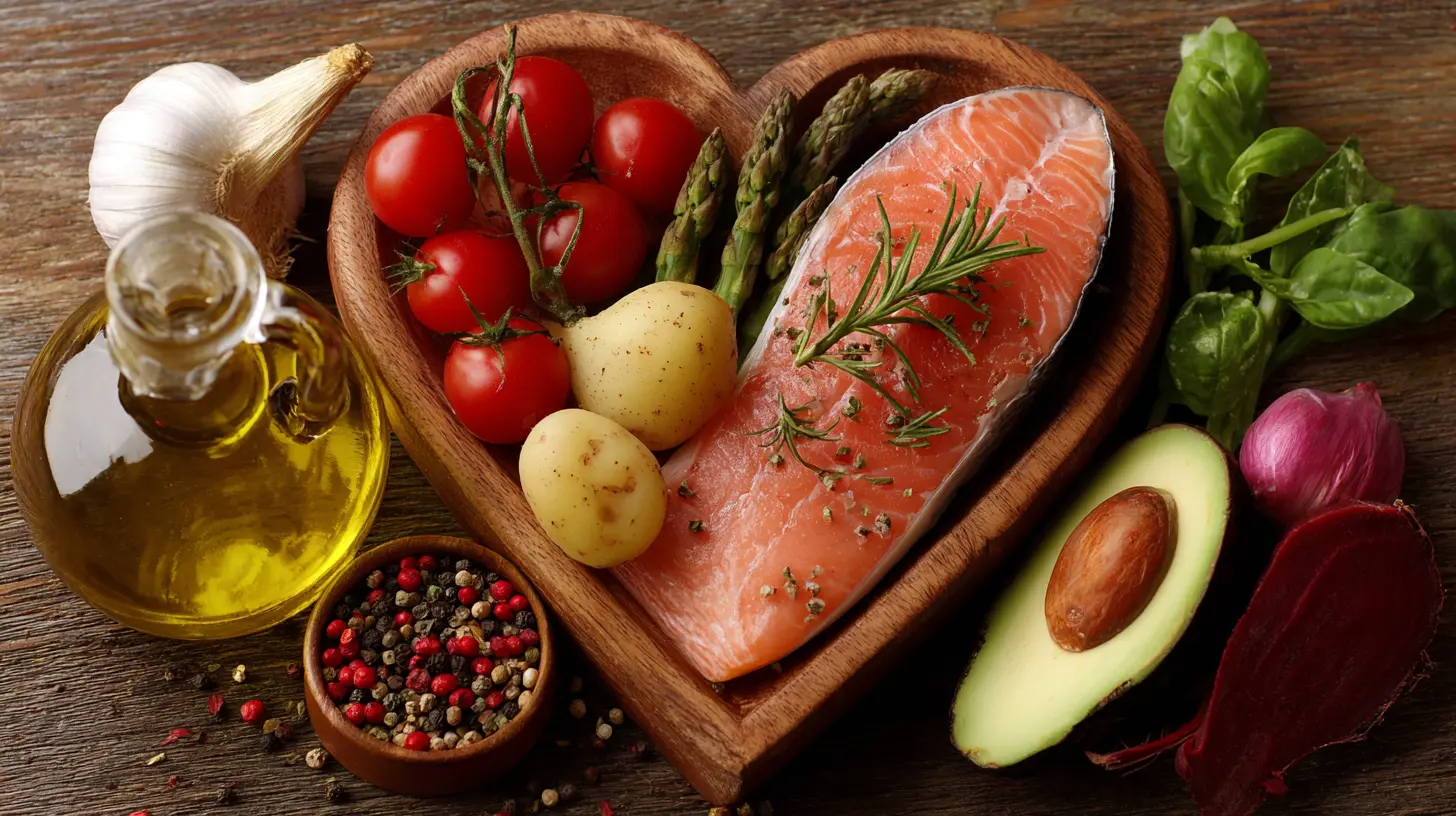
Why Heart Health Should Be at the Top of Your Priority List
We often don’t think about our heart until something goes wrong. But heart disease is still the leading cause of death worldwide. The kicker? A lot of it is preventable. Lifestyles make a huge difference, and diet is the cornerstone of that lifestyle.Think of your heart like the engine of your car. If you fuel it with junk, it’s not going to last long. But feed it the good stuff? You’re setting yourself up for a smooth, strong ride.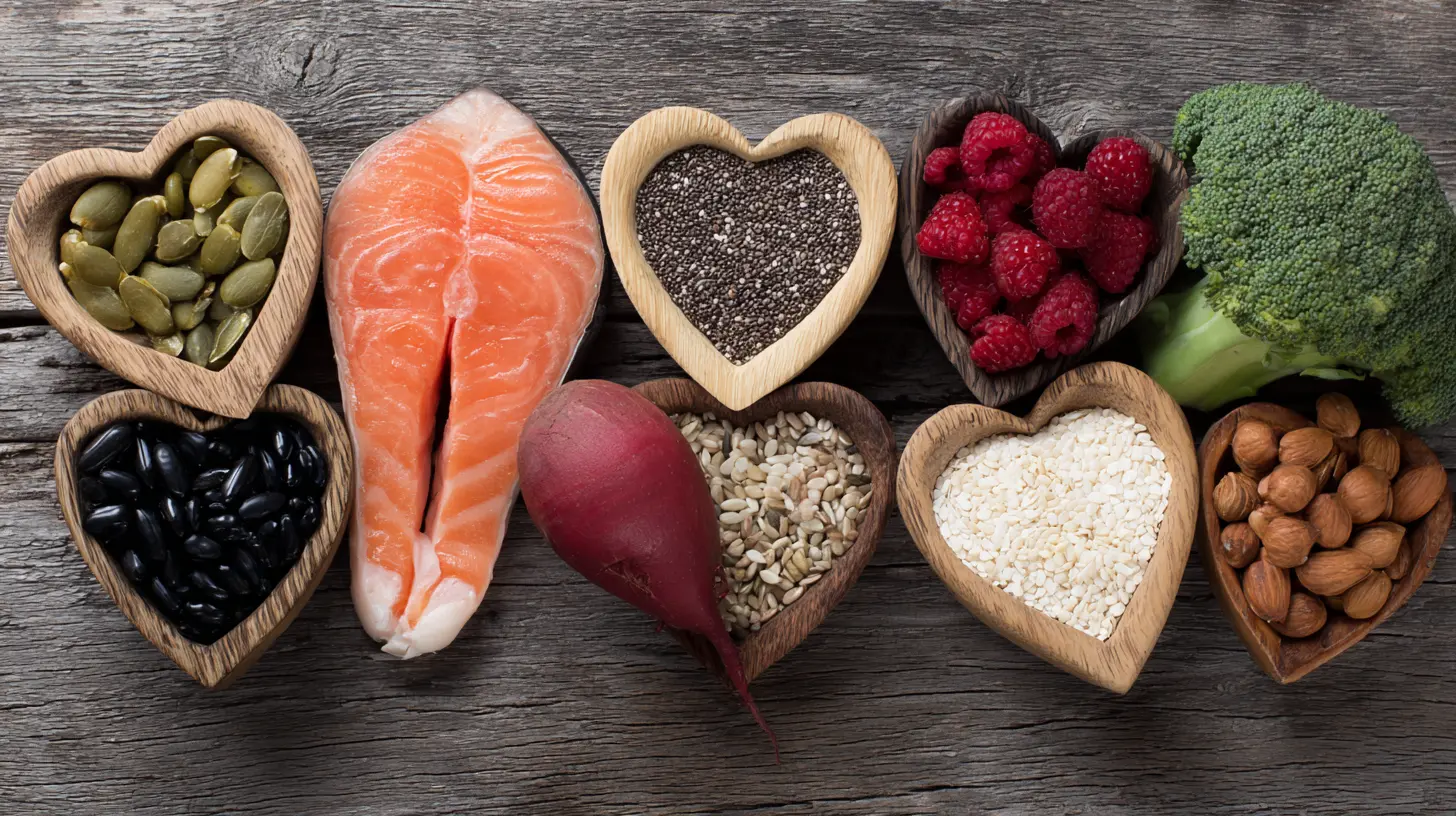
What Makes a Food “Heart-Healthy”?
Before diving into specific foods, let’s break down what makes something heart-friendly:- Low in saturated and trans fats
- High in fiber
- Rich in antioxidants
- Packed with vitamins and minerals (like magnesium and potassium)
- Anti-inflammatory properties
- Supports healthy cholesterol and blood pressure levels
Now you’ve got the basics, let’s get into the real stars of the show.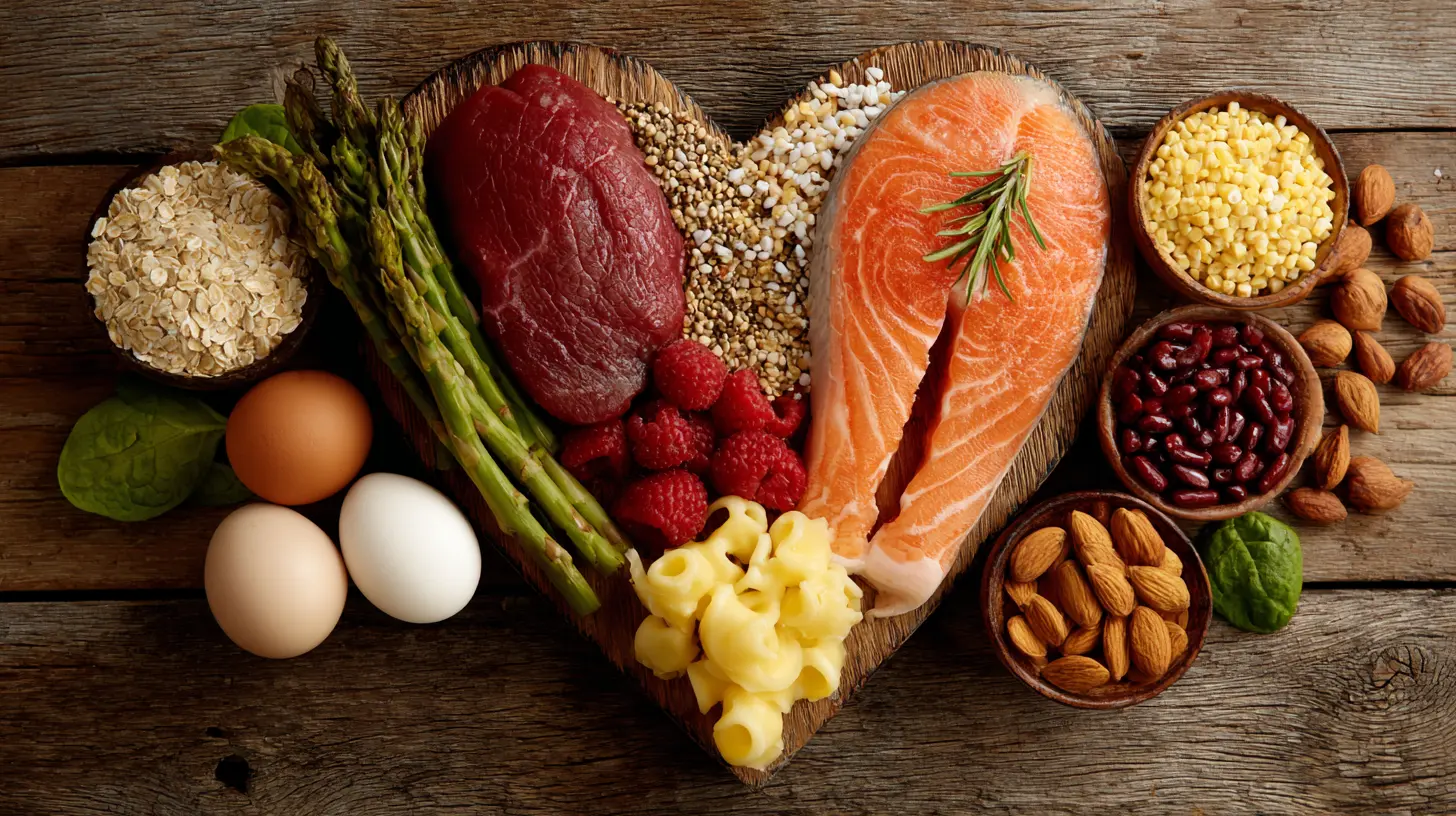
1. Fatty Fish – Omega-3 Superstars
Alright, let’s start with the heavy-hitters. Fatty fish like salmon, sardines, mackerel, and trout are loaded with omega-3 fatty acids—essential fats your body doesn’t produce on its own.Why it’s great:
- Reduces inflammation
- Lowers triglycerides
- Helps regulate heartbeat and reduce blood clot risk
Pro tip: Aim for two servings a week. Not a fish fan? Try omega-3 enriched eggs or a quality fish oil supplement.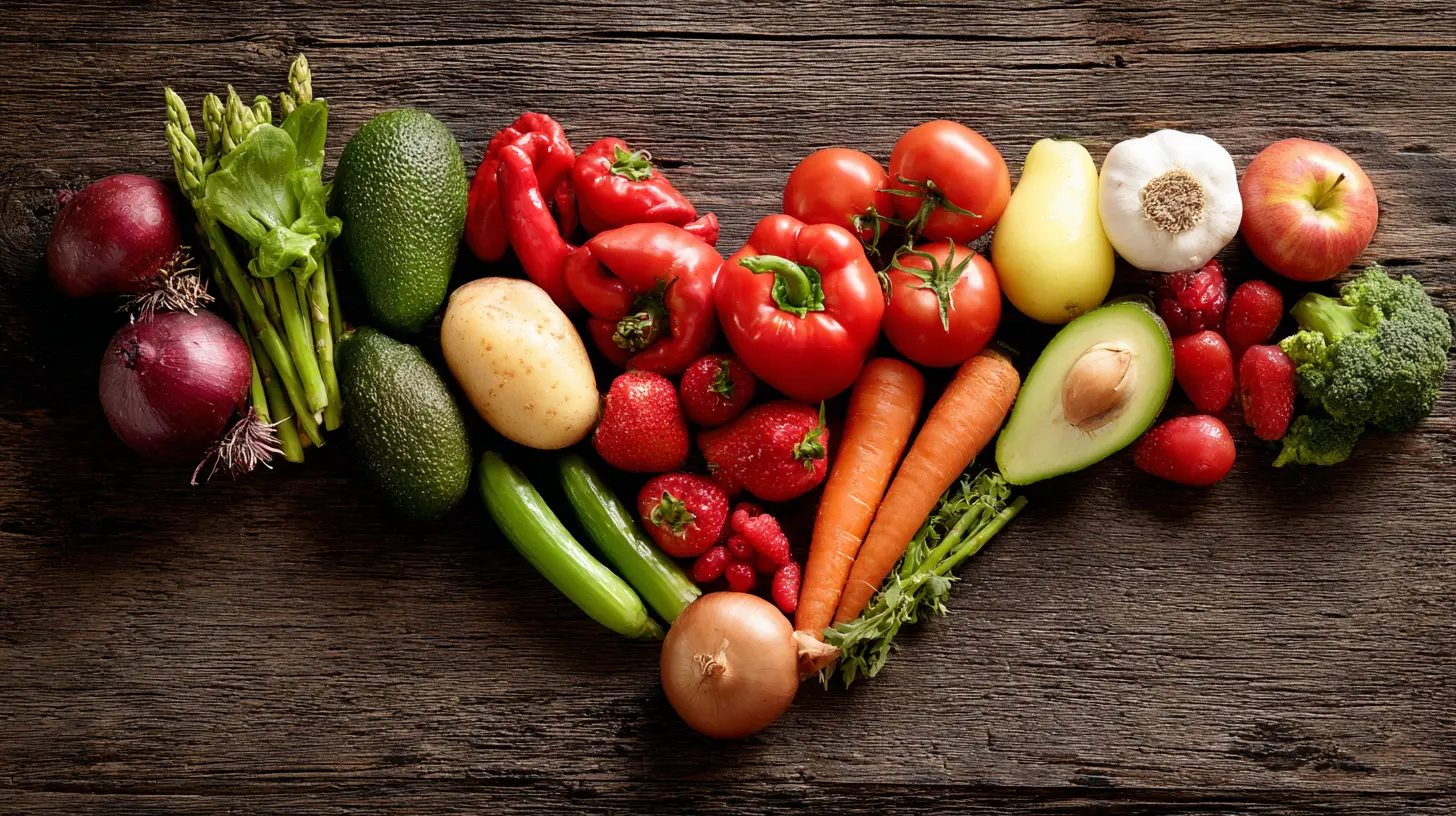
2. Leafy Greens – The Heart’s Best Friend
Spinach, kale, Swiss chard, and collard greens are full of vitamins like K, which helps your arteries stay flexible and healthy. They’re also rich in nitrates—natural compounds that help lower blood pressure and improve blood vessel function.Bonus: They’re low in calories, high in fiber, and super versatile. Toss ‘em in smoothies or sauté them with olive oil and garlic for a quick side dish.
3. Berries – Antioxidant Powerhouses
Strawberries, blueberries, raspberries, and blackberries aren’t just sweet treats—they’re armor for your heart. Packed with antioxidants called anthocyanins, berries help reduce inflammation and oxidative stress.Regular intake can:
- Boost “good” HDL cholesterol
- Lower blood pressure
- Improve blood vessel function
Add them to oatmeal, yogurt, or just snack on a bowl. The heart (and your taste buds) will thank you.
4. Whole Grains – Fiber for the Win
Whole grains like oats, brown rice, quinoa, barley, and whole wheat are a serious upgrade from their refined cousins. They’re high in fiber, which helps lower LDL (“bad”) cholesterol and regulates blood sugar levels.Two words: Heart fuel. Just make sure you're choosing 100% whole grain, not the “multi-grain” imposters that sneak in.
5. Nuts and Seeds – Small But Mighty
A handful of almonds, walnuts, chia seeds, or flaxseeds—they don't look like much, but they pack a punch.What they bring to the table:
- Healthy fats
- Plant-based protein
- Fiber
- Magnesium
Eating just a small amount daily is linked to reduced risk of heart disease. Plus, they're crazy convenient. Toss in salads, yogurt, or eat them straight out of the bag.
6. Avocados – Nature’s Creamy Butter
Avocados are rich in monounsaturated fats, potassium, and fiber—all key players in lowering blood pressure and cholesterol.Bonus tip: Swap mayo or butter with avocado on toast or in sandwiches. Creamy, dreamy, and heart-happy.
7. Beans and Legumes – Affordable Heart Helpers
Black beans, lentils, chickpeas, and kidney beans are loaded with fiber and protein, minus the saturated fat.Perks of going bean-crazy:
- Lowers LDL cholesterol
- Helps control blood sugar
- Keeps you full longer (hello, healthy weight!)
Budget-friendly + long shelf life = total win.
8. Dark Chocolate – Yes, You Heard That Right
Not all chocolate is bad news. Dark chocolate (70% cocoa or higher) is loaded with antioxidants like flavonoids, which support healthy blood vessels and lower blood pressure.Key tip: Don’t overdo it. A small square after dinner does the trick. Look for low sugar options.
9. Olive Oil – Liquid Gold for the Heart
The cornerstone of the Mediterranean diet, olive oil is rich in monounsaturated fats and antioxidants.Why it’s awesome:
- Reduces inflammation
- Improves cholesterol levels
- Supports arterial health
Use it for salad dressings, drizzle over veggies or dip with whole grain bread.
10. Tomatoes – Packed with Lycopene
Tomatoes are more than a spaghetti base—they're loaded with lycopene, a powerful antioxidant linked to lower LDL cholesterol and less plaque in the arteries.Cooked tomatoes (like in sauces or soups) release even more lycopene. Pizza night just got a little healthier—if you skip the greasy toppings.
11. Garlic – Small Clove, Big Benefits
Garlic’s been used for centuries for its medicinal properties. It contains allicin, which can help reduce blood pressure and cholesterol.Tip: For best results, let chopped garlic sit for about 5–10 minutes before cooking. This activates the good stuff.
12. Green Tea – Sip Your Way to a Healthier Heart
Green tea is full of polyphenols and catechins, compounds that act like tiny superheroes fighting off inflammation and oxidative stress.Drinking 1–3 cups daily can:
- Lower blood pressure
- Improve cholesterol levels
- Boost metabolism
Warm or iced, it's a heart-happy habit.
13. Beets – Naturally Sweet and Nutrient-Rich
Beets are rich in nitrates, which get converted into nitric oxide—a compound that relaxes and opens up your blood vessels.Good stuff happens:
- Blood pressure lowers
- Blood flow improves
- Exercise performance gets a boost
Try roasting them, blending in smoothies, or sipping beet juice before your workout.
14. Apples – An Easy Everyday Fix
“An apple a day…” You know how the saying goes. Apples are rich in fiber and polyphenols, which support lower blood pressure and cholesterol.Crunchy, sweet, and ridiculously portable. No excuses.
Simple Tips to Eat More Heart-Healthy Foods
Okay, now you know what to eat. But how do you make it stick?- Start slow: Introduce one or two new foods a week.
- Swap smart: Choose olive oil over butter, whole grains over white, and fish over red meat.
- Plan ahead: Batch-cook meals with beans, greens, and whole grains.
- Flavor it up: Use herbs, spices, and garlic instead of salt.
- Snack smart: Ditch the chips—go for nuts, fruit, or hummus and veggies.
The Heart of the Matter
Here’s the deal: your heart doesn’t need you to be perfect. It just needs you to be a little more mindful. Treat it like you would a best friend—feed it well, support it, and don’t take it for granted.Eating heart-healthy isn’t about deprivation. It’s about delicious, nourishing foods that make you feel good from the inside out. So the next time you’re staring into your fridge or scrolling through takeout menus, give your heart a little extra love.
You’ve got this.
all images in this post were generated using AI tools
Category:
Heart HealthAuthor:

Eileen Wood
Discussion
rate this article
2 comments
Faenor Monroe
This guide is a wonderful resource for anyone looking to improve their heart health. Simple changes in diet can make a significant difference. Thank you for sharing!
August 25, 2026 at 4:09 PM
Eileen Wood
Thank you for your kind words! I'm glad you found the guide helpful. Small diet changes can really have a big impact on heart health.
Jenna McKinstry
Unlock the secrets to a heart-healthy diet...
May 15, 2026 at 3:02 PM
Eileen Wood
Thanks for your interest! Check out the article for practical tips and tasty options to boost heart health.