Plant-Based Protein Powders: A Complete Guide to Choosing the Right One
31 August 2026
In recent years, plant-based protein powders have taken the health and fitness world by storm. Whether you're a dedicated vegan, lactose intolerant, or just looking for an alternative to whey, plant-based protein can be a game-changer. But with so many options available, how do you pick the right one?
Don't worry—I’ve got you covered. In this guide, we’ll break down everything you need to know about plant-based protein powders so you can make an informed choice.
Why Choose Plant-Based Protein Powder?
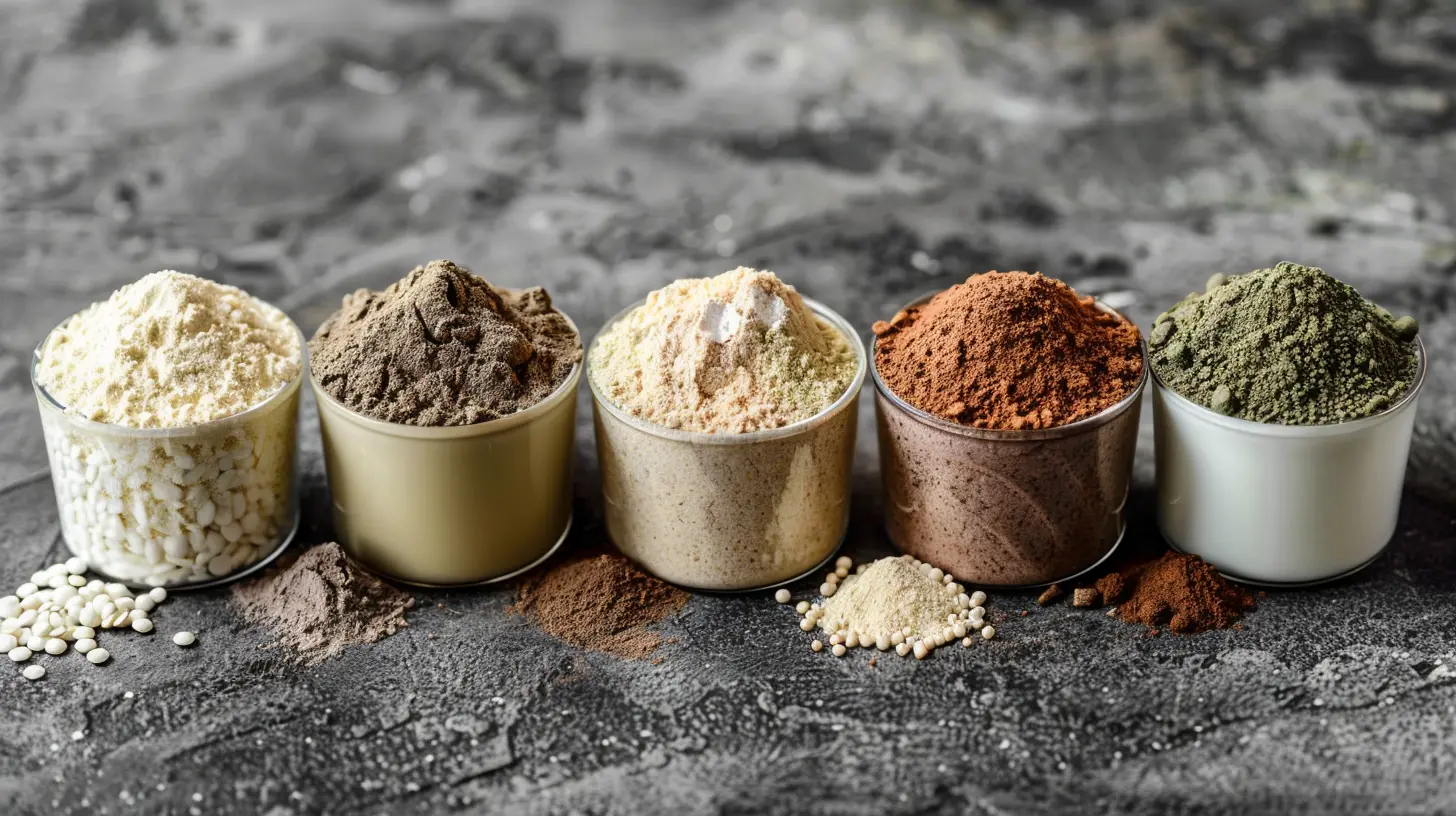
Protein is essential for muscle growth, recovery, and overall health. While animal-based proteins like whey and casein have long dominated the supplement industry, plant-based options are now proving to be just as effective.Here are some reasons to consider plant-based protein:
- Easier on Digestion – Many people struggle with dairy-based proteins due to lactose intolerance or sensitivity. Plant-based proteins are gentler on the gut.
- Rich in Nutrients – These powders often contain fiber, vitamins, and antioxidants that animal-based options lack.
- Sustainable & Ethical – Plant-based proteins have a lower environmental impact than animal-derived ones, making them a more eco-friendly option.
- Allergen-Free Options – Common allergens like dairy, soy, and gluten can be avoided with the right plant protein.
Types of Plant-Based Protein Powders
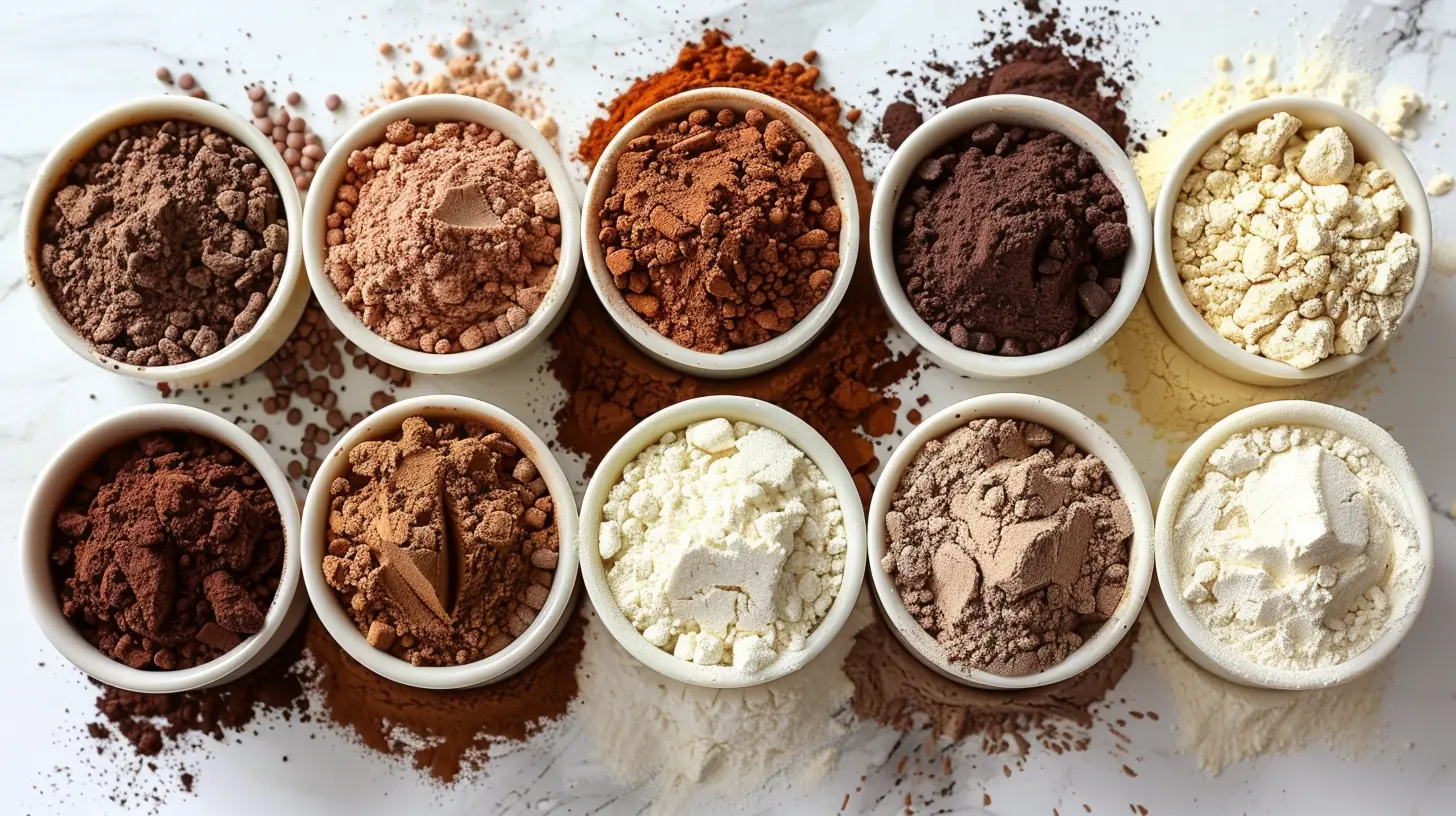
Not all plant proteins are created equal. Here’s a breakdown of the most common types and what they offer.1. Pea Protein
Pea protein, derived from yellow split peas, is one of the most popular plant-based protein sources. It’s rich in essential amino acids, especially branched-chain amino acids (BCAAs), which help with muscle recovery.Pros:
✅ High in protein (around 20g per serving)
✅ Easy to digest
✅ Great for muscle building
Cons:
❌ Can have a slightly gritty texture
2. Brown Rice Protein
Brown rice protein is another great plant-based option. While it's not a complete protein (lacking lysine), it pairs well with other plant sources like pea protein to cover all amino acids.Pros:
✅ Hypoallergenic (great for sensitive stomachs)
✅ Supports muscle recovery
Cons:
❌ Lower in lysine, so best when combined with other proteins
3. Hemp Protein
Hemp protein is made from ground hemp seeds. It's packed with omega-3 fatty acids, fiber, and minerals. While it’s not as high in protein as other options, it offers many additional health benefits.Pros:
✅ Contains healthy fats & fiber
✅ Rich in antioxidants
Cons:
❌ Lower protein content per serving
4. Soy Protein
Soy protein is one of the most well-researched plant proteins. It contains all nine essential amino acids, making it a complete protein. However, concerns over soy’s effects on hormones have led some to seek other alternatives.Pros:
✅ High in protein
✅ Complete amino acid profile
Cons:
❌ Some people may have soy allergies
❌ Potential concerns over phytoestrogens
5. Pumpkin Seed & Sunflower Protein
Pumpkin seed and sunflower protein powders have been gaining popularity. While they often need to be blended with other proteins to be complete, they provide excellent minerals like magnesium and zinc.Pros:
✅ Good for immune health
✅ High in minerals
Cons:
❌ Not a complete protein on its own
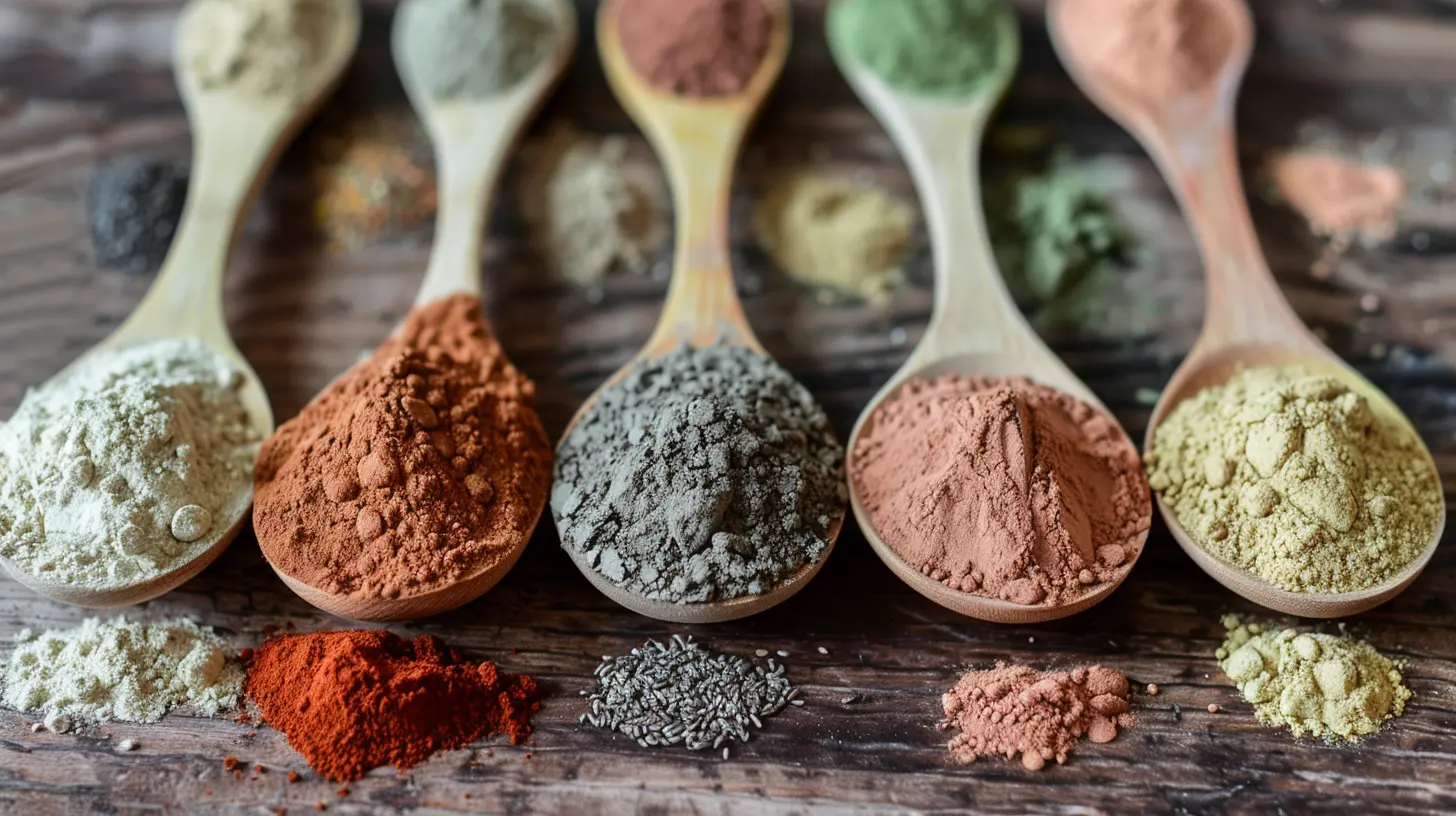
What to Look for When Choosing a Plant-Based Protein Powder
Picking the right plant protein isn’t just about grabbing the first tub you see. Keep these factors in mind:1. Protein Content
Look at the label. How much protein are you getting per scoop? Most plant-based options provide between 15-25 grams per serving.2. Amino Acid Profile
Some plant proteins (like pea and soy) are complete, while others need to be combined to cover all amino acids. If you're serious about muscle building, check if the protein covers all essential amino acids.3. Ingredient Quality
Avoid artificial sweeteners, fillers, and unnecessary additives. The cleaner the ingredient list, the better. Organic, non-GMO options are always a plus.4. Digestibility
Some plant proteins can be harder to digest than others. If you have digestive issues, go for easily digestible options like pea or hemp protein.5. Taste & Texture
Let’s be real—if it tastes terrible, you won’t drink it. Some plant-based proteins can be chalky or gritty. Reading reviews or trying single-serving packets first can help you find one that suits your taste.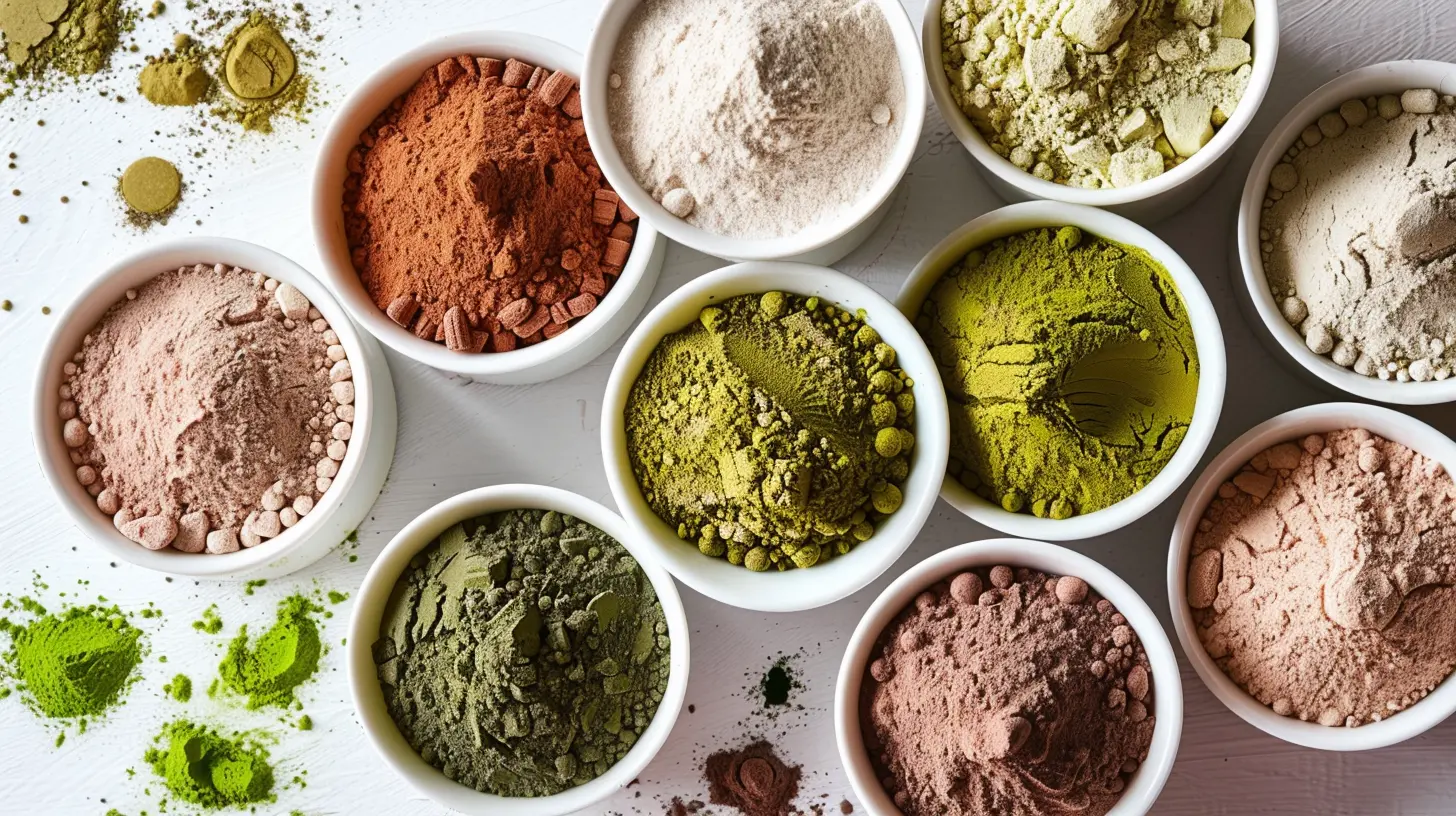
Best Ways to Use Plant-Based Protein Powder
So, once you’ve picked your ideal protein powder, how do you use it?- Smoothies: Blend it with fruits, greens, and nut milk for a delicious post-workout shake.
- Oatmeal Boost: Stir a scoop into your morning oats for added protein.
- Baking: Use it in pancakes, muffins, or protein bars for a nutritious snack.
- Mix with Water or Milk: Sometimes, the simplest way is just to mix it with your favorite plant-based milk.
Potential Downsides & How to Avoid Them
While plant-based protein powders are fantastic, they’re not perfect. Here are a few potential downsides:- Incomplete Proteins – Some options lack one or more essential amino acids. Solution? Choose a blend that combines different protein sources.
- Taste & Texture Issues – Some powders have a chalky or earthy taste. Solution? Try different brands or mix them into smoothies.
- Digestive Issues – Some people may experience bloating, depending on the protein source. Solution? Look for powders with added digestive enzymes.
The Bottom Line
Plant-based protein powders are an excellent choice whether you're looking to build muscle, support recovery, or simply boost your daily protein intake. With so many options available, choosing the right one comes down to your personal needs and preferences.Want something high in protein and muscle-building? Go for pea protein. Need something easy on digestion? Rice or hemp protein might be the way to go. Looking for a well-rounded blend? A multi-source protein powder is your best bet.
No matter which one you choose, you'll be fueling your body in a way that’s both nutritious and sustainable. So, mix that smoothie, power up your workouts, and enjoy the benefits of plant-based protein!
all images in this post were generated using AI tools
Category:
SupplementsAuthor:

Eileen Wood
Discussion
rate this article
1 comments
Mistral McPhail
Finding the right plant-based protein powder can be overwhelming. Trust your instincts and prioritize what feels best for you.
September 5, 2026 at 3:04 AM
Eileen Wood
Absolutely, trusting your instincts is key. Every body is different, so focus on what works for you.