Turning Setbacks into Growth Opportunities: Emotional Resilience
25 June 2026
We’ve all been there.
You hit a wall. Things fall apart. Life throws you a curveball so fierce, you hardly know how to get up. It could be a job loss, a painful breakup, a failed business, a health issue, or just feeling like you’re stuck in a loop with no way out. It stings. It’s frustrating. And let’s be honest — it’s downright overwhelming.
But what if those very setbacks — that chaos, disappointment, and pain — were actually the keys to your growth? What if you could turn them into stepping stones instead of stumbling blocks?
Welcome to the world of emotional resilience. Let’s talk about how those tough moments can actually shape you into a stronger, wiser, and even happier version of yourself.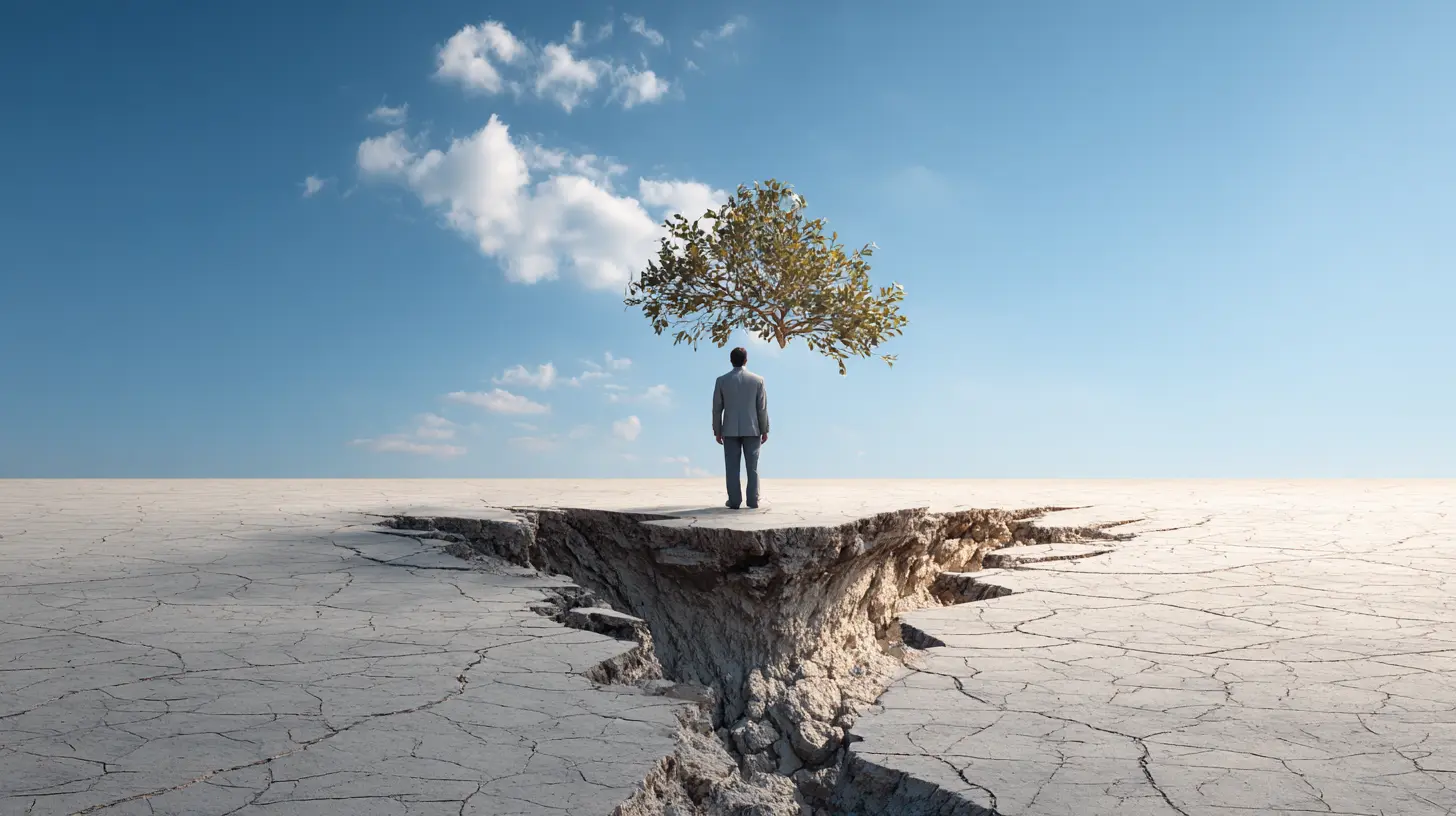
What Is Emotional Resilience, Really?
Let’s clear this up right away — emotional resilience doesn’t mean you're unshakable or that you never feel pain. Far from it. Resilient people still cry, feel defeated, and get overwhelmed.The difference? They bounce back.
They feel the fall, but they don’t stay down. Emotional resilience is your inner rubber band — the ability to stretch, bend, and even crack a little… but eventually return to your shape. It’s the emotional muscle that helps you handle stress, navigate change, and keep moving, even when life gets real messy.
Why Setbacks Sting So Much (And Why That’s Okay)
Let’s not sugarcoat it — setbacks suck. They're humbling, heart-breaking, and sometimes feel like outright failures. But here’s the kicker: they’re also necessary.Yep, you heard that right.
Think about it: every meaningful story of growth or success you’ve ever heard probably started with some kind of crash-and-burn moment. Whether it’s Steve Jobs getting fired from Apple or someone you know getting cheated on and then going on to build an epic life — the common thread is the bounce-back.
It’s in those fragile, humbling moments that our true character starts to take form. Growth doesn't usually happen when everything's smooth sailing. It happens in chaos, trial, and rebuilding.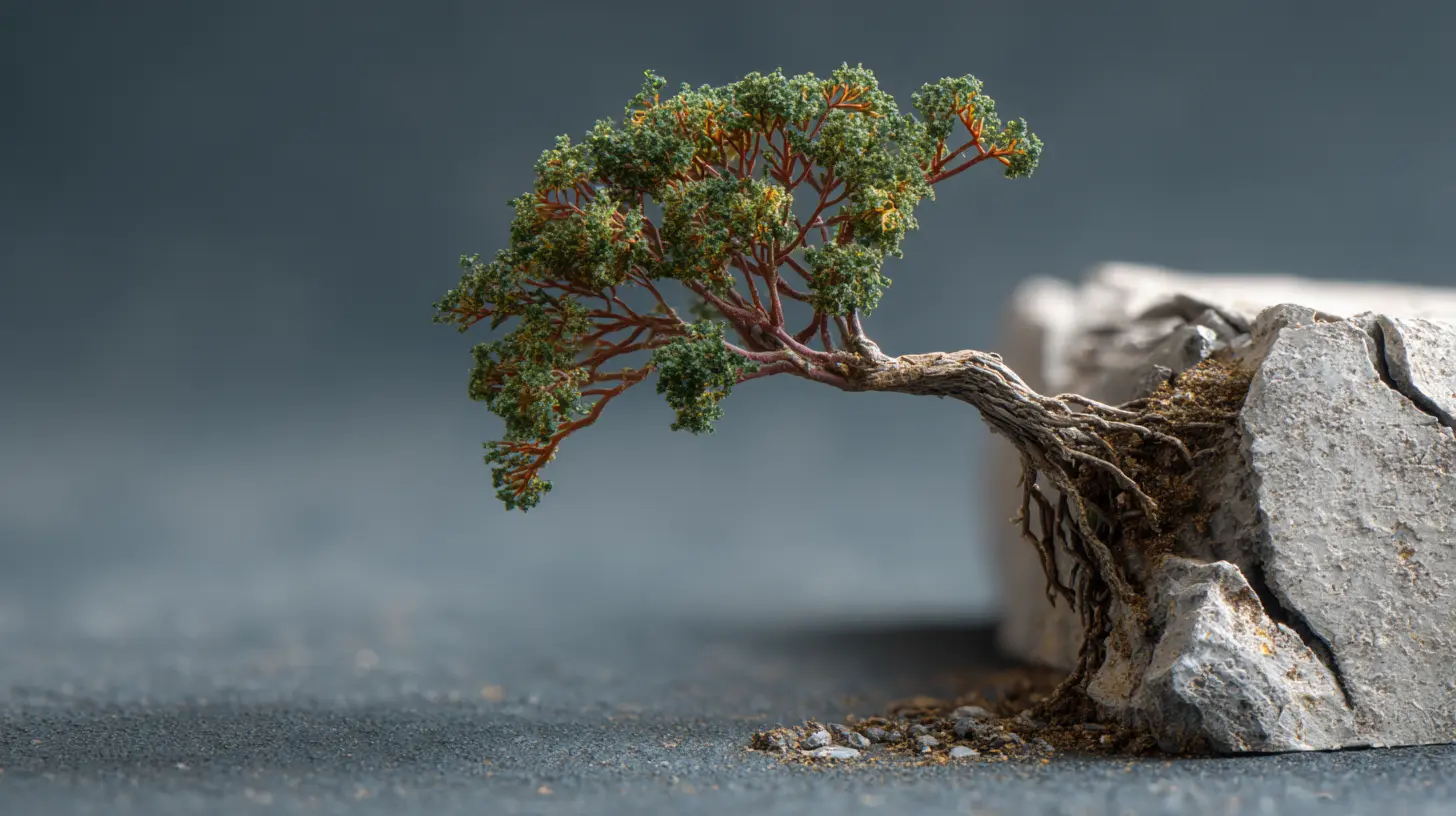
Setbacks as Teachers: What Are Yours Trying to Tell You?
Every setback has a lesson — a little nugget of wisdom hiding underneath the pain.The problem is, most of us are so focused on how we feel (angry, hurt, frustrated), that we don’t pause to ask, “What is this trying to teach me?”
Maybe the tough relationship taught you boundaries.
Maybe the job loss reminded you that your identity isn’t tied to a paycheck.
Maybe the failure was the world’s way of saying, “You’re meant for something else.”
It’s not easy to grab those lessons in the thick of it. But when you start asking, “What can I take away from this?”, you begin to move from being a victim to becoming the author of your own story.
The Science of Resilience: You Can Build It
Here’s the good news: resilience isn’t some magical gift that a lucky few were born with. It’s a skill. And like any muscle, the more you work it, the stronger it gets.In fact, psychologists have studied resilience for decades. They’ve found that people who bounce back from hardship often have similar habits:
- Positive relationships (support systems matter!)
- A sense of purpose
- Problem-solving skills
- Optimism (even if it’s cautious optimism)
- The ability to regulate emotions
The best part? You can learn these skills at any point in your life. Even right now.
Emotional Resilience in Action: Real-Life Examples
Let’s talk real life. Forget all the inspirational quotes for a sec — what does emotional resilience look like when the rubber meets the road?1. Bouncing Back After Job Loss
You built a career for 10 years, and now it’s gone. You feel worthless. But instead of spiraling, you start updating your resume. You take a few weeks to regroup. You apply for jobs outside your comfort zone. A few months later, you're in a new role — one that challenges you and aligns more with your heart.That’s resilience.
2. Healing After a Breakup
You thought they were "the one." The relationship ends. You're devastated. But rather than begging them to come back, you start therapy. You journal. You reconnect with friends. You learn about your own patterns. A year later, you're not just over them — you're better because of it.That’s growth.
3. Facing a Health Crisis
A diagnosis changes everything. Your plans get tossed out the window. But instead of giving up, you learn everything you can about treatment. You focus on what’s in your control. You become your own advocate. You start appreciating the things you once overlooked.That’s strength.
Every person reading this has a story like one of these. Probably more than one. That’s proof that you’re already more resilient than you think.
The 5 Pillars of Building Emotional Resilience
Let’s break it down. How do you actually build this emotional resilience muscle? Here are five strategies you can start working on today.1. Feel Your Feelings (Don’t Bottle Them Up)
Suppressing your emotions is a ticking time bomb. Resilience doesn’t mean ignoring the pain — it means acknowledging it, sitting with it, and then letting it go.Cry it out. Talk to someone. Journal. Let those emotions breathe.
Think of it this way: emotions are like waves. If you try to block them, they build pressure. If you ride them, they eventually settle.
2. Shift Your Perspective
This is where the magic happens.Ask yourself: “Is this happening to me or for me?”
That tiny mental shift changes everything. Setbacks don’t define you. Your response to them does. Try to zoom out. Ask, “What will matter in 5 years? Who do I want to become because of this?”
3. Create a Support Network
You don’t have to go through every storm alone. Surround yourself with people who remind you of who you are when you forget.Friends, family, therapists, coaches — lean on them. Not just for solutions, but for comfort, perspective, and sometimes just a good laugh when you need it most.
4. Build Daily Mental Habits
Resilience isn’t just for the big stuff. It’s built in the small, daily decisions.Practice gratitude.
Breathe deeply when you’re stressed.
Pick yourself up faster after the little setbacks.
Speak kindly to yourself.
These small acts create emotional muscle memory. When the big stuff hits, you’ll already be trained to deal.
5. Focus on What You Can Control
When life feels chaotic, control what you can.You can choose what you eat. How much you sleep. Who you spend time with. What you allow into your mind. What boundaries you set.
Control helps you feel grounded. And even a little grounded is better than completely untethered.
What If You’re Not “Naturally” Resilient?
Good news — you don’t have to be.Maybe you tend to panic. Or spiral. Or withdraw. That’s okay. Resilience isn’t about being perfect. It’s about deciding to keep trying.
Start where you are. Give yourself permission to fail — and then try again. Your past doesn't disqualify you. Your strength may not show up in loud, bold ways. It might be the quiet way you keep going.
And that counts. More than you realize.
How Setbacks Shape Us into Who We’re Meant to Be
Think of a seed underground. It’s dark. Cramped. Pressured. From the outside, it looks like nothing is happening. But inside, everything’s changing.Growth always starts in the dark.
Your setbacks might be your soil. The cracking open is part of the becoming. You’re not broken — you’re growing.
And somewhere down the road, you’ll look back at the very thing you thought would break you and say:
“That’s where I found myself.”
Final Thoughts: Resilience Is a Journey, Not a Destination
If there’s one thing I hope you take away from this, it’s that you don’t need to have all the answers right now.Emotional resilience isn’t a checkbox. It’s a process. It’s messy, non-linear, and deeply personal.
You will fall down. You will feel lost. But how beautiful is it that you can rise again? That you can write a new chapter — no matter how many pages came before?
So if you’re in the middle of a setback right now, hold on. Keep going. You’re building something far more valuable than certainty — you’re building strength.
And that might be the most powerful thing of all.
all images in this post were generated using AI tools
Category:
Emotional WellnessAuthor:

Eileen Wood
Discussion
rate this article
1 comments
Courtney Kirkpatrick
This piece really got me thinking. How can we actively reshape our mindset after facing setbacks? I'm curious about practical strategies that can help build emotional resilience in everyday situations. Any insights?
July 3, 2026 at 3:07 AM
Eileen Wood
Thanks for your thoughtful comment! To reshape your mindset after setbacks, try practicing gratitude, reframing negative thoughts, and setting small, achievable goals. Engaging in mindfulness activities like meditation can also help build emotional resilience over time.