Omega-3 Fatty Acids: Why You Need Them in Your Diet
29 May 2026
When was the last time you gave any thought to your fat intake? No, not the kind of fat that clogs your arteries and expands your waistline—we’re talking about the good kind. Omega-3 fatty acids are essential fats your body craves but can’t produce on its own. That means you have to get them from the foods you eat—or through supplements if you’re not getting enough.
But why does your body need omega-3s? And what happens if you don't get enough of these crucial nutrients? Let’s dive into the world of omega-3 fatty acids and find out why they should be a regular part of your diet.
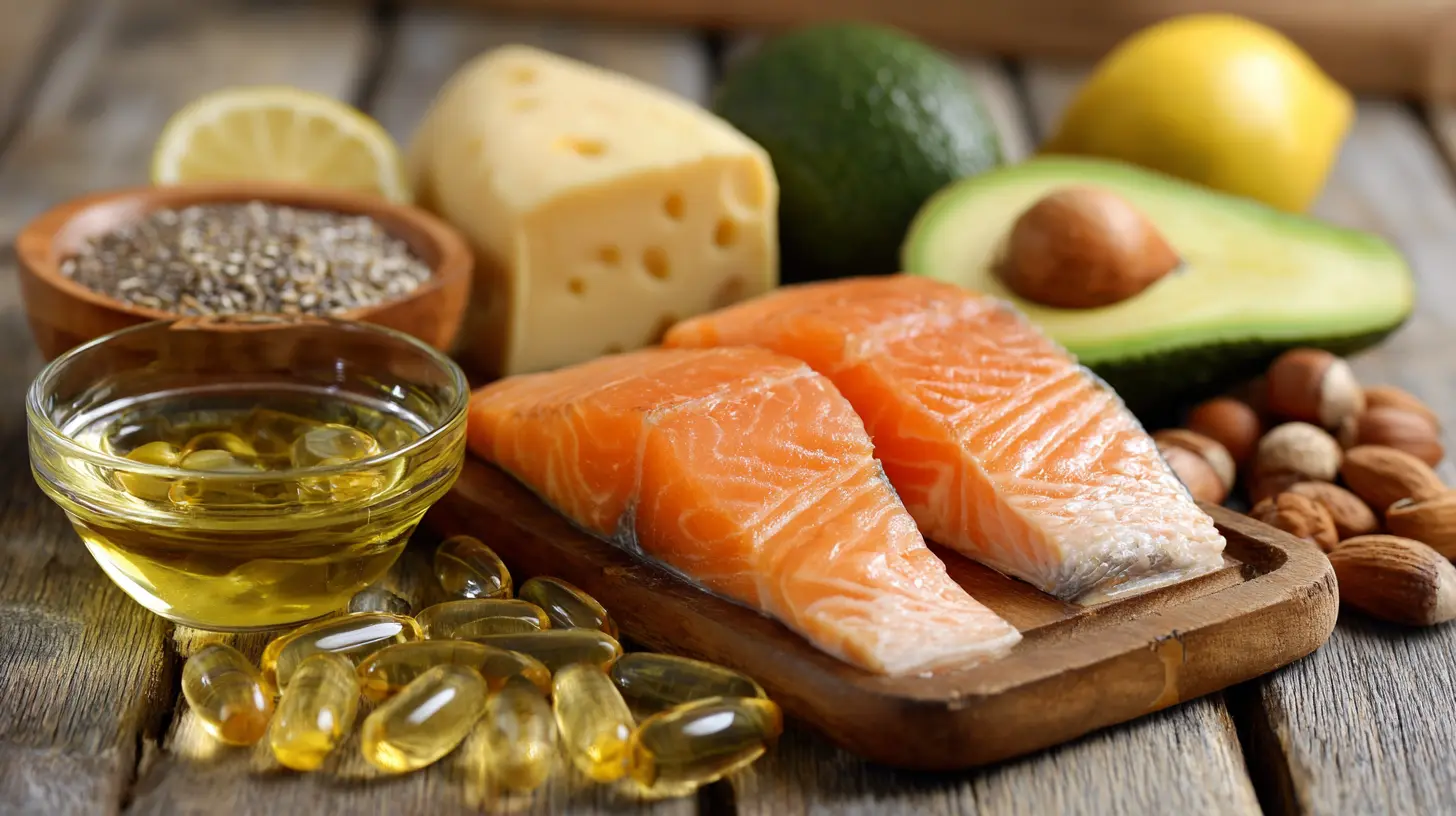
What Are Omega-3 Fatty Acids?
Omega-3 fatty acids are a type of polyunsaturated fat known for their powerful health benefits. They are a "must-have" nutrient because your body can’t make them from scratch. You have to consume them through food or supplements.There are three main types of omega-3s:
1. Eicosapentaenoic acid (EPA) – Found mainly in fish, EPA is known for its anti-inflammatory properties and benefits to heart health.
2. Docosahexaenoic acid (DHA) – Another fatty acid found predominantly in fish, DHA is essential for brain function, eye health, and overall cognitive development.
3. Alpha-linolenic acid (ALA) – The plant-based omega-3, ALA is found in flaxseeds, chia seeds, and walnuts. Your body can convert small amounts of ALA into EPA and DHA, but not very efficiently.
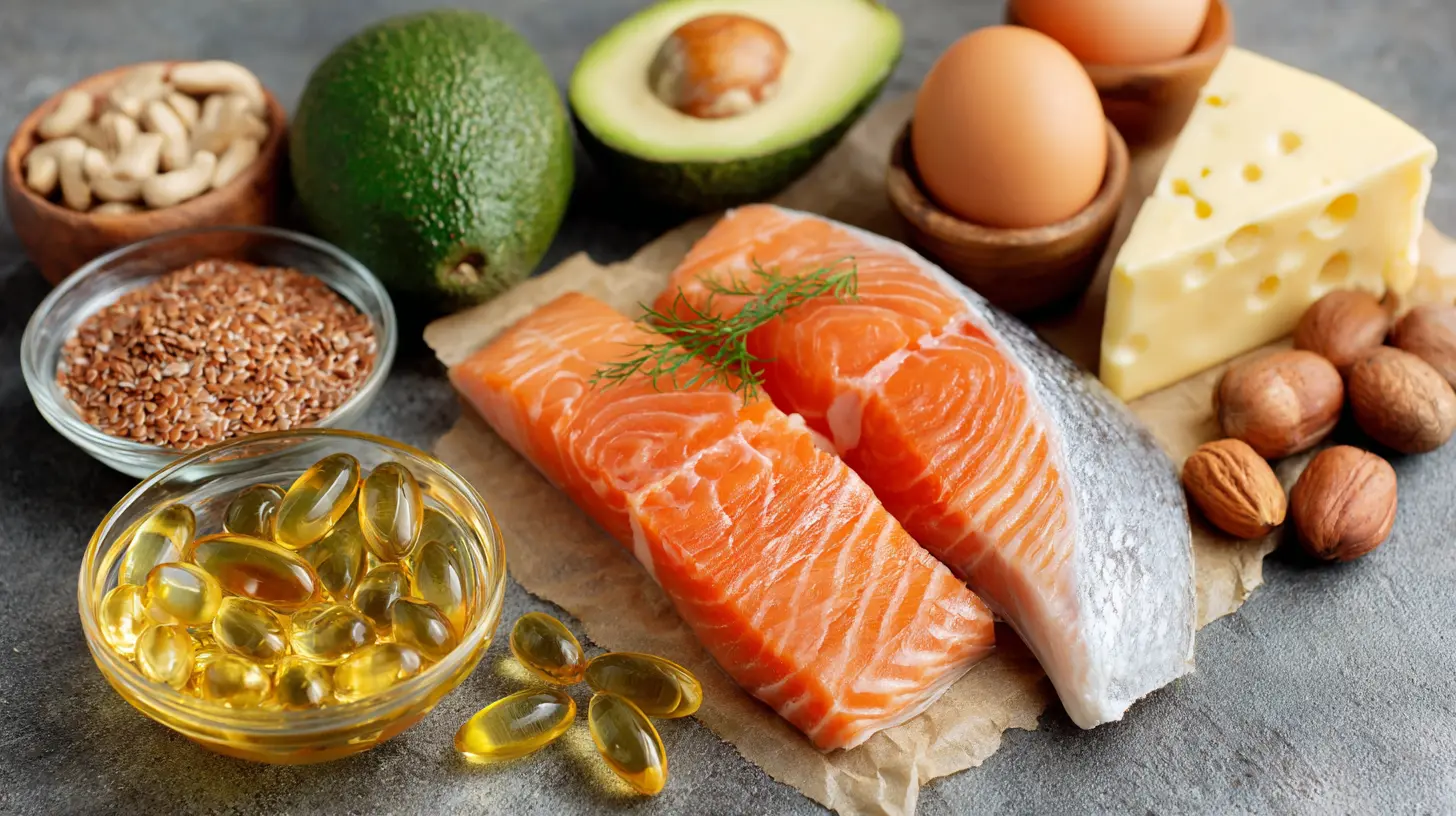
Why Are Omega-3 Fatty Acids So Important?
These tiny but mighty nutrients play a significant role in keeping your body running smoothly. From brain function to heart health, omega-3s affect nearly every part of your body.1. Supports Heart Health
Your heart works day in and day out, pumping blood throughout your body. And guess what? Omega-3s help it do just that more efficiently!Studies have shown that omega-3s can:
✔ Reduce triglycerides, a type of fat in your blood that can contribute to heart disease.
✔ Lower blood pressure, helping prevent hypertension.
✔ Reduce blood clotting, decreasing the risk of heart attacks.
✔ Increase "good" HDL cholesterol, which helps keep your arteries clear.
If you want to show some love to your heart, adding omega-3-rich foods to your diet is a smart move.
2. Boosts Brain Function and Mental Health
Ever felt foggy-brained or struggled with mood swings? Your brain is literally made of fat, and omega-3s are a crucial part of its structure.DHA, in particular, is essential for brain health. It plays a role in memory, focus, and even mental health conditions like depression and anxiety. Research suggests that people who consume more omega-3s tend to have lower rates of depression. Some studies even indicate that omega-3 supplements can improve symptoms of anxiety and ADHD.
So, if you want to keep your mind sharp and your mood stable, don’t skimp on omega-3s!
3. Reduces Inflammation
Inflammation is your body’s way of fighting off harm. But when inflammation becomes chronic, it can lead to serious conditions like arthritis, heart disease, and even cancer.Omega-3s help reduce the production of inflammatory molecules, making them a natural way to combat inflammation-related ailments. That’s why many people with conditions like rheumatoid arthritis turn to omega-3-rich foods or supplements for relief.
4. Supports Eye Health
Did you know that DHA is a key component of your retina? Without enough DHA, you may be at higher risk for vision problems, including age-related macular degeneration.Omega-3s also help keep your eyes properly lubricated, reducing the chances of dry eye syndrome. If you spend hours staring at screens, incorporating more omega-3s into your diet might help relieve those tired, irritated eyes.
5. Helps with Pregnancy and Infant Development
Omega-3s are critical during pregnancy and early childhood. DHA, in particular, plays a huge role in the development of the baby's brain and eyes. Studies suggest that pregnant women who consume enough omega-3s may have smarter babies with better social and problem-solving skills.Plus, omega-3s can support a healthier pregnancy by reducing the risk of premature birth and postpartum depression.
6. Supports Skin Health
Want glowing, healthy skin? Omega-3s might be your secret weapon!These fatty acids help:
✔ Keep skin hydrated, preventing dryness and irritation.
✔ Reduce acne, thanks to their anti-inflammatory properties.
✔ Slow down signs of aging, by maintaining skin elasticity.
If you suffer from conditions like eczema or psoriasis, getting enough omega-3s can drastically improve your skin's appearance and texture.
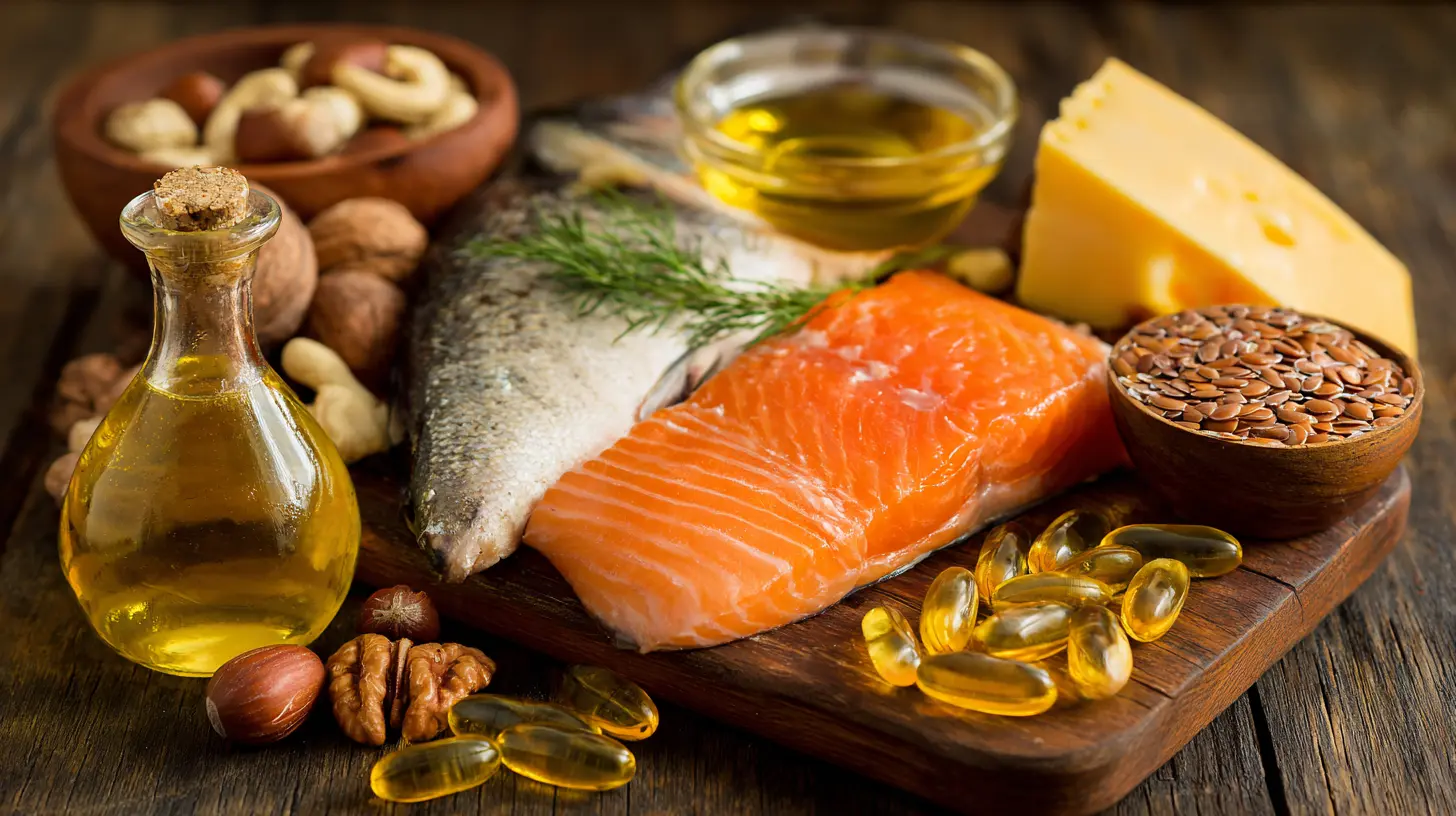
Best Sources of Omega-3 Fatty Acids
Now that you know why omega-3s are so essential, let's talk about where you can get them.Animal-Based Sources (Rich in EPA & DHA):
✅ Fatty Fish (Salmon, Mackerel, Sardines, Tuna)✅ Fish Oil Supplements
✅ Krill Oil
✅ Cod Liver Oil
Plant-Based Sources (Rich in ALA):
✅ Flaxseeds & Flaxseed Oil✅ Chia Seeds
✅ Walnuts
✅ Hemp Seeds
✅ Soybeans & Tofu
While ALA is great, remember that your body isn't very efficient at converting it into DHA and EPA. If you're following a plant-based diet, you might want to consider an algae-based omega-3 supplement.
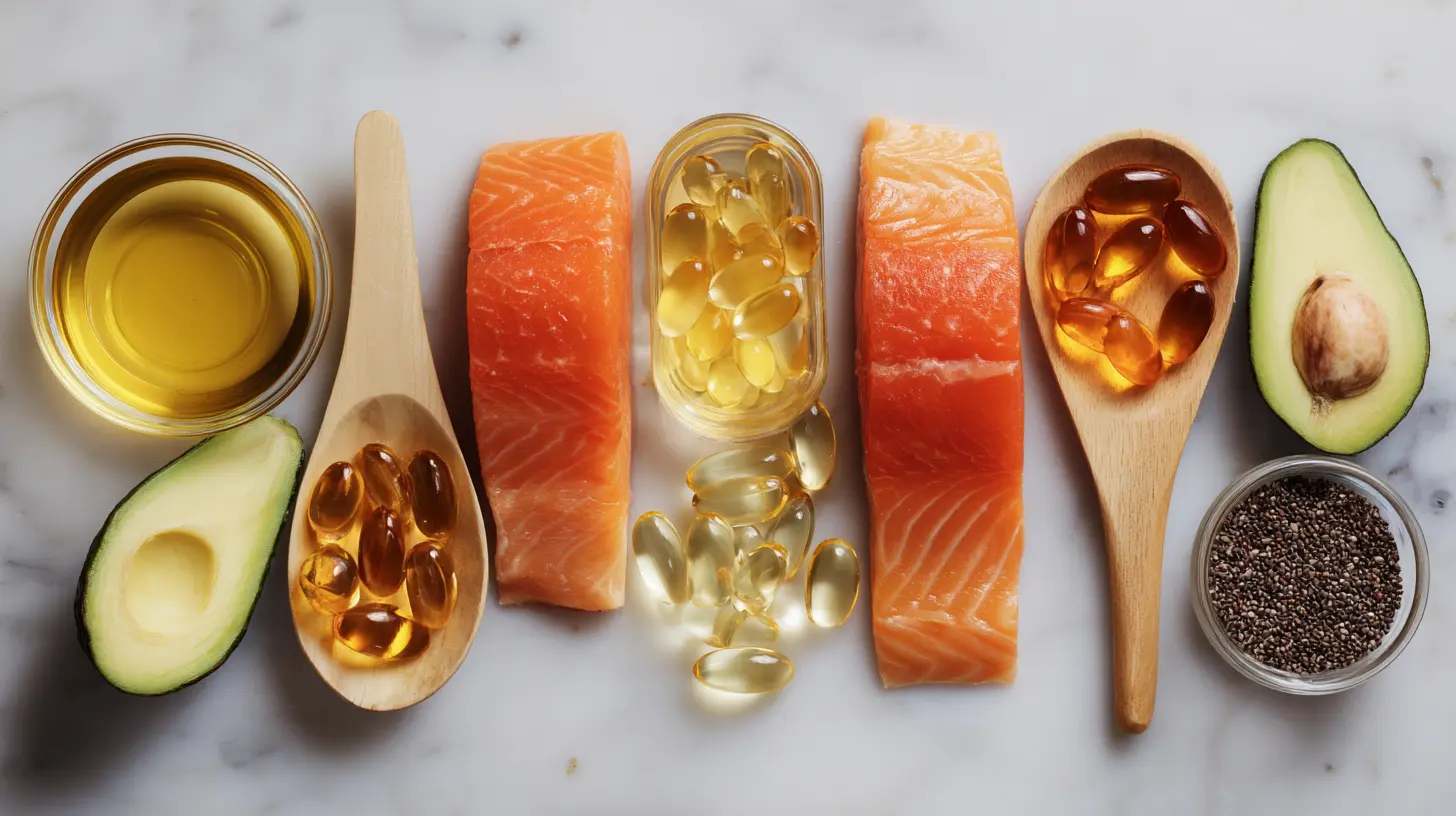
How Much Omega-3 Do You Need?
The recommended daily intake of omega-3s depends on age, sex, and health condition. However, general guidelines suggest:- Adults: At least 250–500 mg of combined EPA and DHA per day
- Pregnant/Breastfeeding Women: Around 300–900 mg of DHA per day
- Children: Varies by age, but typically 50–250 mg per day
If you’re not eating fatty fish at least twice a week, you may want to consider taking a high-quality omega-3 supplement.
Can You Get Too Much Omega-3?
Yes, too much of a good thing can be bad. While omega-3s are essential, excessive intake—especially from supplements—may cause:- Blood thinning (leading to excessive bleeding in some cases)
- Lower immune function
- Digestive issues like nausea or diarrhea
Stick to recommended doses, and if you’re taking blood-thinning medication, check with your doctor before adding omega-3 supplements to your routine.
Final Thoughts
Omega-3 fatty acids are not just another trendy health fad. They’re a fundamental part of your well-being, impacting everything from heart and brain health to skin and joint function. Whether you get them from fatty fish, seeds, or supplements, making sure your diet is rich in omega-3s can improve your overall health in the long run.So, what’s stopping you? It’s time to give your body what it truly needs—start incorporating more omega-3s today!
all images in this post were generated using AI tools
Category:
SupplementsAuthor:

Eileen Wood
Discussion
rate this article
1 comments
Mason Rosales
Great article on omega-3s! Including them in your diet can truly benefit your health. Keep sharing valuable insights like this to help others.
June 14, 2026 at 4:41 AM
Eileen Wood
Thank you! I'm glad you found it helpful. Omega-3s really do make a difference. More insights are on the way!