How to Make Your Own Probiotic-Rich Fermented Foods
9 April 2026
Fermented foods have been around for centuries, and for good reason! They’re packed with probiotics—those beneficial bacteria that support gut health, digestion, and even immunity. While store-bought options are available, making your own probiotic-rich fermented foods at home is not only easy but also rewarding. There's something special about creating something from scratch that nourishes your body and tastes amazing. Plus, homemade fermented foods don’t come loaded with preservatives or unnecessary additives.
Ready to give it a go? Let’s dive into the wonderful world of fermentation and learn how to get started! 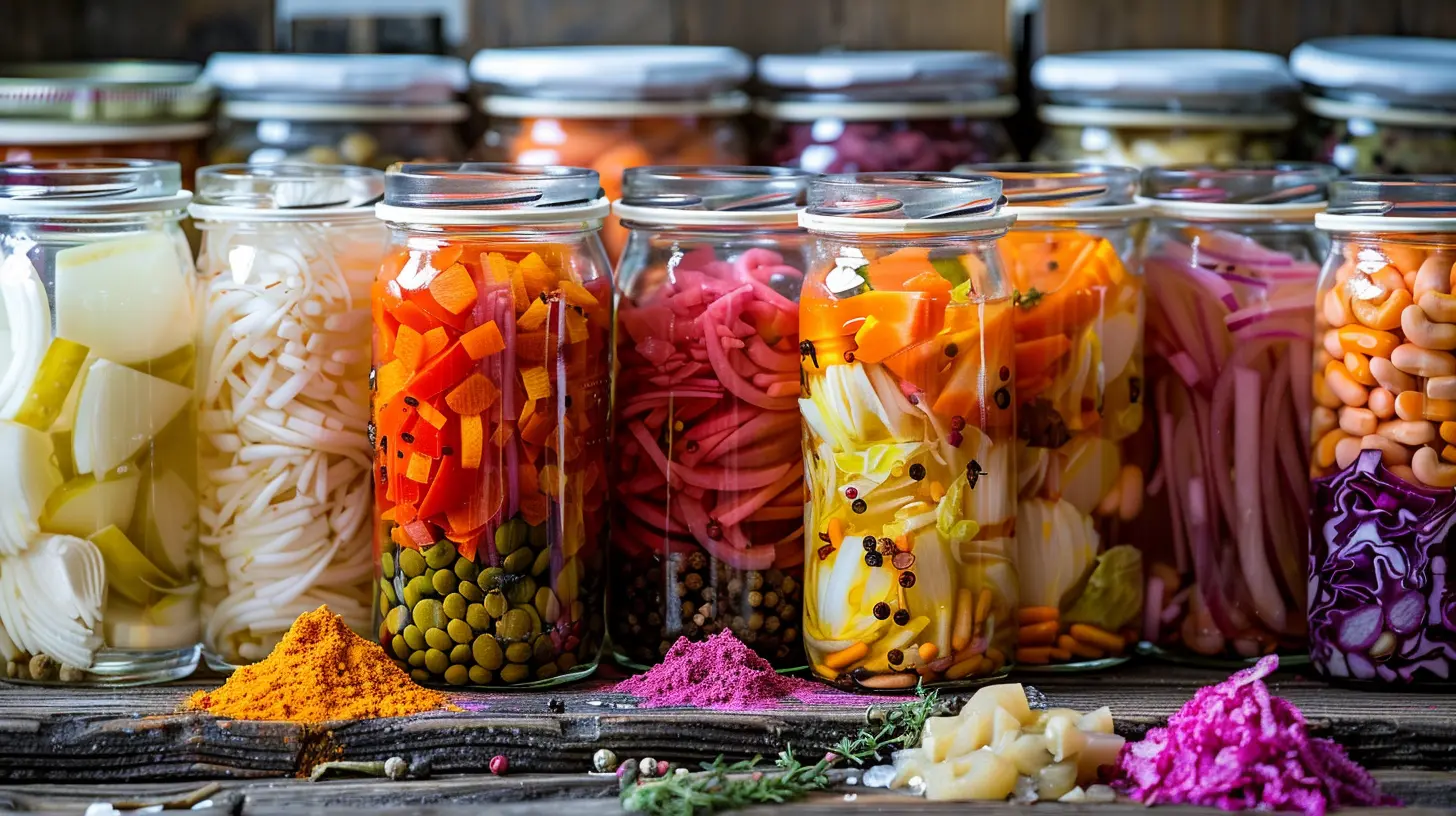
Why Ferment Your Own Foods?
Fermentation is like a science experiment happening in your kitchen, except instead of a volcano erupting, you get delicious, gut-friendly foods. Here are a few reasons why making your own fermented foods is a fantastic idea:- It’s budget-friendly: A batch of homemade sauerkraut costs a fraction of what you'd pay at the store.
- You control the ingredients: No artificial flavors, excess salt, or added sugars—just wholesome, natural goodness.
- Super fresh and packed with probiotics: Homemade versions contain live cultures that haven’t been pasteurized out of existence.
- It’s fun! There’s something deeply satisfying about watching your food transform over time. 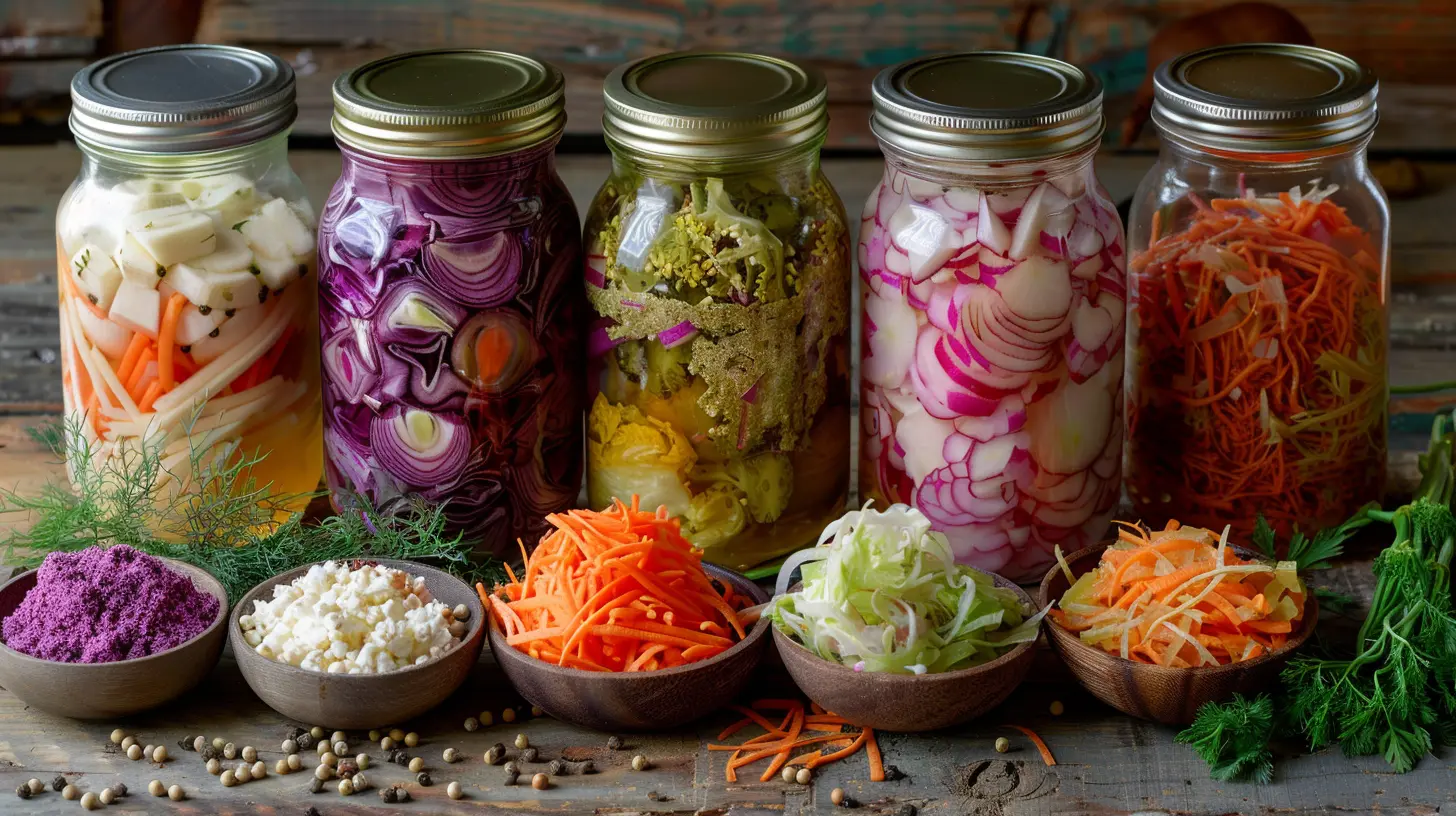
Essential Ingredients & Equipment
Before you get started, you’ll need a few basic things:Ingredients:
- Fresh vegetables (cabbage, carrots, cucumbers, etc.)- Unprocessed salt (sea salt, Himalayan salt, or kosher salt)
- Filtered or non-chlorinated water
- Starter culture (optional, depending on the recipe)
- Herbs and spices (optional, for flavor)
Equipment:
- Glass jars or fermentation crocks- Wooden or plastic spoon (avoid metal, as it can react with the fermentation process)
- Cheesecloth or fermentation lids
- A fermentation weight (to keep veggies submerged in brine)
Once you've got your ingredients and equipment ready, it's time to start fermenting! 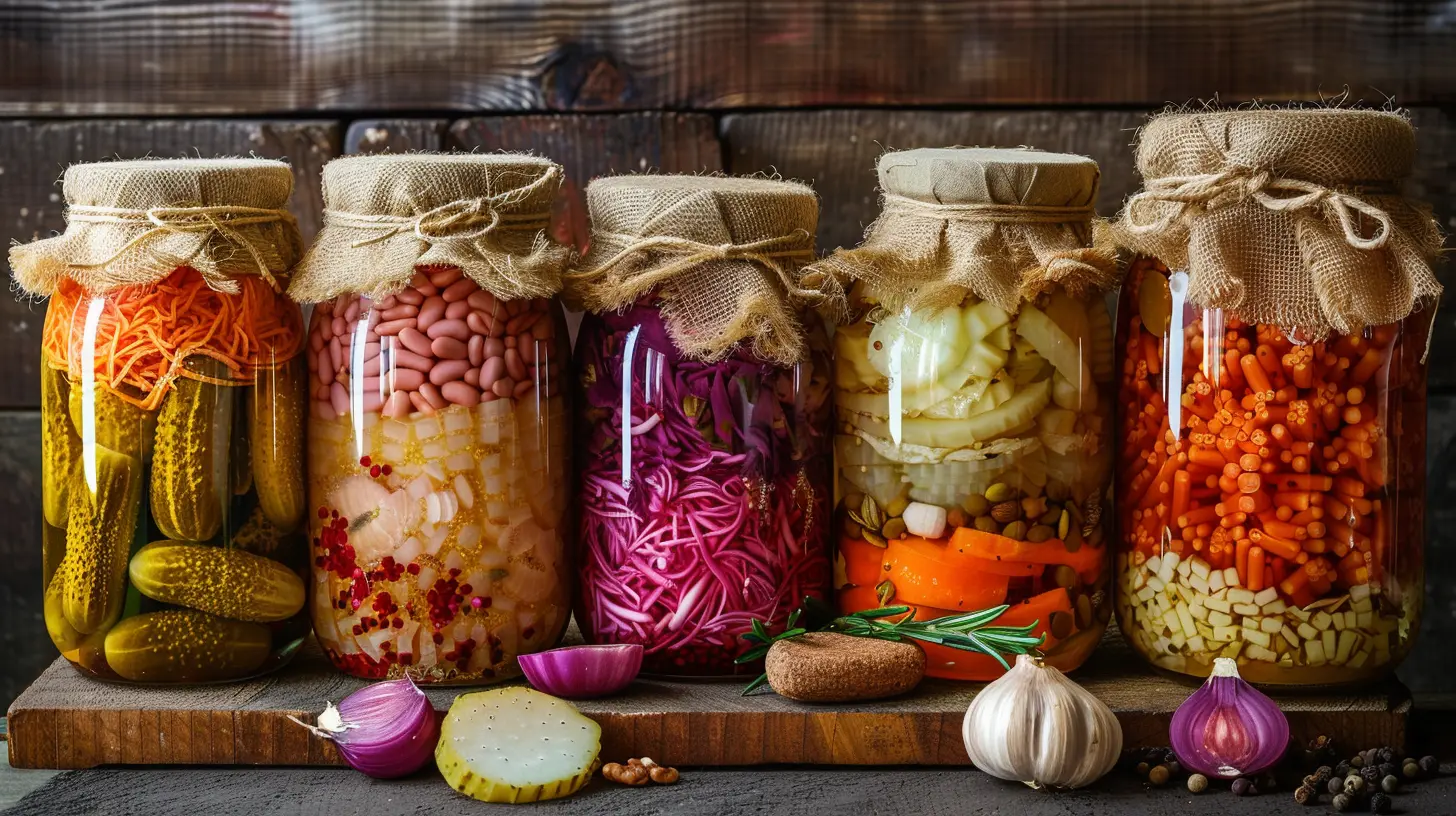
How to Make Your Own Probiotic-Rich Fermented Foods
1. Homemade Sauerkraut
Sauerkraut is one of the easiest fermented foods to start with. It’s just cabbage and salt, but the probiotics that develop during fermentation make it a powerhouse for gut health.Ingredients:
- 1 medium head of cabbage- 1 ½ tablespoons of sea salt
Instructions:
1. Remove the outer leaves of the cabbage and set them aside.2. Shred the cabbage using a knife or food processor.
3. In a large bowl, massage the salt into the cabbage for about 5-10 minutes until it releases its juices.
4. Pack the cabbage tightly into a clean glass jar, pressing it down so it’s submerged under its own liquid.
5. Place one of the outer cabbage leaves on top and use a fermentation weight to keep it all submerged.
6. Cover with a cloth or lid and let it sit at room temperature for 1-4 weeks. Taste it every few days and refrigerate once you’re happy with the flavor!
2. Fermented Pickles
Love crunchy pickles? Fermenting them instead of using vinegar-based methods produces a probiotic-rich snack with a tangy, complex flavor.Ingredients:
- 6-8 small cucumbers (pickling cucumbers work best)- 2 tablespoons sea salt
- 2 cups filtered water
- 2 cloves garlic
- 1 teaspoon dill seeds (or fresh dill)
- ½ teaspoon mustard seeds (optional)
Instructions:
1. Wash the cucumbers and trim off the ends.2. Mix the salt and water until dissolved to create a brine.
3. Pack the cucumbers, garlic, dill, and mustard seeds into a clean jar.
4. Pour the brine over the cucumbers, ensuring they are fully submerged.
5. Place a fermentation weight on top and cover with a lid or breathable cloth.
6. Allow to ferment at room temperature for 5-10 days, checking daily for bubbles and taste development.
7. Once your pickles are tangy and flavorful, move them to the fridge to slow fermentation.
3. Homemade Yogurt
If you love creamy, probiotic-rich yogurt, making your own is easier than you think.Ingredients:
- 4 cups whole milk- 2 tablespoons plain yogurt with live cultures
Instructions:
1. Heat the milk in a saucepan to about 180°F (just before boiling).2. Let it cool to about 110°F.
3. Stir in the plain yogurt as a starter culture.
4. Pour into a clean jar or container and cover.
5. Keep at a warm, stable temperature (around 100-110°F) for 6-12 hours. You can use an oven with the light on, a yogurt maker, or a warm spot in your home.
6. Once it thickens, refrigerate it to set further and enjoy!
4. Kombucha (Fermented Tea)
Kombucha is a fizzy, tangy probiotic drink made from fermented tea. It requires a SCOBY (Symbiotic Culture of Bacteria and Yeast), which you can buy online or grow yourself from a store-bought bottle of raw kombucha.Ingredients:
- 4 cups water- 3-4 black or green tea bags
- ½ cup sugar
- 1 cup kombucha starter tea (from a previous batch or store-bought raw kombucha)
- 1 SCOBY
Instructions:
1. Brew the tea, add the sugar, and let it cool to room temperature.2. Pour the tea into a glass jar, add the starter tea, and gently place the SCOBY on top.
3. Cover with a breathable cloth and secure with a rubber band.
4. Let it ferment for 7-14 days in a dark, warm place (around 70-75°F).
5. Once it reaches your desired taste, transfer it to bottles and refrigerate.
Tips for Successful Fermentation
- Keep everything clean: Contamination can ruin your ferment. Use clean hands and sterilized equipment.- Monitor the temperature: Most ferments do well around 65-75°F. Too cold, and it slows down; too hot, and it might spoil.
- Taste as you go: The beauty of homemade ferments is that you control the tanginess. Taste regularly and refrigerate when it reaches your preferred flavor.
- Watch out for mold: White bubbles or foam are normal, but fuzzy, colored mold is a no-go. If you see mold, discard and start fresh.
Final Thoughts
Making your own probiotic-rich fermented foods is a simple yet powerful way to improve gut health, boost immunity, and enhance digestion. Plus, it’s fun and satisfying to create your own nourishing foods from scratch.Whether you're a beginner or a seasoned DIY foodie, experimenting with fermentation is an adventure worth taking. So grab some veggies, a jar, and a little patience—and let nature do the rest!
all images in this post were generated using AI tools
Category:
ProbioticsAuthor:

Eileen Wood
Discussion
rate this article
2 comments
Olive Whitley
Get your gut dancing with homemade probiotic delights!
April 28, 2026 at 2:35 AM
Eileen Wood
Absolutely! Homemade probiotics are a fun and tasty way to boost gut health. Enjoy the process!
Dior Jones
Thank you for sharing these valuable tips! I’m excited to try making my own probiotic-rich foods at home.
April 9, 2026 at 2:16 AM
Eileen Wood
You're welcome! Enjoy the fermentation journey!