How to Transition to a Healthier Diet Without Feeling Overwhelmed
25 December 2025
Making the switch to a healthier diet can feel like standing at the bottom of a mountain, staring up at an impossible climb. With so much conflicting advice and an overwhelming number of diets out there, it’s easy to feel lost before you even start. But here’s the good news—you don’t have to overhaul everything overnight. Small, consistent steps can lead to lasting change without leaving you feeling deprived or frustrated.
If you’re ready to eat better without the stress, this guide will help you transition smoothly and sustainably.
Why Diet Changes Feel Overwhelming
Ever tried to start a new diet only to give up a week later? You’re not alone. Many people struggle because they:- Feel pressured to eliminate all their favorite foods at once
- Get confused about what’s actually "healthy"
- Lack the time to meal prep or cook from scratch
- Experience cravings and don’t know how to handle them
- Expect instant results and give up when progress is slow
Instead of diving into the deep end, let’s focus on making small, manageable changes that actually stick.
Start With Small, Sustainable Changes
Going from fast food and processed snacks to a 100% whole-food, plant-based diet overnight is a recipe for burnout. Instead, adopt the "one step at a time" approach.1. Add More, Don’t Just Take Away
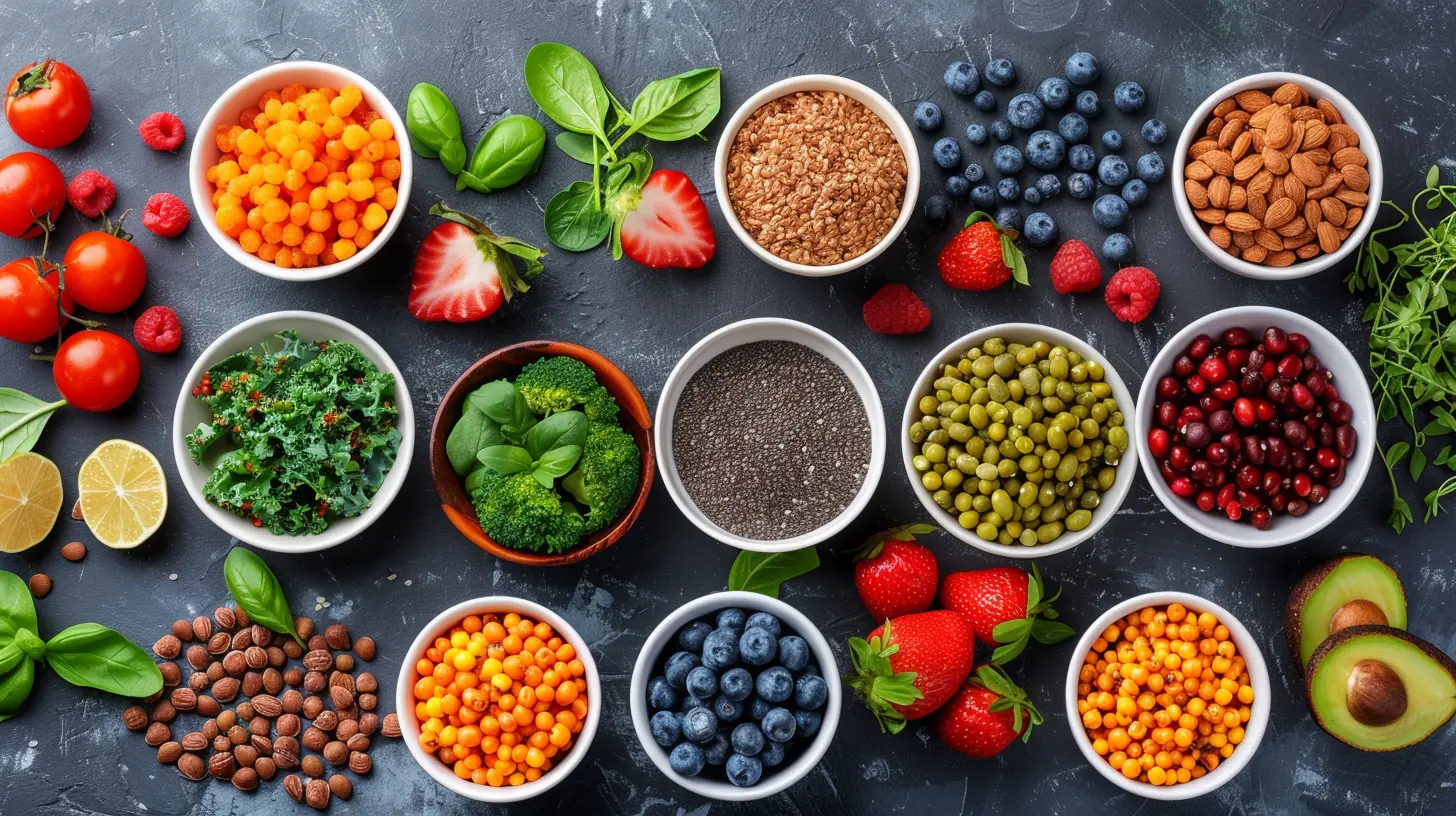
The mistake most people make when trying to eat healthier? Cutting out all the "bad" foods without adding enough nutrient-dense options. Instead of focusing on restrictions, start by adding more fruits, vegetables, and whole foods to your plate.For example:
- Have an extra serving of vegetables at dinner
- Snack on nuts or fruit instead of chips
- Choose whole-grain bread over white
When you introduce more nourishing foods, your body naturally starts to crave them, making it easier to phase out unhealthy choices over time.
2. Hydrate Like You Mean It
A lot of times, when you think you're hungry, you're actually just dehydrated. Aim to drink at least 8 cups of water a day, but listen to your body—some need more. If plain water isn't exciting enough, try:- Adding lemon, cucumber, or mint
- Drinking herbal teas
- Using a fun water bottle to remind yourself to sip throughout the day
Proper hydration helps control cravings, improves digestion, and gives you more energy to make healthier choices.
3. Swap, Don’t Sacrifice
Instead of cutting out foods cold turkey, try swapping them for healthier alternatives. This makes the transition feel effortless rather than restrictive.- Craving fries? Try baked sweet potato wedges.
- Love soda? Swap it for sparkling water with a splash of fruit juice.
- Can’t ditch dessert? Opt for dark chocolate or fruit-based treats.
Small swaps add up and prevent you from feeling deprived.
Make Meal Prep Simple, Not Stressful
The number one excuse for not eating healthy? “I don’t have time.” But meal prep doesn’t have to mean spending your entire weekend cooking. Try these simple strategies:4. Batch Cook Essentials
Prepare large portions of key ingredients so you can mix and match throughout the week. Some easy staples include:- Quinoa or brown rice
- Roasted or steamed veggies
- Grilled chicken or plant-based protein
- Hard-boiled eggs
- Pre-chopped greens for salads
Having these on hand makes healthy eating almost effortless.
5. Keep Healthy Snacks Ready to Go
When hunger strikes, you’ll reach for whatever is easiest—so make the healthy choice the convenient choice. Keep snacks like:- Hummus and sliced veggies
- Greek yogurt with berries
- Almonds or walnuts
- Apple slices with peanut butter
If nutritious options are within reach, you're less likely to grab processed junk food.
6. Find Easy One-Pan Or One-Pot Meals
Not a fan of cooking? Simplify things with meals that require minimal effort, like:- Stir-fries loaded with veggies and a lean protein
- Sheet-pan roasted chicken and vegetables
- Soups packed with beans and greens
Cooking healthy doesn't have to be complicated or time-consuming.
Handling Cravings Without Giving In
Let’s be real—cravings happen. Instead of feeling guilty, learn how to manage them in a way that works for you, not against you.7. Understand What Your Cravings Mean
Craving sugar? You might actually need more protein or healthy fats.Craving salty snacks? You could be dehydrated.
Next time a craving hits, pause and ask yourself: Am I truly hungry, or is my body asking for something else?
8. Allow “Treats” in Moderation
No food should be off-limits. The key is balance. If you love chocolate, have a small piece of dark chocolate instead of a whole candy bar. If you enjoy pizza, choose a healthier version with a whole grain crust and lots of veggies.By allowing yourself treats in moderation, you avoid the "all or nothing" mindset that leads to bingeing.
Making Healthy Eating Enjoyable
If you don’t enjoy your meals, you won’t stick with them. Period.9. Experiment With Flavors & Spices
Healthy food doesn’t have to be boring. Add flavor with herbs, spices, and natural seasonings instead of relying on overly processed sauces or salts.Try:
- Garlic, turmeric, and cumin for a savory boost
- Cinnamon, nutmeg, or vanilla for a hint of natural sweetness
- Fresh herbs like cilantro, basil, and rosemary to brighten up dishes
Making your meals exciting keeps you from missing unhealthy foods.
10. Find Healthier Versions of Your Favorite Dishes
Love mac and cheese? Try a version made with whole-wheat pasta and a creamy butternut squash sauce.Addicted to burgers? Opt for a grass-fed beef or veggie burger on a whole grain bun.
Healthy eating isn’t about deprivation—it’s about upgrading what you already love.
Building Long-Term Success
Shifting to a healthier diet isn’t a 30-day challenge—it’s a lifestyle change. Here’s how to make sure you stick with it for the long haul.11. Stop Aiming for Perfection
You will have days when you eat junk food. That’s normal. The key is consistency, not perfection. One unhealthy meal won’t derail your progress if you're healthy most of the time.12. Surround Yourself With Support
It’s easier to eat well when the people around you support your goals. If your friends or family aren’t on board, look for online communities or follow nutrition experts who inspire you.13. Listen to Your Body
Instead of following strict diet rules, tune into how food makes you feel. Do certain foods give you energy while others make you sluggish? Understanding your body’s signals helps guide your eating choices naturally.Final Thoughts
Transitioning to a healthier diet doesn’t have to be overwhelming. Start small, make gradual changes, and focus on progress, not perfection. By making simple swaps, preparing easy meals, and allowing yourself flexibility, you can create a lifestyle that feels good, tastes delicious, and keeps you feeling your best.So, what’s the first small change you’ll make today?
all images in this post were generated using AI tools
Category:
NutritionAuthor:

Eileen Wood
Discussion
rate this article
2 comments
Amelia Klein
Nourish your spirit, embrace gentle change.
January 27, 2026 at 3:37 AM
Eileen Wood
Thank you! Embracing gentle change is key to a sustainable and enjoyable journey towards a healthier diet.
Vera Wilcox
Start small, embrace gradual changes, and celebrate each step towards a healthier you.
December 25, 2025 at 5:41 PM
Eileen Wood
Thank you! Embracing small changes is key to making lasting improvements without feeling overwhelmed. Every step counts!