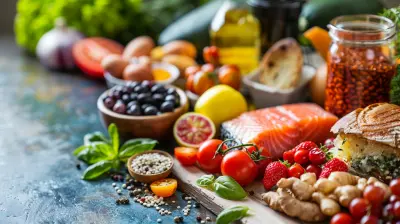
From Kitchen to Cure: Foods That Help Heal
21 October 2026
Somewhere between the pharmacy aisle and the produce section, we lost a useful idea. Not that food replaces medicine, because it does not, but that everyday ingredients already sitting in your kitchen can meaningfully support the body's repair processes. A cut heals. A cold runs its course. A gut settles down. These things happen with or without a shopping trip, but what you eat shapes how quickly and how well they happen.
This article is about that practical middle ground. It covers specific foods with plausible, well understood mechanisms behind their healing reputation, when they help, when they do not, and the mistakes people make when they try to turn dinner into a treatment plan. No miracle claims. Just a working knowledge of what your kitchen can reasonably do.
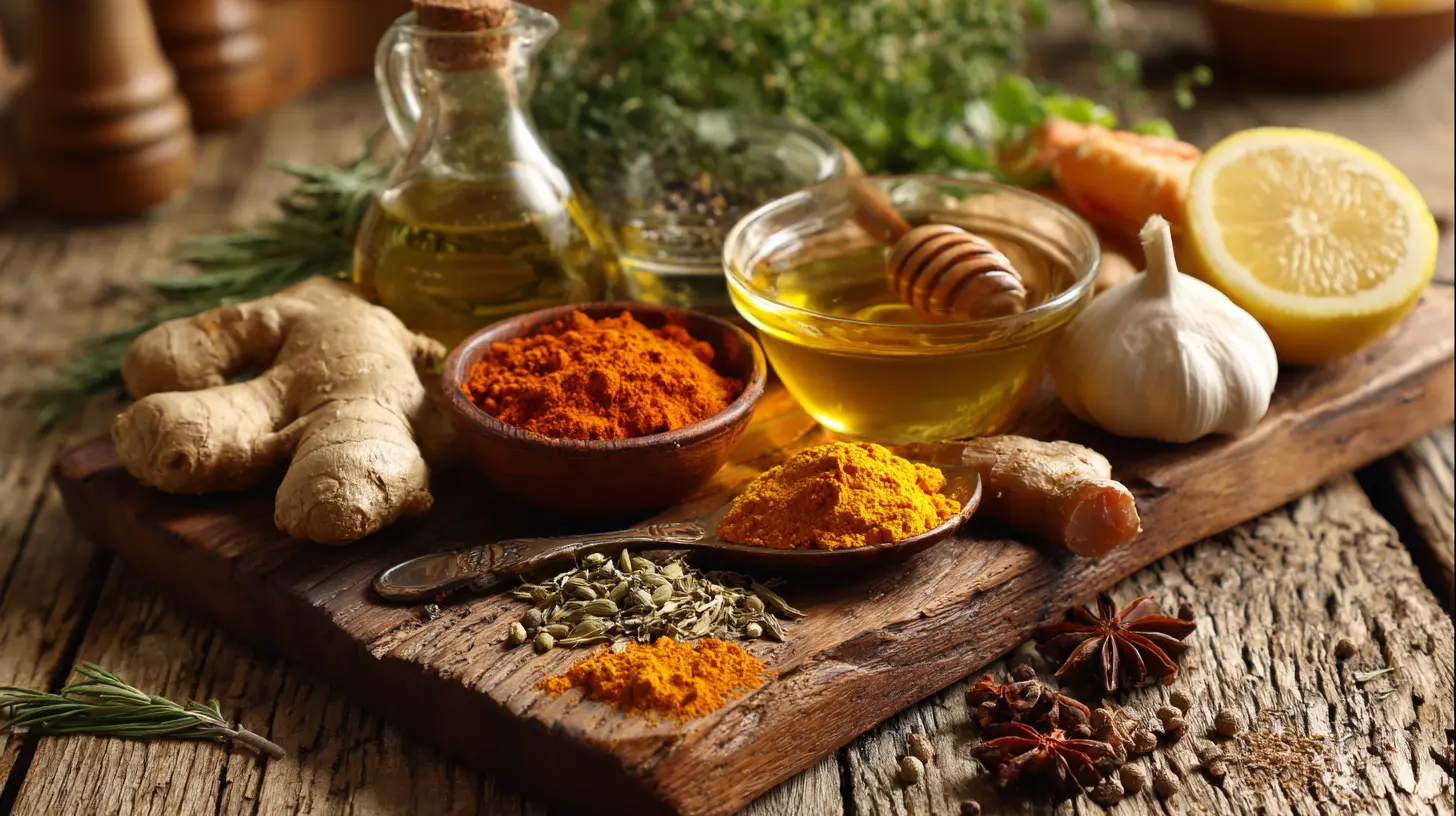
The Core Principle: Healing Is a Supply Chain Problem
Your body repairs itself using raw materials. Collagen needs vitamin C and amino acids. New cells need zinc and folate. Inflammation resolution needs omega-3 fats and specific polyphenols. The immune system runs on protein, iron, and vitamin D, among other things.When you are injured, sick, or recovering, demand for these materials rises. If supply is adequate, healing proceeds on schedule. If supply is thin, healing slows, and the shortfall often shows up in ways you would not connect to diet: slower wound closure, lingering fatigue, recurring infections, poor sleep during recovery.
This is why the most useful healing foods are not exotic. They are dense in the raw materials the body actually uses. That is the lens to apply to everything below.
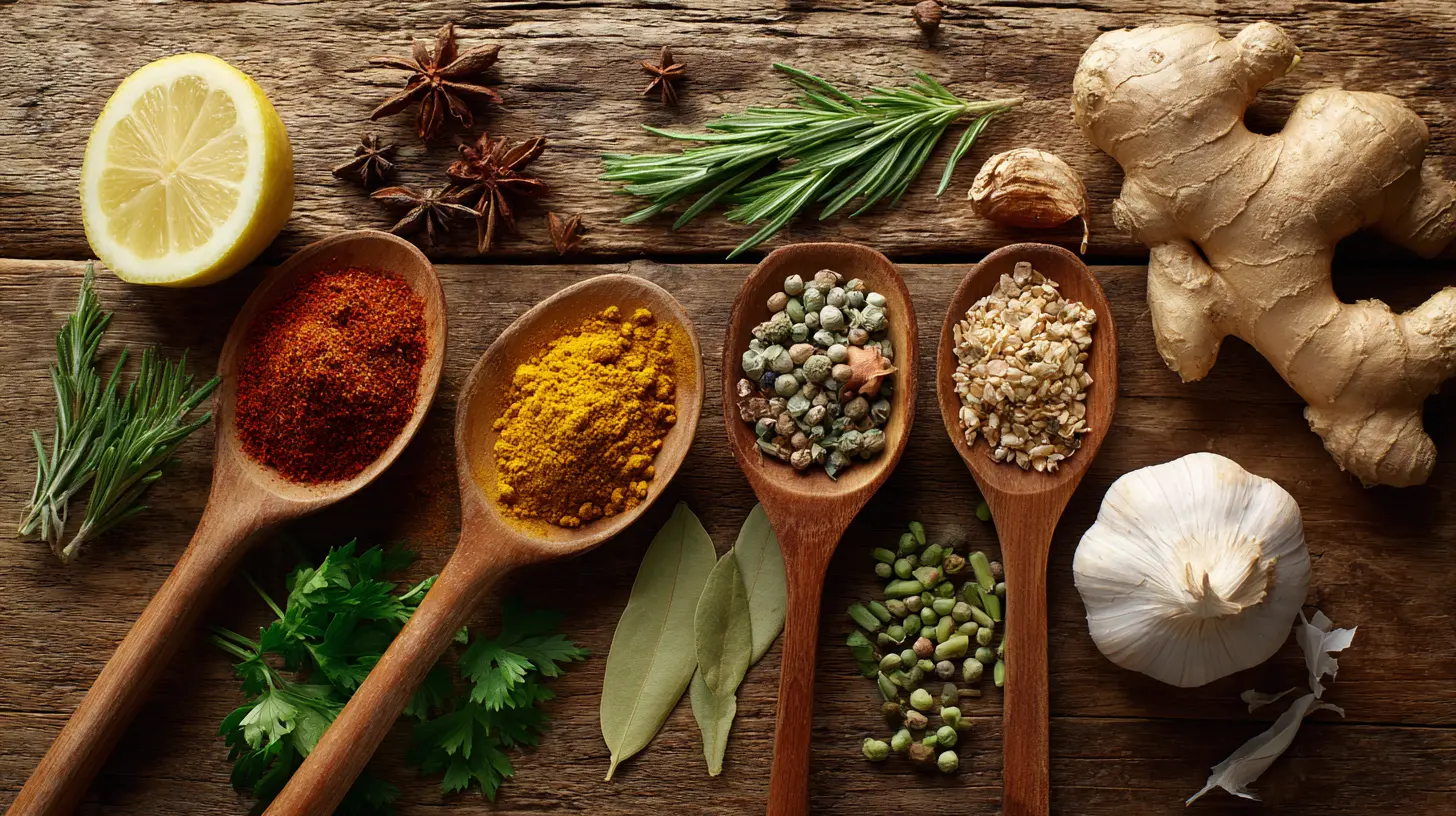
Foods That Earn Their Reputation
Bone Broth: Useful, but Not Magic
Bone broth contains collagen breakdown products (gelatin, some peptides), minerals, and amino acids like glycine and proline. These are genuine building blocks for connective tissue. The catch is that eating collagen does not automatically become collagen in your skin or joints. Your digestive system breaks it down and reassembles what it needs.So why does it help some people? Two reasons. First, it is easy to digest and hydrating, which matters when someone is recovering from illness and has a low appetite. Second, glycine has a mild calming effect on some people and appears to support sleep quality, which indirectly supports healing.
When to use it: during recovery from illness, after dental work, when appetite is poor, or as a warm, salty, easy source of protein and fluid. When not to lean on it: as a substitute for adequate total protein or for medical treatment of joint disease. A person recovering from surgery needs 1.2 to 1.5 grams of protein per kilogram of body weight daily, and broth alone will not get them there. Pair it with eggs, fish, legumes, or meat.
Leafy Greens: The Repair Multivitamin
Spinach, kale, Swiss chard, and similar greens deliver folate, vitamin K, vitamin C, magnesium, and nitrates. Vitamin K is directly involved in blood clotting and bone metabolism. Folate is required for cell division, which is what healing is. Vitamin C is a cofactor for collagen synthesis, meaning without it, wounds close poorly. This is not theoretical; severe vitamin C deficiency produces scurvy, whose hallmark is wounds that will not heal.The practical mistake here is volume versus frequency. A large salad once a week does less than a modest serving most days. Greens also contain oxalates, which can matter for people with a history of kidney stones. Cooking reduces oxalate content, so if that applies to you, sauteed greens are a better default than raw.
Berries and Other Colorful Fruit: Inflammation Modulation
Berries contain anthocyanins and other polyphenols that influence inflammatory signaling. The honest framing: they do not "fight inflammation" like a drug. They modestly modulate it, and the effect is real but gentle. Where they shine is in replacing foods that worsen inflammation, particularly refined sugar and heavily processed snacks.Consider the swap. If your afternoon habit is a pastry, replacing it with berries and yogurt does two things at once: it removes a blood sugar spike and adds polyphenols plus protein. That combination matters more than any single "superfood" claim. The same logic applies to citrus, which adds vitamin C and flavonoids, and to pomegranate, which has reasonable evidence for supporting vascular health.
Fatty Fish: The Anti-Inflammatory Workhorse
Salmon, sardines, mackerel, and herring provide EPA and DHA, the long-chain omega-3 fats your body uses to produce resolvins, molecules that actively help end inflammation rather than just suppress it. This distinction is important. Healing is not the absence of inflammation; it is the resolution of it. Omega-3s support the resolution side.Sardines deserve special mention because they are cheap, low in mercury, and provide calcium from their soft bones plus vitamin D and selenium. For someone recovering from a fracture or surgery, a tin of sardines on toast is a genuinely well designed recovery meal.
Trade-offs to know: high-dose fish oil supplements can increase bleeding risk, which matters before surgery. Food sources are far less likely to cause this. If you are scheduled for an operation, tell your surgeon about any supplements, and prefer fish on the plate over capsules in the weeks around it.
Eggs: The Most Underrated Recovery Food
An egg provides high-quality protein, choline, vitamin D, selenium, and B vitamins in a package that is cheap and fast to prepare. The yolk contains most of the micronutrients. People recovering from illness or injury often struggle to eat enough protein, and eggs solve that problem efficiently.The cholesterol concern has been substantially revised in recent years; for most people, dietary cholesterol from eggs has modest effects on blood cholesterol. If you have familial hypercholesterolemia or your doctor has advised restriction, follow that advice. For everyone else, one to two eggs daily is a reasonable, useful default during recovery periods.
Fermented Foods: Rebuilding the Gut After Antibiotics
Yogurt with live cultures, kefir, sauerkraut, kimchi, and miso introduce live microorganisms and their metabolites. After a course of antibiotics, this matters. Antibiotics do not discriminate; they reduce beneficial gut bacteria along with the target infection, and the disruption can cause diarrhea, bloating, and transient intolerance to certain foods.Fermented foods are not a guaranteed fix, and strain specificity matters. Kefir and yogurt with documented live cultures are the most reliable choices because the labeling is regulated in many countries. Sauerkraut and kimchi add variety and fiber. Start small, a few tablespoons daily, and increase gradually; jumping straight to large servings can cause gas and discomfort.
When to avoid: people who are severely immunocompromised should discuss live fermented foods with their doctor, because of the small risk of infection from live organisms. This is a real caution, not a formality.
Turmeric and Black Pepper: Real Effect, Real Limits
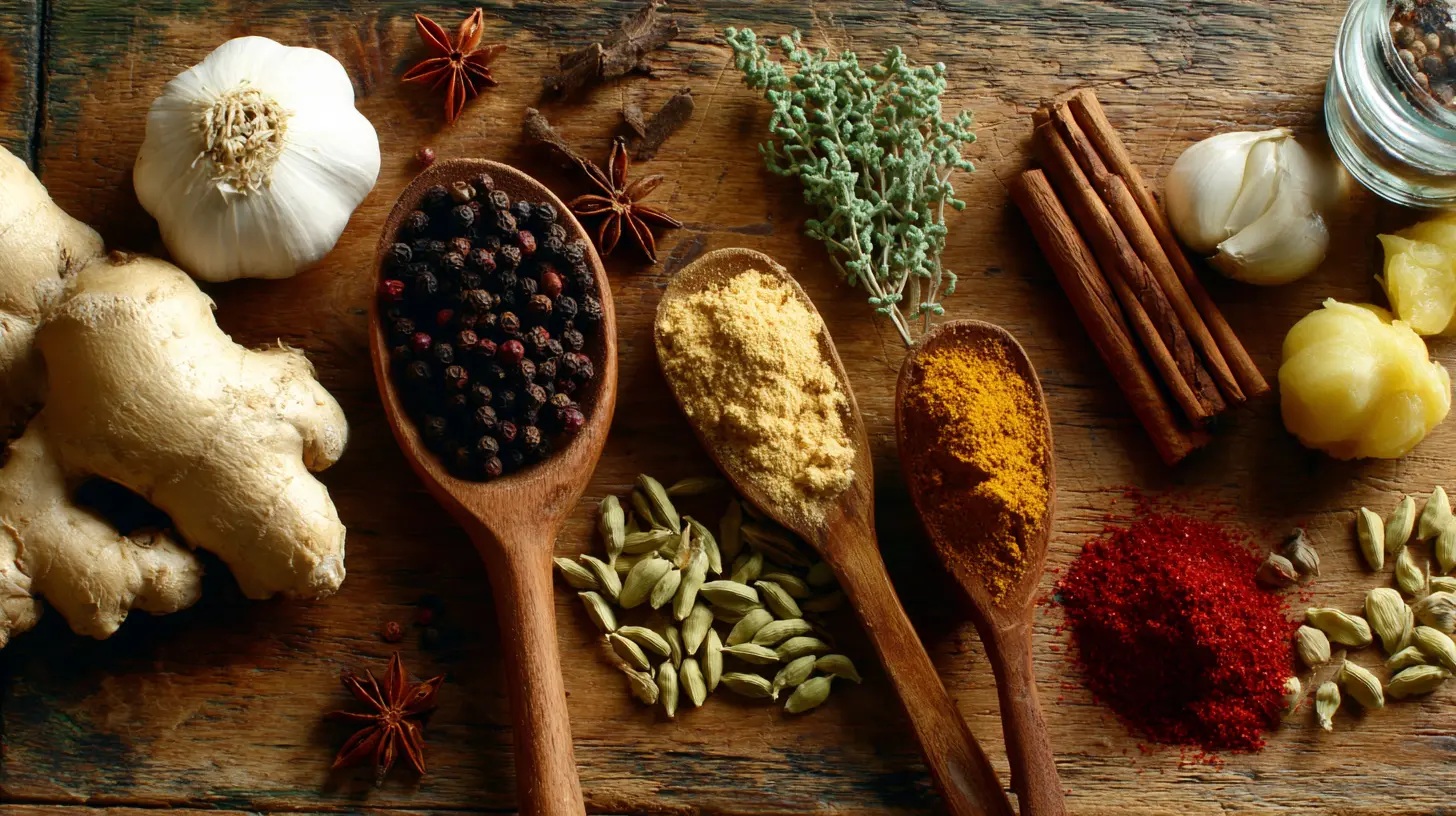
Curcumin, the active compound in turmeric, has anti-inflammatory activity in laboratory and some clinical settings. The catch is bioavailability. Curcumin is poorly absorbed on its own. Black pepper contains piperine, which increases absorption substantially, which is why traditional preparations pair the two. Fat also helps.What this means practically: turmeric in cooking, combined with black pepper and some fat, is a sensible addition to soups, lentils, rice, and scrambled eggs. It is not a treatment for arthritis or inflammatory bowel disease. If you have a chronic inflammatory condition, turmeric is a supportive habit at best, and your treatment plan comes from your doctor. High-dose curcumin supplements can interact with blood thinners and should not be started casually.
Ginger: For Nausea and Digestion
Ginger has reasonable evidence for reducing nausea, including morning sickness and post-operative nausea, and it supports comfortable digestion. A cup of ginger tea after a meal, or fresh ginger in cooking, is a low-risk intervention with a decent chance of helping.The form matters. Fresh ginger and standardized ginger extracts are more reliable than ginger-flavored candies, which are mostly sugar. For pregnancy-related nausea, discuss amounts with your provider; culinary amounts are generally considered safe, but concentrated supplements deserve a conversation.
Honey: Wound Care and Coughs, With Caveats
Honey has legitimate uses. Medical-grade honey is used in wound care for its osmotic and antimicrobial properties, and it should only be applied to wounds under clinical guidance. For coughs, a spoonful of honey, especially before bed, has modest evidence for reducing cough frequency in adults and children over one year.Critical safety point: honey must never be given to infants under twelve months because of the risk of infant botulism. This is not a minor caution; it is an absolute rule. Also, honey is sugar. Its medicinal uses are specific, not a license to sweeten everything.
Garlic: Antimicrobial in the Lab, Supportive in the Body
Allicin, formed when garlic is crushed or chopped, has antimicrobial activity in laboratory settings. In the body, the story is more modest. Garlic supports cardiovascular health and has mild immune benefits. It is not a substitute for antibiotics, and using it as one is a common and potentially dangerous mistake.Practical tip: crush or chop garlic and let it sit for about ten minutes before cooking. This allows the enzyme reaction that produces allicin to occur before heat deactivates it.
The Foods That Slow Healing
Less discussed but equally important. Healing is a balance of supply and interference.Alcohol impairs protein synthesis, disrupts sleep architecture, and suppresses immune function. During recovery, it is the single most counterproductive thing in the kitchen.
Excess refined sugar spikes blood glucose, and elevated glucose impairs wound healing and immune function. This is well established in surgical recovery. You do not need to eliminate sugar, but a recovery period is the wrong time for daily desserts and sugary drinks.
Heavily ultra-processed foods tend to displace the nutrient-dense foods above. The problem is usually substitution, not toxicity.
Very high sodium can worsen swelling and blood pressure, which matters during recovery from injury or surgery.
Common Mistakes and Misconceptions
Mistake one: treating a food as a drug. Food supports healing; it does not treat infections, close wounds, or replace prescribed medication. The people who get the most from healing foods use them alongside proper medical care, not instead of it.Mistake two: the single superfood approach. Blueberries are good. Blueberries plus protein plus vegetables plus sleep is what actually moves the needle. Nutrient synergy is real; isolated hero ingredients are mostly marketing.
Mistake three: ignoring total protein. This is the most common practical failure. Many people recovering from injury or illness eat plenty of vegetables and fruit but far too little protein. Aim for a palm-sized portion of a protein food at each meal.
Mistake four: over-supplementing. More is not better. High-dose zinc can interfere with copper absorption. Excessive vitamin A can be toxic. Food first, supplements with guidance.
Mistake five: forgetting hydration and sleep. Neither is a food, but both are prerequisites. Dehydration slows everything, and growth hormone release during sleep is when much of tissue repair happens. A perfect diet cannot compensate for five hours of sleep.
Building a Healing Plate: A Practical Framework
Use this as a default structure rather than a rigid rule.- Protein at every meal. Eggs, fish, poultry, legumes, dairy, or tofu. This is the non-negotiable foundation.
- Color from plants. Two or more colors of vegetables or fruit per meal, most days.
- A fermented food daily if your gut needs support, especially after antibiotics.
- Culinary aromatics. Garlic, ginger, turmeric with black pepper, and herbs. Small amounts, used consistently.
- Fluids throughout the day. Water, broth, and herbal teas.
- Reduce, do not necessarily eliminate. Alcohol, sugary drinks, and ultra-processed snacks during the recovery window.
A sample recovery day: eggs with spinach and turmeric for breakfast; lentil soup with garlic and a side of sauerkraut for lunch; baked salmon with roasted vegetables and a small serving of berries for dinner; ginger tea in the evening. Nothing exotic. Everything defensible.
When to Stop Self-Treating and Get Help
Food is supportive, not diagnostic. See a clinician if you have a wound that is not improving, a fever that persists, unexplained weight loss, ongoing digestive symptoms, or any condition that is getting worse despite your best efforts in the kitchen. Persistent symptoms are information, and the right response is evaluation, not another smoothie.The Bottom Line
Healing is a biological process with material requirements, and your kitchen is the most convenient supply depot you have. The foods that help are mostly unglamorous: eggs, fish, greens, berries, fermented foods, garlic, ginger, turmeric, and broth. The foods that hinder are mostly obvious: alcohol, excess sugar, and heavily processed snacks. The strategy that works is consistency and combination, not intensity and novelty.Treat food as one strong pillar of recovery, alongside sleep, movement as tolerated, and proper medical care. That is not a lesser claim. It is the accurate one, and it is more useful than any miracle promise.
all images in this post were generated using AI tools
Category:
Home RemediesAuthor:

Eileen Wood