Hair Loss Solutions: A Realistic Look at Options for 2027
6 September 2026
If you are reading this, you have probably already spent a few late nights scrolling through forums, comparing before-and-after photos, and wondering if that $600 laser cap is actually worth it. Hair loss is rarely just a physical issue. It hits your identity, your morning routine, and sometimes your relationships. By 2027, the market is more crowded than ever, but the signal-to-noise ratio has not improved much. Let us cut through the hype and look at what actually works, what is a waste of money, and how to build a strategy that fits your specific pattern of thinning.
The First Step: Why You Are Losing Hair Matters More Than the Treatment
Most people make a critical mistake right at the start. They buy a treatment before they understand the cause. You cannot fix a thyroid issue with a topical foam, and you cannot fix androgenetic alopecia with a better shampoo. The biology of hair loss is not one single disease. It is a final common pathway for several distinct problems.Androgenetic Alopecia: The Genetic Default
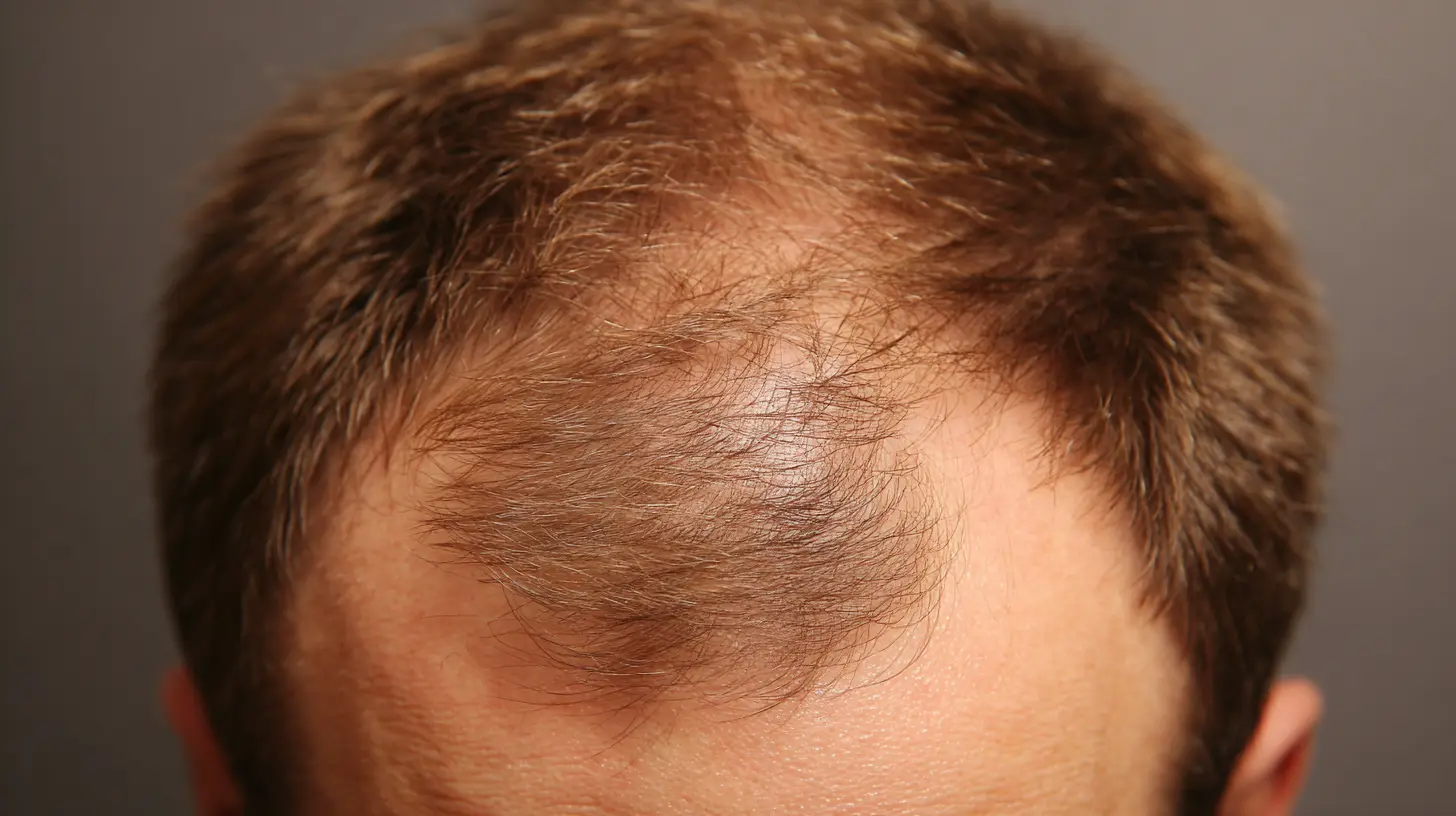
This is the most common form, affecting roughly 80 percent of men and about 40 percent of women by age 70. It is driven by the sensitivity of hair follicles to dihydrotestosterone (DHT), a derivative of testosterone. DHT binds to receptors in the follicle, causing it to shrink over time. The hair cycle shortens, the strand gets finer, and eventually the follicle stops producing visible hair.The key insight here is that the follicle does not die overnight. It miniaturizes gradually. This is why early intervention matters. Once the follicle is completely scarred over, no topical treatment will bring it back. If you catch it during the miniaturization phase, you have a real chance of stabilization and partial reversal.
Telogen Effluvium: The Stress Shed
If you notice sudden shedding that started two to three months after a major illness, a crash diet, a divorce, or a stressful job change, you probably have telogen effluvium. This is a temporary condition where a large number of follicles shift into the resting phase at the same time. The good news is that it usually resolves itself within six to nine months. The bad news is that people often panic and start aggressive treatments that they do not need.The mistake here is assuming that because you are shedding, you have permanent genetic loss. A proper evaluation includes a pull test and a look at the pattern. If the shedding is diffuse and you have no family history, wait it out while addressing your stress and nutrition. Do not start finasteride for a condition that will fix itself.
Alopecia Areata: The Autoimmune Component
This presents as round, smooth patches of hair loss. It is an autoimmune condition where your immune system attacks the follicle. It is unpredictable and can be triggered by viral infections or extreme stress. Treatments are different from those used for genetic loss. Corticosteroid injections are common, and newer JAK inhibitors have shown promise in recent years. If you have patchy loss, see a dermatologist who specializes in hair disorders. Do not waste time with over-the-counter growth serums.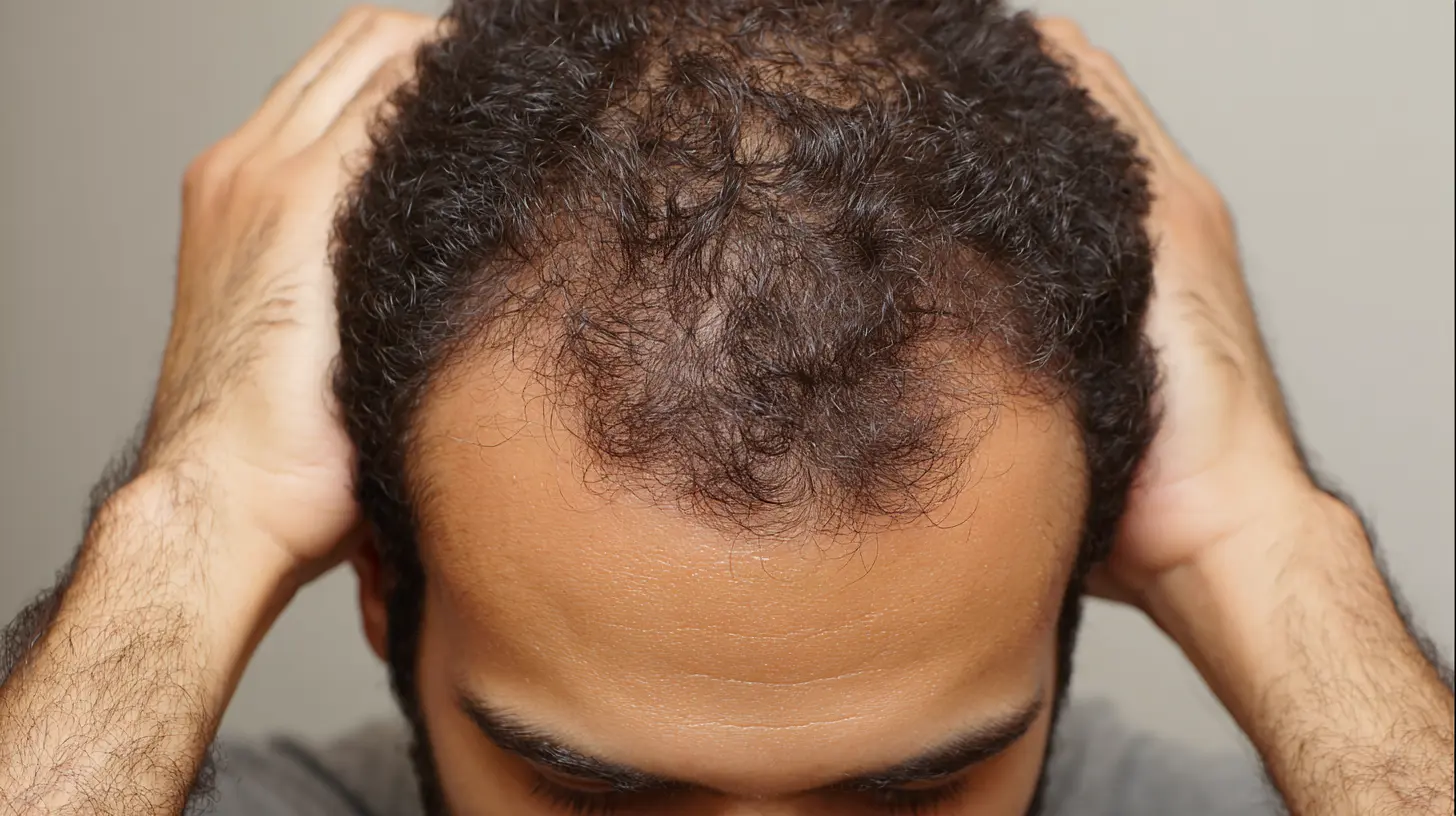
The Medical Mainstays: What Has Survived the Test of Time
By 2027, we have decades of data on the two big players. They are not glamorous, but they work. If you are serious about keeping your hair, you need to understand them deeply.Minoxidil: The Vasodilator That Works Differently Than You Think
Minoxidil was originally a blood pressure medication. Patients noticed increased hair growth as a side effect, and it was repurposed. The exact mechanism is still debated, but it likely works by prolonging the anagen (growth) phase and increasing blood flow to the follicles. It also seems to stimulate the production of growth factors.The oral form, taken as a low-dose pill, has become increasingly popular. The topical foam and solution remain effective, but compliance is a problem. People hate the mess, the sticky feeling, and the need to apply it twice a day. The oral version solves that, but it comes with risks. It can cause fluid retention, low blood pressure, and increased heart rate. It can also cause hypertrichosis, which means you might grow hair on your face and arms. That is usually acceptable to men but often not to women.
The biggest mistake with minoxidil is quitting after a few months because you do not see results. The hair that you lose in the first few weeks of use is actually a good sign. It means the medicine is pushing out old telogen hairs to make way for new growth. If you stop using it, you will lose everything you gained within three to six months. This is a lifelong commitment, not a course of treatment.
Finasteride and Dutasteride: The Hormonal Blockers
Finasteride blocks the type 2 enzyme that converts testosterone to DHT. Dutasteride blocks both type 1 and type 2 enzymes, making it more potent. These drugs are the most effective oral treatments for male pattern baldness. They stop the progression in about 80 to 90 percent of men, and about 60 percent see some regrowth.The controversy, of course, is side effects. Sexual dysfunction, depression, and a rare condition called post-finasteride syndrome are the main concerns. The rates of these side effects are debated. Clinical trials show a low incidence, around 2 to 3 percent, but real-world surveys often report higher numbers. The discrepancy is likely due to nocebo effect and selection bias. Men who experience side effects are more likely to post online, while those who are fine go on with their lives.
What you need to know is this: the side effects are usually reversible when you stop the drug. For most men, the risk is acceptable when weighed against the psychological toll of progressive baldness. But you should not take this drug lightly. Get a baseline blood test, discuss your risk factors with a doctor, and give it a trial period of three to six months. If you feel off, stop. There is no shame in choosing a different path.
For women, finasteride is generally not recommended unless they are post-menopausal, due to the risk of birth defects. Women have more success with spironolactone, an anti-androgen that reduces testosterone activity. It can cause irregular periods and breast tenderness, but many women find it effective for stabilizing hair loss.
The Procedural Options: When Surgery Makes Sense
Hair transplantation has come a long way. The old pluggy look is gone, replaced by natural, artistic results. But it is still surgery, and it is still expensive.Follicular Unit Extraction (FUE) vs. Follicular Unit Transplantation (FUT)
FUE involves extracting individual follicular units from the donor area (usually the back of the head) and transplanting them to the thinning areas. It leaves tiny dot scars that are hard to see, even with a shaved head. Recovery is faster, and there is less pain.FUT, also known as the strip method, involves removing a strip of skin from the donor area and dissecting it under a microscope. It leaves a linear scar, but it allows for a higher number of grafts in a single session. It is also often cheaper.
For 2027, FUE is the dominant choice. Robotic systems like the ARTAS have made the process more precise, but they do not replace the skill of the surgeon. The difference between a good and bad result is not the machine. It is the artistic eye of the doctor who decides where to place each graft to mimic your natural hairline and flow.
The Reality of Transplant Results
A transplant does not give you more hair. It redistributes what you have. This is a crucial point. If you have a limited donor supply, you cannot create a full head of hair. You can only cover the front and crown, leaving a thin area in between. The best candidates are those with stable hair loss, a good donor density, and realistic expectations.The other reality is that transplanted hair is permanent, but your native hair continues to thin. If you do not use finasteride or minoxidil after a transplant, you will end up with islands of transplanted hair surrounded by receding native hair. This looks unnatural and often worse than just being bald. Most reputable surgeons will require you to commit to medical therapy before they even agree to operate.
The cost is another factor. A good FUE session in the United States runs anywhere from $4 to $8 per graft, and a typical session requires 2,000 to 3,000 grafts. That is easily $10,000 to $20,000. Medical tourism is an option, but you have to weigh the risk of poor aftercare, infection, and a botched hairline. If you do go abroad, do your homework on the surgeon, not just the price.
The Emerging Technologies: What Is Real and What Is Vapor
Every year, a new device or serum claims to be the breakthrough. Some have merit. Most do not.Low-Level Laser Therapy (LLLT)
The idea behind laser caps and combs is that red light stimulates the mitochondria in hair follicle cells, increasing energy production and promoting growth. The evidence is mixed but not entirely negative. Several studies show modest improvements in hair density, particularly when used alongside minoxidil.The practical problem is compliance. You have to use the device for 15 to 30 minutes, three to four times a week, for months. Many people buy the cap, use it for a week, and then let it gather dust. If you are disciplined, it might add a small benefit. If you are not, skip it and save your money.
Platelet-Rich Plasma (PRP) Therapy
PRP involves drawing your blood, spinning it in a centrifuge to concentrate the platelets, and injecting the plasma back into your scalp. The growth factors in the platelets are supposed to stimulate the follicles. The procedure is popular, but the evidence is inconsistent. Some studies show significant regrowth; others show no difference from a placebo.The key issue is standardization. There is no universal protocol for how much blood to draw, how fast to spin it, or how many injections to give. The quality of the result depends heavily on the skill of the practitioner. If you try PRP, look for someone who does it regularly and uses a double-spin method to get a higher concentration of platelets. Expect to need three to four sessions initially, then maintenance every six to twelve months. It is not cheap, usually $500 to $1,500 per session.
Exosome Therapy and Stem Cell Treatments
Exosomes are tiny vesicles that carry growth factors between cells. Some clinics are now injecting them into the scalp, claiming they are more effective than PRP. The science is promising, but the regulatory landscape is murky. The FDA has not approved exosome therapy for hair loss. Many clinics are using products that are not properly regulated, and the long-term safety is unknown.Stem cell treatments, where your own fat or bone marrow is processed and injected into the scalp, have similar issues. They are expensive, often costing $5,000 or more, and the results are unpredictable. As of 2027, these are experimental. If you have unlimited funds and understand the risk, you can try them. But do not expect a miracle, and do not let a clinic pressure you into a package deal.
Scalp Micropigmentation (SMP)
This is not a hair growth treatment. It is a cosmetic tattoo that creates the illusion of a shaved head with density. Tiny dots of pigment are placed in the scalp to mimic hair follicles. For men who prefer a buzz cut, SMP can be transformative. It adds depth and shadow, making the head look fuller.The downside is that it is permanent, and the pigment can fade or change color over time. It also requires touch-ups every few years. If you go this route, choose an artist with a strong portfolio. A botched SMP job looks like a bad tattoo on your forehead, and it is very difficult to remove.
The Lifestyle Factors That Actually Matter
You cannot diet your way out of genetic hair loss. But you can make your hair healthier and slow down the process if you are deficient in certain nutrients.Iron and Ferritin
Iron deficiency is a common cause of hair shedding, especially in women. If your ferritin (stored iron) is below 40 ng/mL, you may experience increased shedding even if you are not anemic. A simple blood test can tell you where you stand. If you are low, supplementing with iron and vitamin C can make a noticeable difference within three months.Vitamin D
Low vitamin D levels have been associated with alopecia areata and telogen effluvium. It is difficult to get enough from sunlight alone, especially in winter. A daily supplement of 1,000 to 2,000 IU is reasonable for most people, but you should test your level first to avoid toxicity.Protein and Crash Diets
Hair is made of keratin, a protein. If you are on a very low-calorie diet or a vegan diet without careful planning, you might not be getting enough protein. The body prioritizes vital organs over hair. A sudden drop in protein intake can trigger shedding two to three months later. Aim for at least 0.8 grams of protein per pound of body weight if you are trying to maintain hair.The Scalp Microbiome
There is emerging research on the role of the scalp microbiome in hair health. An overgrowth of certain bacteria or fungi, like Malassezia, can cause inflammation and contribute to shedding. Ketoconazole shampoo, available over the counter at 1 percent and by prescription at 2 percent, has anti-inflammatory and anti-androgen effects. Some dermatologists recommend using it two to three times a week alongside standard treatments. It is not a standalone solution, but it can be a useful adjunct.
Common Mistakes and Misconceptions
Let us clear up some things that are still repeated as fact.Myth: Shaving your head makes hair grow back thicker
This is false. Shaving cuts the hair at the surface, giving it a blunt tip. The blunt tip makes the hair feel coarser and look darker, but the follicle is unaffected. The effect lasts only a few weeks.Myth: Wearing hats causes baldness
Another myth. Hats do not constrict blood flow enough to affect follicles. The only risk is if you wear a very tight hat that causes friction and traction alopecia, which is a different condition.Myth: Natural oils and supplements can replace medical treatment
Rosemary oil, pumpkin seed oil, and saw palmetto have some evidence for mild benefit. They can be part of a routine, but they are not as potent as minoxidil or finasteride. If you have aggressive hair loss, natural remedies alone will not be enough.Mistake: Switching treatments too quickly
Minoxidil takes at least four months to show results. Finasteride takes six to twelve months. Many people try a product for six weeks, see no change, and move on to the next thing. This cycling prevents any treatment from working. Pick a protocol, give it a year, and then evaluate.Mistake: Ignoring the crown
Many men obsess over the hairline and ignore the crown. A transplant to the hairline while the crown continues to thin creates a strange look. Treat the whole scalp, not just the mirror-facing part.Building a Realistic Plan for 2027
There is no one-size-fits-all answer. But here is a framework that works for most people.Step 1: Get a Diagnosis
See a board-certified dermatologist. Ask for a scalp biopsy if the diagnosis is unclear. Get blood work for ferritin, vitamin D, thyroid function, and sex hormones. This takes one visit and costs less than a single PRP session. It is the highest-value step you can take.Step 2: Start with the Basics
For men with androgenetic alopecia, start with minoxidil and finasteride. Use the topical minoxidil twice a day or the oral version once a day. Take finasteride consistently. Give it six months. For women, consider minoxidil and spironolactone under medical supervision.Step 3: Add Adjuncts Based on Response
After six months, if you are not satisfied, consider adding low-level laser therapy or PRP. These are not replacements. They are additions that might push you from stabilization to mild regrowth.Step 4: Consider Surgery Only After Stabilization
If you are on medical therapy for at least a year and your hair loss is stable, then look into a transplant. Choose a surgeon who does only hair restoration, not a generalist who does it on weekends. Look at their before-and-after photos of patients with your hair type and skin tone.Step 5: Set Realistic Expectations
The goal is not to have the hair you had at 18. The goal is to look good for your age and to stop the process from ruining your confidence. For many men, a clean shave with SMP looks better than a thin, wispy comb-over. For many women, a well-cut style with some volume is more attractive than trying to hide the thinning.
The Cost-Benefit Analysis
Hair loss treatments are a long-term financial commitment. Minoxidil costs about $30 to $50 per month. Finasteride generic costs about $15 to $30 per month. That is $500 to $1,000 per year. A transplant costs $10,000 to $20,000 once. PRP costs $2,000 to $6,000 in the first year, then less for maintenance.You have to ask yourself what your hair is worth to you. There is no wrong answer. Some people are fine with shaving it off and moving on. Others find that the anxiety of hair loss affects their work performance and relationships, making the cost of treatment a good investment. Be honest about your priorities.
Conclusion
The hair loss landscape in 2027 is better than it was a decade ago. We have more options, better surgical techniques, and a greater understanding of the biology. But we also have more marketing noise and more people selling false hope. The fundamentals remain the same: early intervention, consistent use of proven medications, and a healthy dose of realism.Start with a doctor, not a Google search. Commit to a plan for at least a year. Do not expect miracles, but do not accept defeat without trying. And remember that hair does not define you. If you try everything and still end up with less hair than you want, you can still live a full, confident life. Sometimes the best solution is learning to let go of the fight and focus on the things that matter more.
all images in this post were generated using AI tools
Category:
Mens HealthAuthor:

Eileen Wood
Discussion
rate this article
2 comments
Eliana Newman
Great article! It's refreshing to see a realistic approach to hair loss solutions. Understanding the options available for 2027 can empower so many on their journey. Thanks for sharing!
September 16, 2026 at 4:16 AM
Eileen Wood
Thank you for your kind words! I'm glad you found the article helpful and informative.
Lyla McNair
This article provides a practical overview of hair loss solutions for 2027. I appreciate the balanced approach to discussing both traditional and emerging treatments. It's refreshing to see realistic options presented without overly optimistic claims. Great resource for anyone facing this issue.
September 8, 2026 at 2:54 AM
Eileen Wood
Thank you for your thoughtful comment! I'm glad you found the article helpful and balanced. Your feedback means a lot.