The Science Behind Vitamin K and Blood Clotting
16 September 2026
Let’s talk about something that doesn’t get enough credit—Vitamin K. No, it’s not the flashy, trendy vitamin like Vitamin C with its immunity perks or Vitamin D with its “sunshine” reputation. But Vitamin K? Oh, it’s an unsung hero, especially when it comes to one of the body’s most essential life-saving mechanisms—blood clotting.
Ever scraped your knee and watched it stop bleeding after a while? You can thank Vitamin K for that little miracle. But how does it really work behind the scenes? Let’s pull back the curtain on this biochemical magic show and dive deep into the science behind Vitamin K and blood clotting.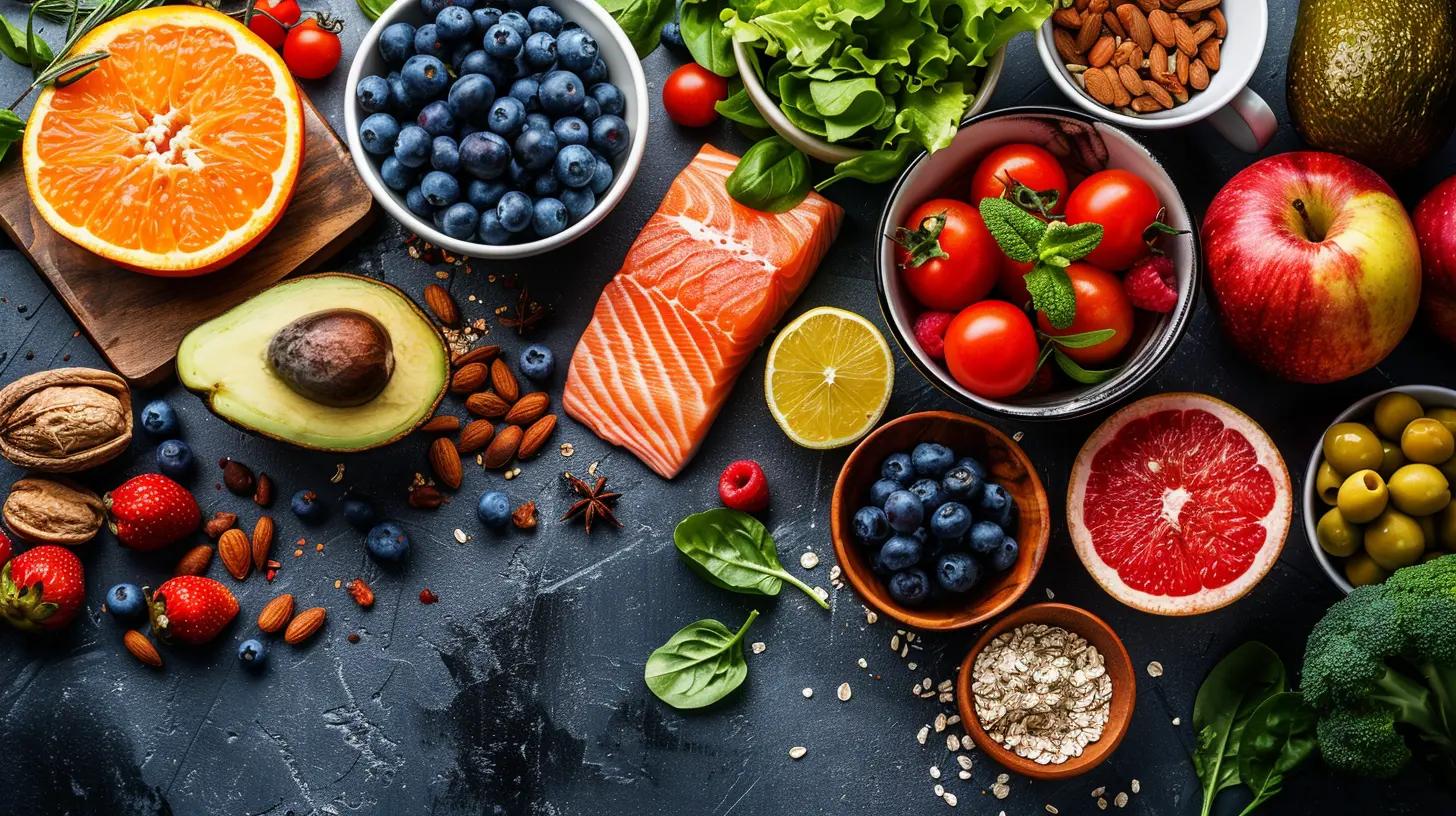
First Things First: What Is Vitamin K?
Vitamin K is a fat-soluble vitamin, meaning it hitchhikes on fat to get absorbed and stored in your body. There are actually two main types:- Vitamin K1 (Phylloquinone) – Found mostly in green leafy veggies like kale, spinach, and broccoli.
- Vitamin K2 (Menaquinone) – Made by bacteria in your gut and found in fermented foods and some animal products.
Now, both of these versions play roles in your body, but K1 is the real MVP when it comes to blood clotting.
So, Why Do We Even Need Blood to Clot?
Let’s paint a picture.Imagine you get a cut on your finger. Without clotting, you'd just keep bleeding … and bleeding … and, well, that wouldn’t end well. Clotting is your body’s emergency response team, patching up damage to blood vessels so you don’t literally leak out.
But clotting isn’t just about plugging holes. It’s about balance. Too little clotting, and you can’t stop bleeding. Too much? You risk dangerous clots like those that cause strokes or heart attacks.
That’s why this system is insanely well-coordinated—and Vitamin K is at the heart of it.
How Vitamin K Fits Into the Clotting Puzzle
Alright, here’s where the science gets juicy.Your body relies on a set of proteins called clotting factors to start the clotting cascade—the domino effect that leads to a clot. Out of the 13 clotting factors, at least four (specifically factors II, VII, IX, and X) need Vitamin K to do their job.
Here’s the kicker: these proteins don’t just use Vitamin K directly. They actually rely on a Vitamin K–dependent chemical process called gamma-carboxylation (try saying that five times fast). This step allows clotting factors to "stick" to calcium ions and the surface of platelets, which is critical for forming a solid clot.
Without this stickiness? No clot, no protection.
So in a nutshell—no Vitamin K, no effective clotting.
The Vitamin K Cycle: The Unsung Biochemical Loop
Now, the body is smart. It recycles Vitamin K through a clever little loop called—you guessed it—the Vitamin K cycle.Imagine it like a washing machine for Vitamin K. It gets used, cleaned up, and reused over and over. This cycle allows your liver to keep pumping out clotting factors without needing a constant flood of new Vitamin K.
But—there’s always a “but”, right?—some medications like warfarin (a common blood thinner) actually interrupt this cycle. They stop Vitamin K from recycling, which slows down clotting. That’s great if you're at risk for clots but dangerous if your levels aren’t monitored.
Signs You're Low on Vitamin K
Let’s be real—most people don’t walk around thinking, “Gee, I hope my clotting proteins are gamma-carboxylating properly today.”But here are a few red flags that your body might be running low on Vitamin K:
- Easy bruising
- Bleeding gums
- Excessively heavy periods
- Blood in urine or stool
- Prolonged clotting time after cuts or injury
In newborns, a deficiency can be even more dangerous, leading to Vitamin K Deficiency Bleeding (VKDB)—which is why babies often get a Vitamin K shot at birth.
Where to Get Your Daily Dose of Vitamin K
Getting enough Vitamin K isn't too hard if you include the right foods in your diet.Here’s the short list of Vitamin K1-rich foods:
- Kale
- Spinach
- Broccoli
- Swiss chard
- Brussel sprouts
Vitamin K2? That’s found in:
- Natto (a fermented soy product)
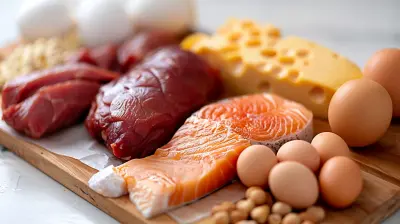
- Cheese
- Egg yolks
- Chicken
- Liver
Because Vitamin K is fat-soluble, pair these with a little healthy fat (think olive oil or avocado) to boost absorption.
And remember, your gut bacteria also produce some K2. So keeping a healthy gut microbiome might give you an extra bonus batch.
Who’s at Risk for Vitamin K Deficiency?
While full-blown Vitamin K deficiency is rare for healthy adults, some people are more likely to fall short:- Newborns (especially if they don’t receive the Vitamin K injection)
- People with fat-malabsorption disorders (e.g., celiac disease, cystic fibrosis)
- Those on long-term antibiotics (which can wipe out gut flora)
- People taking certain medications like warfarin or anti-seizure drugs
It’s always wise to chat with your doctor before taking supplements—especially if you’re on any of those meds.
Vitamin K Supplements: Yay or Nay?
Should you pop a Vitamin K pill just in case?Well, here’s the thing. If your diet includes leafy greens and a moderate amount of fermented foods, you're likely doing just fine.
But supplements can be useful in certain cases:
- If you’re at risk of deficiency
- If you’re pregnant (as advised by a healthcare provider)
- If you’re on blood thinners and need tightly regulated levels
Just don’t go rogue with high doses—especially if you're on anticoagulant meds. It's a delicate balancing act.
Vitamin K and Bone Health—Wait, What?!
Okay, we’ve been talking about blood clotting this whole time, but guess what—Vitamin K has bonus powers.It activates a protein called osteocalcin, which helps bind calcium to your bones. That means Vitamin K isn’t just your blood’s best friend; it’s your skeleton’s secret weapon too.
There's even some research suggesting it may help with reducing arterial calcification, keeping your arteries flexible and youthful. So, yeah, it’s kind of a multi-tasker.
The Dark Side: When Clotting Goes Haywire
Let’s not forget—clotting isn’t always your friend.Too much clotting can lead to:
- Deep vein thrombosis (DVT)
- Pulmonary embolisms
- Heart attacks
- Strokes
Sometimes, this overactivity happens when blood vessels are damaged or inflamed, or you’re immobile for too long. The point? Balance is everything.
And this is where meds like warfarin step in to slow things down—by blocking Vitamin K’s function temporarily.
Vitamin K in Newborns: Why the Shot Matters
In case you’re wondering, "Why do all babies get a Vitamin K shot at birth?"—here’s why.Babies are born with low Vitamin K levels. Their livers are immature, and their gut bacteria haven’t developed enough to produce K2. Without intervention, they’re vulnerable to VKDB, which can be life-threatening.
The shot ensures they have enough Vitamin K to kickstart proper clotting right from day one. It’s a simple preventive step that saves lives.
Final Thoughts: Give Vitamin K the Respect It Deserves
So next time you sprinkle spinach on your salad or munch on some roasted broccoli, give a little nod to Vitamin K—the silent guardian of your circulatory system.It may not have the spotlight like other vitamins, but it plays a life-saving role every single day. From bandaging paper cuts to preventing internal bleeding, this little nutrient does a load of heavy lifting—mostly behind the scenes.
Make sure you’re getting enough, keep your gut healthy, and if you’re on meds, chat with your doctor before making any changes.
Because when it comes to your blood, clotting isn’t optional—it’s vital.
all images in this post were generated using AI tools
Category:
SupplementsAuthor:

Eileen Wood