Algae Oil: A Plant-Based Source of Omega-3s for Vegans
1 March 2026
So you've probably heard about omega-3 fatty acids and how they’re essential for your heart and brain health. The problem? Most people get them from fish. And if you're vegan or just trying to cut back on animal products, that’s a bit of a problem, right?
Enter algae oil — the plant-based superhero of omega-3s.
If you’ve never heard of algae oil before, don't worry! You're not alone. But by the end of this article, you'll not only know what it is, you'll probably want to add it to your daily routine. Let's break it down.
What Exactly Is Algae Oil?
Algae oil is exactly what it sounds like — oil extracted from algae. But wait, don't let the word “algae” throw you off. We’re not talking about that green slime on your pond. This is a clean, cultivated, powerhouse ingredient that’s totally safe and packed with nutrients.Here's the cool part: fish actually get their omega-3s from algae. Yep, you read that right. Fish don't produce omega-3 fatty acids on their own. They get them by eating algae — which means you're just skipping the middleman (or middle-fish?) when you use algae oil.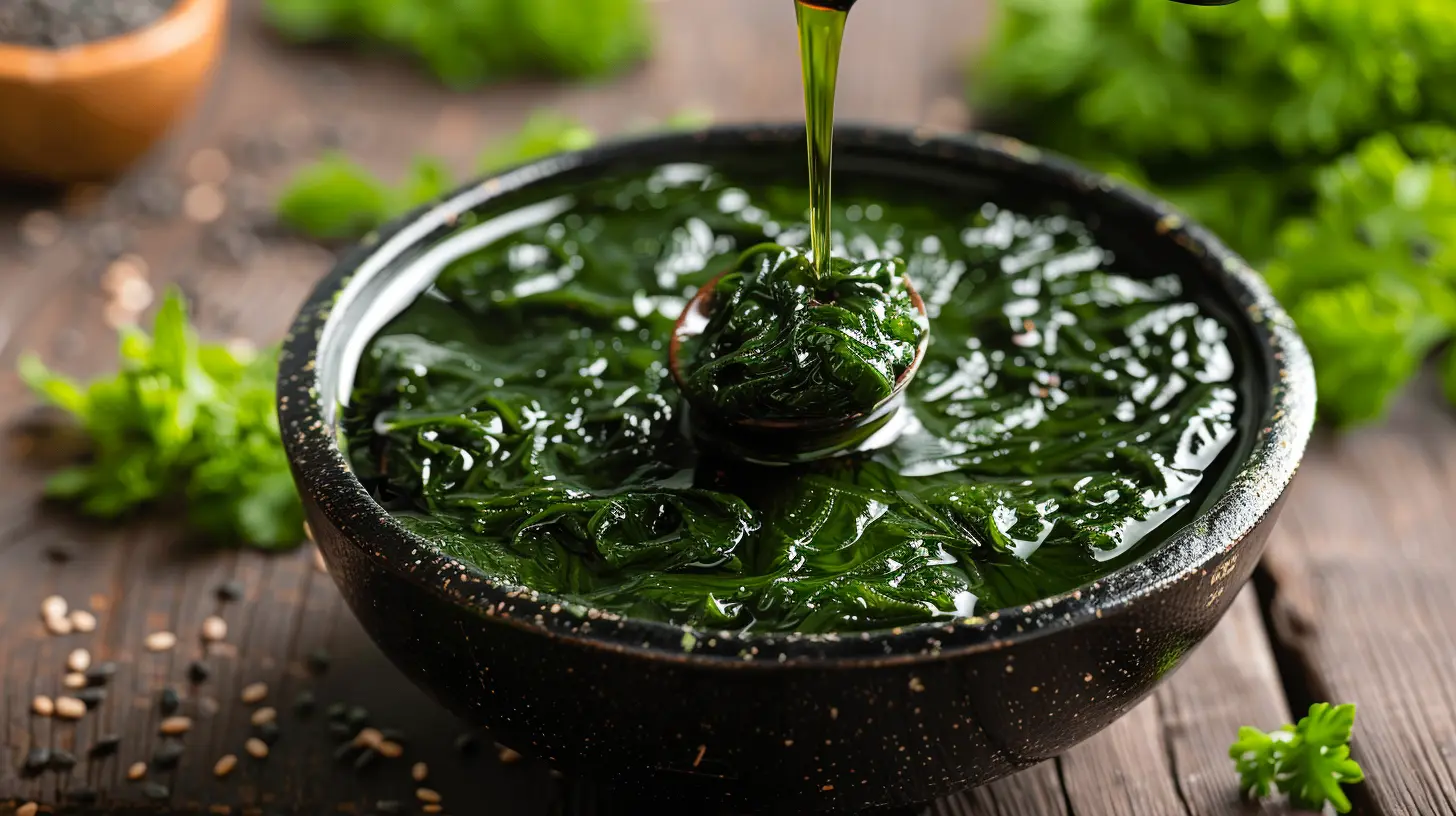
The Omega-3 Dilemma: Why It Matters
Omega-3 fatty acids are essential, meaning your body can't make them on its own. You need to get them through your diet. There are three main types:- ALA (Alpha-linolenic acid) – Found in flaxseeds, chia seeds, and walnuts.
- EPA (Eicosapentaenoic acid) – Found in oily fish or certain types of algae.
- DHA (Docosahexaenoic acid) – Also found in oily fish and algae.
Most plant-based foods give you ALA, which is great, but your body’s not super efficient at converting ALA into EPA and DHA. And those two—especially DHA—are the heavy hitters when it comes to supporting brain function, eye health, and reducing inflammation.
That’s where algae oil swoops in like a nutritional superhero. It gives you the EPA and DHA directly — no fish required.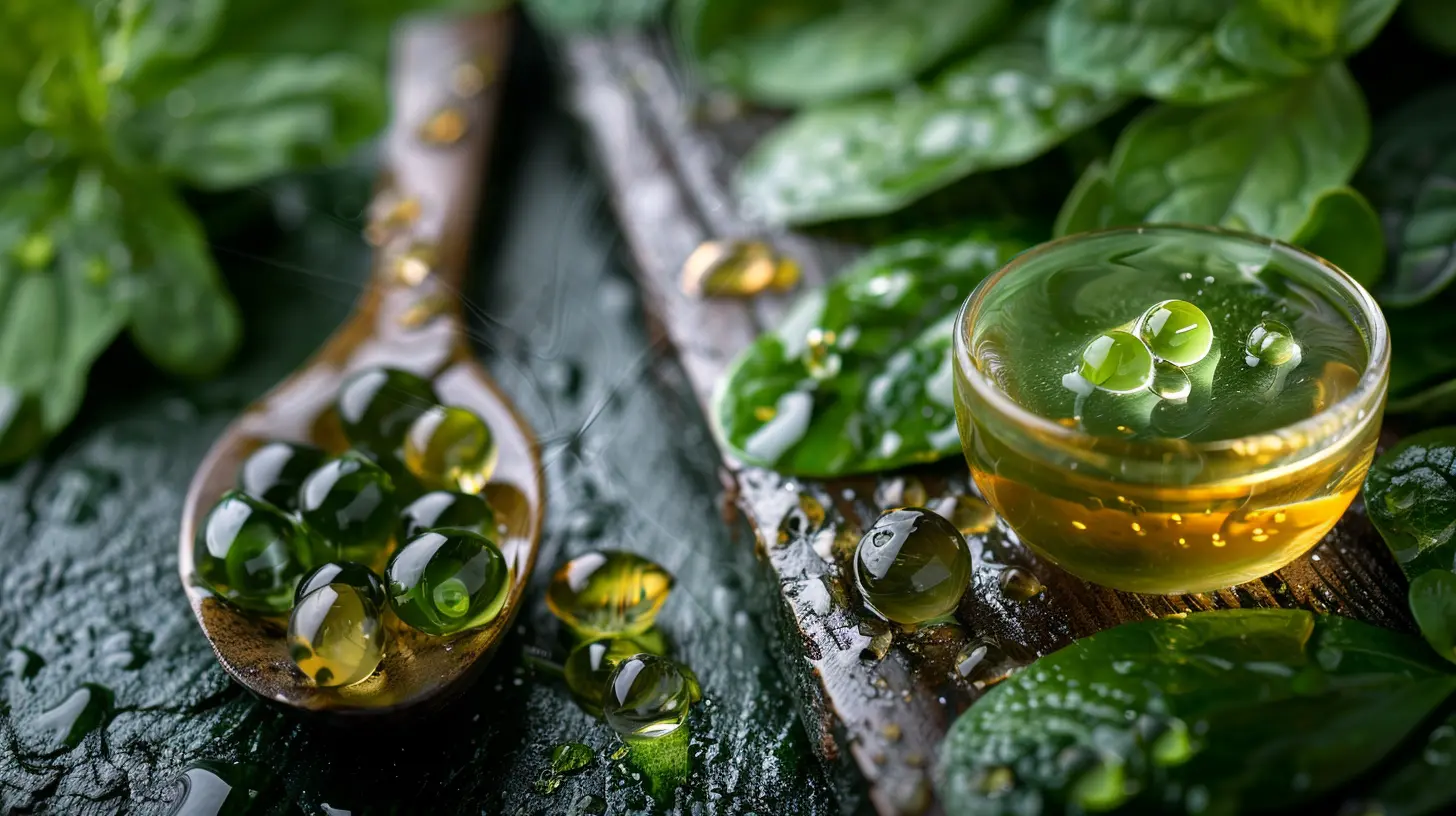
Why Vegans Should Be Pumped About Algae Oil
Let’s face it — being vegan takes dedication. You’re probably already reading labels, making smoothies with spirulina, and avoiding anything with a face. So when it comes to omega-3s, you want a source that aligns with your values but doesn't skimp on effectiveness.Here’s why algae oil is perfect:
- Totally plant-based – No animal cruelty, no compromise.
- Eco-friendly – Algae farming has a low environmental impact. No overfishing or ocean pollution here.
- Direct source of EPA and DHA – Your body doesn't have to work overtime to convert ALA.
- Non-GMO, allergen-friendly options available – Great for people with soy, nut, or gluten sensitivities.
Plus, no fishy aftertaste. Need I say more?
Algae Oil vs. Fish Oil: The Showdown
Let’s do a quick head-to-head comparison:| Feature | Algae Oil | Fish Oil |
|--------------------|------------------|----------------|
| Source | Microalgae | Fish (usually anchovies or sardines) |
| Vegan-friendly | ✅ | ❌ |
| Omega-3 Content | High in EPA & DHA | High in EPA & DHA |
| Sustainability | ✅ (Low impact) | ❌ (Overfishing concerns) |
| Taste | Neutral | Fishy (obviously) |
| Purity | Free from toxins | May contain mercury or PCBs |
Fish oil may have dominated the market for decades, but algae oil is clearly the future — especially for those living a plant-based lifestyle.
Health Benefits of Algae Oil
Alright, let’s get into the juicy benefits. Why are omega-3s from algae oil so important?1. Brain Boosting Power
DHA is a major structural fat in your brain — so yeah, it’s kind of a big deal. Studies suggest that adequate DHA can help with memory, focus, and even mood stability. Feeling a little foggy lately? Maybe your brain’s just thirsty for some good fats.2. Heart Health MVP
EPA and DHA help reduce triglycerides, regulate blood pressure, and lower the risk of heart disease. In simple terms, they keep your ticker ticking smoothly.3. Eye Health Support
Your retinas also love DHA. It helps maintain good vision and may reduce the risk of age-related macular degeneration (that thing no one wants to think about until it’s too late).4. Anti-Inflammatory Wonder
Feeling achy? Chronic inflammation is linked to a ton of health issues, from arthritis to heart disease. Omega-3s help tamp that down naturally.5. Prenatal and Infant Brain Support
Moms-to-be, listen up: DHA is crucial during pregnancy for the baby’s brain and eye development. Algae oil supplements are a clean, safe way to get that nutrition without worrying about mercury levels.How to Use Algae Oil in Your Routine
Adding algae oil to your life is super easy. Most folks go for capsule supplements, which you can find online or in health stores. Some brands even offer liquid algae oil, which you can mix into smoothies or salad dressings.A few pro tips:
- Take it with meals – This helps with absorption.
- Don’t overdo it – A little goes a long way. Stick with the recommended dosage.
- Store it properly – Keep it in a cool, dark place to prevent oxidation (nobody likes rancid oil).
What to Look for in a Quality Algae Oil Supplement
Not all algae oils are created equal. Some are made with better processes, some come from higher-quality algae strains. Here’s what to keep an eye out for:- EPA + DHA content – Check the label. Some only contain DHA!
- Third-party tested – You want it to be pure and safe.
- Sustainable & non-GMO – More eco-love is always a win.
- No fillers or weird additives – Keep it clean and simple.
A few trusted brands in the vegan community include Ovega-3, Testa, and Nordic Naturals (they have an algae-based line too). But always do your own research and read those labels!
Any Side Effects?
For most people, algae oil is super safe. But like anything, moderation is key.Some people might notice mild side effects like:
- Upset stomach
- Mild aftertaste (less common than with fish oil)
- Thinner blood if taking high doses (so talk to your doc if you’re on blood thinners)
Always consult with your healthcare provider before adding a new supplement — especially if you have pre-existing conditions or you're pregnant.
Is Algae Oil Worth the Hype?
If you're vegan (or just fish-averse), algae oil is a game-changer. It's clean, effective, environmentally responsible, and totally plant-based. It offers all the benefits of fish oil without any of the guilt — or the fishy burps. What’s not to love?And even if you’re not plant-based, it’s still a great alternative. With all the concerns about mercury in fish and unsustainable fishing practices, algae oil offers peace of mind and serious nutrition.
Final Thoughts
Let’s be real — getting enough omega-3s on a vegan diet can be tricky. But that doesn’t mean you’re stuck eating pounds of flaxseed and hoping your body magically converts ALA into DHA.Algae oil takes the guesswork out of the equation.
So, whether you’re looking to boost your brain, support your heart, or just feel good knowing you’re making a sustainable choice, this little green oil might be your new best friend.
Next time someone tells you that you need fish to get omega-3s, just smile and tell them about algae. Then enjoy that salad, knowing your body (and the planet) are better off for it.
all images in this post were generated using AI tools
Category:
SupplementsAuthor:

Eileen Wood
Discussion
rate this article
2 comments
Thalia McEvoy
This article highlights an important and often overlooked source of omega-3s for vegans. Algae oil offers a sustainable and plant-based alternative, making it easier for those following a vegan diet to meet their essential fatty acid needs.
March 27, 2026 at 4:16 PM
Eileen Wood
Thank you for your insightful comment! I'm glad you found the article informative on the benefits of algae oil for vegans seeking omega-3s.
Melanie Griffin
Interesting take on algae oil as a vegan omega-3 source! How does its nutritional profile compare to traditional fish oils? I'd love to hear more about its benefits and potential side effects!
March 1, 2026 at 4:58 AM
Eileen Wood
Thank you for your interest! Algae oil is rich in DHA and EPA, comparable to fish oil, and offers benefits like heart health and anti-inflammatory properties. Side effects are generally minimal but can include digestive issues for some individuals. I’d be happy to explore this further!