Are You Drinking Too Much Caffeine? The Impact on Your Cardiovascular System
13 February 2026
Do you ever feel like caffeine is your best friend? It wakes you up, gets you through meetings, and helps you survive those never-ending to-do lists. But have you ever stopped to think—are you drinking too much of it? And more importantly, what’s it doing to your heart?
Caffeine is a powerful stimulant, and while it can be a lifesaver during sluggish mornings, too much of it may have some not-so-friendly effects on your cardiovascular system. So, before you take another sip of that triple-shot espresso, let’s dive into what happens when caffeine and your heart go head-to-head.
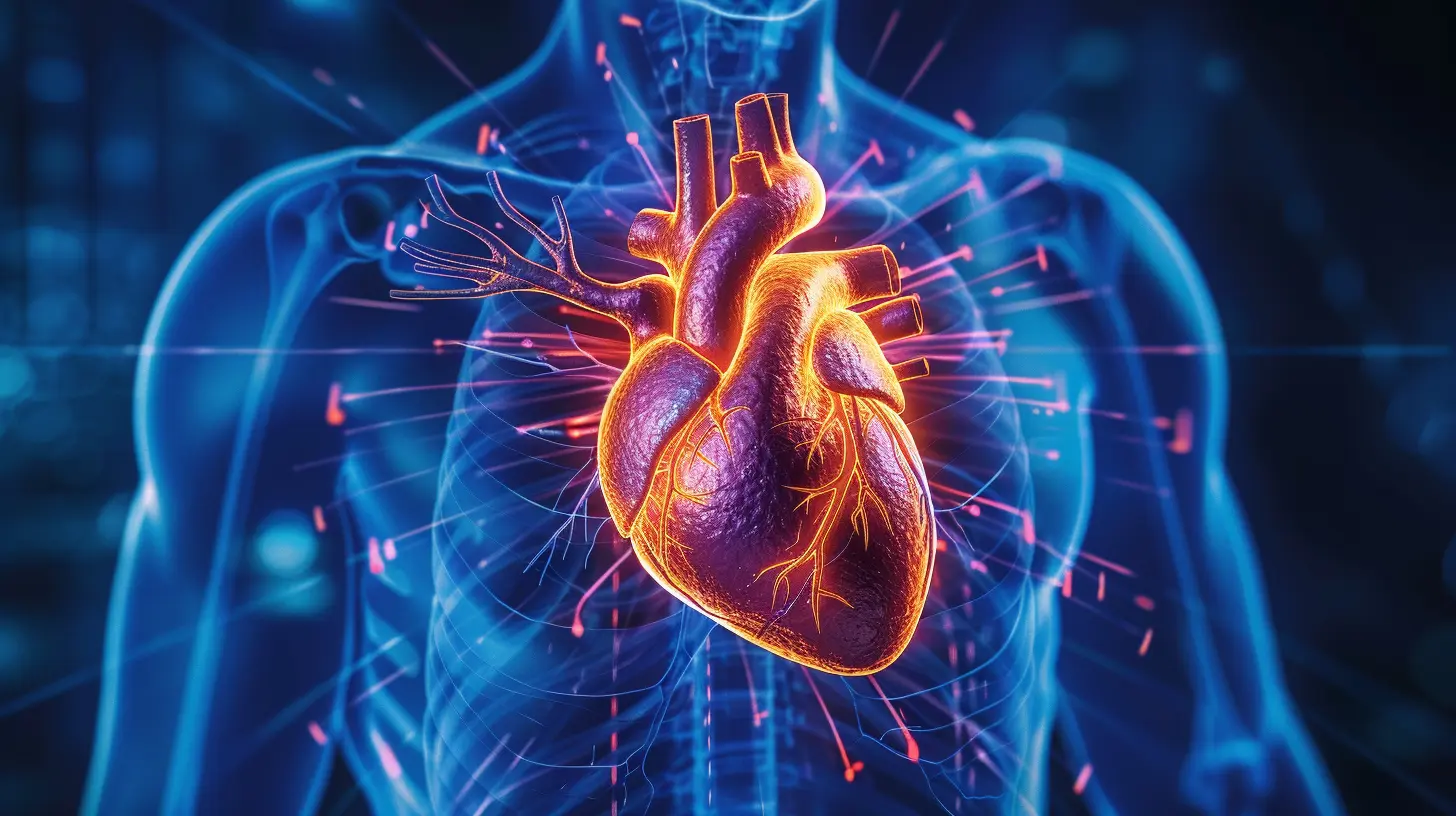
How Much Caffeine Is Too Much?
First things first—what’s considered “too much” caffeine? According to health experts, up to 400 mg per day (about four 8-ounce cups of coffee) is generally safe for most adults. But let’s be real—many of us are surpassing that limit without even realizing it.Energy drinks, sodas, certain teas, and even chocolate pack caffeine, making it easy to overdo it. If you’re someone who can’t function without multiple cups of coffee, you might be inching into the “too much caffeine” zone.
So, how does caffeine mess with your heart? Let’s break it down.
The Link Between Caffeine and Your Heart
1. Increases Heart Rate (Uh-oh, Palpitations!)
Ever feel like your heart is doing a drum solo after an extra-strong cup of coffee? That’s because caffeine stimulates your central nervous system, causing your heart to beat faster.For most people, this is temporary. But if you’re already prone to heart palpitations or arrhythmias, too much caffeine could make things worse. It’s like stepping on the gas when your car already has a shaky engine—not the best idea!
2. Raises Blood Pressure (Even If You’re Healthy)
Caffeine can give your blood pressure a noticeable temporary spike. That’s because it narrows blood vessels and triggers the release of adrenaline, making your heart work harder.If you have high blood pressure (hypertension), drinking too much caffeine might make it even harder to control. Even if your blood pressure is normal, regular caffeine overload could nudge it upward over time.
3. Can Lead to Dehydration (Your Heart Won’t Appreciate That)
Caffeine is a diuretic, meaning it makes you pee more. If you’re guzzling coffee but not drinking enough water, you could be dehydrating yourself—without realizing it.Why does this matter for your heart? Well, dehydration thickens your blood, making your heart work harder to pump it around your body. Think of it like trying to drink a milkshake through a tiny straw—it’s way more effort than it needs to be!
4. Disrupts Sleep (Which Your Heart Desperately Needs)
If you’re a late-night coffee drinker, be warned—caffeine can seriously mess with your sleep. And poor sleep has been linked to higher blood pressure, heart disease, and an increased risk of heart attacks.Your heart (and body) need rest to repair and function at their best. If caffeine is robbing you of quality sleep, you might be setting yourself up for long-term cardiovascular issues.
5. May Increase the Risk of Heart Disease (If Overconsumed)
Some studies suggest that drinking excessive amounts of caffeine over the long term might contribute to heart disease. While moderate consumption is fine, chronic overuse may lead to higher cholesterol levels, arterial stiffness, and increased inflammation—all of which can set the stage for cardiovascular problems.Does this mean you need to quit caffeine completely? Not necessarily! But moderation is key.
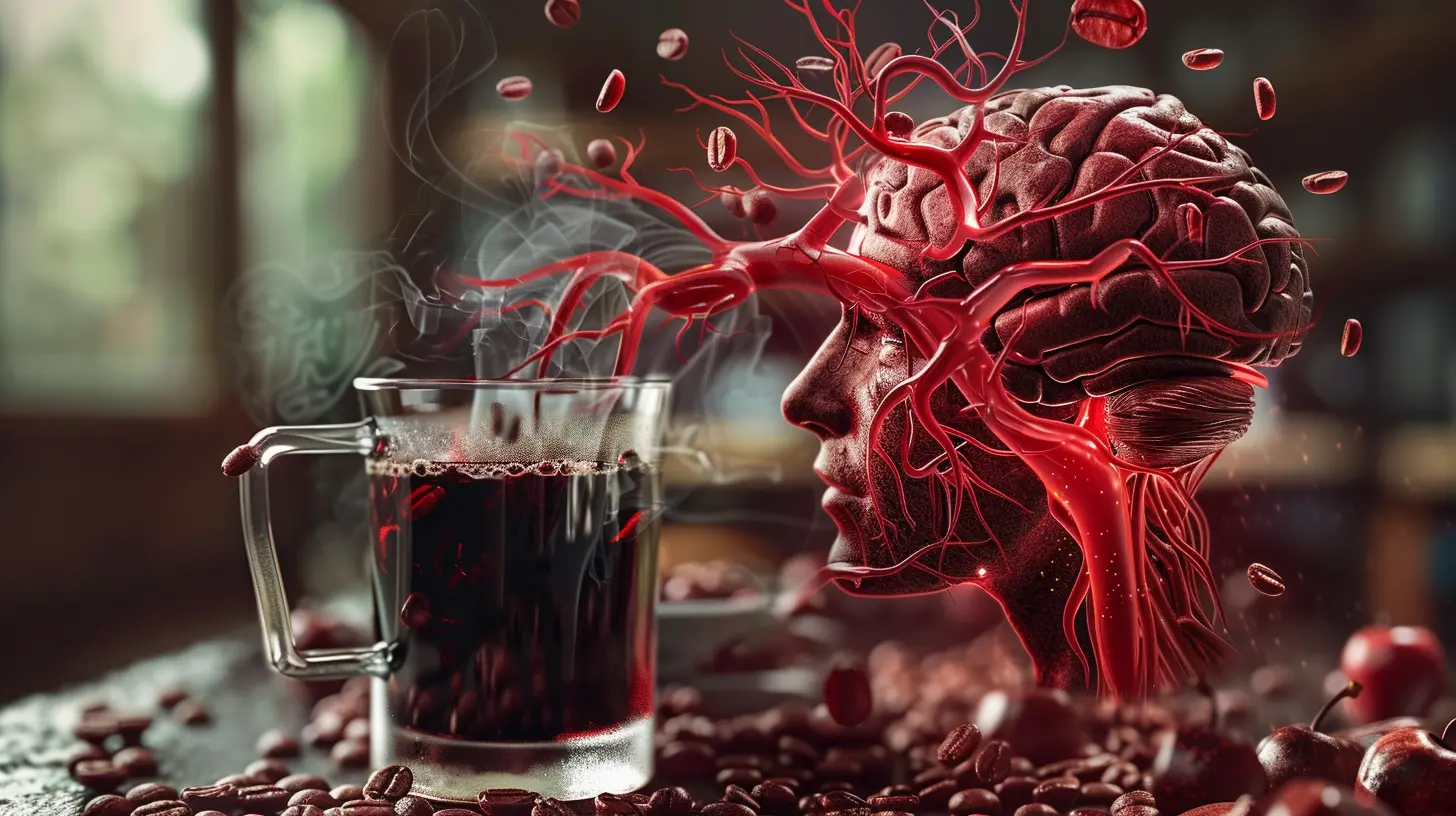
How to Tell If You’re Drinking Too Much Caffeine
Wondering if you’ve crossed the “too much” threshold? Watch out for these signs:✅ Heart palpitations or a racing heart
✅ Jitters, restlessness, or anxiety
✅ High blood pressure readings
✅ Insomnia or poor sleep quality
✅ Headaches or migraines
✅ Digestive issues (hello, acid reflux!)
✅ Feeling exhausted despite caffeine intake
If you nodded along to multiple symptoms, it might be time to rethink your caffeine habits.
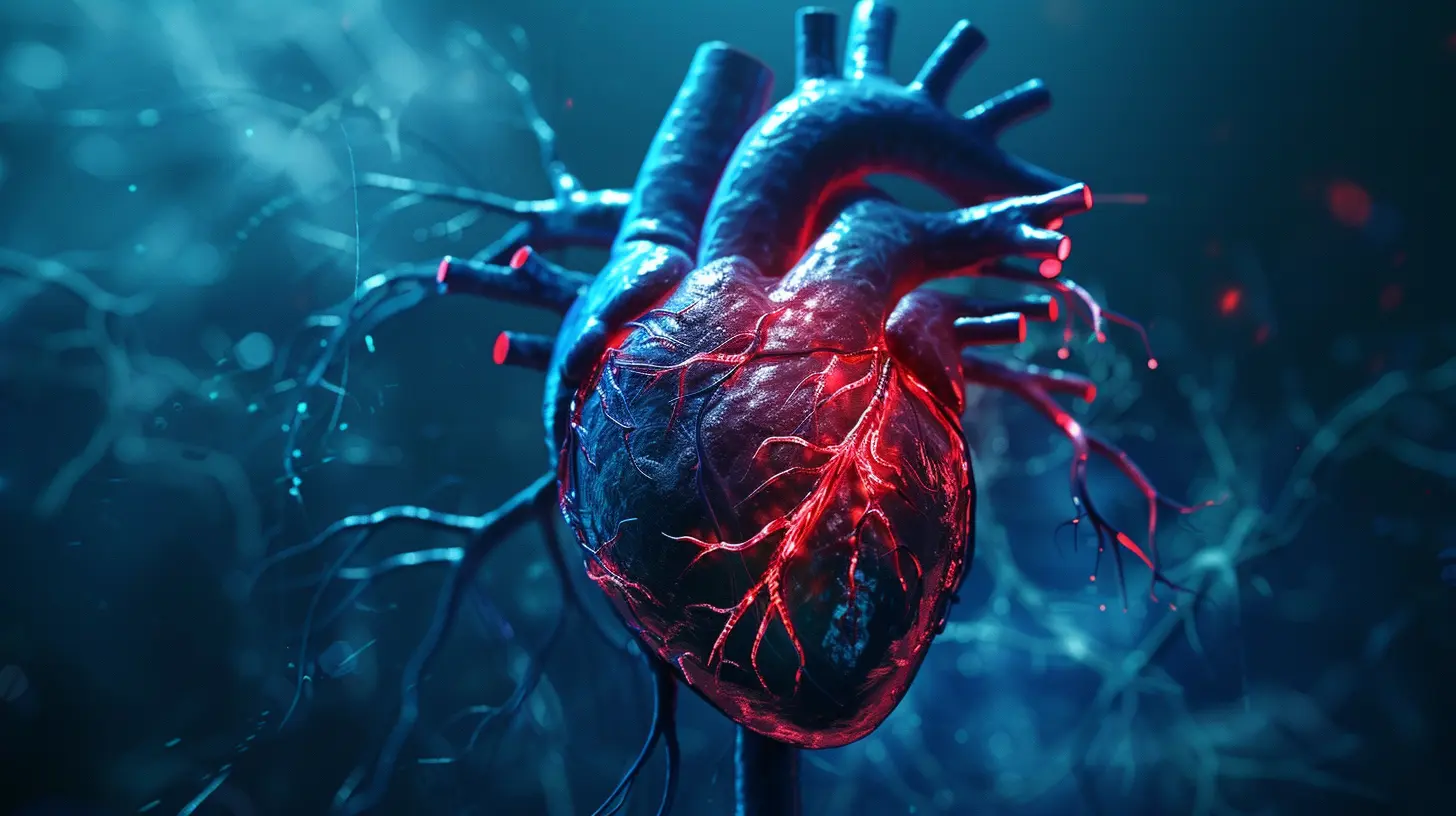
How to Cut Back on Caffeine Without Feeling Miserable
Okay, so you’ve realized you might be drinking a bit too much caffeine. But cutting back can feel like breaking up with a toxic (but irresistible) ex. Here’s how to do it without suffering:1. Reduce Gradually (Cold Turkey Isn’t Fun)
Dropping caffeine suddenly can lead to withdrawal symptoms like headaches, fatigue, and irritability. Instead, cut back bit by bit—switch one cup to decaf or decrease your intake over a few weeks.2. Hydrate Like a Pro
If caffeine is dehydrating you, counteract it with more water. Try drinking a glass of water for every cup of coffee you consume.3. Swap in Healthier Alternatives
Not ready to say goodbye to your favorite ritual? Try herbal teas, matcha, or chicory coffee—they give you the warm-beverage experience without the caffeine overload.4. Prioritize Sleep and Natural Energy Boosters
Relying on caffeine to function means you’re probably running low on natural energy. Get more sleep, eat balanced meals, move your body, and take breaks to recharge instead of reaching for an extra shot of espresso.5. Listen to Your Body
At the end of the day, everyone’s caffeine tolerance is different. Some people can have five cups of coffee and feel great, while others get palpitations after just one. Pay attention to how caffeine makes you feel and adjust accordingly.The Bottom Line
Caffeine isn’t the enemy—but too much of it can throw your heart into a frenzy. If you’re experiencing heart palpitations, high blood pressure, or poor sleep, it might be time to reassess your coffee habits.The good news? You don’t have to give it up completely—just be mindful of your intake and listen to your body. Your heart will thank you for it.
So, the next time you reach for that third (or fourth) cup of coffee, ask yourself—is it worth the heart-pounding aftermath?
all images in this post were generated using AI tools
Category:
Heart HealthAuthor:

Eileen Wood
Discussion
rate this article
2 comments
Paige McCool
Great article! It's crucial to understand our caffeine intake and its effects on heart health. Small adjustments can lead to big changes—prioritize your well-being and listen to your body! Keep thriving!
March 16, 2026 at 4:34 AM
Eileen Wood
Thank you for your thoughtful comment! I completely agree—being mindful of our caffeine intake is essential for heart health. Prioritizing well-being is key!
Heidi McKeever
Great article! Caffeine can significantly affect heart health. It's essential to monitor intake and understand individual tolerance to maintain a balanced lifestyle and support cardiovascular well-being.
February 19, 2026 at 4:03 PM
Eileen Wood
Thank you! I'm glad you found the article informative. Monitoring caffeine intake is indeed crucial for heart health.