A Little Dirt May Be a Big Boost for Children's Health
February 14, 2026 - 02:02
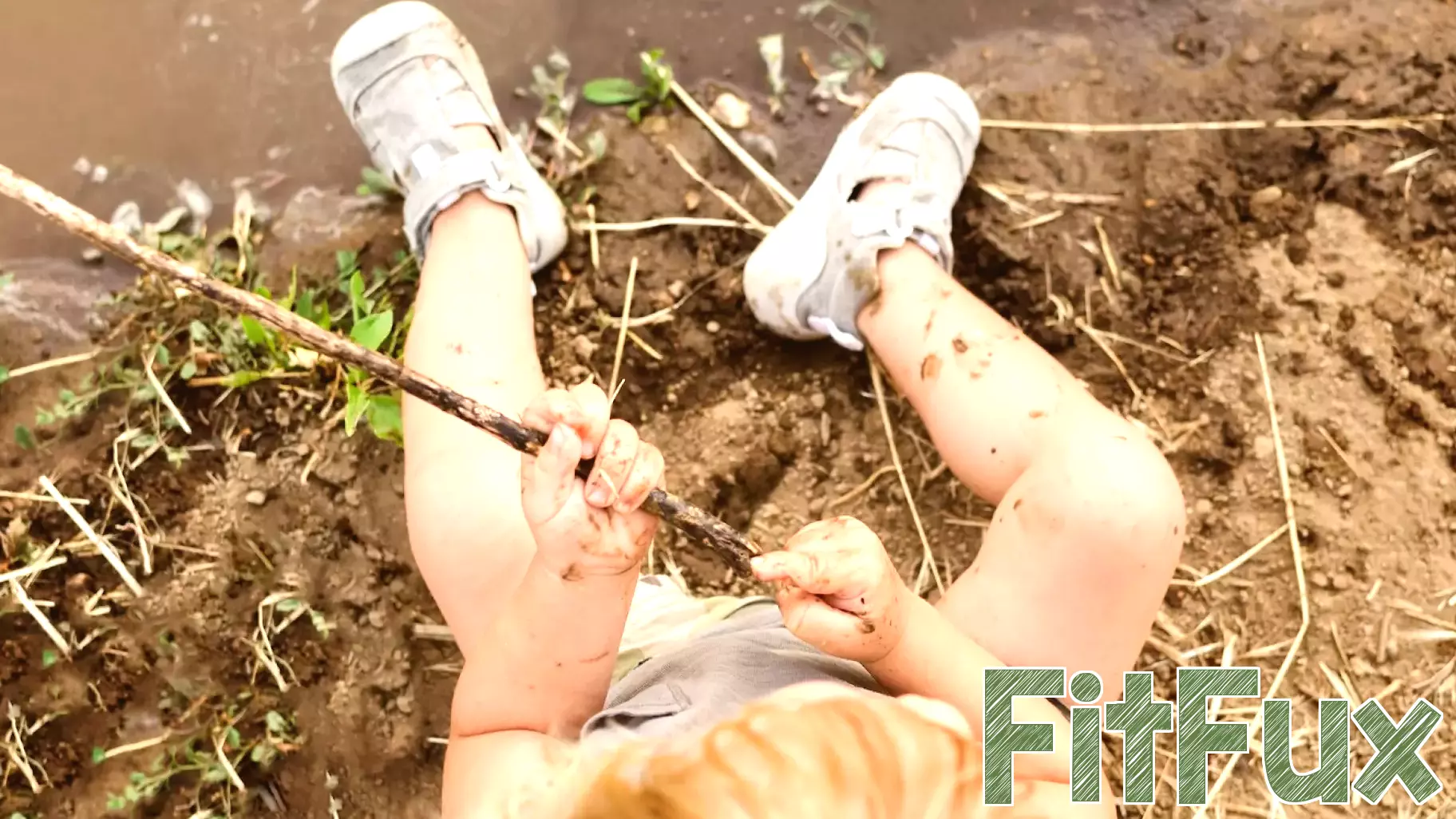
The age-old advice to let kids get dirty is getting a scientific stamp of approval. Researchers are now pinpointing exactly how early exposure to certain microbes can build a stronger, more resilient immune system that pays dividends well into adulthood.
The key lies in the "hygiene hypothesis," which suggests that overly sterile environments in childhood can lead to under-trained immune systems, potentially increasing the risk for allergies and autoimmune diseases later in life. The focus is shifting from simply avoiding germs to understanding which exposures are beneficial.
Scientists emphasize that the health boost comes from diverse, environmental microbes—think the kind found in garden soil, from furry pets, or through playful interaction with other children. These exposures help teach the developing immune system to distinguish between harmless substances and genuine threats.
This doesn't mean abandoning basic hygiene, but rather encouraging more outdoor play and contact with the natural world. The research underscores that routine childhood activities, from digging in the dirt to petting a dog, are not just fun but are foundational for building long-term health.
MORE NEWS

September 29, 2026 - 19:15
Mayor Mamdani Opens New Bridge to Home Facility in Brooklyn, Expanding Path from Hospital Care to Permanent HousingNew York, NY - Today, Mayor Zohran Kwame Mamdani and NYC Health + Hospitals announced the opening of a new Bridge to Home facility in Brooklyn, expanding the city`s efforts to move patients from...

September 29, 2026 - 03:41
Behavioral Health Crisis Unit Opens in Cleveland's Central NeighborhoodA new facility designed to provide urgent care for people experiencing behavioral health crises has opened in Cleveland. The unit, located at The Glick Recovery Campus in the Central Neighborhood,...

September 28, 2026 - 01:46
Lawmakers Say Delayed Maternal Health Report Puts Pregnant Women at RiskA delayed maternal health report in Texas has drawn sharp criticism from state lawmakers who argue the holdup is driven by politics rather than procedure, and that the consequences fall hardest on...

September 27, 2026 - 13:09
Pennsylvania Looks to Texas as Measles Cases Climb in Mennonite CommunitiesHealth officials in Pennsylvania are paying close attention to the measles outbreak that unfolded in Texas, searching for lessons that might apply closer to home. Both states have seen the virus...