Why Prenatal Vitamins Are Crucial for Healthy Pregnancy
29 December 2025
Bringing a new life into the world is nothing short of miraculous. But let’s be real—pregnancy can also be nerve-wracking, especially when it comes to making sure both you and your baby are as healthy as possible. One crucial step in ensuring a smooth journey is taking prenatal vitamins.
You’ve probably heard about them, maybe even had your doctor recommend them. But why exactly are they so important? Let’s dive into the science and practical benefits behind these powerhouse supplements. 
What Are Prenatal Vitamins?
Prenatal vitamins are specially formulated supplements designed for pregnant women (or those trying to conceive). Unlike regular multivitamins, prenatal vitamins contain higher amounts of key nutrients that support both mom and baby throughout pregnancy. They help fill in any gaps in your diet and ensure your little one gets everything they need to develop healthily.But here’s the catch—every pregnancy is different, and so are your body’s nutritional needs. That’s why taking a high-quality prenatal vitamin can be a game-changer in giving your baby the best start possible. 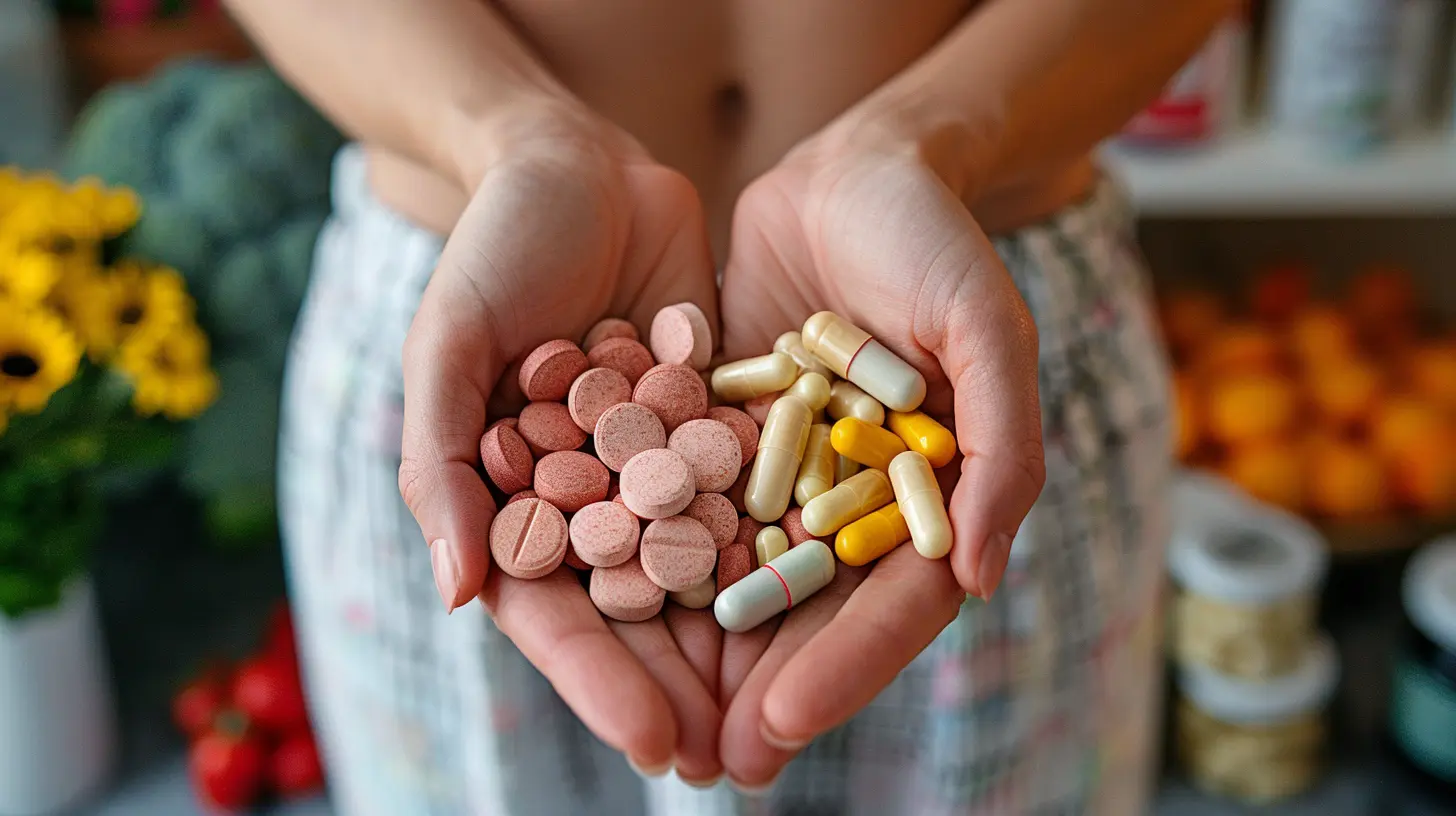
Why Are Prenatal Vitamins So Important?
1. Folic Acid Prevents Birth Defects
One of the most talked-about ingredients in prenatal vitamins is folic acid (also known as folate). This B-vitamin is essential for proper brain and spinal cord development.A deficiency in folic acid during pregnancy can lead to neural tube defects (NTDs) like spina bifida, which affects the baby’s spinal cord development. The CDC recommends that all women of childbearing age take at least 400 to 800 micrograms (mcg) of folic acid daily—starting even before conception.
2. Iron Supports Oxygen Supply
Iron is another superstar ingredient in prenatal vitamins. Why? Because during pregnancy, your blood volume increases by nearly 50% to support your growing baby! Iron helps produce more red blood cells, ensuring that enough oxygen reaches both mom and baby.A lack of iron can lead to anemia, which causes fatigue, weakness, and an increased risk of preterm birth. Most prenatal vitamins contain 27mg of iron, the recommended daily amount during pregnancy.
3. Calcium Strengthens Bones
Your baby’s bones start developing early, and they need a steady supply of calcium to grow strong and healthy. If you’re not getting enough calcium from your diet, your body will take it from your bones to support your baby’s development. And that’s not ideal for your long-term bone health!That’s where prenatal vitamins come in—they typically provide around 200-300mg of calcium, though you may still need to consume calcium-rich foods (like dairy, leafy greens, and almonds) to meet the daily pregnancy requirement of 1,000mg.
4. DHA Supports Brain Development
DHA (docosahexaenoic acid) is an omega-3 fatty acid crucial for your baby’s brain and eye development. It helps build strong nerve tissue and enhances cognitive function.Not all prenatal vitamins include DHA, so it’s worth checking the label. If not, consider adding a separate fish oil or algae-based supplement to ensure you get the recommended 200-300mg of DHA daily.
5. Vitamin D Aids in Calcium Absorption
Vitamin D and calcium go hand in hand. Your body needs enough Vitamin D to absorb calcium properly, which is key for both your baby's bone growth and your own skeletal health.A deficiency in Vitamin D can lead to rickets (soft, weak bones in babies) and increase the risk of pregnancy complications like gestational diabetes and preeclampsia. Most experts suggest 600 IU of Vitamin D daily, which many prenatal vitamins include.
6. Reduces The Risk of Pregnancy Complications
Taking a well-balanced prenatal vitamin can help lower the chances of:- Preterm birth
- Low birth weight
- Preeclampsia
- Gestational diabetes
While prenatal vitamins aren’t a magic bullet, they do help reduce risks and keep both mom and baby on the right track. 
When Should You Start Taking Prenatal Vitamins?
Ideally, you should start taking prenatal vitamins before you even get pregnant—at least three months before conception. Here’s why:- The neural tube (which forms the brain and spine) develops in the first month of pregnancy, often before you even know you’re pregnant.
- Taking folic acid ahead of time helps prevent neural tube defects.
- Early supplementation ensures your body has all the essential nutrients right away.
If you’re already pregnant and haven’t started prenatal vitamins yet—don’t panic! Start as soon as possible and talk to your doctor about the best option for you. 
Are There Any Side Effects?
Like anything else, prenatal vitamins can sometimes come with minor side effects. The most common ones include:- Nausea or upset stomach (especially if taken on an empty stomach)
- Constipation (due to the iron content)
- Unusual taste or smell (some vitamins have a strong odor)
To minimize these effects:
- Take your vitamin with food to avoid nausea.
- Drink lots of water and eat fiber-rich foods to combat constipation.
- Try a different brand or gummy version if the taste bothers you.
If you experience severe side effects, consult your doctor for alternative options.
What to Look for in a Prenatal Vitamin
With so many brands out there, choosing the right prenatal vitamin can feel overwhelming. Here’s a quick checklist of what to look for:- Folic Acid (400-800 mcg)
- Iron (27 mg)
- Calcium (200-300 mg)
- Vitamin D (600 IU or more)
- DHA (200-300 mg, if available)
- Iodine (150 mcg, supports thyroid function)
- Vitamin B6 (helps with morning sickness)
Some brands also include probiotics, choline, or magnesium, which can offer extra benefits. Talk to your doctor to find the best option for your unique needs.
Can You Get Enough Nutrients From Food Alone?
In a perfect world, we’d get all the necessary nutrients from a well-balanced diet. But let’s be honest—pregnancy cravings, morning sickness, and food aversions can make that pretty tough.Even with the healthiest diet, some nutrients (like folic acid and iron) are harder to get in the right amounts from food alone. Prenatal vitamins fill in the gaps, ensuring your baby gets optimal nutrition no matter what’s on your plate.
Final Thoughts
Pregnancy is a beautiful but demanding journey, and prenatal vitamins play a vital role in ensuring both you and your baby stay healthy every step of the way. From preventing birth defects to supporting brain development and reducing pregnancy risks, these little supplements make a big impact.If you’re planning for a baby or already expecting, don’t hesitate—grab a high-quality prenatal vitamin today and give your little one the best start in life!
all images in this post were generated using AI tools
Category:
VitaminsAuthor:

Eileen Wood
Discussion
rate this article
2 comments
Quinn McLemore
Prenatal vitamins: because growing a tiny human is hard work! It's like giving your baby a multivitamin spa day while you binge-watch pregnancy documentaries. Everyone wins!
February 13, 2026 at 5:00 AM
Eileen Wood
Absolutely! Prenatal vitamins support both mom and baby, ensuring essential nutrients are provided for a healthy pregnancy while you enjoy some well-deserved downtime.
Zevran McCaw
Empower your pregnancy with essential prenatal nutrition!
January 7, 2026 at 5:30 AM
Eileen Wood
Thank you! Prenatal nutrition is vital for both maternal health and fetal development, ensuring a healthy pregnancy.