How to Read Food Labels Like a Nutritional Pro
15 January 2026
Let’s be honest—we’ve all stood in the grocery store aisle, squinting at a food label, trying to decode what the heck it all means. Calories, sodium, daily value percentages… it feels like trying to read a nutritionist's diary written in code. If you've ever felt overwhelmed or confused by all that tiny print, you're not alone.
The good news? You don't need a PhD in dietetics to understand food labels. Once you know what to look for (and what to ignore), those labels become less intimidating and way more helpful. You’re basically giving yourself x-ray vision—seeing through the marketing fluff and straight into what’s actually in your food.
So, grab your shopping list and get comfy. Let’s break down how to read food labels like a true nutritional pro.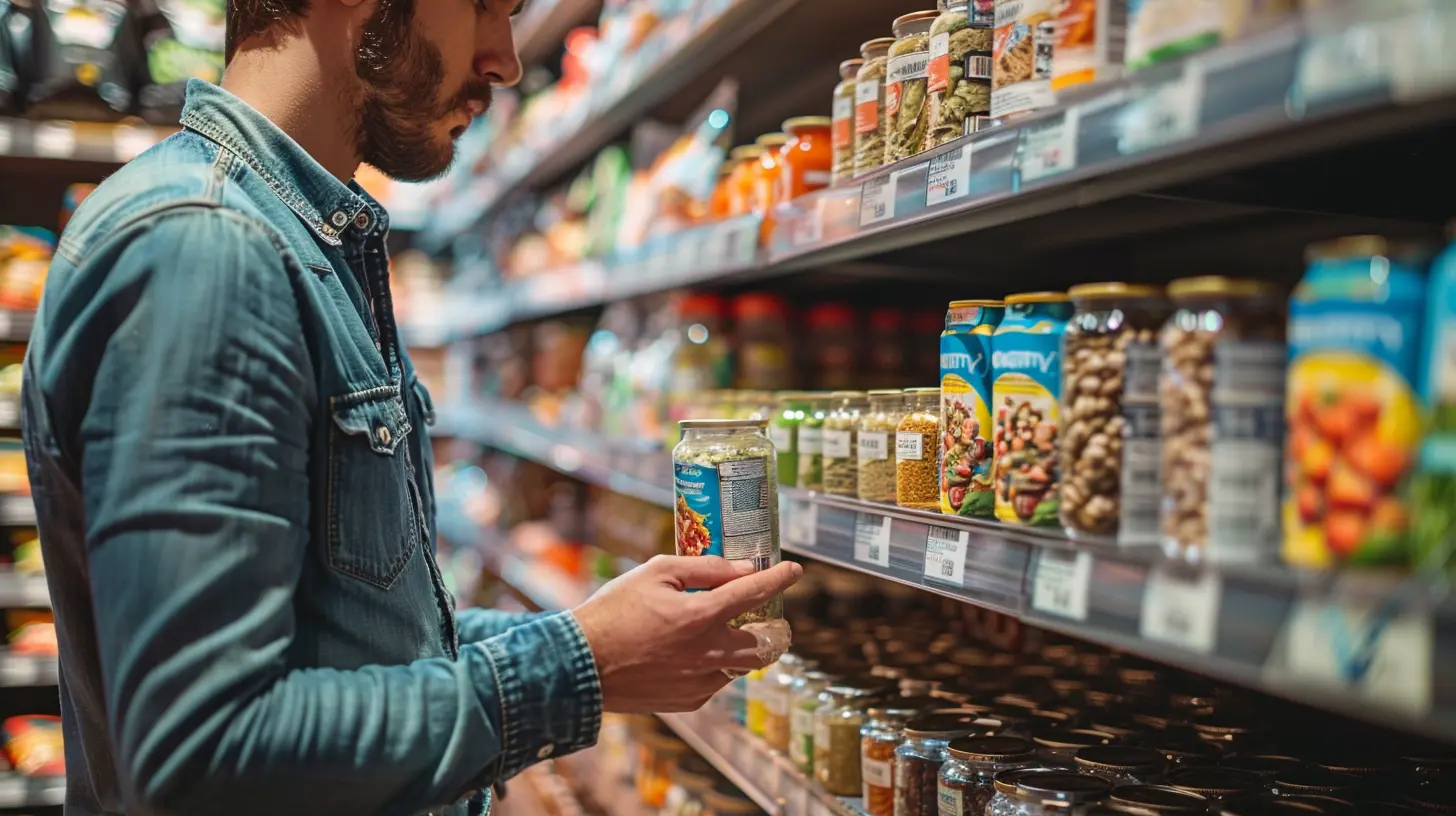
Why Reading Food Labels Matters
Before we dive into the nitty-gritty, let’s talk about why this even matters.Reading food labels isn’t just for people trying to lose weight or manage health conditions (though it's especially helpful for them). It's for anyone trying to make smarter, more informed choices. Food companies often slap words like “natural,” “healthy,” or “low-fat” on packaging, but the only real truth? It lives in the label.
Reading labels helps you:
- Avoid hidden sugars and unhealthy fats
- Watch your sodium intake
- Ensure you're getting enough fiber and essential nutrients
- Spot food allergens
- Compare products and pick the better option
Bottom line: If your health matters, food labels should too.
The Nutrition Facts Panel: Your Best Friend
Okay, so let’s talk about the star of the show—the Nutrition Facts panel. This is the black-and-white box usually found on the back or side of a product. Think of it like a food’s résumé. Here's how to break it down:1. Start With the Serving Size
Right up top, you’ll see serving size and servings per container. This is your base. The rest of the numbers are all based on this amount.👉 Tip: Always ask yourself, “Will I be eating this much, or more?” If the serving size is ½ cup of cereal but you eat 1½ cups, then triple everything on the label.
2. Check the Calories
Calories aren’t the enemy—but being calorie aware is your secret weapon.Let’s say a frozen meal has 400 calories per serving… but there are 2 servings per package. Eat the whole thing? That’s 800 calories, not 400.
Use calories as a rough guide to manage energy intake based on your activity level. Remember: It's not just about calorie quantity, but also quality.
3. Scan the Macronutrients
This is the big trio: fat, carbohydrates, and protein.Total Fat
Here you’ll see:- Total fat (grams)
- Saturated fat
- Trans fat
A little fat is fine—your body needs it! But go easy on saturated fats, and avoid trans fats like a bad ex. Even if it says “0g trans fat,” check the ingredients for “partially hydrogenated oils”—code for hidden trans fats.
Carbohydrates
Includes:- Total carbs
- Dietary fiber
- Total sugars (and added sugars)
Watch for products heavy in added sugars. Natural sugars (like those in fruit) aren’t a problem, but added sugars? Those sneak into everything—and they add up fast.
Look for high fiber (great for digestion and fullness), and aim for low added sugars.
Protein
Protein helps rebuild muscles and keeps you full longer. If a product has solid protein and fiber, it’s likely a more satisfying choice.
Daily Value Percentages (%DV): What They Actually Mean
Percent Daily Value tells you how much a nutrient in one serving contributes to your daily diet (based on a 2,000-calorie day).Here’s a quick trick:
- 5% or less per serving? That’s low
- 20% or more? That’s high
Use this to your advantage:
- Go for high %DV in fiber, protein, calcium, iron, and vitamins.
- Keep it low %DV for saturated fat, sodium, and added sugars.
Ingredients List: The Label’s Truth Serum
Now here’s where it gets real—the ingredients list. Food companies can fudge claims on the front of the package, but the ingredients don't lie.Read it like a detective:
- Ingredients are listed in descending order by weight.- If sugar (or its many aliases) is one of the first three ingredients, beware.
- Shorter ingredient lists = typically better
- Unfamiliar or hard-to-pronounce ingredients = likely processed
🧐 Watch for these sugar aliases:
- High fructose corn syrup
- Cane sugar
- Maltose
- Dextrose
- Evaporated cane juice
- Brown rice syrup
The more named sugars, the sneakier the product.
Red Flag Terms on Food Labels
Marketers are sneaky. Here are common food label buzzwords, and what they really mean:“Natural”
Basically meaningless. There’s no strict government regulation around this term. It doesn’t mean organic, non-GMO, or even healthy.“Low-Fat” or “Fat-Free”
Often means more sugar or salt to make up for lost flavor. Read the rest of the label before celebrating.“Made with Whole Grains”
That “made with” could mean a pinch—literally. Look for 100% whole grain as the first ingredient.“Light” or “Lite”
Could be lighter in color, texture, or calories. Always verify this against the actual Nutrition Facts.“No Added Sugar”
Doesn’t mean “no sugar.” It might still contain natural sweeteners or sugar from fruit juice concentrates.How to Compare Products Side-by-Side
Let’s say you’re choosing between two granolas. Here's a step-by-step to compare like a pro:1. Start with serving size: Make sure you're comparing the same amount.
2. Check calories: Lower doesn't always mean better—but it's worth noting.
3. Look at fiber and protein: More is better.
4. Watch for added sugars: Less is better.
5. Scan sodium: Especially if you're watching your blood pressure.
6. Peek at ingredients: Are there real foods, or a chemistry set?
Pro Tip: You can even use your phone to take photos and compare items later without pressure.
Hidden Offenders You Might Overlook
Even "healthy" foods can have some dirty little secrets. Heads up for:- Salad dressings: Can be loaded with sugar and sodium
- Breakfast cereals: Some have more sugar than a candy bar!
- Yogurts: Flavored types often pack 15-20g of added sugar
- Granola bars: Health halo, sugar bomb
- Plant-based milks: Many have sneaky added sugars unless labeled “unsweetened”
Always, always check the label.
Smart Grocery Shopping Tips
Here’s how to make label-reading part of your routine without turning every trip into a 3-hour expedition:- Stick to the perimeter: That’s where the fresh stuff lives—produce, dairy, meat.
- Buy fewer processed items: Less packaging = fewer labels to decode.
- Use apps for bar-code scanning and quick nutrition breakdowns.
- Stay curious: If a product is new to you, read its label before tossing it in your cart.
Practice Makes You a Nutrition Label Ninja
At first, reading food labels might feel like decoding hieroglyphics. But trust me, the more you do it, the faster—and savvier—you become.Over time, you’ll be able to glance at a label and instantly know if it’s something you want in your body or not. You’ll shop faster, eat smarter, and feel more in control of your health goals.
This isn't about being perfect. It’s about being informed.
Final Thoughts: You’re in the Driver’s Seat
Food labels are like GPS systems—sometimes confusing, but incredibly useful when used right. When you know how to read them, you're no longer at the mercy of marketing gimmicks. You're making choices based on facts, not fluff.So next time you're navigating the grocery store, slow down for a sec. Flip that package over. Use what you’ve learned here and start cracking the code.
Because now? You’re reading food labels like a nutritional pro.
all images in this post were generated using AI tools
Category:
Healthy EatingAuthor:

Eileen Wood
Discussion
rate this article
2 comments
Denise McClellan
Empower your eating choices!
February 27, 2026 at 4:47 AM
Eileen Wood
Absolutely! Understanding food labels is key to making informed choices and empowering your nutrition.
Zeth McQuillan
Understanding food labels is essential for making informed dietary choices. This article breaks down key components, empowering readers to navigate nutrition facts and ingredient lists like a pro.
January 19, 2026 at 4:15 PM
Eileen Wood
Thank you! I'm glad you found the article helpful for navigating food labels effectively.