Using Probiotics to Manage Irritable Bowel Syndrome (IBS)
6 July 2026
Irritable Bowel Syndrome — three words that affect millions of people but somehow still trigger confusion, frustration, and a whole lot of uncomfortable moments (often at the worst possible times). Whether you suffer from cramping, bloating, gas, diarrhea, or constipation (or the joy of all of them combined), managing IBS can feel like trying to tame a wild animal with a feather.
Now, what if I told you that something as tiny as a bacteria might just help you feel better? Yep, we’re talking about probiotics — those friendly little bugs that live in your gut and might just be your new best friend when it comes to IBS.
Let’s dive deep into the world of IBS and probiotics to see if it’s all hype or actually helpful.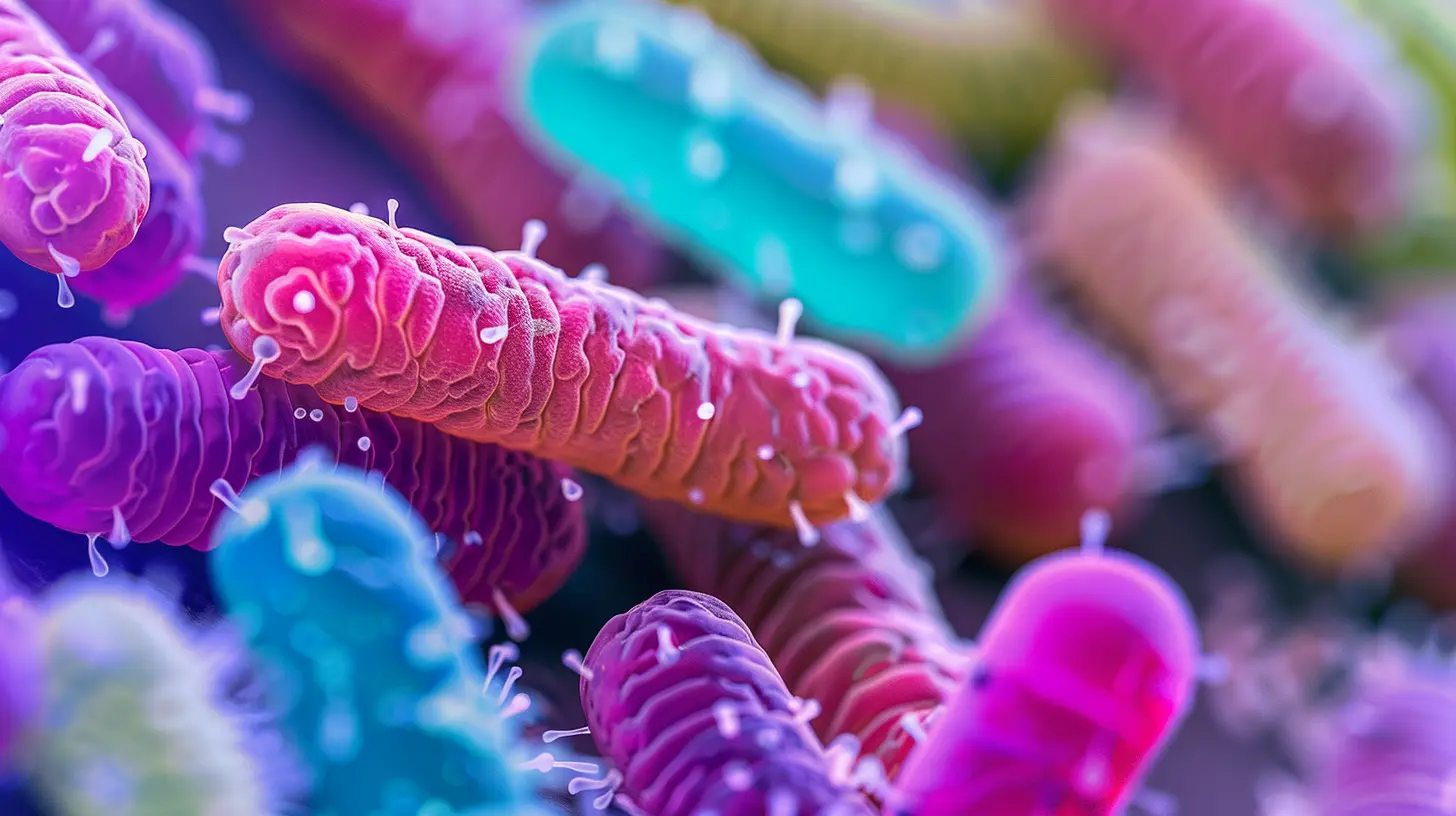
What is IBS Anyway?
Alright, let’s start with the basics. IBS, or Irritable Bowel Syndrome, is a long-term condition that affects the large intestine. Think of it like your gut throwing random tantrums — kind of like that friend who gets moody for no reason. IBS doesn’t cause damage to your intestines, but boy, can it make life miserable.Doctors usually lump it into three types:
- IBS-D: Where diarrhea dominates.
- IBS-C: Hello, constipation.
- IBS-M: A lovely mix of both (yay...).
It’s a bit of a mystery disease. There isn’t one clear cause, and different people have different triggers. Stress, diet, gut bacteria imbalances — they all play a part.
Which brings us to…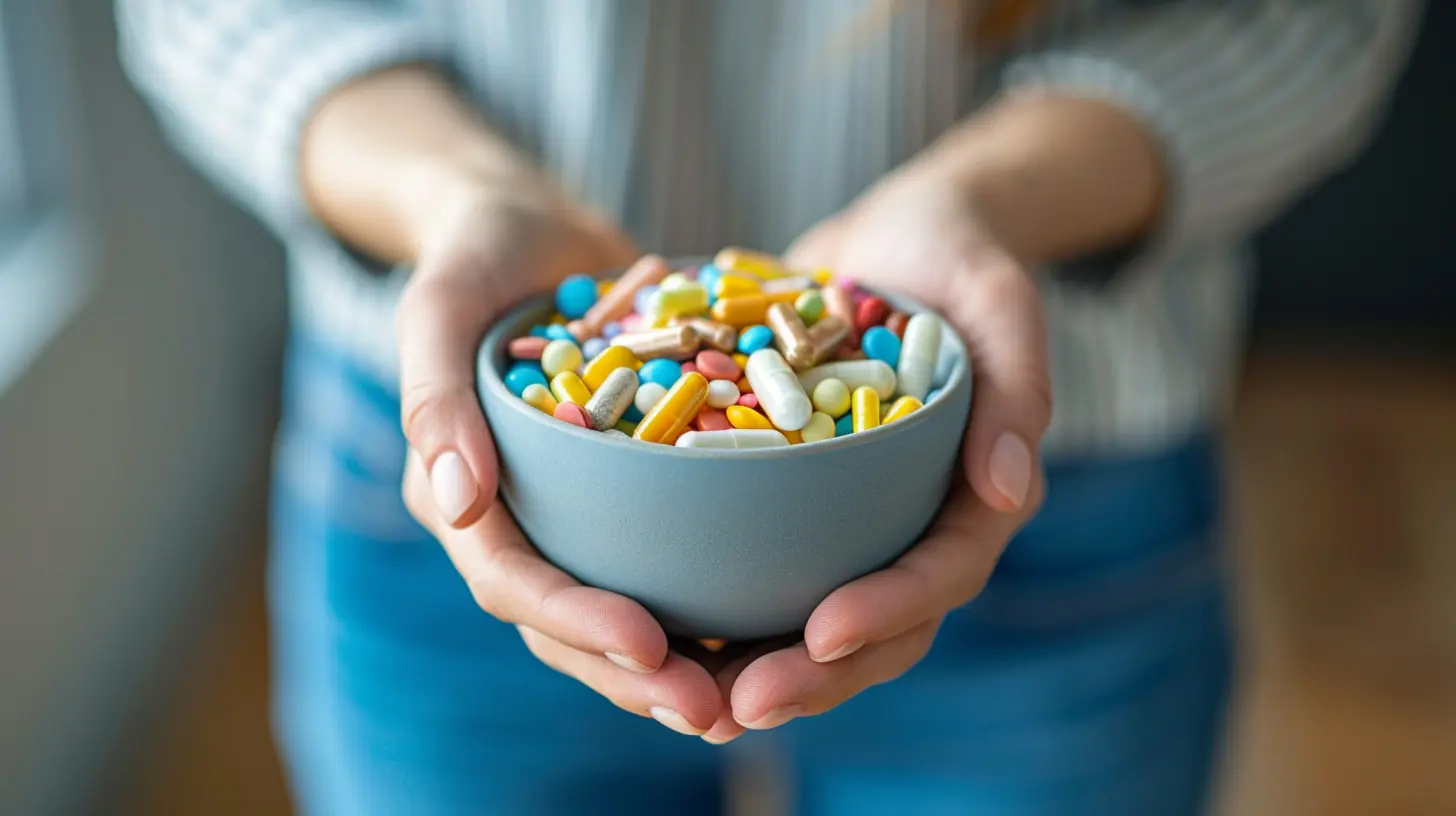
Probiotics: Just a Health Fad or the Real Deal?
Probiotics are live microorganisms (mostly bacteria and sometimes yeasts) that are good for your health, especially your digestive system. You’ve probably seen them advertised in yogurts, supplements, and all sorts of health drinks with words like “gut-friendly” and “immune-boosting.”But let’s break it down without all the buzzwords.
Your gut is like a bustling city — full of microbes living their best microbial life. Some are helpful, some not so much. Probiotics are the “good guys” that help keep the balance. When your gut flora is out of whack, things start going downhill — and that’s exactly what some experts believe happens with IBS.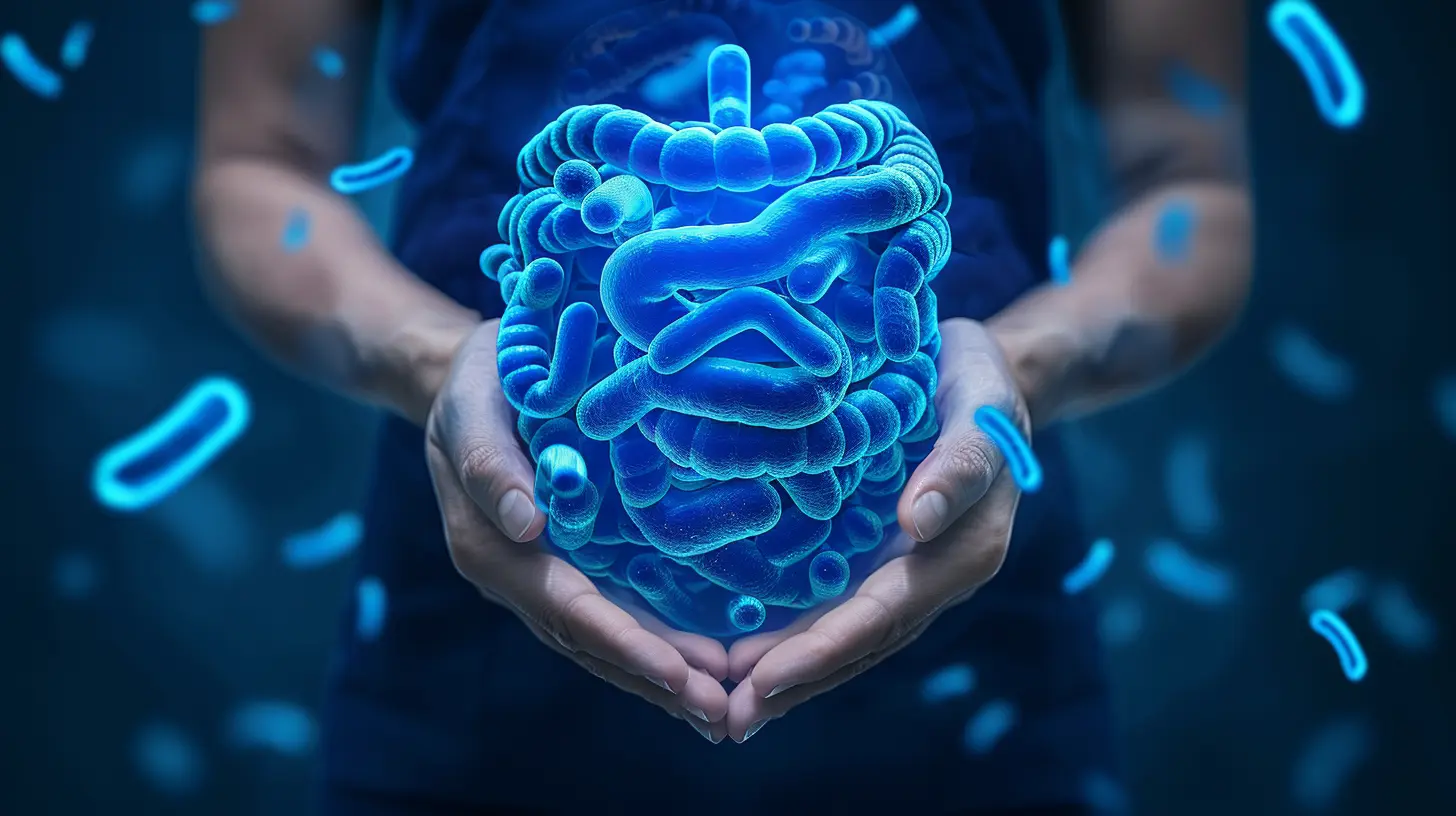
How Do Probiotics Help IBS?
Alright, let’s get to the good stuff. You’re here because you want to know: Can probiotics actually help manage IBS?In many cases, yes. But (and there’s always a but), it’s not a magic pill. Here's how probiotics may make a difference:
1. Improving Gut Flora Balance
IBS often involves an imbalance in the gut microbiome — that’s the collection of bacteria hanging out in your digestive system. Probiotics can help tip the balance back in favor of the good guys, which may ease symptoms.Think of your gut like a garden. If weeds take over, your flowers won’t bloom. Probiotics are like gardeners, pulling weeds and planting strong, healthy flowers.
2. Reducing Gas and Bloating
One of the most annoying IBS symptoms? Bloating. You feel like you swallowed a balloon. Certain probiotic strains (like Bifidobacterium infantis) have been shown to reduce bloating and gas, making your gut a little less explosive.3. Calming Gut Inflammation
While IBS isn’t technically an inflammatory condition, low-grade inflammation can still play a role. Some probiotics can help soothe this smoldering fire, reducing irritation and helping your gut chill out.4. Helping with Constipation or Diarrhea
Depending on the type of IBS you have, your bowels might be too fast or too slow. Probiotics can help regulate things — not like a laxative or anti-diarrheal, but more like a thermostat adjusting the temperature.5. Strengthening the Gut Barrier
Ever heard the term “leaky gut”? It’s when the lining of your intestine becomes a little too permeable. Probiotics help tighten those loose junctions, keeping bad stuff out and letting only the good stuff in.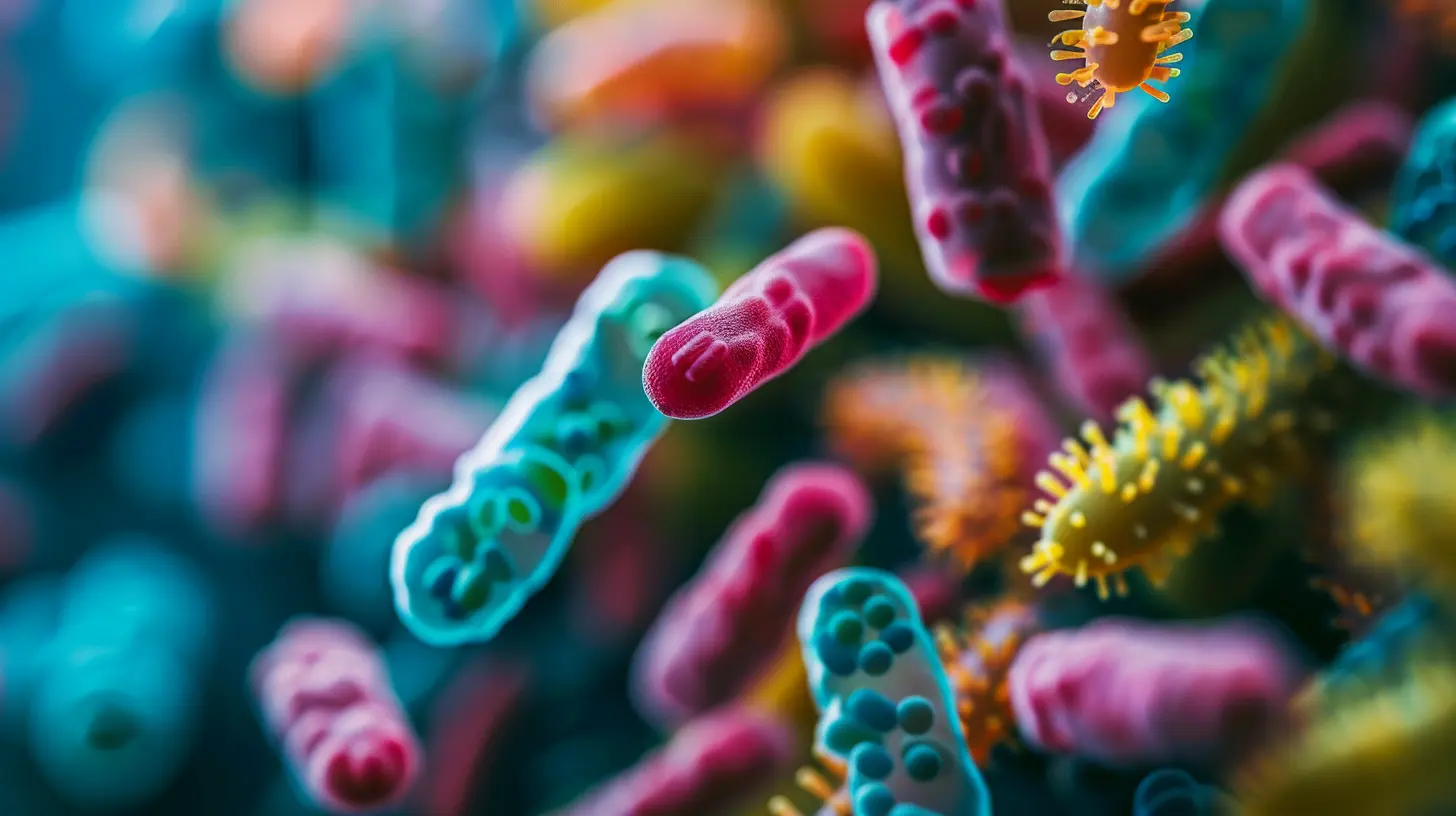
Best Probiotic Strains for IBS: Not All Bugs Are Created Equal
This is where many people get tripped up. You see “probiotic” on a label and assume it’ll help. But it’s not that simple. Specific strains target specific problems. It’s like hiring a contractor — you don’t bring in a plumber to fix your roof, right?Here are some strains that have shown promise for IBS:
- Bifidobacterium infantis 35624 – Great for all IBS types. Can reduce bloating, pain, and irregular bowel movements.
- Lactobacillus plantarum 299v – Helps with abdominal pain and bloating, especially in IBS-D.
- Saccharomyces boulardii – Actually a yeast probiotic! Helps with diarrhea-type IBS.
- Bifidobacterium breve and B. longum – May help with constipation and overall gut discomfort.
If you're considering supplements, look for products that list the strain (not just the species) and contain at least 1 billion CFUs (Colony Forming Units).
Probiotic Foods vs Supplements – Which One Is Better?
Let’s not forget that probiotics don’t only come in capsule form. You’ve probably got some probiotic-rich foods in your fridge right now:- Yogurt (with live cultures)
- Kefir
- Sauerkraut
- Kimchi
- Miso
- Kombucha
So which is better — food or supplement?
Honestly, both have benefits. Fermented foods give you added nutrition and taste, but supplements offer a concentrated, targeted dose. If you’re trying to tackle serious IBS symptoms, a supplement with a proven strain might be your best bet. But hey, adding some sauerkraut to your dinner won’t hurt.
What About Prebiotics? Do They Matter?
Oh yes, they do.Prebiotics are like fertilizer for your probiotics. They're fibers and starches that feed the good bacteria and help them thrive. Without them, your probiotics are like houseplants without water. Not good.
Foods rich in prebiotics include:
- Bananas (especially slightly green ones)
- Garlic
- Onions
- Asparagus
- Oats
- Apples
If you’re adding probiotics into your routine, don’t forget to fuel them with prebiotics. It's a team effort.
How Long Does It Take to See Results?
Here’s where patience comes in. Probiotics aren’t an overnight fix. Most people start seeing improvements in 2 to 4 weeks. For some, it may take longer.Keep consistent, and don’t give up too soon. Also, keep a symptom journal. It helps you figure out if a certain strain is working or making things worse. (Yep, that’s possible too.)
Side Effects: Any Downsides?
Probiotics are generally safe for most people. But there’s always the chance of side effects, especially when you’re first starting out:- Gas
- Bloating
- Mild stomach cramps
These usually settle down after a few days as your gut adjusts. If your symptoms get worse or don’t go away, it may mean that particular strain isn’t right for you. Try a different one — it’s a bit of a trial-and-error game.
Pro tip: start with a low dose and work your way up. Less shock to your system that way.
Tips for Choosing the Right Probiotic
Let’s be real — the supplement aisle can be overwhelming. Here’s a cheat sheet to make it easier:- Look for Specific Strains: Not just “Lactobacillus” but “Lactobacillus rhamnosus GG,” for example.
- Check the CFU Count: Aim for at least 1 billion CFUs per dose.
- Multi-Strain vs Single-Strain: Multi-strain blends can be helpful but sometimes less predictable.
- Shelf-Stable vs Refrigerated: Either works if properly stored, but always check expiration dates.
- Third-Party Tested: Choose brands that are transparent about what's in the bottle.
When to Talk to a Doctor
If you're struggling to manage your IBS or your symptoms suddenly change — like unexplained weight loss, blood in stool, or persistent pain — see a healthcare provider. Also, if you’re immunocompromised, you’ll want to be cautious with probiotics.Probiotics are a helpful tool, but they’re not a replacement for medical advice or treatment.
Final Thoughts: Are Probiotics Worth Trying for IBS?
In one word? Yes.Probiotics aren’t a cure for IBS, but they can be part of a broader management plan. Alongside diet changes, stress management, and hydration, they offer a natural way to bring some balance back to your gut.
Just remember — not all probiotics are created equal, and your gut is as unique as your fingerprint. What works for one person might not work for another. So be patient, do some experimenting, and don’t hesitate to ask for guidance.
Your gut — and your bathroom schedule — will thank you.
all images in this post were generated using AI tools
Category:
ProbioticsAuthor:

Eileen Wood
Discussion
rate this article
1 comments
Jessica Roth
Great article! Probiotics seem promising for managing IBS. It's important to consult with a healthcare professional before starting any new treatment. Thanks for sharing this information!
July 15, 2026 at 4:18 PM
Eileen Wood
Thank you for your comment! I completely agree. Consulting a healthcare professional is key when considering probiotics for IBS. I'm glad you found the article helpful!