The Role of Vitamin B12 in Boosting Energy Levels
29 March 2026
Let’s face it—most of us feel like we’re running on empty at least once (or twice) a day. Whether it's the mid-morning yawns or the dreaded afternoon slump, we often find ourselves reaching for coffee, sugary snacks, or energy drinks just to stay awake. But what if I told you that the missing piece to your energy puzzle might be something as simple as… Vitamin B12?
Yep, that often-overlooked nutrient in your multivitamin bottle does way more than you think. So, grab your favorite cozy drink, and let’s dive into the world of Vitamin B12 and how it can help you feel more like a superhero and less like a sloth.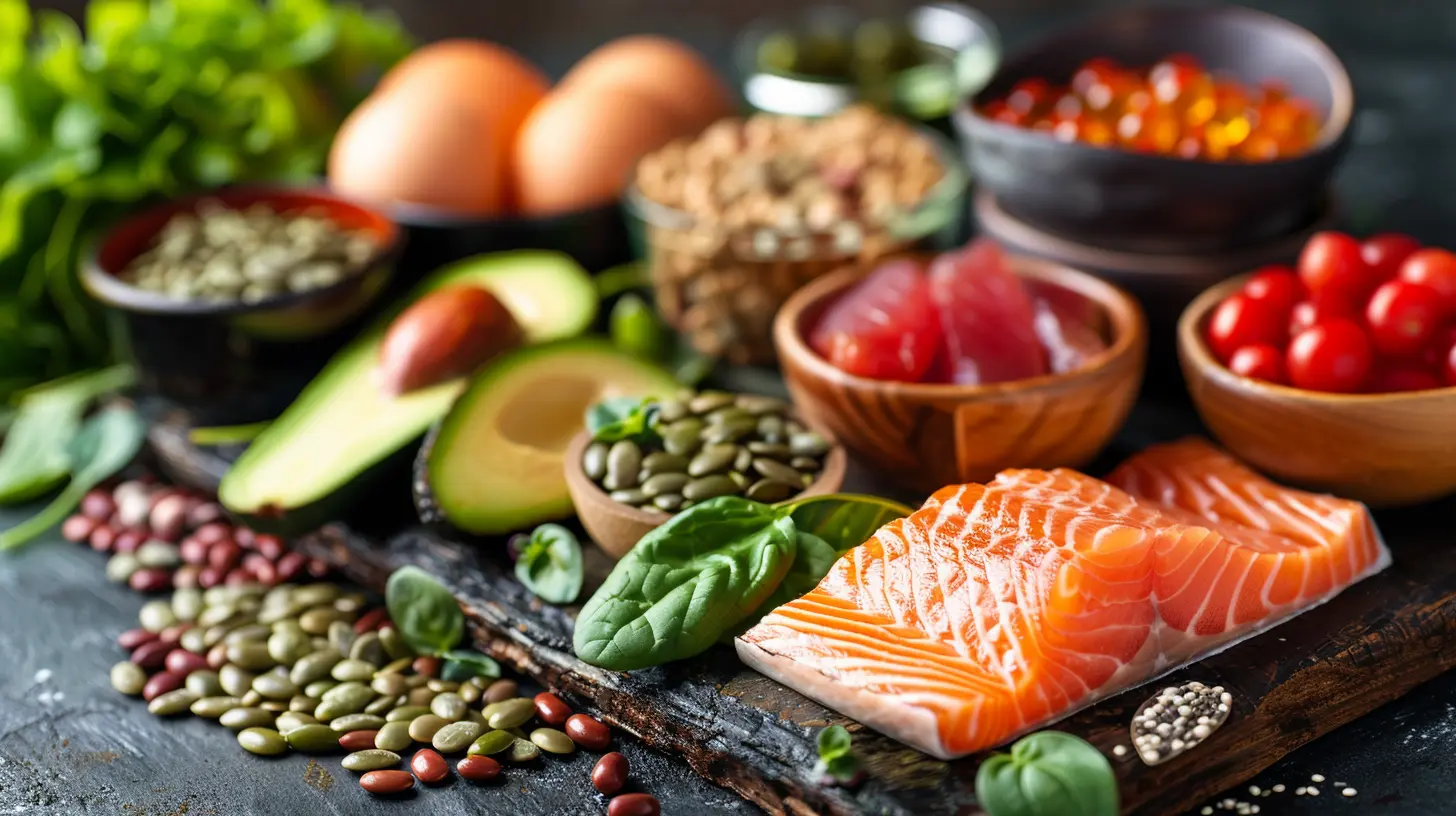
What Exactly Is Vitamin B12?
Vitamin B12, also known as cobalamin (sounds fancy, right?), is a water-soluble vitamin that plays a big role in keeping our body functioning smoothly. It’s like the behind-the-scenes manager making sure everything from your nerves to your red blood cells is working just right.Your body doesn’t produce Vitamin B12 on its own, which means you’ve got to get it from your diet or supplements. And trust me, your body is counting on you to keep that supply coming in.
Why Is Vitamin B12 So Important?
Alright, let's break it down. Vitamin B12 wears many hats in our bodies. Here are some of the heavy-lifting jobs it handles:- Energy Production: Converts carbohydrates into glucose—the fuel your body runs on.
- Red Blood Cell Formation: Helps in creating red blood cells that carry oxygen throughout your body.
- Nervous System Support: Maintains the health of your nerve cells.
- DNA Synthesis: Assists in the creation of DNA and RNA, our genetic materials.
- Mood Regulation: Plays a role in producing feel-good hormones like serotonin.
So yeah, B12 isn’t just chilling in the background. It’s busy making sure you don’t feel like a tired sack of potatoes.
How Does Vitamin B12 Boost Your Energy?
Let’s get to what you really came here for—how exactly does B12 make you feel more energetic?Here's the scoop: Our bodies convert food into glucose, which is basically energy currency. B12 is like the cashier that makes sure the transaction goes through. Without enough B12, your body struggles to turn food into usable energy, and that's when fatigue kicks in.
Think of It Like a Car Battery
Imagine your body is a car. Food is the fuel you put into the tank. But without a functioning battery (B12), the car won’t start, no matter how full that tank is! That’s why even if you’re eating enough, low B12 levels can still have you dragging your feet.
Symptoms of Low Vitamin B12 (a.k.a. The Energy Thieves)
It's kind of scary how subtle a Vitamin B12 deficiency can be at first. You may blame your lack of energy on stress, sleep, or just "one of those days." But if you're constantly feeling foggy, tired, or weak, your body may be waving a red flag.Some common symptoms include:
- Chronic fatigue or low energy
- Brain fog or trouble concentrating
- Mood swings or even mild depression
- Numbness or tingling in hands and feet (weird, but true!)
- Pale or jaundiced skin
- Shortness of breath or dizziness
If these signs have you nodding your head, it might be time to check in on your B12 levels. Your body could be screaming for help in whispers.
Who’s Most at Risk for a B12 Deficiency?
Not everyone is at equal risk. Some people are more likely to run low on B12 than others. Let’s see if you’re in one of these groups:1. Vegetarians and Vegans
B12 is mainly found in animal products. So if meat, eggs, and dairy aren’t in the picture, you'll need to find alternative sources or supplements.2. Older Adults
As we age, our stomachs produce less acid, which is needed to absorb B12 properly.3. People with Digestive Disorders
Conditions like Crohn’s disease, celiac, or IBS can interfere with nutrient absorption.4. Those Taking Certain Medications
Long-term use of antacids, metformin, or certain antibiotics can mess with your B12 absorption game.If you fit into one of these categories, it’s not a bad idea to talk with your doc and maybe even get a blood test.
Best Food Sources of Vitamin B12 (Yes, You Can Eat Your Way to More Energy!)
You don’t need to jump into exotic superfoods to get your B12 fix. It's found in plenty of everyday foods—if you know where to look.Animal-Based Sources:
- Beef liver (don’t knock it till you try it!)- Clams and fish (like salmon, tuna, and sardines)
- Eggs
- Milk and dairy products
- Poultry
Fortified Foods for the Plant-Based Crew:
- Fortified plant milks (almond, soy, oat)- Fortified cereals
- Nutritional yeast (a.k.a. “nooch” in vegan circles)
Pro tip: Always check the label to make sure it’s actually fortified with B12.
Supplements: Worth It or Not?
If you’re not getting enough B12 from your diet (hey, life happens), supplements are a solid backup plan. They come in many forms:- Pills and tablets
- Sublingual (under-the-tongue) drops
- Sprays
- Injections (usually for serious deficiencies)
The sublingual versions are especially popular since they’re easy to use and may absorb faster. No needles, no fuss.
Want to play it safe? A daily B-complex vitamin can cover your bases without going overboard.
Can You Take Too Much B12?
Ah, the classic "Can you have too much of a good thing?" question.Here's the good news: Vitamin B12 is water-soluble, which means your body flushes out any extra through your urine. It’s kind of like that friend who never overstays their welcome.
There’s no established upper intake level for B12, and toxicity is super rare. Still, it’s always smart to stick to recommended doses unless your doctor says otherwise.
Real Talk: Will B12 Magically Fix All Your Energy Problems?
Whoa there, partner. While B12 plays a big role in energy production, it's not a miracle cure. Energy levels depend on a lot of things—your diet, sleep, hydration, stress levels, and even your mental health.Think of B12 as one important piece of a larger wellness jigsaw puzzle. Improving your B12 intake might give you that extra pep in your step, especially if you're low to begin with—but it's not a get-out-of-fatigue-free card.
So if you're always tired despite healthy levels of B12, it’s best to dig deeper and look at the full picture.
How to Naturally Boost B12 Levels (Without Overthinking It)
Let’s keep things simple, shall we?Here are some easy ways to keep your B12 at happy, healthy levels:
- Eat a balanced diet that includes B12-rich foods- Add fortified plant-based options if you're vegan or vegetarian
- Take a daily supplement if your doc says you need it
- Get your levels checked if you're feeling sluggish or have risk factors
- Listen to your body—seriously, it knows what's up
Sometimes, just a few small tweaks can make a big difference in how you feel day to day.
A Quick Recap (Because Who Doesn’t Love a Good Summary?)
Let’s wrap this up in a nice, tidy bow:- Vitamin B12 is essential for turning food into energy.
- It supports red blood cell creation, brain function, and more.
- Low levels can leave you feeling foggy, tired, and blah.
- Certain people are at higher risk of deficiency (hello, vegans and seniors).
- You can get B12 from food, fortified alternatives, and supplements.
- It’s safe, effective, and possibly the missing link to your energy woes.
So the next time you’re dragging yourself out of bed or hitting a wall by 3 p.m., think twice before grabbing another coffee. Your body might just be whispering, “Hey, how about a little B12 instead?”
Final Thoughts: Time to Reboot Your Energy?
If you feel like your energy is stuck in airplane mode, it might be time to give Vitamin B12 a little more love. It's one of those tiny nutrients that packs a mighty punch—and getting more of it might just help you power through your day like a champ.So go ahead, make some small changes. Your body (and brain) will totally thank you.
all images in this post were generated using AI tools
Category:
VitaminsAuthor:

Eileen Wood
Discussion
rate this article
2 comments
Thalyn McLean
Great insights on B12 benefits!
April 20, 2026 at 4:45 AM
Eileen Wood
Thanks for the feedback! I'm glad you found it helpful.
Sylph McCray
Essential for energy; consider supplementation wisely.
April 1, 2026 at 2:47 AM
Eileen Wood
I appreciate your input! Supplementation can indeed be helpful, but it's important to assess individual needs first.