Turmeric and Curcumin: Natural Anti-Inflammatory Powerhouses
9 May 2026
Let’s get real for a second—our bodies put up with a lot. From stress and unhealthy food to pollution and lack of sleep, it’s no wonder inflammation is on the rise. But what if I told you that a humble yellow spice you’ve likely seen in your pantry could be a game-changer? Yep, we’re talking about turmeric and its star compound, curcumin. These natural health heroes have been praised for their anti-inflammatory powers, among other impressive perks.
So, grab your favorite beverage, settle in, and let’s unpack why turmeric and curcumin have earned their place in the spotlight—and maybe on your shelf too.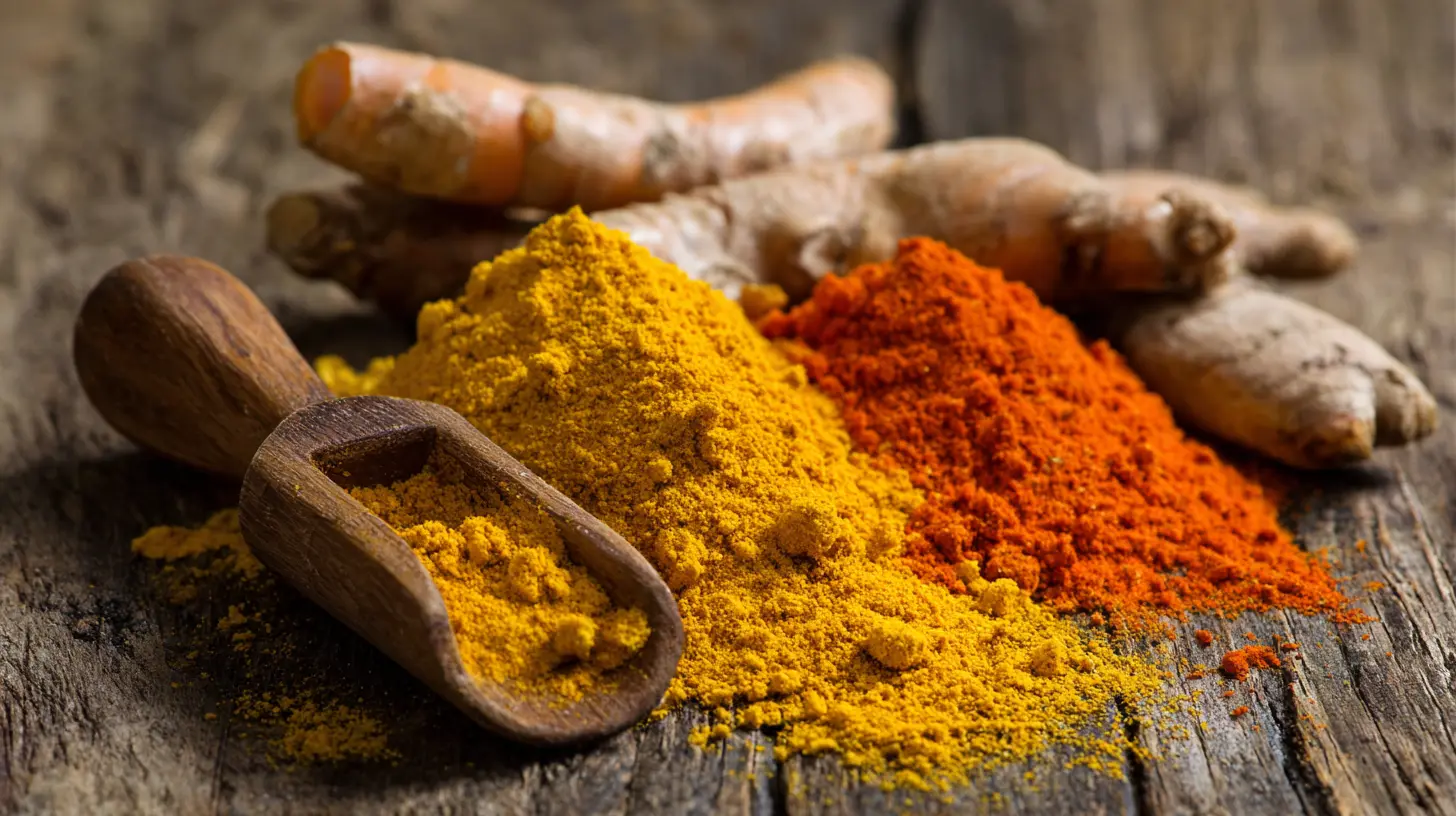
What Exactly Is Turmeric?
Before we jump into its benefits, let’s get to know turmeric a bit better. It’s that golden-yellow spice that gives curry its signature color. But turmeric is more than just a kitchen essential in Indian cuisine—it’s a root herb that belongs to the ginger family. Most of its magic comes from one powerful ingredient: curcumin.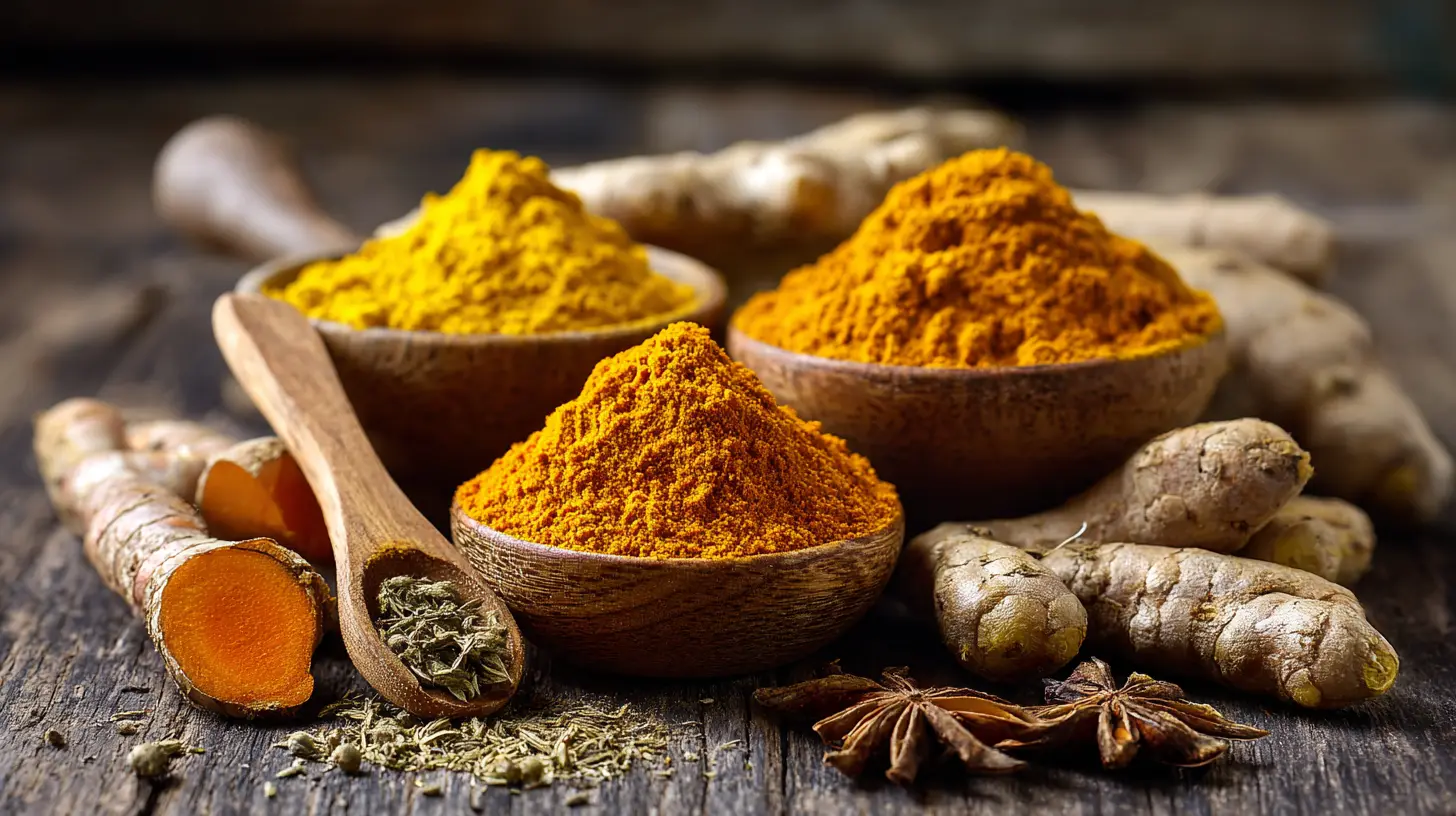
Meet Curcumin: The Real MVP
Curcumin is the primary active compound found in turmeric. It’s what gives turmeric its vivid color and its powerful medicinal properties. But here's the catch—curcumin content in turmeric is only around 3% by weight. That’s why many folks turn to curcumin supplements to really maximize the benefits.Now, curcumin on its own doesn’t absorb well in the body. But pair it with black pepper? Boom—your absorption shoots up thanks to piperine, a natural substance in black pepper that enhances curcumin’s effects.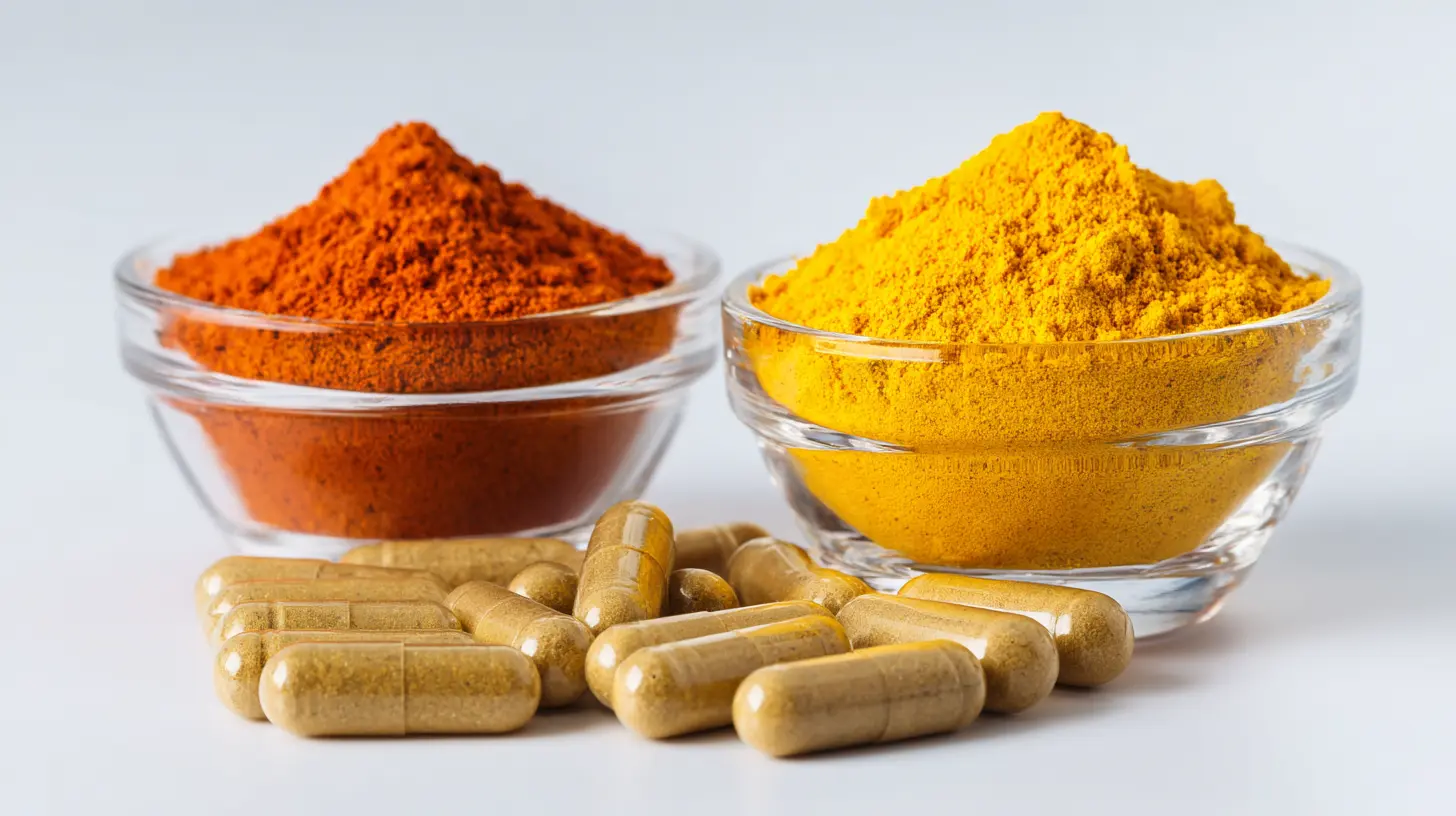
The Inflammation Dilemma: Why It Matters
You might be guessing—why the big fuss about inflammation? Isn’t it just what happens when you sprain your ankle?Well, yes and no.
Inflammation is your body’s built-in defense mechanism. When you stub your toe or get an infection, inflammation kicks in to help heal the damage. That's acute inflammation, and it's actually helpful.
But the real problem is chronic inflammation, the kind that sticks around like an uninvited guest. It's been linked to nearly every major health issue you can think of, including:
- Heart disease
- Cancer
- Type 2 diabetes
- Alzheimer’s
- Obesity
- Arthritis
Scary stuff, right? That’s where turmeric and curcumin step onto the scene as inflammation-fighting superheroes.
Turmeric and Curcumin as Natural Anti-Inflammatories
Let’s talk science without putting you to sleep.Curcumin curbs inflammation by blocking certain molecules that trigger it—like NF-kB, which is a major player in turning on pro-inflammatory genes. In simpler terms: curcumin goes straight for the root cause, not just the symptoms. That’s one reason why it's such a powerful alternative to synthetic anti-inflammatory drugs like ibuprofen.
So, How Effective Is Curcumin, Really?
Plenty of research suggests that curcumin has similar (and sometimes better!) effects compared to popular over-the-counter medications—minus the nasty side effects.Here’s a fun fact: In a study with people suffering from rheumatoid arthritis, curcumin actually performed better than a common anti-inflammatory drug, diclofenac, in reducing joint pain. How’s that for a natural remedy?
Other Health Benefits That Deserve a Mention
Sure, inflammation is the headliner, but curcumin and turmeric aren’t one-trick ponies. Their benefits reach far and wide.1. Powerful Antioxidant Protection
Oxidative stress is like rust in your body—it messes with cells, proteins, and DNA. Curcumin neutralizes free radicals (those nasty little molecules causing damage) and even boosts your body's own antioxidant enzymes. Double win!2. Brain Function and Mood Boost
Ever heard of BDNF? It’s a type of brain hormone that supports neuron growth and function. Curcumin helps increase BDNF levels, which may improve memory and even delay brain-related diseases like Alzheimer’s. Oh, and it might help you feel happier too—some studies say it works as well as antidepressants in lifting your mood.3. Heart Health Helper
Curcumin improves the function of the endothelium, the lining of your blood vessels. That means better blood pressure regulation, reduced blood clotting, and a lower risk of heart problems.4. Gut Health and Digestion
Turmeric stimulates bile production, which helps with fat digestion. It's also known to calm the gut and reduce symptoms of bloating, gas, and even irritable bowel syndrome.5. Joint Pain Relief
If you’ve dealt with arthritis or achy knees, you know how debilitating joint pain can be. Curcumin helps reduce joint inflammation and stiffness, making movement easier and life more manageable.Optimizing Curcumin Absorption: Tips You Need to Know
You can’t just sprinkle turmeric on your eggs and expect miracles. To truly tap into curcumin’s magic, you’ve got to make it bioavailable (i.e., easy for your body to absorb).Here’s how:
- Add Black Pepper: Like we said, piperine increases curcumin absorption by up to 2000%.
- Use Fat: Curcumin is fat-soluble, so take it with healthy fats like coconut oil, olive oil, or in a fatty meal.
- Choose a Good Supplement: Look for curcumin supplements that include piperine or come in liposomal or nanoparticle form for better absorption.
Turmeric in Your Kitchen: Easy Ways to Add It to Your Diet
Not ready to jump straight into supplements? No worries—there are plenty of delicious ways to sneak more turmeric into your daily meals.Here are a few ideas:
- Add a pinch to scrambled eggs or tofu
- Stir it into soups, stews, or curries
- Mix it into rice or quinoa for some color and flavor
- Blend it into smoothies for an anti-inflammatory kick
- Try a comforting golden milk latte with turmeric, milk, black pepper, cinnamon, and honey
The options are endless—and your body will thank you.
Precautions and Things to Consider
As awesome as turmeric and curcumin are, they’re not magical unicorns. There are a few things to keep in mind:- Too Much Can Upset Your Stomach: Large doses may cause digestive issues or nausea.
- Blood Thinners Interaction: If you’re on blood-thinning meds, talk to your doc first—curcumin also thins the blood.
- Gallbladder Concerns: If you have gallstones or bile duct issues, consult your healthcare provider.
Ultimately, turmeric and curcumin are safe for most people when taken in moderate amounts. But as with any supplement or natural remedy, listening to your body and talking to a health professional is key.
Final Thoughts: A Golden Choice for Long-Term Wellness
In a world full of artificial fixes and quick-fix pills, turmeric and curcumin stand out because they work with your body—not against it. These natural anti-inflammatory powerhouses have been trusted for centuries, and now modern science is catching up.Are they a cure-all? No. But they’re a strong ally in your wellness journey, especially when paired with a healthy diet and lifestyle.
So next time you're spicing up your dinner or browsing supplements, give turmeric and curcumin a second look. Your future self just might thank you.
all images in this post were generated using AI tools
Category:
SupplementsAuthor:

Eileen Wood
Discussion
rate this article
1 comments
Mia Jacobs
I loved this article on turmeric and curcumin! It's great to see how natural remedies can make a real difference in health. The benefits are impressive and definitely worth exploring for anyone seeking relief from inflammation. Keep sharing this knowledge!
June 5, 2026 at 4:28 AM
Eileen Wood
Thanks for your feedback! I'm glad you enjoyed the article. Turmeric and curcumin really do have amazing potential for health. I appreciate your support!