Travel Probiotics: Protecting Your Digestive Health on the Go
30 July 2026
Traveling is exciting, but let’s be honest—it can wreak havoc on your digestive system. A sudden change in diet, unfamiliar foods, different water sources, and disrupted routines can all lead to stomach discomfort, bloating, constipation, or even traveler’s diarrhea.
That’s where travel probiotics come into play. These tiny, gut-friendly bacteria can be your best travel companions, helping you maintain digestive health while you’re on the move. Whether you're taking a short weekend trip or embarking on a long-haul adventure, adding probiotics to your travel routine can make a world of difference.
In this guide, we’ll break down everything you need to know about travel probiotics, why they matter, and how to choose the right one for your journey. 
Why Do You Need Probiotics While Traveling?
Our gut is home to trillions of bacteria—both good and bad. When you're at home, your gut microbiome stays relatively balanced. But traveling can disrupt this balance in several ways:- Exposure to new bacteria – Different regions have different strains of bacteria in their food and water. Your gut may not be used to them, leading to stomach upset.
- Dietary changes – Eating new or rich foods can throw your digestion off track.
- Stress and fatigue – Long flights, time zone changes, and disrupted sleep can weaken your immune system, affecting gut health.
- Differences in hygiene standards – Hygiene levels vary from place to place, increasing the risk of foodborne illnesses.
Travel probiotics help maintain gut balance, support digestion, and bolster your immune system against potential digestive disruptions. 
How Travel Probiotics Keep Your Gut Happy
Probiotics are live microorganisms that provide health benefits when consumed in adequate amounts. Here’s how they help while traveling:1. Prevent Traveler’s Diarrhea
Traveler’s diarrhea is one of the most common digestive issues among tourists. It’s usually triggered by contaminated food or water. Certain probiotic strains, such as Saccharomyces boulardii and Lactobacillus rhamnosus GG, have been shown to help prevent and reduce the severity of traveler’s diarrhea.2. Support Digestion and Nutrient Absorption
Probiotics assist in breaking down food and absorbing nutrients more efficiently. This is especially important when trying new cuisines that your stomach isn't used to.3. Boost Immune Function
Did you know that around 70% of your immune system is in your gut? A healthy gut flora strengthens your immune defenses, reducing the risk of infections.4. Reduce Bloating and Constipation
Changes in diet, dehydration, and lack of movement (think long flights or road trips) can lead to bloating and constipation. Probiotics help regulate bowel movements and ease digestion.
Choosing the Right Travel Probiotic
Not all probiotics are created equal. When selecting a probiotic for travel, keep these factors in mind:1. Look for the Right Strains
Different probiotic strains serve different purposes. For travel, prioritize these strains:- Saccharomyces boulardii – Great for preventing traveler’s diarrhea.
- Lactobacillus rhamnosus GG – Helps with digestive balance and immune support.
- Bifidobacterium lactis – Aids in digestion and alleviates constipation.
- Lactobacillus acidophilus – Supports gut health and helps combat harmful bacteria.
2. Opt for Shelf-Stable Probiotics
Refrigerated probiotics can be tricky to store while traveling. Look for shelf-stable options that don’t require refrigeration.3. Check the CFU Count
CFU (colony-forming units) indicates the number of live bacteria in a probiotic. A travel-friendly probiotic should have at least 5-10 billion CFUs per dose for effectiveness.4. Choose a Delayed-Release Capsule
Many probiotics don’t survive stomach acid. Opt for a delayed-release or enteric-coated capsule to ensure probiotics reach your intestines where they work best.5. Ensure Probiotics Are Combined with Prebiotics
Prebiotics are fibers that feed probiotics, helping them thrive. Some supplements combine probiotics with prebiotics for enhanced benefits.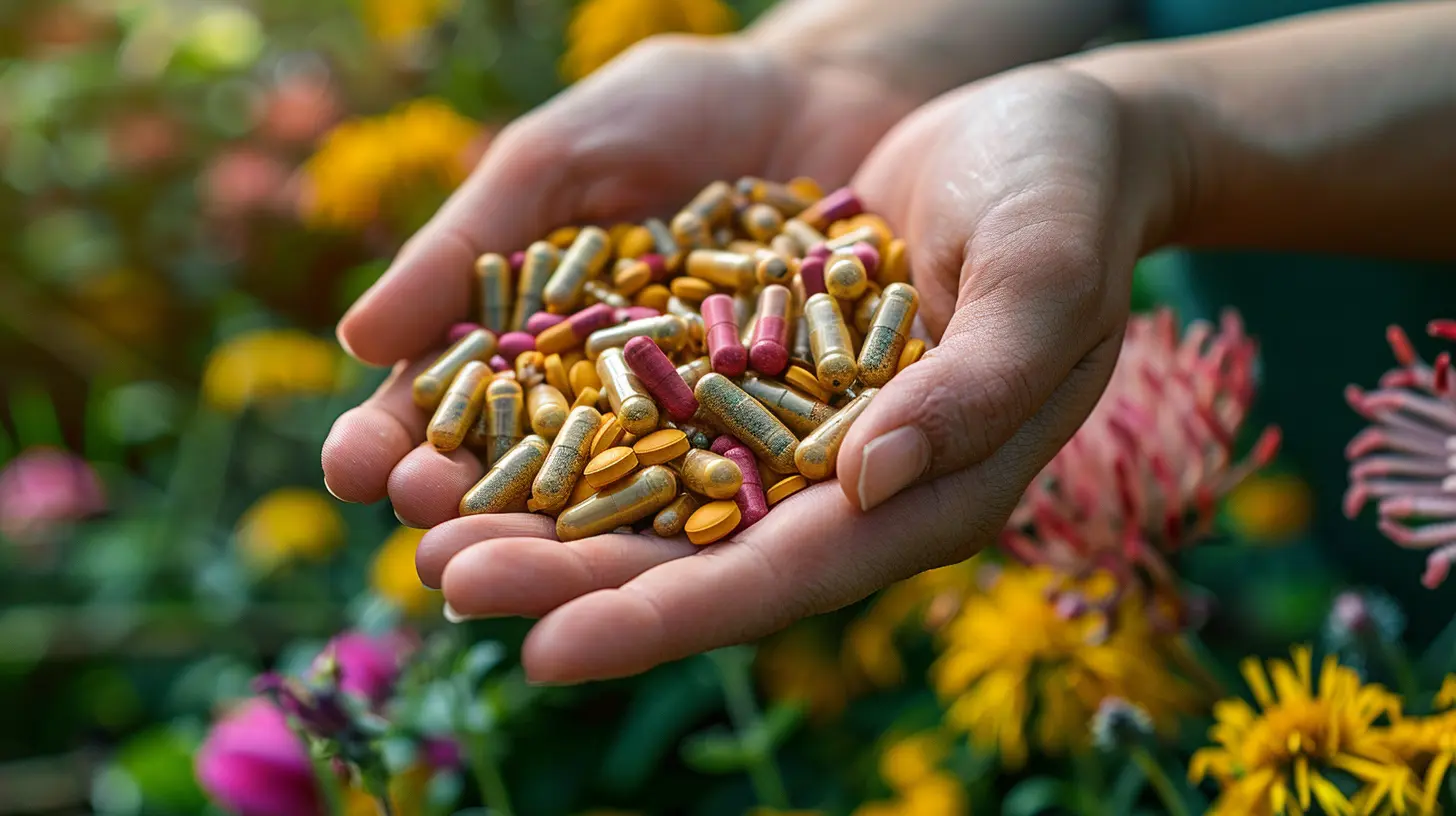
How to Take Probiotics While Traveling
1. Start Before You Travel
Begin taking probiotics at least one week before your trip. This allows your gut to adjust and build immunity.2. Take Them Daily
Consistency is key. Take your probiotics every day while traveling, preferably with meals to enhance absorption.3. Continue After Your Trip
After returning home, continue probiotics for another one to two weeks to help your gut re-adjust.Natural Food Sources of Probiotics
If supplements aren't your thing, you can get probiotics naturally from foods such as:- Yogurt – Rich in live cultures like Lactobacillus and Bifidobacterium.
- Kefir – A fermented dairy drink packed with probiotics.
- Sauerkraut & Kimchi – Fermented vegetables loaded with gut-friendly bacteria.
- Miso & Tempeh – Fermented soy products great for digestion.
- Kombucha – A fermented tea full of beneficial bacteria.
If you’re traveling somewhere with limited access to probiotic foods, supplements are a reliable option.
Additional Tips to Maintain Digestive Health While Traveling
Besides probiotics, here are some extra precautions to keep your gut happy on the go:1. Watch What You Eat and Drink
- Stick to bottled or filtered water in areas where tap water may be unsafe.- Avoid raw or undercooked foods in places with questionable hygiene.
- Eat fresh, well-cooked meals.
2. Stay Hydrated
Dehydration can lead to constipation and digestive discomfort. Drink plenty of water, especially on flights.3. Eat Fiber-Rich Foods
Fiber keeps things moving in your digestive tract. Load up on fruits, veggies, and whole grains.4. Manage Stress and Get Enough Rest
Travel stress can throw your digestive system off. Practice deep breathing, stay active, and get quality sleep.5. Wash Your Hands Frequently
Good hygiene prevents foodborne illnesses. Always wash your hands before eating or use hand sanitizer when soap isn’t available.Conclusion
Traveling doesn’t have to mean upsetting your digestive system. A well-chosen probiotic can serve as your gut’s personal bodyguard, keeping things balanced and hassle-free. By picking the right probiotic strain, taking it consistently, and following smart digestion-friendly habits, you can enjoy your trip without stomach worries.So, before you jet off on your next adventure, pack a good-quality travel probiotic along with your passport. Your gut will thank you!
all images in this post were generated using AI tools
Category:
ProbioticsAuthor:

Eileen Wood
Discussion
rate this article
1 comments
Sloane McGivern
Travel can disrupt digestion, but probiotics offer a simple way to maintain gut health. Consider them your travel companions for better well-being.
August 8, 2026 at 5:00 AM
Eileen Wood
Absolutely! Probiotics can really help keep your gut in check while traveling. They are a smart addition to your travel routine for a healthier trip.