The Science Behind Intermittent Fasting and Autophagy
3 February 2026
Intermittent fasting has taken the health world by storm, and for good reason. People rave about its benefits—weight loss, mental clarity, increased energy—but the real magic happens at a microscopic level. One of the most intriguing benefits of fasting is its impact on autophagy, a self-cleaning process in the body that helps remove damaged cells and regenerate new ones. But what exactly is autophagy, and how does intermittent fasting trigger it? Let’s break it all down in simple, digestible terms. 
What is Intermittent Fasting?
Intermittent fasting (IF) isn’t a diet—it’s an eating pattern that alternates between periods of eating and fasting. Instead of focusing on what you eat, IF emphasizes when you eat.Some popular methods of intermittent fasting include:
- 16/8 Method: Fast for 16 hours, eat during an 8-hour window.
- 5:2 Diet: Eat normally for five days, restrict calories to around 500-600 for two days.
- Eat-Stop-Eat: A full 24-hour fast once or twice a week.
- Alternate-Day Fasting: Fast every other day or eat very few calories on fasting days.
The idea is simple—by extending the time your body goes without food, you trigger various physiological benefits that go far beyond just cutting calories. 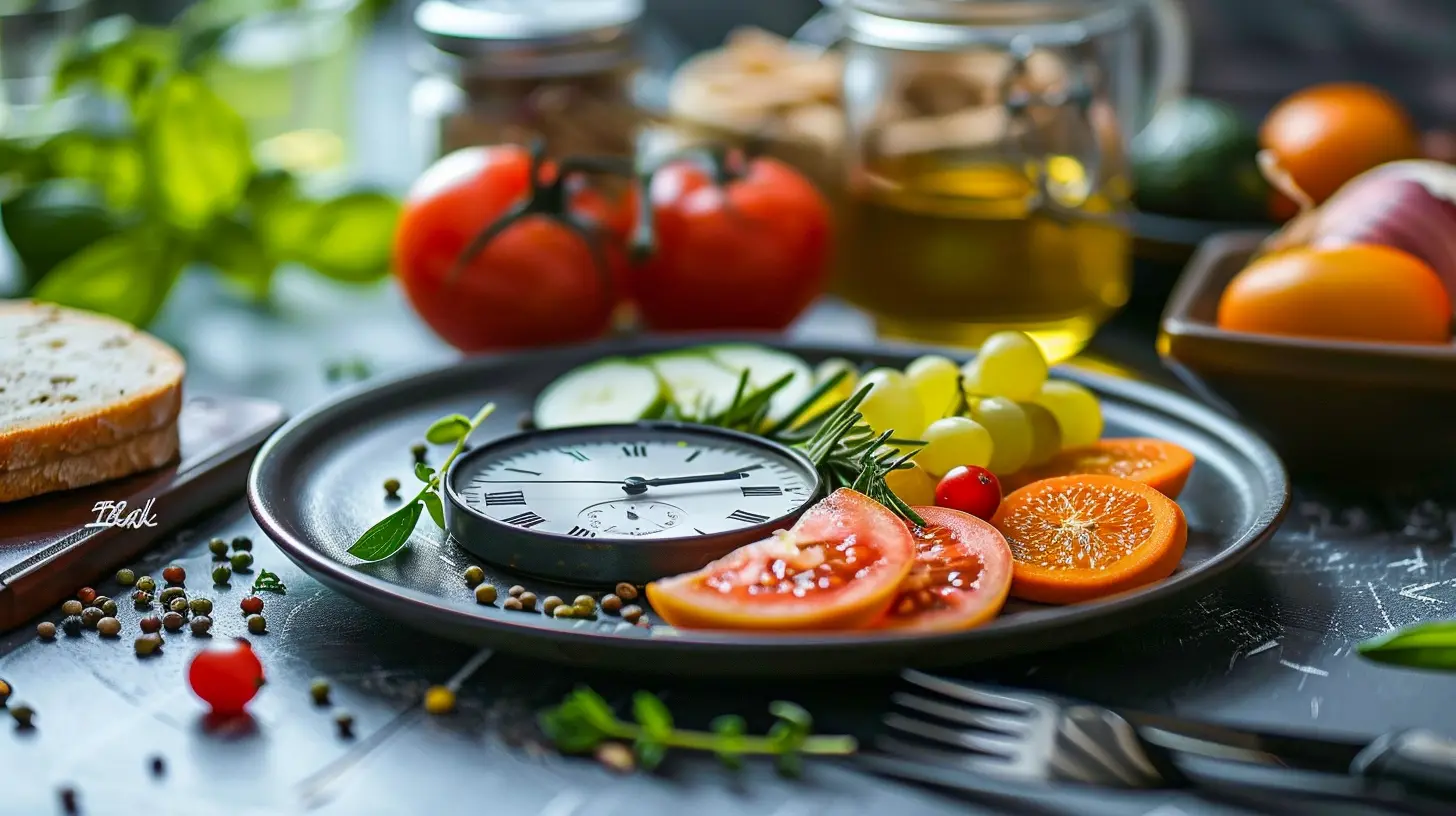
What is Autophagy?
Now, let’s talk about one of the coolest aspects of fasting: autophagy.Autophagy (from the Greek words "auto" meaning self and "phagein" meaning to eat) literally means "self-eating." It’s a built-in survival mechanism where your cells break down and recycle their damaged components to create new, healthier ones. Think of it as your body’s way of taking out the trash and making room for fresh, efficient cells.
In simpler terms, imagine you’re cleaning out a cluttered garage. You throw away broken tools, organize what’s useful, and create more space for better equipment. That’s exactly what autophagy does inside your body. 
How Intermittent Fasting Triggers Autophagy
So, how does intermittent fasting activate autophagy?When we eat regularly, our bodies focus on digestion and storing excess energy. But when we stop eating for an extended period, something interesting happens—our body goes into survival mode and starts looking for ways to become more efficient.
Here’s what happens step by step:
1. Depletion of Glucose and Glycogen – After 12-16 hours of fasting, your body starts running out of stored glucose. This signals a shift from glucose-burning to fat-burning.
2. Triggering Ketosis – Once glycogen stores are low, your body starts producing ketones from fat, an alternative fuel source. This switch plays a key role in activating autophagy.
3. Cellular Recycling Begins – With food scarcity, your body needs to maximize resources. It starts breaking down old, malfunctioning, or damaged cells and reusing their components to build new, stronger cells.
Autophagy can start after 16-24 hours of fasting, with peak levels occurring around 48-72 hours of fasting! However, even shorter fasting periods can still promote some degree of autophagy. 
Benefits of Autophagy: Why Should You Care?
You might be wondering, "Okay, so my cells clean themselves. Why does that matter?" Well, because autophagy plays a massive role in overall health and longevity. Here are some major benefits:1. Anti-Aging & Longevity
Autophagy gets rid of old, damaged cells that contribute to aging. This cellular cleanup process supports longevity and reduces the risk of age-related diseases. Think of it as a natural anti-aging mechanism.2. Reduced Risk of Neurodegenerative Diseases
Conditions like Alzheimer’s, Parkinson’s, and Huntington’s disease are linked to the build-up of misfolded proteins and damaged cells in the brain. Autophagy helps clear out this cellular junk, potentially lowering the risk of such diseases.3. Enhanced Immune Function
Your immune system relies on healthy cells to function efficiently. Autophagy strengthens immunity by eliminating dysfunctional cells, helping your body fight infections and diseases more effectively.4. Improved Metabolism & Fat-Burning
By switching your body into a fat-burning state (ketosis), intermittent fasting and autophagy help optimize metabolism. This may lead to easier weight management and improved insulin sensitivity, reducing the risk of type 2 diabetes.5. Reduced Inflammation & Cellular Protection
Chronic inflammation is linked to numerous diseases, including heart disease, obesity, and cancer. Autophagy helps lower inflammation, protecting cells from oxidative stress and damage.6. Possible Cancer Prevention
While research is still ongoing, studies suggest that autophagy helps eliminate damaged, precancerous cells before they become harmful. This protective mechanism could play a role in preventing certain types of cancer.How to Maximize Autophagy with Fasting
If you're interested in making autophagy work for you, here are some ways to enhance its effects:1. Fast for Longer Periods
While intermittent fasting initiates autophagy, the longer you fast, the deeper it goes. Aiming for at least 16-24 hours of fasting is a great starting point, but 48-72 hours may offer maximum benefits.2. Exercise in a Fasted State
Working out while fasting can boost autophagy even further. Strength training or cardio before breaking your fast enhances cellular repair and fat metabolism.3. Reduce Processed Foods & Sugar
A clean diet post-fasting helps maintain autophagy benefits. Prioritize whole foods, healthy fats, and lean proteins instead of processed foods and sugars that spike insulin.4. Get Quality Sleep
Autophagy is activated during deep sleep. Poor sleep disrupts cellular repair, so aim for 7-9 hours of quality rest.5. Consider Autophagy-Boosting Foods
Certain foods and compounds can support autophagy even outside of fasting. Some of these include:- Green tea (rich in catechins)
- Turmeric (contains curcumin)
- Coffee (stimulates autophagic pathways)
- Resveratrol (found in berries and red wine)
Is Autophagy Safe? Are There Any Risks?
For most people, intermittent fasting and autophagy are completely safe and beneficial. However, certain groups should proceed with caution or consult a healthcare professional before fasting:- Pregnant or breastfeeding women
- Individuals with low blood sugar or eating disorders
- People on medication that requires food intake
- Those with chronic health conditions
It’s always wise to listen to your body. If fasting makes you feel weak, dizzy, or unwell, it’s okay to tweak your approach.
The Bottom Line
Intermittent fasting isn’t just about skipping meals—it’s about triggering profound biological processes that can enhance health, longevity, and disease resistance. Thanks to autophagy, your body cleans, repairs, and rejuvenates itself at the cellular level.If you’re looking for a natural way to boost metabolism, improve brain function, and reduce aging, intermittent fasting might be exactly what you need. Just remember, fasting is a tool, not a punishment—use it wisely, and your body will thank you!
all images in this post were generated using AI tools
Category:
Intermittent FastingAuthor:

Eileen Wood
Discussion
rate this article
2 comments
Amelia Ruiz
Ah yes, starving for 16 hours to let my body clean house. Who knew my stomach could be such an eager janitor? Sign me up!
March 8, 2026 at 5:11 PM
Eileen Wood
Glad you found it intriguing! Intermittent fasting can definitely help promote autophagy, giving your body a chance to reset.
Veronica McDermott
Fasting: where your body cleans house and feels fab!
February 8, 2026 at 5:04 AM
Eileen Wood
Thank you! Fasting indeed promotes autophagy, allowing the body to remove damaged cells and improve overall health. Glad you found it insightful!