The Science Behind Vitamin E as an Antioxidant Powerhouse
26 March 2026
Let’s be real—sometimes we hear about antioxidants like they’re some kind of magical force, swooping in to protect us from every bad thing happening inside our bodies. But when it comes to Vitamin E, the hype might actually be worth it. This little nutrient doesn't just sit quietly in the background. No, it steps up, takes charge, and defends your cells like a true health superhero. So, if you’ve ever wondered why Vitamin E keeps popping up in skin-care aisles, health supplements, and nutrition talks, it’s time for a deep dive into what makes this antioxidant such a powerhouse.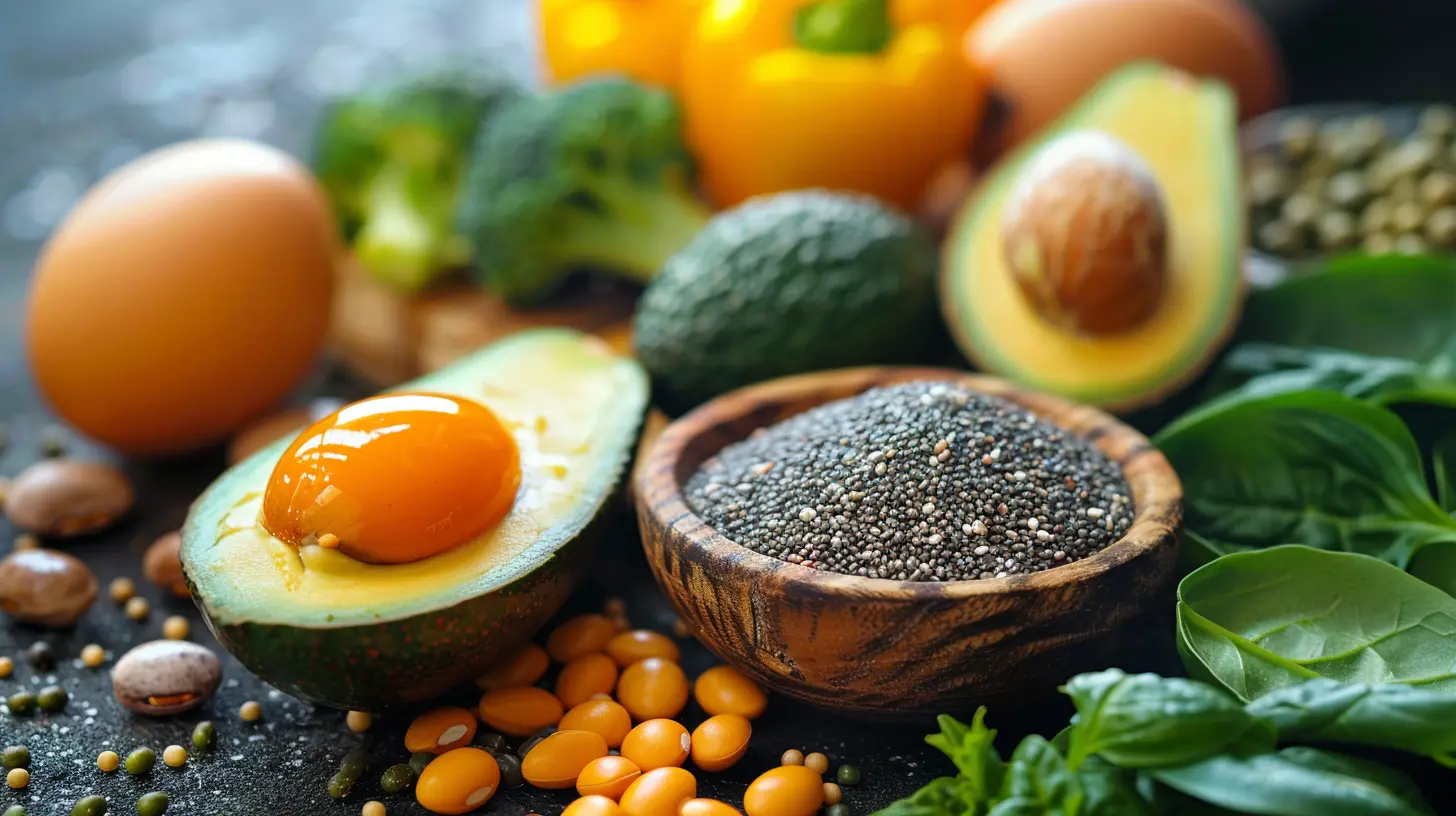
What Even Is Vitamin E?
Before we get into the science-y stuff, let’s clarify what we’re talking about. Vitamin E isn’t just one thing—it's actually a group of eight fat-soluble compounds. Yep, eight! These are split into two categories: tocopherols and tocotrienols, each of which has alpha, beta, gamma, and delta forms. Among these, alpha-tocopherol is the star of the show. That’s the form our body prefers and the one you’ll see most often in supplements.In simple terms, Vitamin E is like your body’s shield. It’s mainly known for its antioxidant powers—basically, it helps protect your cells from getting destroyed by harmful molecules. But how does this actually work?
Understanding Free Radicals: The Villains of the Story
Imagine your body is like a bustling city, full of hardworking citizens (aka your cells). Every now and then, pollution, stress, poor diet, or even normal cellular processes cause troublemakers to show up—these are called free radicals. Think of them like little vandals causing damage here and there.Free radicals are unstable molecules—specifically, they have unpaired electrons. That makes them super reactive. They go around stealing electrons from healthy cells, which causes damage to DNA, proteins, and cell membranes. This damage is known as oxidative stress and is linked to aging, inflammation, and diseases like cancer and heart disease.
This is where Vitamin E comes in.
How Vitamin E Saves the Day
Vitamin E doesn’t just stand by and watch the chaos unfold. It’s like a loyal firefighter rushing into burning buildings to save lives.Because it’s fat-soluble, Vitamin E is especially good at protecting the cell membranes, which are made up of fatty acids that are super vulnerable to oxidation. When a free radical tries to attack, Vitamin E jumps in, donates an electron to stabilize the enemy, and in doing so, neutralizes its harmful activity. And the best part? It does this without turning into a free radical itself. That’s real MVP behavior.
But don’t stop there—there’s more to this nutrient than just battling free radicals.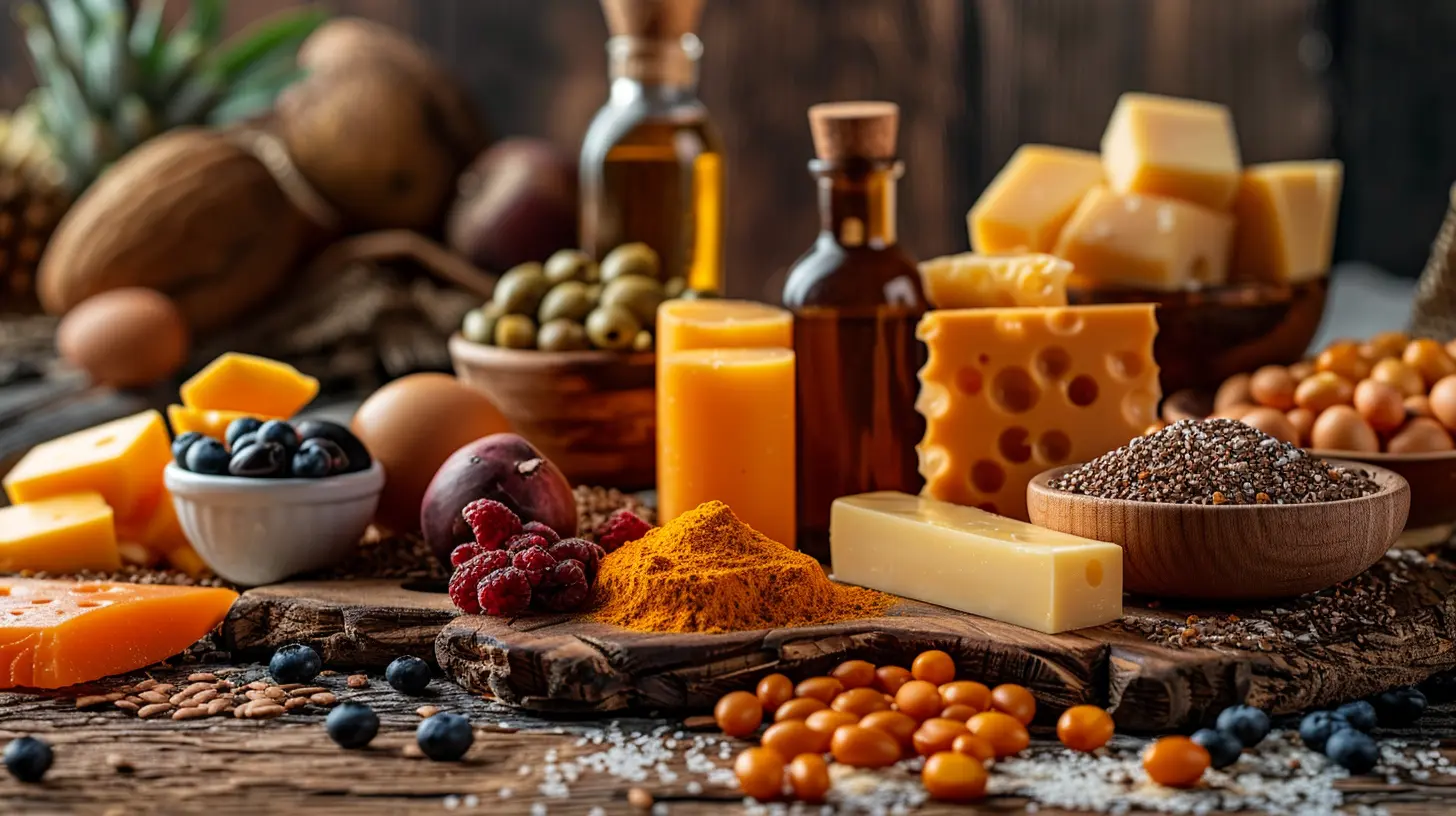
Vitamin E's Role in the Body Beyond Antioxidants
While most discussions about Vitamin E are focused on its antioxidant abilities, this nutrient has a few other tricks up its sleeve too:1. Immune Support
Vitamin E plays a big part in keeping your immune system strong—especially as you age. It helps T-cells (a type of white blood cell) function better. If your immune system were a security team, Vitamin E would be the one training the guards and keeping them sharp.2. Skin Repair and Protection
Ever wonder why Vitamin E is in practically every skin cream on the shelf? It’s not just for show. It helps with:- Wound healing
- Reducing inflammation
- Preventing UV-induced damage
Thanks to its antioxidant and anti-inflammatory properties, Vitamin E helps skin recover faster and age more gracefully.
3. Eye Health
Your retinas are full of polyunsaturated fatty acids—prime targets for oxidative stress. Vitamin E helps protect these delicate structures, potentially lowering the risk of age-related macular degeneration (AMD), a leading cause of vision loss in older adults.4. Heart Health
Some studies suggest that Vitamin E might help prevent the oxidation of LDL cholesterol (the so-called ‘bad’ cholesterol). Oxidized LDL is more likely to stick to artery walls, leading to plaque buildup and increasing your risk of heart disease. So, by preventing oxidation, Vitamin E could help keep your arteries clearer.Sources of Vitamin E: Foods That Feed Your Body Right
Now that we know all the amazing things Vitamin E does, the next logical question is: Where can we get it?Here are some top food sources of Vitamin E:
- Nuts and seeds – Almonds, sunflower seeds, and hazelnuts are excellent picks.
- Vegetable oils – Think sunflower, safflower, and wheat germ oil.
- Leafy greens – Spinach and Swiss chard carry a decent punch.
- Avocados – Delicious and full of healthy fats and Vitamin E.
- Fish – Salmon, trout, and mackerel have modest amounts too.
Fun fact: Because Vitamin E is fat-soluble, it’s best absorbed when eaten with some kind of healthy fat—so don’t shy away from olive oil or a handful of nuts!
Should You Take a Supplement?
That depends. For most people eating a balanced diet, there's no urgent need to supplement. But if you have certain conditions—like fat malabsorption disorders (Crohn’s, cystic fibrosis, etc.)—or if your diet is lacking, a supplement can help.Here’s a friendly heads-up though: More isn’t always better. Taking super high doses of Vitamin E can actually be harmful. The recommended dietary allowance (RDA) for adults is around 15 mg per day (22.4 IU). Going way above that can lead to issues like increased bleeding risk, especially if you’re on blood thinners.
So, always check with your doctor before adding a high-dose supplement to your routine.
How Vitamin E Interacts with Other Antioxidants
Vitamin E doesn’t work alone. It’s part of a kind of antioxidant squad that includes Vitamin C, glutathione, and selenium. When Vitamin E neutralizes a free radical, it becomes a bit unstable itself (though not as dangerous as a full-on radical). That’s where Vitamin C comes in—it helps regenerate Vitamin E so it can get back in the game.It’s kind of like a pit stop in a race. One antioxidant helps refuel the other so they can keep protecting you. That’s why a well-rounded diet with a mix of antioxidant-rich foods is more effective than just mega-dosing one nutrient.
The Research Backing It Up
Let’s talk facts. There’s a mountain of research around Vitamin E, some of which is super promising, and some that calls for caution. A few highlights:- Cancer prevention? While lab studies show Vitamin E can curb oxidative stress, large-scale clinical trials in humans have had mixed results. Some even suggest too much supplementation might raise risks in certain cases.
- Heart health? The data is also mixed here. Some studies show that people with higher Vitamin E intake have a lower risk of heart disease, but supplements haven’t always shown the same benefit.
- Alzheimer’s disease? Some promising evidence suggests Vitamin E might slow the progression of cognitive decline, but again, it seems to work better when part of a combo approach rather than alone.
Bottom line: Vitamin E is powerful, but context matters. Diet always trumps high-dose supplements unless specifically advised by a healthcare provider.
Final Thoughts: Is Vitamin E Worth the Hype?
Absolutely—but with a few asterisks.Vitamin E has earned its title as an antioxidant powerhouse. It fights oxidative stress, supports your immune system, protects your skin, and plays a role in heart and eye health. But like any good thing, it needs balance. Too little and you miss out on the benefits. Too much, and you might face unintended side effects.
The best way to harness its power? Focus on whole food sources, keep your diet rich in healthy fats, and don’t hesitate to chat with your healthcare provider about whether supplementation is right for you.
You don’t need magic to stay healthy—just a smart, nutrient-dense plate and a little help from Vitamin E.
FAQs About Vitamin E
Is Vitamin E good for skin?
Heck yes! It helps with healing, reduces inflammation, and may even reduce the appearance of scars and fine lines. Look for Vitamin E in moisturizers and serums.Can I take Vitamin E every day?
You can, but it’s best to get it from food. Supplements can be fine if you’re deficient—but don’t overdo it!What are signs of Vitamin E deficiency?
Think muscle weakness, poor coordination, numbness, and vision problems. It’s rare but can happen, especially if you have trouble absorbing fat.Is Vitamin E vegan?
Totally! Most natural sources—like seeds, nuts, and leafy greens—are plant-based.all images in this post were generated using AI tools
Category:
VitaminsAuthor:

Eileen Wood
Discussion
rate this article
2 comments
Jett Roth
This article effectively underscores Vitamin E's role as a potent antioxidant. Its ability to mitigate oxidative stress highlights its potential in disease prevention and overall health enhancement.
April 15, 2026 at 4:45 PM
Eileen Wood
Thank you for your insightful comment! I'm glad you found the article highlights on Vitamin E's antioxidant properties impactful. Its role in health is indeed fascinating.
Jasmine McGrath
Great article! It's fascinating to learn how vitamin E acts as an antioxidant powerhouse. I’ve always loved incorporating it into my diet—who knew it did so much for our health? Thanks for sharing these insights!
March 31, 2026 at 2:57 AM
Eileen Wood
Thank you for your kind words! I'm glad you found the article insightful. Vitamin E truly is an amazing nutrient for our health!