The Role of Vitamin A in Immune Function and Vision
10 February 2026
Let’s talk about a real MVP in the world of vitamins—Vitamin A. You’ve probably heard its name thrown around when it comes to eye health, but did you know this powerhouse nutrient is also a major player in keeping your immune system strong and healthy? Yep, Vitamin A does way more than just prevent you from stumbling around in the dark. It's like the unsung hero your body can't live without.
In this in-depth (but easy-to-digest) guide, we’re diving into how Vitamin A supports your immune system and vision, why it matters, where you can get it, and what happens when your body doesn’t get enough. So, grab your carrots (you’ll understand why later) and let’s break it all down.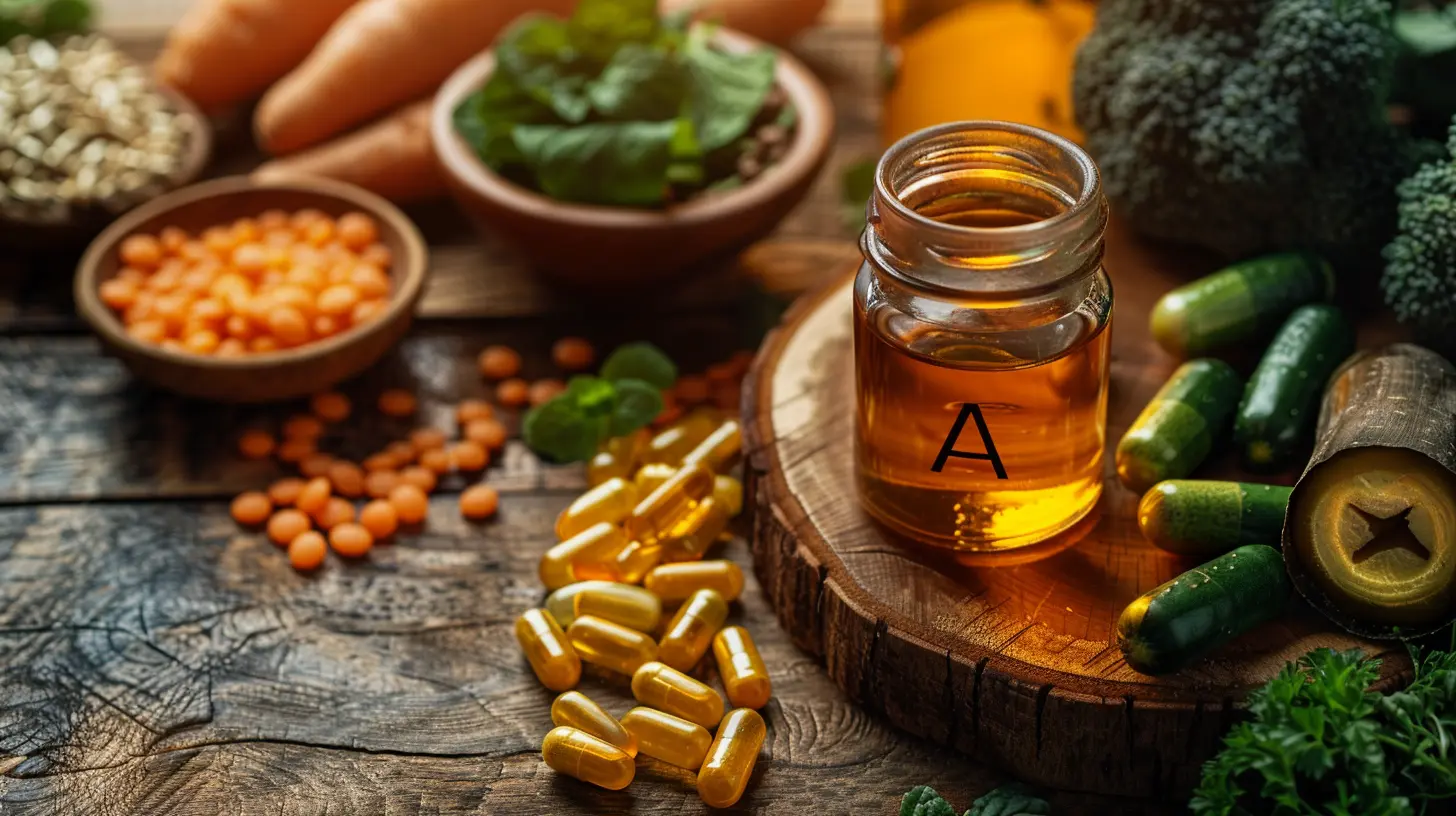
🧠 What Exactly Is Vitamin A?
Before we go further, let’s get the basics straight. Vitamin A isn’t just a single compound—it’s actually a group of fat-soluble compounds that includes retinol, retinal, retinoic acid, and provitamin A carotenoids like beta-carotene. Sounds a bit science-y, right? Don’t worry—we’re keeping this simple.There are two main types of Vitamin A:
- Preformed Vitamin A (Retinoids) – Found in animal products like liver, dairy, and fish.
- Provitamin A (Carotenoids) – Found in colorful fruits and veggies like carrots, sweet potatoes, and spinach.
Your body can convert carotenoids into the active form of Vitamin A when needed. Pretty cool, huh?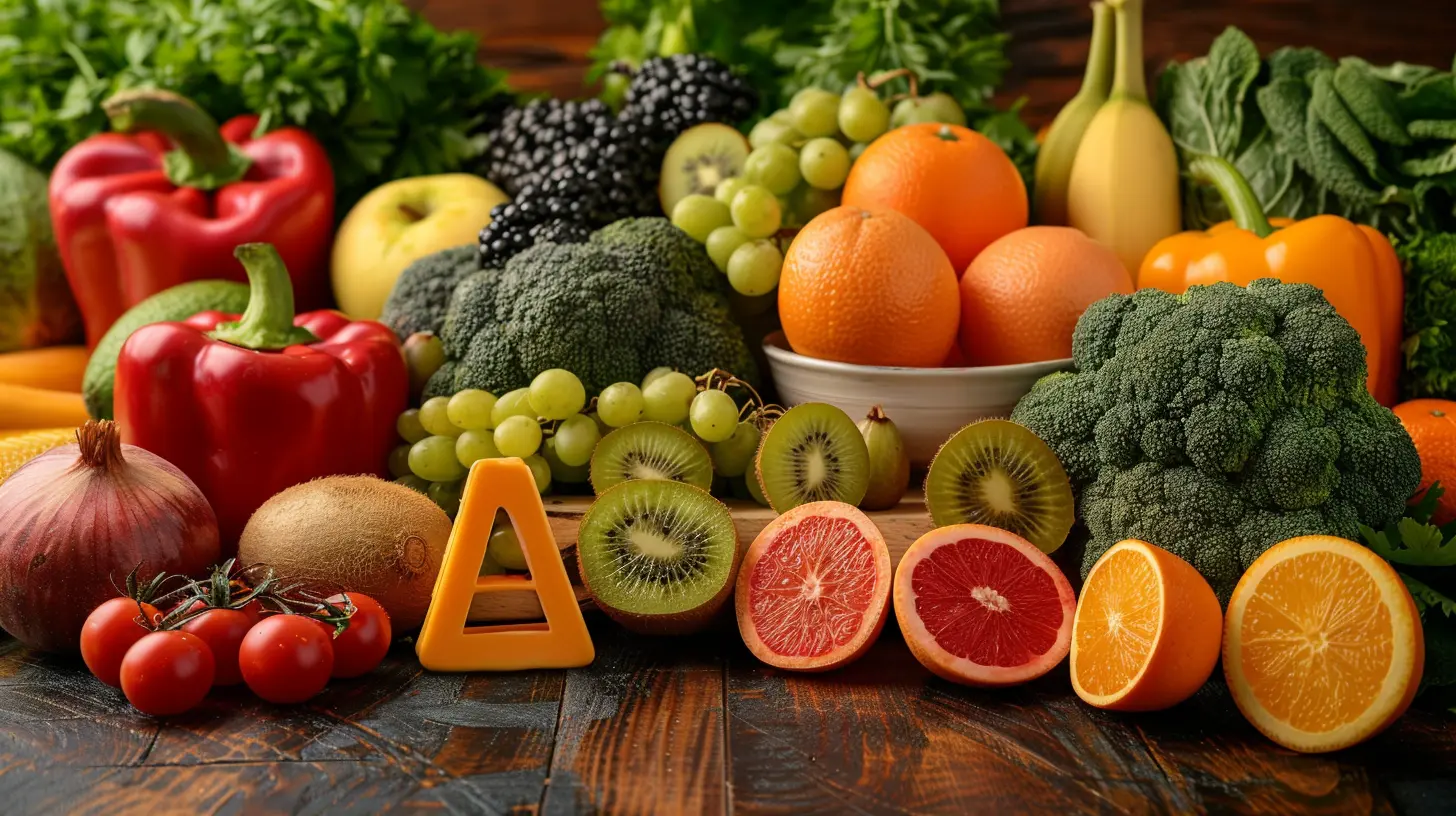
🛡️ How Vitamin A Powers Up Your Immune System
Ever wonder why some people seem to catch every cold that goes around while others seem bulletproof? A lot of it comes down to immune strength—and Vitamin A plays a huge role here.1. It’s Your Immune System’s Gatekeeper
Vitamin A helps maintain the integrity of your body’s mucosal barriers—those fancy linings in places like your nose, lungs, and gut. Think of them like your body’s frontline defense, sort of like a moat around a castle. If those barriers are weak, germs can march right in. Vitamin A keeps them strong and stable.2. It Supports White Blood Cell Production
Your body relies on white blood cells (WBCs) to fight off infections. Vitamin A helps create and activate these cells, which means it's like the general giving orders in your immune army. Without enough Vitamin A, the response is sluggish—and that’s when you start feeling run-down.3. It Fights Inflammation
Inflammation isn’t always bad. It’s actually your body’s natural healing process. But chronic inflammation? That’s a different story. Vitamin A helps balance your immune response, so it doesn’t go into overdrive and start attacking healthy cells.
👀 Vitamin A and That 20/20 Vision
Let’s get into the eye stuff. You probably grew up hearing your parents say, “Eat your carrots—they’re good for your eyes!” Turns out, there’s a lot of truth to that.1. It Helps You See in the Dark
Ever fumbled around in low light and realized your eyes just aren’t adjusting fast enough? Vitamin A is directly involved in night vision. It forms a compound called rhodopsin in your retina, which helps you see in dim lighting. Without enough of it, you could develop “night blindness.”2. It Protects the Cornea
Vitamin A helps maintain a healthy, clear cornea—the outermost layer of your eye. A deficiency can lead to dry eyes, and in severe cases, even ulcers or blindness. Yikes.3. It Prevents Age-Related Eye Issues
Vitamin A may also help in lowering the risk of age-related macular degeneration (AMD), one of the leading causes of vision loss. It's like giving your eyes a shield against the passage of time.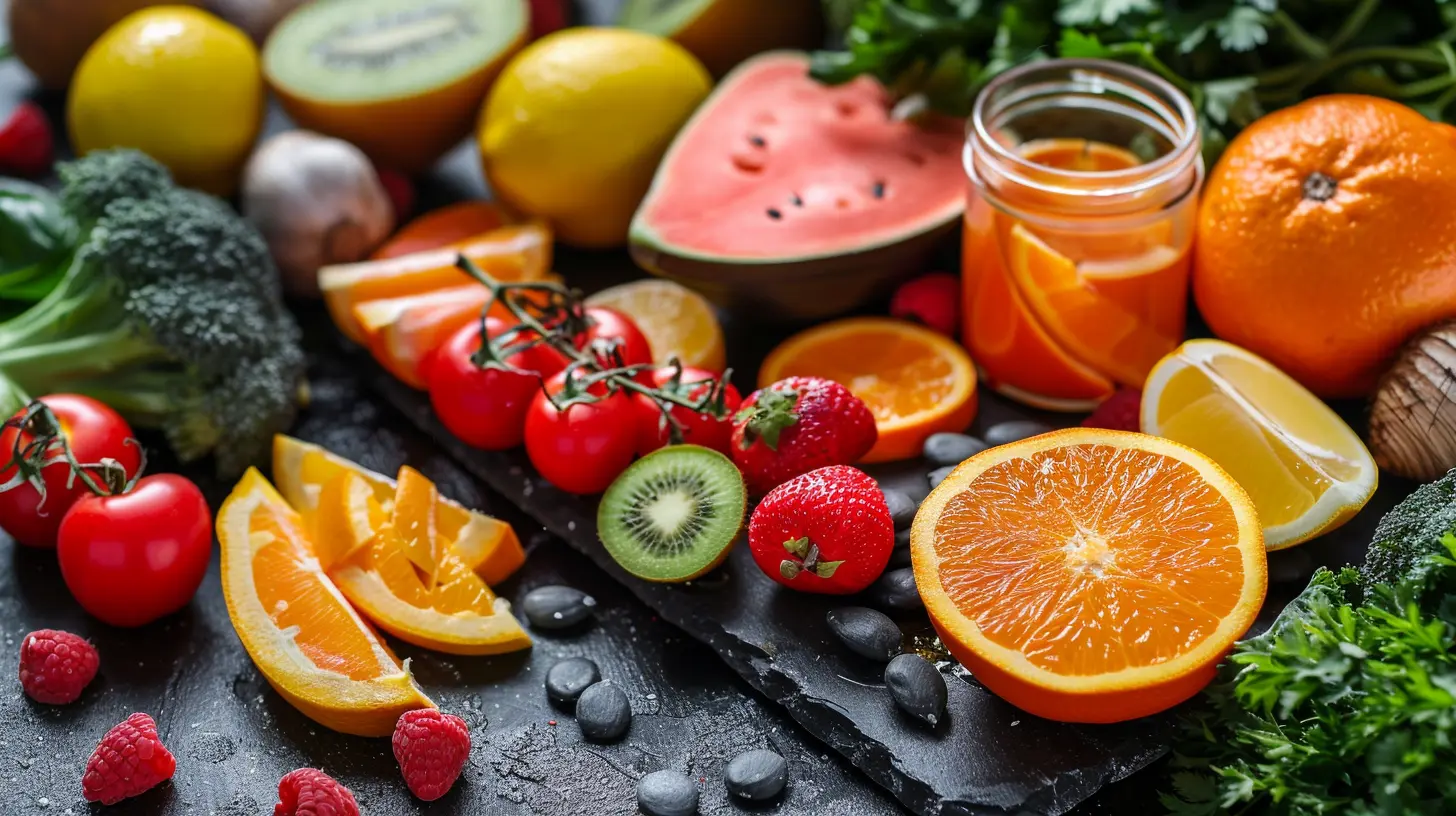
⚠️ Signs You Might Be Running Low on Vitamin A
Let’s be real—not many people think about whether they’re getting enough Vitamin A. But deficiency is more common than you might think, especially in developing countries and among people with restricted diets.Here are some red flags:
- Frequent infections (especially respiratory ones)
- Dry, itchy eyes
- Poor night vision
- Rough, dry skin
- Delayed wound healing
- Fatigue or sluggishness
If these sound familiar, it might be time to look at your Vitamin A intake.
🍽️ Where to Get Your Daily Dose
The good news? You don’t need supplements (unless a doctor says so). Nature’s got your back, and there are plenty of Vitamin A-rich foods you can add to your plate today.Animal-Based Sources (Preformed Vitamin A)
- Beef Liver (super rich! Just a little goes a long way)- Dairy (milk, cheese, butter)
- Eggs (especially the yolk)
- Fish (like salmon and tuna)
Plant-Based Sources (Carotenoids)
- Carrots- Sweet Potatoes
- Pumpkin
- Spinach
- Kale
- Red Bell Peppers
- Mangoes
- Cantaloupe
Here’s a tip: Since Vitamin A is fat-soluble, it absorbs better when eaten with healthy fats. So drizzle some olive oil on those veggies or pair that sweet potato with a scoop of avocado. Your body will thank you.
💊 Supplements: Yay or Nay?
If you’re eating a balanced diet, you’re probably getting enough Vitamin A. But in some cases—like during pregnancy, for people with malabsorption conditions (like Crohn’s or celiac), or if you’re vegan—you might need a supplement. Just be careful.Too much Vitamin A can be toxic, especially the preformed kind. Symptoms can include nausea, dizziness, headaches, and even liver damage. Always stick to the recommended amounts and consult with a healthcare provider.
🧪 How Much Vitamin A Do You Actually Need?
Here’s a rough breakdown according to the Recommended Dietary Allowance (RDA):- Men: 900 mcg/day (RAE)
- Women: 700 mcg/day (RAE)
- Children: Depends on age, around 300–600 mcg/day
RAE stands for Retinol Activity Equivalents—it just means how much usable Vitamin A your body gets.
🤸♀️ Vitamin A = Total Body Wellness
What’s amazing about Vitamin A is that its impact goes far beyond just eyes and immunity. It plays a role in:- Reproductive health
- Skin renewal and acne prevention
- Bone growth
- Healthy fetal development during pregnancy
In other words, it's like the multitool of nutrients. Not flashy, maybe, but absolutely essential.
🚦 The Bottom Line
Here’s the takeaway: Vitamin A is a big deal. It’s the quiet guardian of your immune system, the night-vision enabler for your eyes, and the behind-the-scenes worker that keeps tissues and skin healthy. Not getting enough can lead to serious issues, but overdoing it isn’t good either. Balance and variety in your diet are key.So next time you're planning your meals, throw in those vibrant veggies and maybe an egg or two. Think of each bite as a little gift to your body—one that helps you see clearly, fight illness, and feel your best every day.
👩🍳 Quick Recipe Ideas to Boost Your Vitamin A
Need some inspiration? Here are a few simple, tasty ways to sneak more Vitamin A into your diet:- Sweet Potato Fries baked in olive oil with a sprinkle of cinnamon.
- Spinach and Feta Omelet—plus whole eggs add preformed Vitamin A.
- Carrot and Mango Smoothie with a splash of coconut milk for better absorption.
- Roasted Butternut Squash Soup—cozy, creamy, packed with carotenoids.
- Kale Chips—crunchy, salty, and way healthier than potato chips.
🥕 Final Thoughts
Next time you hear about a superfood or buzzworthy vitamin, remember that Vitamin A has been doing its thing all along—quietly keeping your immune system in top form and sharpening your vision. It might not get as much love as trendy nutrients like collagen or magnesium, but it’s just as essential, if not more.So whether you get it from carrots or cod liver oil, make sure Vitamin A is on your radar. Your eyes and immune system are counting on it.
all images in this post were generated using AI tools
Category:
SupplementsAuthor:

Eileen Wood
Discussion
rate this article
2 comments
Camille Frye
Vitamin A is essential for maintaining immune health and supporting optimal vision function.
March 10, 2026 at 4:05 PM
Eileen Wood
Thank you for highlighting the importance of Vitamin A! Its role in immune health and vision is indeed vital for overall well-being.
Bradley Rios
Vitamin A is crucial for maintaining a healthy immune system and optimal vision. Incorporating foods rich in this vitamin, like carrots and leafy greens, can significantly enhance your overall health and well-being. Embrace it in your diet!
February 10, 2026 at 4:12 PM
Eileen Wood
Thank you for highlighting the importance of Vitamin A! Incorporating these foods is indeed vital for supporting immune function and vision. Your input reinforces the article’s key points!