The Role of Probiotics in Reducing Inflammation
25 January 2026
Inflammation is our body's natural defense mechanism, protecting us from infections, injuries, and toxins. But what happens when this system goes haywire? Chronic inflammation has been linked to a wide range of health problems, including heart disease, diabetes, and even autoimmune disorders.
So, what if I told you that something as simple as the bacteria in your gut could have a major impact on inflammation? That’s right—probiotics, those tiny microorganisms found in fermented foods and supplements, may play a significant role in keeping inflammation in check. Let’s dive deep into how probiotics help in reducing inflammation and improving overall health. 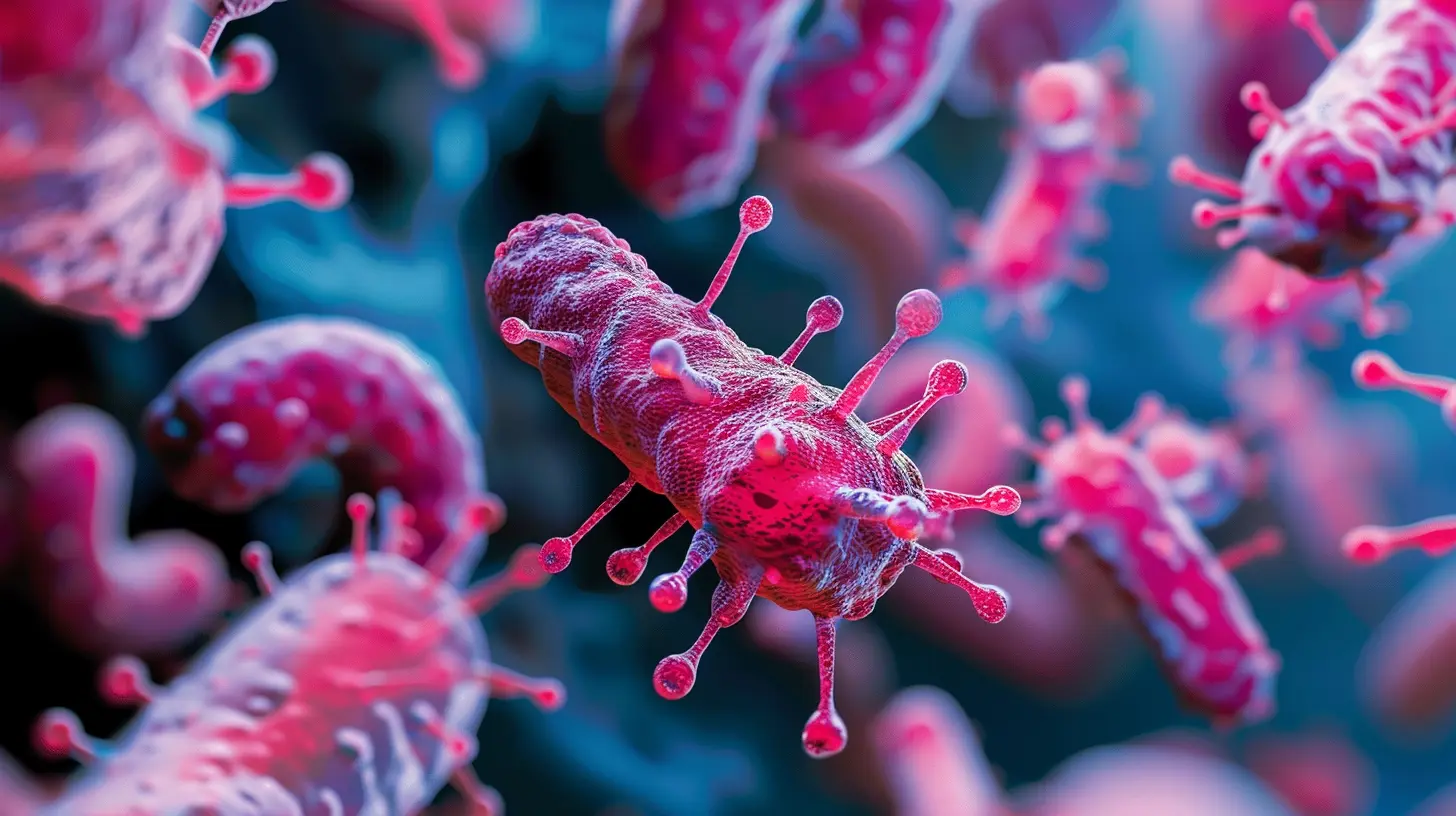
Understanding Inflammation: Friend or Foe?
Inflammation isn't necessarily a bad thing. In fact, it's essential for healing wounds and fighting infections. However, when inflammation becomes chronic, it can wreak havoc on the body.Types of Inflammation
There are two main types of inflammation:1. Acute Inflammation – This is short-term inflammation that helps the body recover from injuries or infections. Think of it as a fire alarm—the body detects a problem, responds quickly, and then shuts off once the issue is resolved.
2. Chronic Inflammation – This is the real problem. It’s long-term inflammation that persists even when there is no immediate threat. Over time, it can contribute to serious diseases like arthritis, obesity, and even cancer.
What causes inflammation to go into overdrive? Poor diet, stress, lack of sleep, and gut imbalances can all play a role. And this is exactly where probiotics step in to help. 
The Gut-Inflammation Connection
Your gut isn't just responsible for digestion—it's also home to trillions of bacteria, fungi, and other microorganisms, collectively known as the gut microbiome. This ecosystem plays a crucial role in immune function, metabolism, and overall health.When your gut microbiome is out of balance (a condition called dysbiosis), harmful bacteria can multiply and trigger inflammation. On the flip side, maintaining a healthy gut can keep inflammation under control, and probiotics are one of the best tools to achieve this balance. 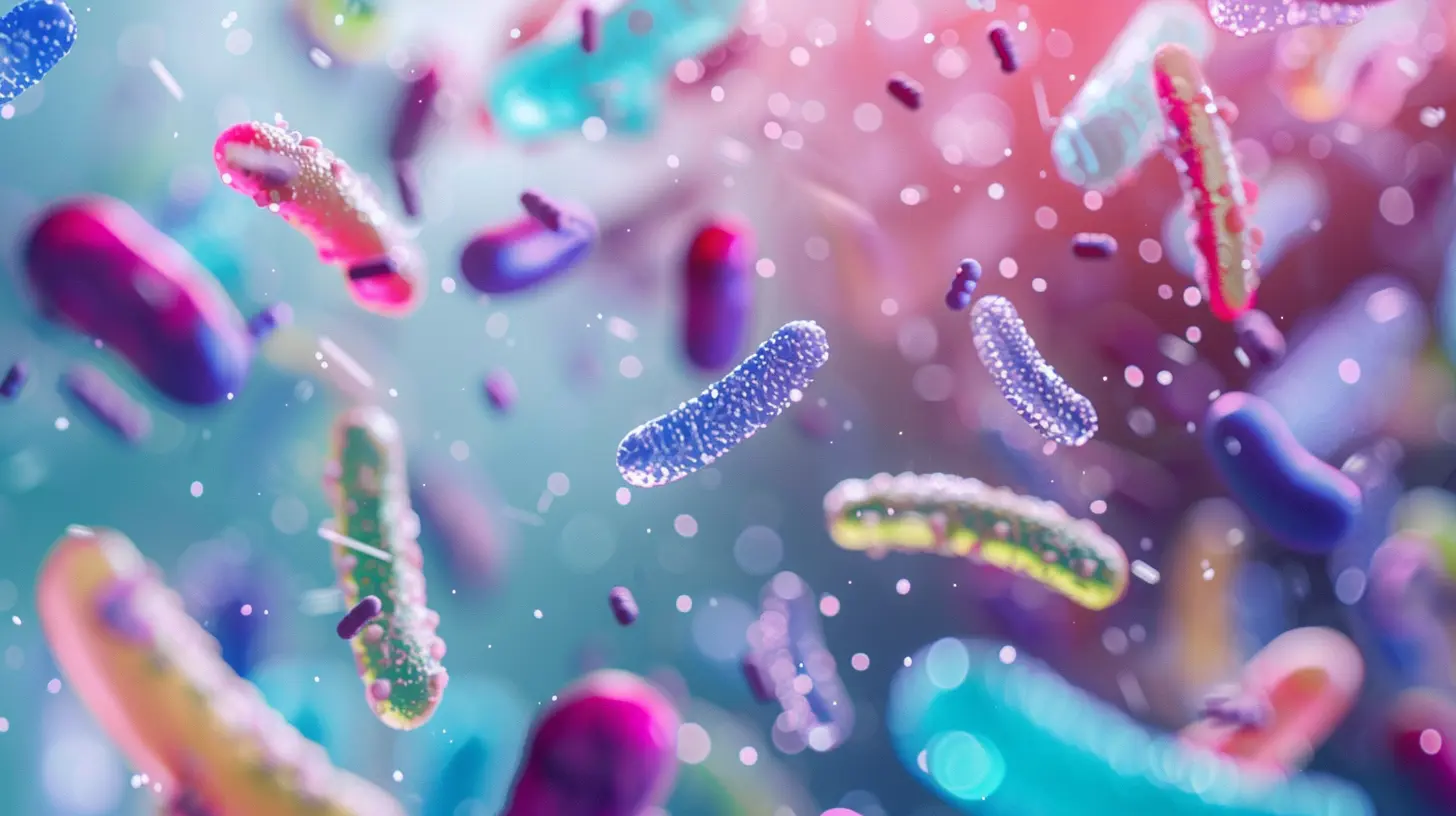
How Probiotics Help Reduce Inflammation
1. Strengthening the Gut Barrier
Your gut lining acts as a protective wall, preventing harmful substances from entering the bloodstream. If this barrier is compromised (often referred to as leaky gut syndrome), toxins and bacteria can escape into the bloodstream, triggering an immune response that leads to inflammation.Probiotics help by reinforcing the gut wall, reducing permeability, and keeping harmful invaders out. Strains like Lactobacillus rhamnosus and Bifidobacterium longum are particularly known for their gut-protective benefits.
2. Balancing the Gut Microbiome
A healthy gut should have a balance of good and bad bacteria. When bad bacteria take over, they can produce toxins that fuel inflammation. Probiotics help restore balance by increasing the number of beneficial bacteria while suppressing harmful ones.Certain strains, such as Lactobacillus plantarum and Bifidobacterium bifidum, have been shown to reduce inflammation markers like C-reactive protein (CRP) and tumor necrosis factor-alpha (TNF-α), both of which are linked to chronic diseases.
3. Producing Anti-Inflammatory Compounds
Did you know that probiotics can produce their own anti-inflammatory chemicals? Certain probiotic strains release short-chain fatty acids (SCFAs) like butyrate, which nourish gut cells and reduce inflammation.SCFAs have been shown to regulate immune function and decrease the production of pro-inflammatory cytokines. This makes probiotics an excellent natural approach to controlling excessive inflammation.
4. Modulating the Immune System
Your immune system plays a big role in inflammation. Probiotics help regulate immune responses, preventing the immune system from overreacting and causing unnecessary inflammation.Strains like Lactobacillus casei and Bifidobacterium breve are known to balance immune function, ensuring that the body fights off real threats while avoiding unnecessary inflammatory responses.
5. Reducing Gut Infections and Overgrowth of Harmful Bacteria
An overgrowth of harmful bacteria such as Escherichia coli or Clostridium difficile can lead to gut inflammation. Probiotics compete with these harmful microbes for space and nutrients, preventing them from establishing dominance.Some probiotic strains even produce antimicrobial compounds that directly kill bad bacteria, further reducing inflammation and promoting a healthier gut environment. 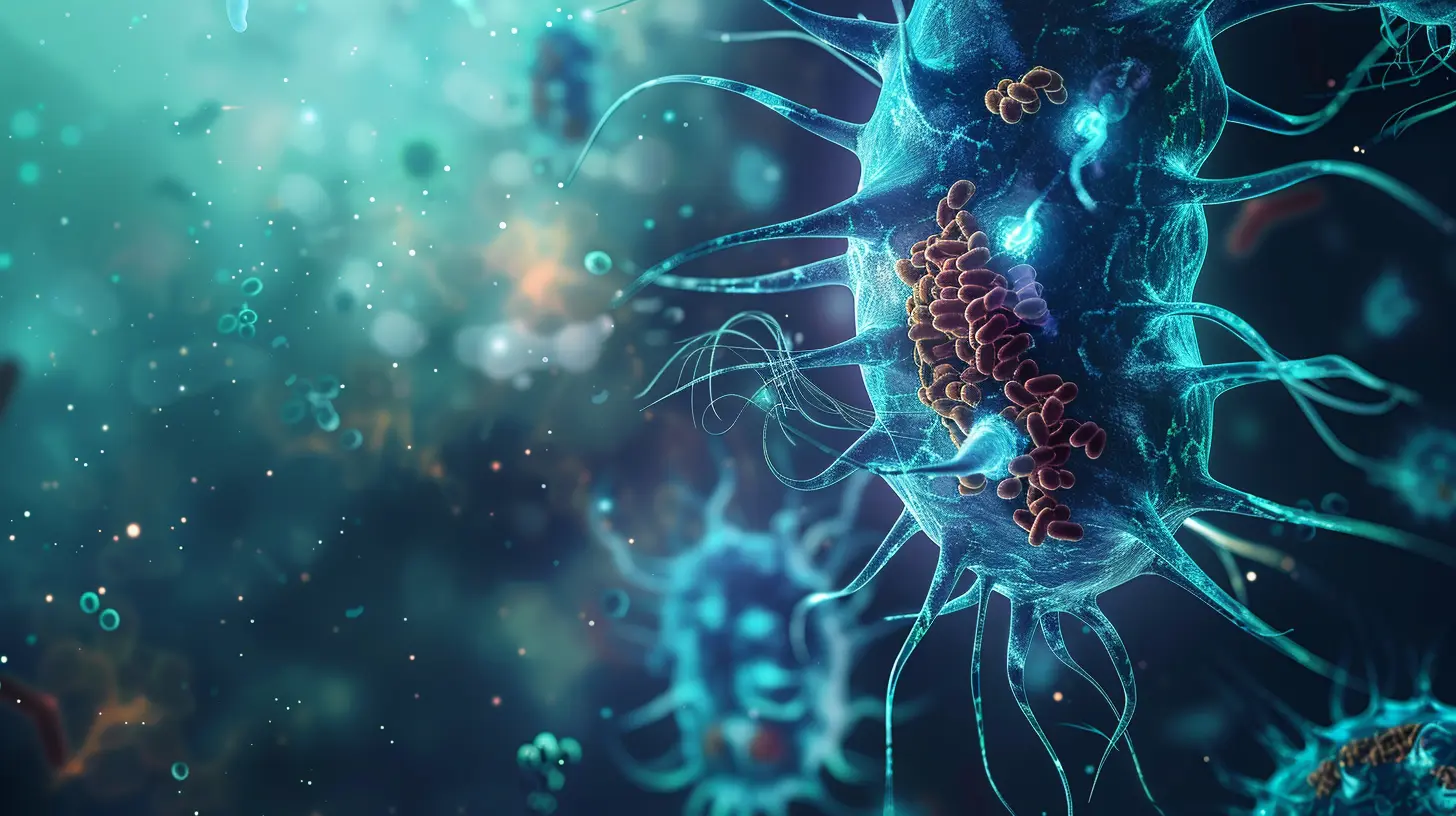
Best Probiotic Strains for Inflammation
Not all probiotics are created equal. If you're looking to reduce inflammation, here are some of the most effective strains:- Lactobacillus rhamnosus – Strengthens the gut barrier and reduces inflammatory responses.
- Lactobacillus plantarum – Known for its ability to lower inflammatory markers.
- Bifidobacterium longum – Helps suppress harmful bacteria and supports immune function.
- Lactobacillus reuteri – Reduces gut infections and promotes a balanced gut microbiome.
- Bifidobacterium breve – Supports immune modulation and lowers systemic inflammation.
Best Food Sources of Probiotics
If you want to boost your probiotic intake naturally, try incorporating these fermented foods into your diet:- Yogurt (look for live and active cultures)
- Kefir
- Sauerkraut
- Kimchi
- Miso
- Tempeh
- Kombucha
- Pickles (fermented in brine, not vinegar)
Alternatively, high-quality probiotic supplements can also be effective, especially if you’re dealing with chronic inflammation or gut imbalances.
Lifestyle Habits to Support Gut Health and Reduce Inflammation
While probiotics are powerful, they work best when combined with other healthy habits. Here are a few additional tips to keep inflammation in check:1. Eat a Fiber-Rich Diet
Prebiotics (fiber that feeds good bacteria) are just as important as probiotics. Foods like garlic, onions, leeks, bananas, and asparagus help nourish beneficial gut bacteria.2. Reduce Processed Foods and Sugar
Excessive sugar and ultra-processed foods can feed harmful bacteria and promote inflammation. Stick to whole, nutrient-dense foods for better gut health.3. Manage Stress Levels
Chronic stress disrupts gut balance and increases inflammation. Practices like meditation, deep breathing, and regular exercise can help regulate stress and support overall well-being.4. Stay Hydrated
Drinking enough water supports digestion and helps flush out toxins that can contribute to inflammation.5. Get Enough Sleep
Poor sleep has been directly linked to higher inflammation levels. Aim for 7-9 hours of restful sleep per night to support immune function and gut health.Final Thoughts
Probiotics are more than just trendy gut health supplements—they are powerful allies in the fight against chronic inflammation. By strengthening the gut barrier, balancing the microbiome, producing anti-inflammatory compounds, and regulating the immune system, probiotics provide a natural approach to reducing inflammation and improving overall health.If you're struggling with chronic inflammation, adding probiotic-rich foods or supplements to your daily routine may be a game-changer. Combine this with a balanced diet, stress management, and healthy lifestyle choices to keep inflammation in check and enjoy better well-being.
all images in this post were generated using AI tools
Category:
ProbioticsAuthor:

Eileen Wood
Discussion
rate this article
2 comments
Charlie McPhail
Great article! Understanding the importance of probiotics in reducing inflammation is a game-changer for our health. Embracing these tiny powerhouses can make a significant difference in our well-being. Let’s prioritize our gut health and unleash our body's potential for healing and vitality! Every step counts towards a healthier you!
March 4, 2026 at 4:12 PM
Eileen Wood
Thank you for your enthusiasm! I'm glad you found the article enlightening. Prioritizing gut health is indeed vital for overall well-being!
Zayn McCullough
Probiotics may serve as a bridge between gut health and inflammation reduction, highlighting the intricate connection between our microbiome and immune responses. As we explore this relationship, we must consider not just the benefits of probiotics, but also their role in our overall well-being.
January 26, 2026 at 4:57 AM
Eileen Wood
Thank you for your insightful comment! Indeed, probiotics may play a crucial role in connecting gut health and inflammation reduction, emphasizing the importance of our microbiome in overall well-being.