The Role of Intermittent Fasting in Reducing Stress
24 April 2026
Ah, stress—our ever-present, unwelcome companion that seems to show up uninvited at the worst possible times. You know, like when you're trying to fall asleep or simply exist as a functioning adult. What if I told you there’s a way to put stress in its place without resorting to expensive spa treatments or screaming into a pillow? Enter intermittent fasting (IF), the trendy yet ancient method of eating that promises not only a smaller waistline but also a calmer mind.
So, let’s dive into how skipping meals (on purpose this time) can actually help you keep your cool.

Stress and Eating: A Toxic Relationship
Stress and food have a long and complicated relationship. When you’re stressed, your brain thinks the sky is falling and tells you to eat all the carbs in sight. Why? Because back in the caveman days, stress meant one of two things: you were about to fight off a predator or you were starving to death. Either way, food was the answer.Fast forward to modern life, and now we stress-eat over emails, bills, and Karen from accounting who can’t seem to mind her own business. The result? We overeat, feel guilty, and ultimately become even more stressed. It’s a vicious cycle.
This is where intermittent fasting swoops in like a superhero to save the day.

How Intermittent Fasting Lowers Stress
1. Balancing Cortisol Levels (AKA The Stress Hormone)
Cortisol—the hormone responsible for making you feel like a frazzled mess—is directly affected by the food you eat (or don’t eat). When you’re constantly snacking, your body is on a rollercoaster of blood sugar spikes and crashes, causing cortisol to fluctuate like a stock market on steroids.Intermittent fasting, on the other hand, helps regulate these fluctuations. When you give your body a break from constant eating, cortisol levels stabilize, making you feel less like an over-caffeinated squirrel and more like a serene monk.
2. Activating Autophagy (A Fancy Term for Cellular Housekeeping)
Your body is like a hoarder’s house filled with junk cells and broken-down proteins. The good news? Fasting activates autophagy, a process where your body cleans up the mess and recycles damaged cells. This not only helps with physical health but also improves brain function, leading to less stress and anxiety.Think of it as Marie Kondo for your cells—if it doesn’t spark joy, your body gets rid of it.
3. Improving Gut Health (Because Your Stomach Has Feelings Too)
Ever had a "gut feeling" about something? Well, that’s not just a phrase—there’s actual science behind it. Your gut and brain are connected through the gut-brain axis, meaning your digestive system has a direct impact on your mood.When you’re constantly eating junk or overloading your gut, it leads to inflammation, poor digestion, and—yep, you guessed it—stress. Intermittent fasting gives your digestive system a much-needed break, helping reset your gut and improve overall mood regulation.
4. Increasing Brain-Derived Neurotrophic Factor (BDNF)
BDNF is like Miracle-Gro for your brain. This protein helps with learning, memory, and, most importantly, stress resilience. Studies show that fasting increases BDNF levels, making your brain sharper and more resistant to stress.So, in a way, skipping breakfast isn't making you "hangry"—it's actually making you mentally stronger. Take that, cereal commercials.
5. Encouraging Mindful Eating (Because You Actually Appreciate Food)
When you fast, you’re not just skipping meals—you’re resetting your relationship with food. Instead of mindlessly munching on chips while binge-watching Netflix, intermittent fasting makes you more intentional about what you eat and when you eat it.This mindfulness can reduce stress levels because you no longer view food as an emotional crutch but rather as fuel for your body and brain.
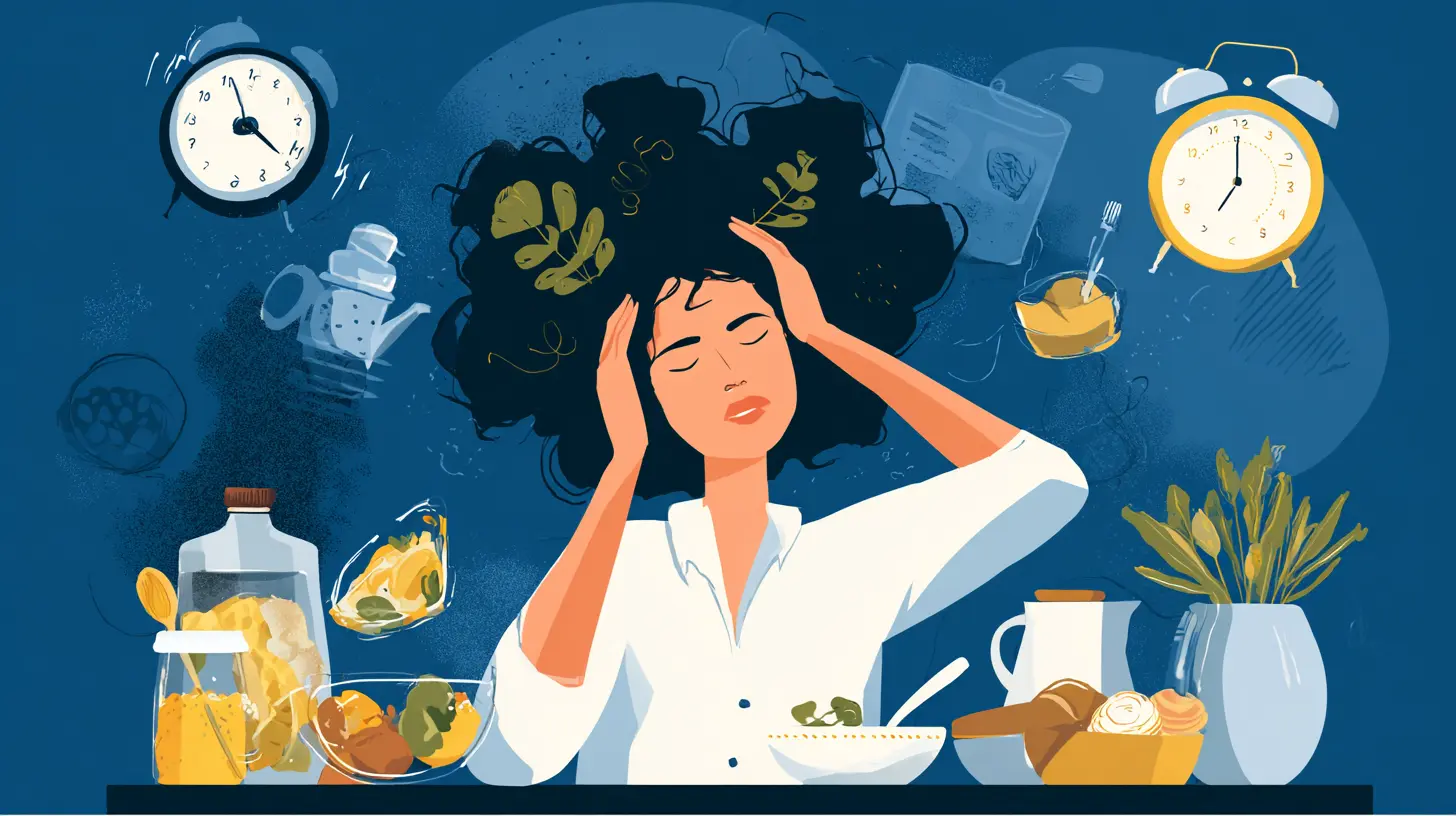
But Wait… Doesn’t Fasting Cause Stress?
Great question. If you jump into fasting like a toddler cannonballing into a pool, then yes, your body might freak out initially. If you're used to snacking every two hours, suddenly not eating for 16+ hours can feel like an apocalypse.But here’s the thing—your body adapts. Once it realizes that food is still very much available (just in structured windows), it stops panicking. In fact, fasting actually lowers oxidative stress, reduces inflammation, and improves overall resilience.
The key? Gradual adaptation. Start with 12-hour fasts and work your way up. Don’t just wake up one day and decide to starve yourself for 24 hours because some health guru on Instagram told you to do it. Your body will not be amused.

Who Should Avoid Intermittent Fasting for Stress?
While intermittent fasting is a game-changer for many, it’s not for everyone. If you fall into any of these categories, you might want to rethink fasting:- If you have a history of eating disorders: Fasting can trigger unhealthy behaviors—definitely not worth the risk.
- If you’re pregnant or breastfeeding: Your body has more important things to do than worry about fasting.
- If you have adrenal fatigue or chronic stress issues: Some people’s cortisol levels actually spike with fasting, making stress worse. Listen to your body.
If fasting makes you feel worse rather than better, stop. Stress management is the goal here, not adding another source of anxiety.
Practical Tips to Make Fasting Stress-Free
If you're ready to give intermittent fasting a go without the added stress, here are some practical tips to keep things smooth:- Hydrate like a champion – Water, herbal tea, and black coffee can help curb hunger while keeping you energized.
- Ease into it – Start small with a 12-hour fast before attempting longer fasts.
- Get enough sleep – Sleep deprivation + fasting = disaster. Prioritize rest.
- Eat nutrient-dense meals – Breaking your fast with a donut won’t do you any favors. Fuel up with real food.
- Listen to your body – Fasting isn’t about suffering. If you feel miserable, adjust your approach.
Final Thoughts
Intermittent fasting isn’t just about losing weight or following the latest health craze—it’s about giving your body and mind a break from the constant onslaught of food and stress. It helps regulate hormones, improves gut health, increases brain function, and, most importantly, keeps you from wanting to throw your laptop out the window during a stressful workday.So, if stress has been running the show in your life, maybe it’s time to shake things up. Who knew skipping a meal (strategically) could actually be the key to inner peace?
all images in this post were generated using AI tools
Category:
Intermittent FastingAuthor:

Eileen Wood
Discussion
rate this article
2 comments
Greyson Wilkins
Intermittent fasting can offer a reset for the mind, fostering clarity and resilience amid life's chaos.
August 15, 2026 at 2:22 AM
Eileen Wood
Absolutely, intermittent fasting can indeed help clear mental clutter and build resilience. It's a powerful tool for enhancing focus during stressful times.
Skyler Jenkins
Intermittent fasting may offer a unique approach to stress management, promoting both physical health and mental clarity.
April 24, 2026 at 2:48 AM
Eileen Wood
Thank you for your insightful comment! Intermittent fasting indeed has potential benefits for both physical health and mental clarity, making it a valuable tool for stress management.