The Role of Culture in Spreading Health Misconceptions
9 October 2026
A mother in a rural community refuses to give her child a fever-reducing medication because her own mother taught her that fever "burns out" the illness. A young professional avoids cold drinks during a respiratory infection because his grandmother insisted cold liquids "chill the lungs." A cancer patient delays chemotherapy to try an herbal mixture recommended by a respected community elder. None of these people are foolish. None of them are acting out of ignorance in the way outsiders often assume. They are acting inside a cultural logic that has governed health decisions in their families and communities for generations.
Health misconceptions do not spread in a vacuum. They travel through families, religious gatherings, social networks, marketplaces, and now through group chats and short videos. Culture is the vehicle. It gives these beliefs meaning, emotional weight, and social reinforcement. Understanding how culture spreads health misconceptions is not an exercise in blaming communities. It is a practical necessity for anyone who wants to improve health outcomes, whether you are a clinician, a public health worker, a teacher, a journalist, or simply someone trying to help a relative make a safer choice.
This article examines the mechanisms by which culture carries and amplifies health misconceptions, why some beliefs persist even when evidence contradicts them, and how to respond in ways that respect people rather than alienate them.

Why Culture Is So Effective at Transmitting Health Beliefs
Culture is not just a set of traditions. It is an operating system for making sense of the world. It tells people what counts as an illness, what causes it, who should treat it, and what recovery should look like. When a health belief is embedded in that system, it carries authority that no pamphlet or public service announcement can easily match.Several features make cultural transmission unusually powerful.
First, cultural beliefs are learned early. Children absorb explanations for illness from parents and grandparents before they can evaluate them critically. By adulthood, these explanations feel less like opinions and more like common sense.
Second, cultural beliefs are socially enforced. Disagreeing with a widely held health belief can mean disappointing elders, inviting gossip, or being seen as rejecting your own people. The cost of dissent is social, not just intellectual.
Third, cultural beliefs are emotionally comforting. In communities with limited access to trustworthy healthcare, traditional explanations offer certainty and a sense of control. A belief that illness comes from imbalance, spiritual disharmony, or a specific food category gives people something to act on.
Fourth, cultural beliefs are often partly right. This is the most overlooked point. Many traditional health practices have real value. Herbal remedies sometimes contain active compounds. Dietary traditions sometimes reflect sound nutritional wisdom. When a belief system contains genuine insights, it becomes much harder to dismiss entirely, and misconceptions can ride along unnoticed.
How Misconceptions Move Through Generations and Networks
Misconceptions rarely spread through formal teaching. They spread through everyday conversation, storytelling, and imitation. A grandmother recounts how she cured a wound with a particular paste. A neighbor shares that a certain tea "cleans the blood." A religious leader mentions that a disease is a test of faith. Each of these moments transmits information wrapped in trust.Oral transmission has a distinctive feature: it adapts. Details shift to fit the audience. A nuanced traditional practice can become a simplified rule over time. "Some people find this herb helpful for mild symptoms" becomes "this herb cures the disease." The uncertainty gets stripped away, and the claim becomes stronger as it travels.
Social networks amplify this further. In tight communities, a belief that is repeated by several respected people starts to feel verified. This is not naivety. It is normal human cognition. When we hear the same claim from multiple independent-seeming sources, we treat it as more likely to be true, even if those sources are all drawing from the same original rumor.
Digital platforms have accelerated this process without changing its basic logic. A WhatsApp voice note from a trusted aunt can now reach hundreds of people in minutes. Algorithmic recommendations can push health content toward people who already believe it, creating reinforcement loops. The cultural authority of the messenger still matters more than the quality of the evidence.

Common Categories of Culturally Rooted Health Misconceptions
Misconceptions tend to cluster around a few recurring themes. Recognizing these themes helps you anticipate what you are dealing with.Beliefs about cause
Many cultures explain illness through imbalance, contamination, punishment, or spiritual interference. These explanations often conflict with germ theory or chronic disease models. For example, a person may believe that diabetes is caused by a curse rather than by a combination of genetics, diet, and metabolic factors. This belief changes everything about how they respond. They may seek spiritual intervention instead of medical management, not because they are irrational, but because their causal model points in a different direction.Beliefs about treatment
Cultural traditions often include specific remedies, rituals, and restrictions. Some are harmless, some are helpful, and some are dangerous. A common misconception is that natural automatically means safe. Another is that a treatment must be unpleasant or extreme to work. These beliefs can lead people to ingest toxic substances, delay effective care, or abandon treatment when it does not match their expectations.Beliefs about prevention
Preventive practices are especially vulnerable to cultural framing. Whether people accept vaccines, screenings, or hygiene measures often depends on whether those measures fit existing ideas about purity, bodily integrity, or fate. A community that values bodily purity may resist injections. A community that believes illness is fated may see prevention as futile.Beliefs about who is credible
Culture shapes who people trust. In many communities, a traditional healer, an elder, or a religious figure carries more credibility than a young physician in a white coat. This is not simply deference to authority. It reflects accumulated experience. If formal healthcare has historically been inaccessible, disrespectful, or ineffective for a community, trusting local sources is a rational adaptation.
Why Facts Alone Rarely Change Minds
A common mistake among well-meaning health communicators is to assume that correcting a misconception is a matter of providing accurate information. This approach fails more often than it succeeds, and the reasons are worth understanding.When you present a fact that contradicts a culturally held belief, you are not just challenging a piece of information. You are implicitly challenging the people who taught it, the community that shares it, and the identity that comes with it. People often respond by defending the belief more strongly, a pattern sometimes called a backfire effect, though researchers debate how consistent and large this effect is. Even without a backfire, the new fact may simply be filed away as an exception rather than a replacement.
There is also the matter of trust. Information from an unfamiliar source is evaluated through a credibility filter. If the source is seen as an outsider, a government representative, or someone with a commercial interest, the information may be rejected regardless of its accuracy.
Finally, misconceptions often serve a function. They may reduce anxiety, explain suffering, or preserve family harmony. Removing them without addressing the underlying need leaves a gap that another misconception can fill.
The Role of Historical and Structural Context
It is difficult to understand health misconceptions without acknowledging why some communities distrust formal medicine. Historical abuses, unethical research, forced treatments, and discriminatory care have left lasting scars in many populations. When people say they do not trust doctors or vaccines, they are sometimes drawing on real collective memory rather than irrational fear.Structural factors matter too. When clinics are far away, expensive, or staffed by people who do not speak your language, alternatives become not just culturally familiar but practically necessary. A misconception that "hospitals make you worse" can be reinforced by the reality that the only hospital a person can reach is overcrowded and under-resourced.
This context does not make misconceptions true. It explains why they persist and why simply labeling them as false is insufficient.
Practical Strategies for Addressing Culturally Embedded Misconceptions
Effective responses share a common feature: they work within culture rather than against it. Here are approaches that tend to hold up in practice.Start with listening, not correcting
Before you can address a belief, you need to understand it. Ask open-ended questions. What does the person believe causes the problem? What have they tried? Who advised them? What outcome are they hoping for? This does not mean endorsing the belief. It means understanding the logic and the emotional stakes.Identify shared goals
Most people, regardless of culture, want the same core things: safety, relief from suffering, and a future for their children. When you frame health recommendations as pathways to those shared goals, you reduce the sense of cultural conflict. "I want your child to recover just as much as you do" is a more productive starting point than "you are wrong."Work with trusted messengers
Information spreads through trusted channels. If you want to counter a misconception, you need people inside the community to carry the message. Community health workers, faith leaders, teachers, and respected elders can often do what outside experts cannot. Investing in these messengers is slow but durable.Acknowledge what is valid
Many traditional beliefs contain partial truths or serve real functions. Acknowledging this builds credibility. If a traditional remedy is harmless and comforting, there may be no reason to oppose it, especially if it does not delay effective care. If a dietary tradition has genuine benefits, say so. This signals that you are not dismissing the whole culture.Replace, do not just remove
When a misconception is harmful, offer a concrete alternative that fits the person's worldview. A belief that illness is caused by imbalance can be redirected toward evidence-based practices that also emphasize balance, such as hydration, nutrition, and rest. A belief in spiritual causes can coexist with medical treatment when framed as complementary rather than competing.Be patient with timelines
Cultural beliefs do not change in a single conversation. They shift over months and years, often through repeated exposure to trusted voices. Expecting immediate conversion sets you up for frustration and sets the other person up for pressure.Common Mistakes That Backfire
Even skilled communicators make errors. These are the ones that most often undermine progress.- Humiliating the person. Shame triggers defensiveness. It rarely produces lasting change.
- Leading with statistics. Numbers matter, but they rarely move people whose beliefs are emotional and social. Stories and lived experience often come first.
- Ignoring the messenger. The same message from a trusted community figure lands differently than from a stranger.
- Treating culture as the enemy. Culture is not the problem. Specific beliefs are. Framing the whole culture as backward alienates everyone.
- Overcorrecting. Dismissing all traditional practices, including harmless ones, damages trust and makes future conversations harder.
- Assuming one conversation is enough. Misconceptions are reinforced daily. They need sustained, respectful engagement.
When Cultural Beliefs and Medical Care Directly Conflict
Sometimes there is no comfortable middle ground. A belief may directly endanger life, such as refusing insulin for type 1 diabetes or rejecting a blood transfusion. In these cases, the priority is safety, but the approach still matters.Explain clearly and without jargon what will happen if the harmful practice continues. Offer the safest available alternative. Involve family members and trusted community figures when possible. Document the conversation. Respect the person's right to make decisions where the law allows, while making sure those decisions are informed.
In pediatric cases, the situation is more complex. Legal and ethical obligations vary by jurisdiction. Clinicians should know their local rules and involve ethics committees or social services when necessary. The goal is not to win an argument but to protect the child while preserving as much trust as possible.
Best Practices for Health Communicators and Educators
If you work in health communication, these practices will improve your effectiveness.- Segment your audience. Different communities hold different beliefs. A single national campaign will miss more than it hits.
- Use narrative. Stories about real people facing real decisions are more persuasive than abstract warnings.
- Test your messages. What sounds clear to you may sound condescending or confusing to others. Pre-testing with community members catches problems early.
- Train local messengers. Invest in the people who already have trust.
- Be transparent about uncertainty. Admitting what you do not know builds credibility rather than undermining it.
- Follow up. One-time interventions rarely stick. Ongoing engagement is what changes norms.
A Balanced View: Culture as Resource and Risk
It is tempting to frame culture as either a barrier or a treasure. The reality is that it is both, often at the same time.Culture is a resource. It provides social support, meaning, and continuity. It preserves practices that have real value. It can be mobilized for health, as seen when religious communities organize vaccination drives or when traditional birth attendants are trained to recognize danger signs.
Culture is also a risk. It can carry misconceptions that cause harm, especially when those misconceptions are reinforced by isolation, distrust, or lack of alternatives.
The goal is not to replace culture with science. It is to help communities integrate accurate information into their existing frameworks, keeping what works and revising what does not. This is slower than a top-down campaign, but it lasts longer.
Conclusion
Health misconceptions spread because culture gives them a home. They are carried by trusted voices, reinforced by social belonging, and sustained by real gaps in access and trust. Facts alone cannot dislodge them. What works is patient, respectful engagement that starts with listening, works through trusted messengers, acknowledges what is valid, and offers concrete alternatives.If you want to change a health belief, do not begin by attacking the belief. Begin by understanding the person who holds it. The most effective communicators are not the loudest or the most scientifically literate. They are the ones who earn trust first and let accurate information follow.
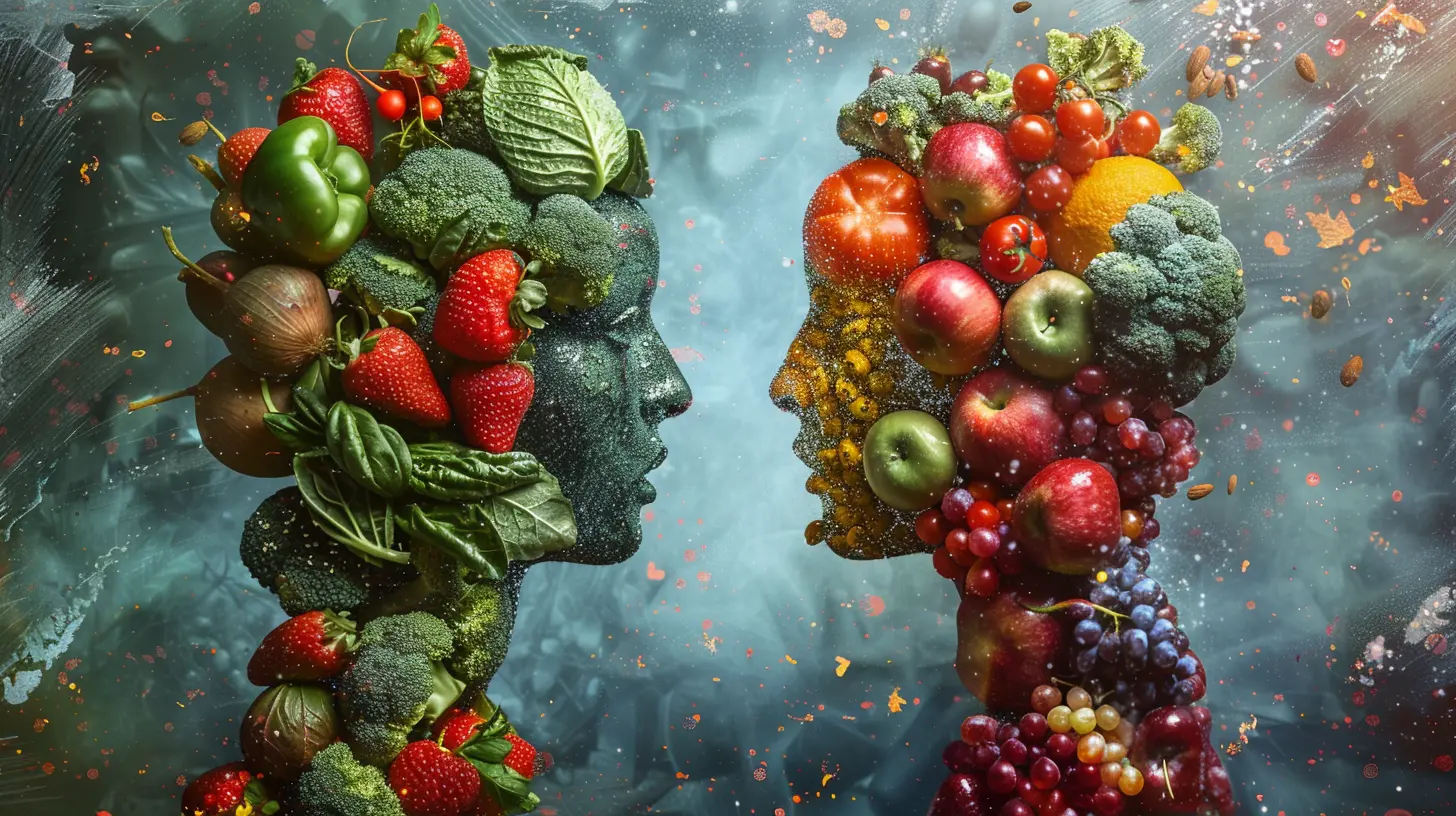
all images in this post were generated using AI tools
Category:
Health MythsAuthor:

Eileen Wood
Discussion
rate this article
1 comments
Carmel Strickland
Understanding cultural influences is vital for addressing health misconceptions effectively. Great insights!
October 9, 2026 at 2:21 PM