The Rise of Virtual Trainers: What to Expect in 2027
2 September 2026
The first misconception people have about virtual trainers in 2027 is that they are simply high-definition video streams. That is a 2020 product. The 2027 product is a fully interactive, three-dimensional entity that exists in your living space, even if you cannot see it.
Computer Vision: The Watchful Eye
The core of the new system is advanced computer vision. This is not the basic skeleton tracking we saw in early Kinect devices or current smartphone apps that count reps with a front-facing camera. The new systems use a combination of depth-sensing cameras and infrared sensors to build a real-time three-dimensional model of your body, down to the individual joints and limb segments.
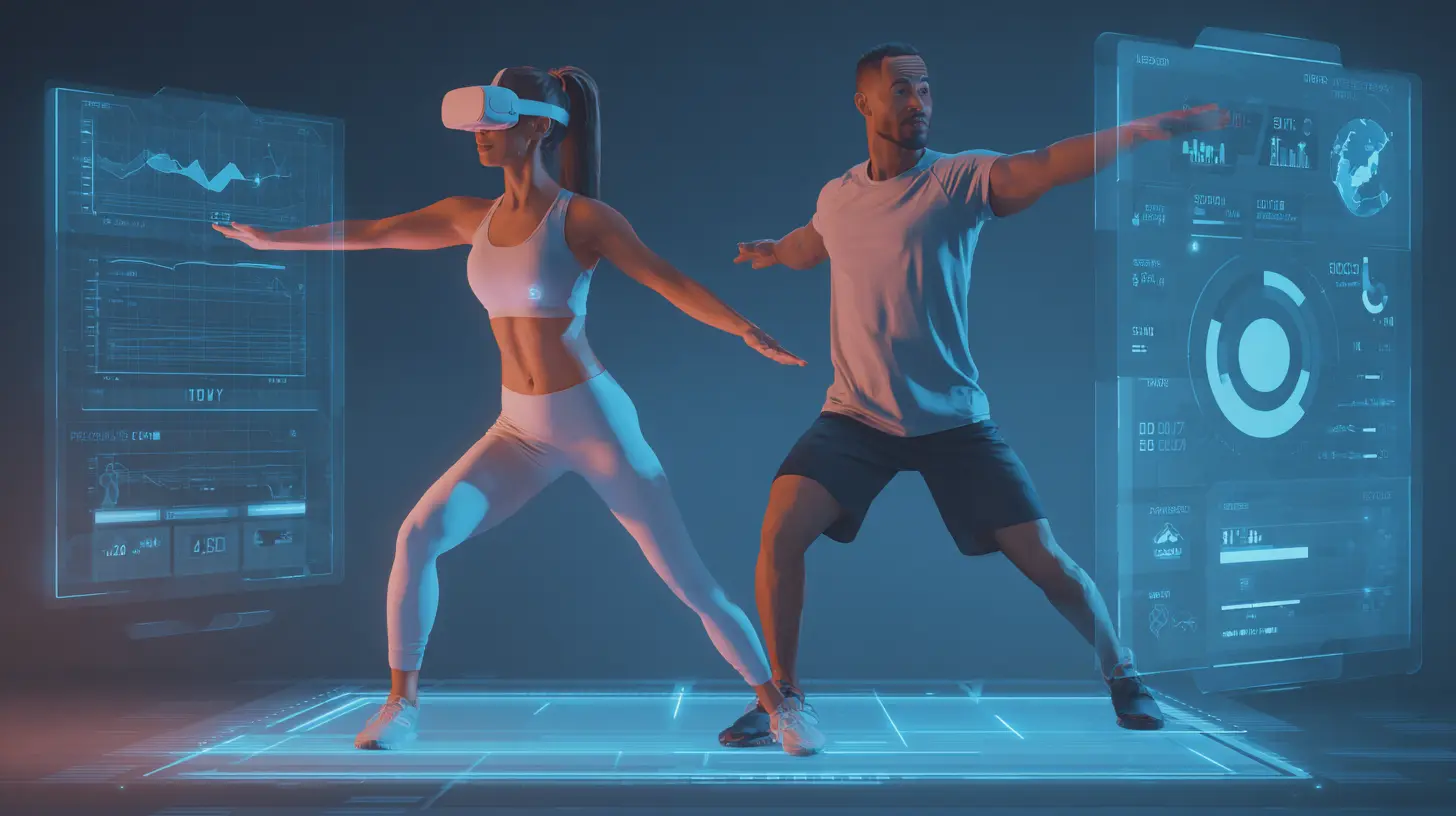
This allows the system to measure joint angles with a high degree of accuracy. It is not just counting that you did a squat; it is measuring the depth of that squat, the angle of your knee relative to your ankle, and the tilt of your pelvis. If your left hip drops during a single-leg squat, the virtual trainer sees it. It will not just tell you to "keep your hips level." It will show you a visual overlay of your skeleton against an ideal skeletal model, highlighting the exact degree of deviation.
This level of feedback is not a luxury. It is the primary differentiator between a virtual trainer and a video. A video is passive. A virtual trainer is reactive. In 2027, the trainer will use this data to make real-time adjustments. If your form degrades on the fifth rep, the trainer might stop you, reduce the weight, or switch you to a regression exercise that targets the specific weakness it detected. This is coaching, not content delivery.
Biometric Integration: The Silent Conversation
The second pillar is biometric integration. In 2027, it is not enough to see your movement. The system must understand your physiological state. This goes beyond heart rate from a chest strap. The new systems will pull data from multiple sources: continuous glucose monitors (CGMs) for energy levels, smartwatches for heart rate variability (HRV), and even smart rings that track skin temperature and sleep quality.
The virtual trainer will use this data to make intelligent decisions. Imagine you wake up with a low HRV score, a sign of poor recovery. In 2024, you would follow your scheduled workout anyway. In 2027, the virtual trainer will review your biometric data before you even step onto the mat. It will greet you with a modified session: perhaps a lower volume of heavy lifting, an extended warm-up, or a focus on mobility and corrective work instead of high-intensity intervals.
This is the "silent conversation" between your body and the algorithm. The trainer is not just listening to your voice or watching your reps; it is reading your autonomic nervous system. This allows for a level of personalization that a human trainer, who only sees you for one hour a day, cannot match.
Natural Language Processing: The Conversation You Can Have
The final technical pillar is natural language processing (NLP). The virtual trainer is not a silent observer. It talks, and more importantly, it listens. In 2027, the voice interaction is seamless. You can ask, "Why is my lower back tight today?" and the system will not just give a generic answer. It will analyze your workout history from the last week, correlate it with your sleep data, and provide a specific hypothesis: "Your thoracic mobility is down 12% compared to last week, and your hamstring flexibility has decreased. This is likely due to the increased running volume on Monday. Here is a 10-minute mobility routine to address this before we start."
This conversational ability transforms the experience. You can argue with the trainer. You can say, "I feel fatigued, can we do something lighter?" The system will not just comply; it will negotiate. It might offer a compromise: "We can reduce the squat weight by 15%, but I want you to keep the volume, as we are working on muscular endurance this week." This is a coaching dialogue, not a command interface.
The New Economics of Fitness Coaching
The rise of these sophisticated virtual trainers will fundamentally disrupt the economics of the fitness industry. The traditional model of a human personal trainer is excellent but expensive, often costing anywhere from fifty to one hundred and fifty dollars per hour. This price point limits access to a wealthy minority. The virtual trainer of 2027 offers a different value proposition.The Subscription vs. The Session
In 2027, you will likely pay a monthly subscription, similar to a streaming service. This subscription will provide access to a vast library of training protocols, but more importantly, it will provide access to your personal AI coach. The cost will be a fraction of a single human session. For the price of one hour with a human, you get a month of unlimited, daily, hour-long sessions with a virtual coach that knows your body better than most human trainers ever will.
This is a significant trade-off. The human trainer offers emotional intelligence, the ability to read body language, and the intangible energy of a live presence. The virtual trainer offers consistency, data-driven precision, and infinite patience. In 2027, we will see a split in the market. Human trainers will pivot to serve two specific niches: high-end clients who value the human connection and are willing to pay a premium for it, and specialized populations, such as post-rehabilitation patients or elite athletes, who require hands-on physical manipulation and complex psychological coaching that AI cannot yet replicate.
For the average person looking to lose weight, build muscle, or improve general health, the virtual trainer will be the default choice. It is not about the technology being "good enough." It is about the technology being better in the specific metrics that matter for consistency: accessibility, cost, and personalization.
The Hardware Question
One of the biggest decisions you will face in 2027 is hardware. There will be two main camps.
The first camp is the "screen-based" system. This uses a large display, either a television or a dedicated smart fitness mirror, with an integrated camera. The advantage is a high-fidelity visual experience, with video overlays and detailed anatomical graphics. The disadvantage is that the system is fixed in one location. You must go to the screen to work out.
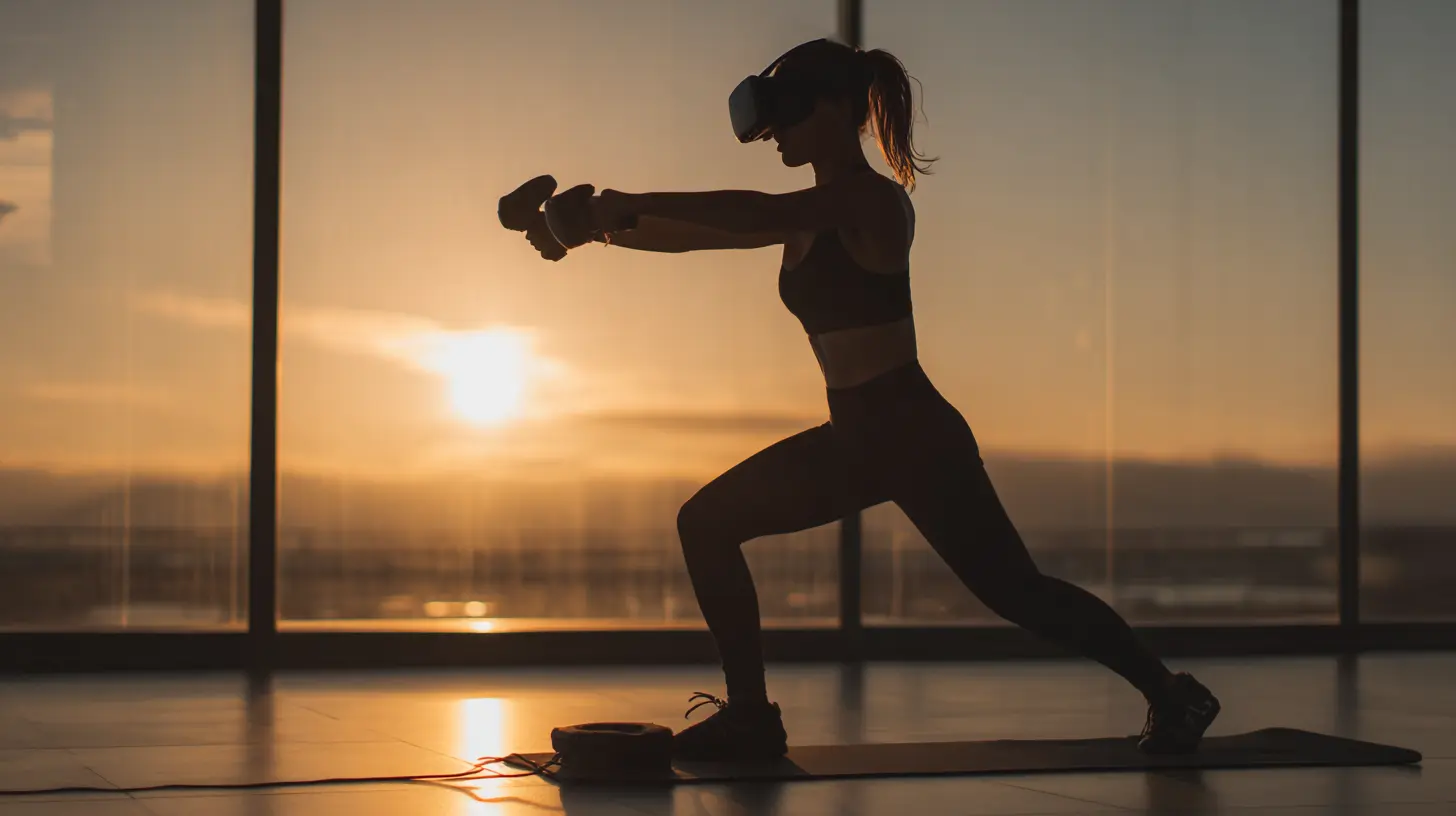
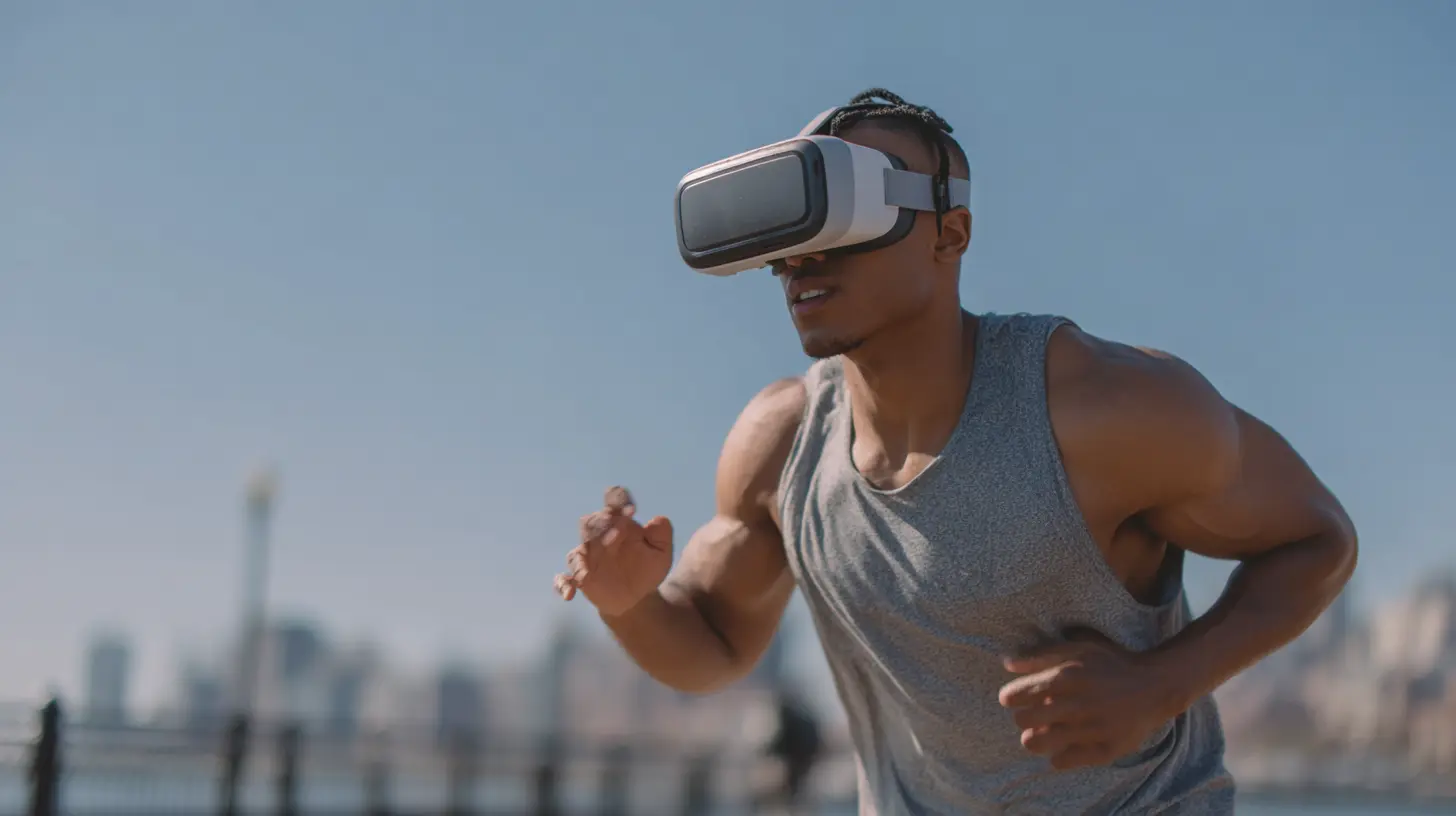
The second camp is the "augmented reality" (AR) system. This uses a pair of lightweight AR glasses or a headset. The virtual trainer appears as a hologram in your physical space, walking around you, demonstrating exercises from any angle, and projecting visual cues onto the floor or your body. The advantage here is total freedom of movement. You can train in your living room, in a park, or in a hotel room while traveling. The disadvantage is the current ergonomics and social awkwardness of wearing a headset during a heavy sweat session.
My analysis suggests that the AR system will be the winner for the long term, but the screen-based system will be the practical choice for 2027 for most people. The headsets are still too heavy, the battery life is too short, and the price is too high. The screen-based system, using a simple camera and your existing TV, offers a lower barrier to entry and a more comfortable experience for a sixty-minute session. The AR system will be the "pro" option for those who need portability or who train in small, cluttered spaces.
The Hidden Dangers and Misconceptions
It is easy to get caught up in the excitement of the technology, but there are significant pitfalls that users must be aware of. The most common misconception is that the virtual trainer is infallible. It is not. It is a tool, and like any tool, it has limitations.The Over-Reliance Trap
The first danger is over-reliance. Because the system is so good at tracking your body, you may stop listening to your own internal signals. You might push through pain because the virtual trainer says you have two more reps, and the system did not flag any form issues. This is a critical error.
Computer vision can measure joint angles, but it cannot feel pain. It cannot detect a sharp twinge in your shoulder or a dull ache in your knee. The system is working on biomechanical models, not on your individual proprioception. In 2027, you must learn to use the virtual trainer as a co-pilot, not a pilot. You are still in charge of your body. If something feels wrong, you must stop. The system will log the missed reps and adjust, but it cannot heal an injury.
The Data Privacy Paradox
The second danger is data privacy. This is the elephant in the room that no one wants to talk about. Your body is a biological signature. Your movement patterns, your heart rate variability, your weight fluctuations, and your sleep data are deeply personal information. In 2027, you will be handing this data to a corporation.
Before you subscribe to any service, you must read the privacy policy carefully. Where is your data stored? Is it encrypted? Is it sold to third parties, such as health insurance companies or employers? In a worst-case scenario, an insurance company could use your workout consistency data to adjust your premiums. If you miss a week of workouts, your premium might go up.
This is not a conspiracy theory; it is a logical consequence of data aggregation. The best practice is to choose a provider that offers on-device processing. This means the AI runs on your local hardware, and your biometric data never leaves your home. The trade-off is that the AI might not be as smart, because it cannot learn from a global dataset of other users. You must decide what you are comfortable with.
The Misconception of "Gamification"
Many companies will market their 2027 virtual trainers as "gamified" experiences. They will use points, badges, and leaderboards to keep you engaged. This works in the short term, but it is a double-edged sword. The problem is that gamification often rewards volume over quality. You might be incentivized to do five workouts a week, even if your body needs rest. The system might encourage you to beat your personal record on a lift, even when your form is compromised.
A good virtual trainer in 2027 will use gamification sparingly and intelligently. It will reward consistency and perfect form, not just intensity. It will use "streaks" for habit formation, but it will also force rest days. If you see a system that is purely focused on points and competition, be wary. It is designed to keep you hooked, not necessarily to keep you healthy.
Practical Strategies for Success
So, how do you prepare for this future? How do you ensure that you are using these tools effectively and safely? Here are some actionable strategies.Strategy 1: Start with a Hybrid Approach
Do not throw away your human trainer immediately. In 2027, the best approach is a hybrid. Use the virtual trainer for your daily, routine workouts, and for the high-frequency feedback on form. But schedule a session with a human trainer once a month or once a quarter.
Use this human session for the things AI cannot do: a manual muscle test, a postural assessment that requires hands-on palpation, and a conversation about your mental state and stress levels. The human trainer can also help you set macro-level goals and adjust the parameters of your virtual training program. This is the best of both worlds. You get the daily consistency of AI with the deep, holistic understanding of a human expert.
Strategy 2: Master the Feedback Loop
The most important skill you will need in 2027 is the ability to interpret the feedback the virtual trainer gives you. When the system says your "left shoulder is internally rotated," do not just nod and move on. Ask why. Use the system's NLP capabilities to dig deeper. Ask it to explain the implications of that imbalance. Ask it to show you the muscles that are tight and the muscles that are weak.
The more you engage with the system as an analyst, the more you will learn about your own body. The goal is not to become dependent on the machine, but to use the machine to become more aware of your own physiology. Over time, you will start to notice the imbalances yourself, before the AI points them out. That is true progress.
Strategy 3: Prioritize Recovery Protocols
In 2027, the virtual trainer will not just be about the workout. It will be about the full recovery cycle. The system will have access to your sleep data, and it will suggest specific breathing protocols, meditation sessions, or even light stretching routines based on your sleep quality.
Do not skip these. The workout is the stimulus; the recovery is the adaptation. A virtual trainer that only pushes you harder is a recipe for burnout and injury. The best systems will be "periodized" not just on a weekly basis, but on a daily basis, adjusting the intensity based on your recovery readiness. You must buy into this philosophy. Do not treat the recovery sessions as optional "add-ons." Treat them as part of the main program.
The Future of Human Connection
There is a legitimate fear that the rise of virtual trainers will lead to a more isolated fitness experience. The gym is often a social place, a community hub. If we all start working out in our living rooms with a hologram, do we lose that?Not necessarily. In 2027, we will see the rise of "social virtual training." You will be able to join a live, virtual class with friends from across the country. The virtual trainer will be the coach for all of you, and you will be able to see your friends' avatars on the screen, competing in a friendly way or just suffering through the same workout together.
This is a different kind of social connection, but it is not necessarily a weaker one. It allows for a level of scheduling flexibility that a physical class cannot offer. You can train with your college roommate who lives in a different time zone. You can find a community of people with the same rare medical condition or the same specific fitness goal, regardless of geography. This is a powerful tool for motivation and accountability.
The key is to be intentional. If you are an extrovert who thrives on the energy of a crowded gym, the virtual trainer might not be for you, and that is okay. But if you are someone who has been intimidated by the gym, or who cannot find the time to travel to a gym, the virtual trainer opens up a world of possibilities that were previously closed.
The Verdict for 2027
The virtual trainer of 2027 is not a replacement for human intelligence. It is an amplification of it. It takes the best practices of the world's top coaches, encodes them into a vast dataset, and delivers them to your living room with a precision that is impossible for a human to maintain over time.The future is not about choosing between a human and a machine. It is about choosing how you want to use the machine to augment your own human potential. The technology will be here. The question is whether you will be ready to use it intelligently.
The most successful individuals in 2027 will be those who treat the virtual trainer as a sophisticated tool for self-knowledge, not as a magic box that will get them fit without effort. You still have to show up. You still have to push yourself. You still have to sweat. The virtual trainer will just make sure that every drop of sweat is being used effectively.
The future of fitness is not passive. It is hyper-personalized, data-driven, and deeply analytical. It is a future where the barrier between "knowing what to do" and "doing it" becomes almost invisible. The potential is enormous. The responsibility is yours.
all images in this post were generated using AI tools
Category:
Physical FitnessAuthor:

Eileen Wood
Discussion
rate this article
2 comments
Shiloh Edwards
This article offers a fascinating look at the future of virtual trainers. It's exciting to think about how technology will shape our fitness journeys. I appreciate the insights shared here and look forward to seeing how these changes can help more people stay active and healthy in the coming years.
September 15, 2026 at 2:39 PM
Peregrine Hamilton
Virtual trainers are revolutionizing fitness. By 2027, expect personalized workouts, enhanced interaction, and greater accessibility, making fitness more engaging for everyone.
September 2, 2026 at 4:53 AM