Probiotics and Heart Health: Exploring the Link
23 May 2026
When you think about keeping your heart healthy, what comes to mind? Eating more greens? Exercising daily? Maybe even cutting back on that late-night ice cream binge? Sure, all these things help, but what if I told you that tiny, invisible bacteria living in your gut might also play a big role in your heart health? Yep, I’m talking about probiotics!
These microscopic superheroes aren’t just about digestion anymore. Research suggests they may have a surprising impact on your heart. So, let’s dive into the fascinating connection between probiotics and cardiovascular health—minus the medical jargon and with a sprinkle of humor.

What Are Probiotics, and Why Should You Care?
Before we start giving probiotics a standing ovation for their heart-protecting powers, let’s figure out what they actually are.Probiotics are live bacteria and yeasts that are beneficial for your health—primarily your gut. Think of them as the friendly neighbors in your digestive tract who help maintain order, keep out troublemakers (a.k.a. harmful bacteria), and make sure things run smoothly.
You’ll find these little helpers in foods like yogurt, kefir, sauerkraut, kimchi, miso, and even some cheeses. And if fermented foods aren’t your jam, you can also get them in supplement form.
But what do your gut bacteria have to do with your ticker? Glad you asked.
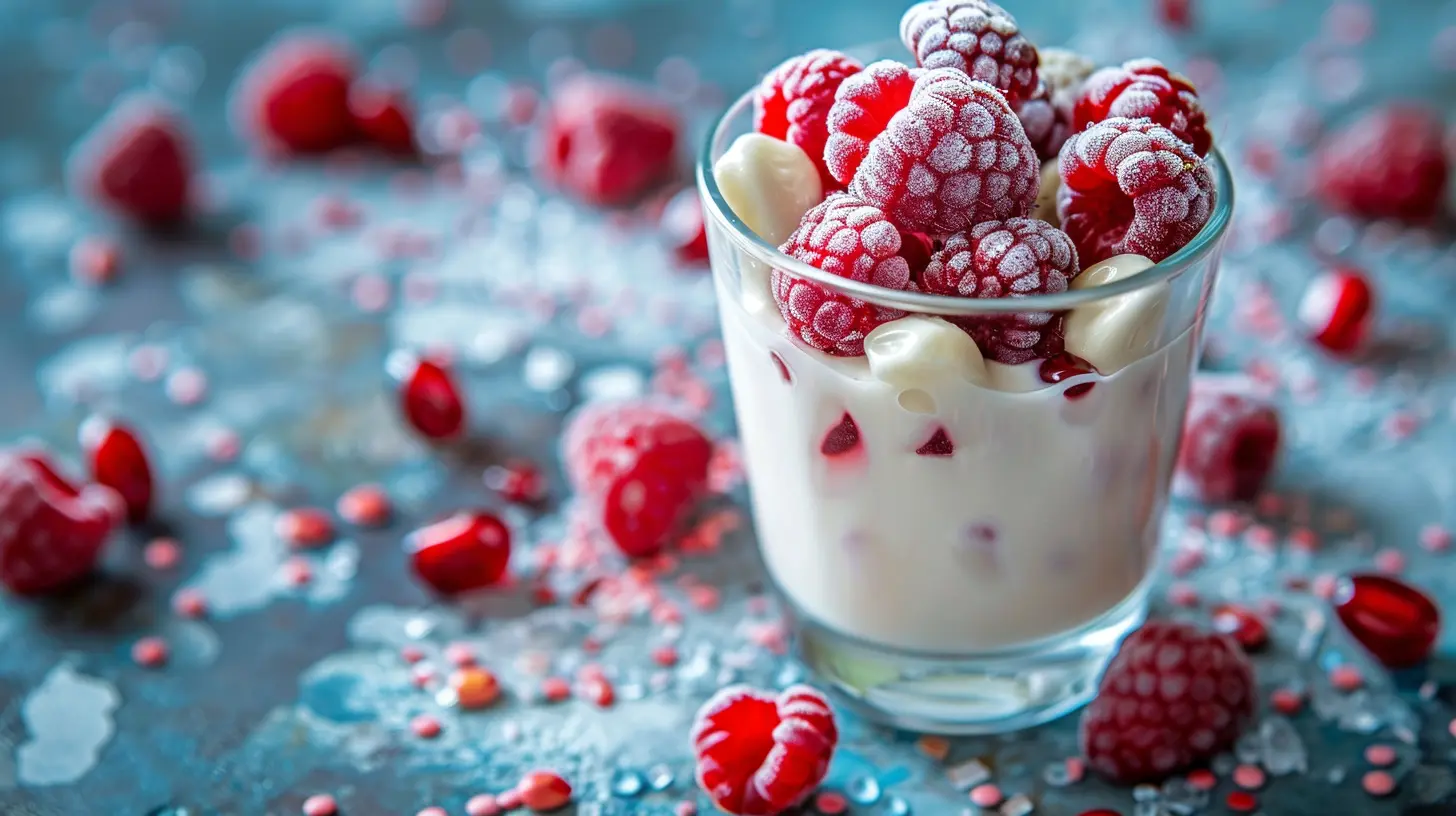
The Gut-Heart Connection: More Than Just a Gut Feeling
You might not realize it, but your gut and heart are in constant conversation—like two best friends gossiping over a cup of coffee. Scientists call this the gut-heart axis, and it’s a big deal.1. Probiotics Can Help Lower Cholesterol
One of the biggest risk factors for heart disease is high cholesterol. Some probiotics, particularly Lactobacillus and Bifidobacterium strains, have been shown to help reduce bad cholesterol (LDL) while increasing good cholesterol (HDL).How? They break down bile acids (which your body uses to digest fats), forcing your liver to pull cholesterol from your bloodstream to make more bile. Less cholesterol circulating in your blood = a happy heart.
2. They May Reduce Blood Pressure
High blood pressure is like that annoying guest at a party who overstays their welcome—it puts unnecessary stress on your heart and increases your risk of problems like heart attacks and strokes.Studies suggest that probiotics, particularly those found in fermented dairy, can help lower blood pressure. They produce certain compounds that relax blood vessels, improve circulation, and ultimately ease the load on your heart.
3. They Tame Inflammation—A Silent Heartbreaker
Chronic inflammation is one of the sneakiest culprits behind heart disease. It damages arteries, messes with blood flow, and sets the stage for serious heart troubles.Luckily, probiotics are natural inflammation fighters. They help balance gut bacteria, strengthen the gut lining (to prevent harmful substances from entering the bloodstream), and reduce pro-inflammatory markers in the body.
4. They May Help Control Blood Sugar Levels
Uncontrolled blood sugar isn't just a concern for diabetics—it plays a role in heart health too. High blood sugar damages blood vessels over time, increasing the risk of heart disease.Some probiotic strains, like Lactobacillus acidophilus and Bifidobacterium lactis, have been linked to better insulin sensitivity and lower blood sugar levels. So, in addition to watching your sugar intake, adding probiotic-rich foods to your diet might give your heart some extra protection.
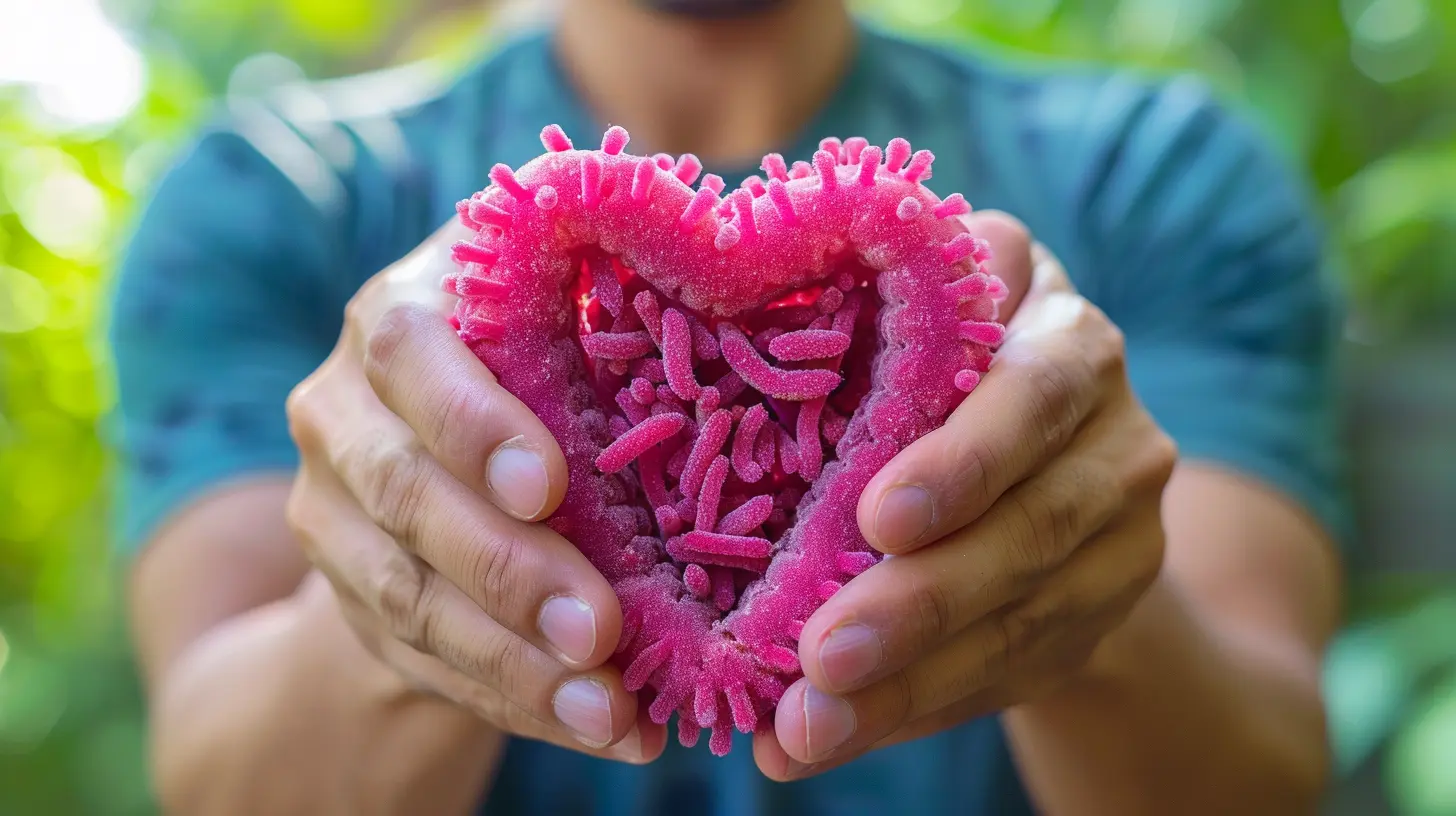
Best Probiotic Foods for a Happy Heart
Now that we know probiotics are heart-friendly, where can we find them? Here are some top picks to include in your diet:- Yogurt – The classic probiotic powerhouse. Just go for the plain, unsweetened kind.
- Kefir – Think of it as yogurt’s tangier, more potent cousin.
- Sauerkraut – Fermented cabbage with a serious probiotic punch.
- Kimchi – Spicy, delicious, and great for your gut and heart.
- Miso – A staple in Japanese cuisine and loaded with beneficial bacteria.
- Tempeh – A fermented soybean product that’s also a good protein source.
- Pickles (fermented in brine, not vinegar!) – Crunchy, tangy, and probiotic-rich.
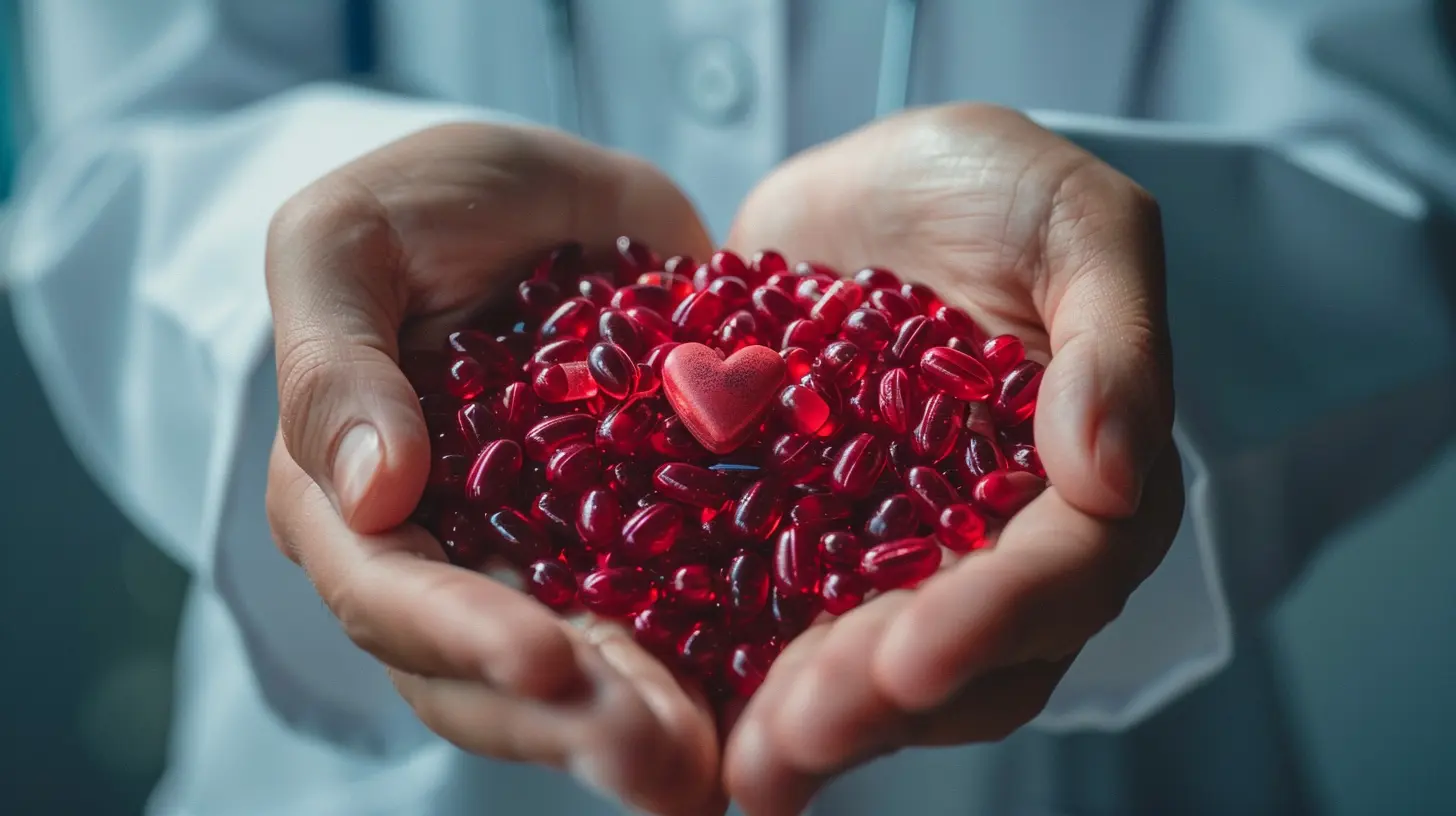
Do Probiotic Supplements Work?
If fermented foods aren’t your thing, probiotic supplements can be a good alternative. But here’s the catch—not all probiotic supplements are created equal.When choosing a probiotic supplement, look for:
✔ Live and active cultures – If the bacteria aren’t alive, they won't do much good.
✔ A variety of strains – The more diverse, the better.
✔ A high CFU count – Generally, aim for at least 10 billion CFUs (colony-forming units).
✔ A reputable brand – Trustworthy companies actually test their products for efficacy.
Are There Any Risks?
For most people, probiotics are perfectly safe, but they might cause mild bloating or gas during the first few days as your gut adjusts. If you have a weakened immune system or serious health conditions, talk to your doctor before diving into probiotics.
Final Thoughts: A Little Gut Love for a Stronger Heart
So, should you start worshiping your gut bacteria for the sake of your heart? Maybe not worship, but definitely show them some love! A healthy gut microbiome plays a bigger role than we once thought, and maintaining the right balance of probiotics could be a significant step toward better cardiovascular health.Eat more probiotic-rich foods, keep your gut happy, and your heart will likely thank you in the long run. After all, what’s good for your belly might just be great for your heart, too!
all images in this post were generated using AI tools
Category:
ProbioticsAuthor:

Eileen Wood
Discussion
rate this article
1 comments
Russell Barker
This article highlights the promising connection between probiotics and heart health, suggesting that gut bacteria may play a crucial role in cardiovascular wellness.
June 7, 2026 at 4:28 AM
Eileen Wood
Thanks for your insight! It's fascinating how gut health can impact heart wellness.