The Relationship Between Calcium Supplements and Bone Strength
17 March 2026
Let’s talk bones. Not the kind you throw to your dog, but the ones holding up your entire body. Yep, your skeleton is your unsung hero, quietly doing its job—supporting you, helping you move, and protecting vital organs. But have you ever wondered how you keep those bones strong and healthy? Chances are, you’ve heard that calcium is the key. And maybe you've even grabbed a bottle of calcium supplements just to be safe.
But here's the thing: Is popping a calcium supplement every day the magic pill for bone strength? Or is there more to the story?
Pull up a chair (preferably a sturdy one). We’re diving deep into the real relationship between calcium supplements and bone strength, and what you actually need to know to keep your bones in tip-top shape.
Why Bone Health Even Matters
Before we get ahead of ourselves, let’s talk about why bone health should even be on your radar.Bones are living tissue. They're constantly being broken down and rebuilt throughout your life. During childhood and teenage years, your body builds bone faster than it breaks it down, which is why your bones grow stronger and longer. But after about age 30, that balance starts to tip in the other direction. You begin to lose more bone than you build. That’s when problems like osteoporosis sneak in.
Osteoporosis is like the silent thief of your bone density—it creeps up without any warning signs until something serious happens, like a fracture from a minor fall or even a sneeze!
So—yes, bone health absolutely matters. Especially as we get older.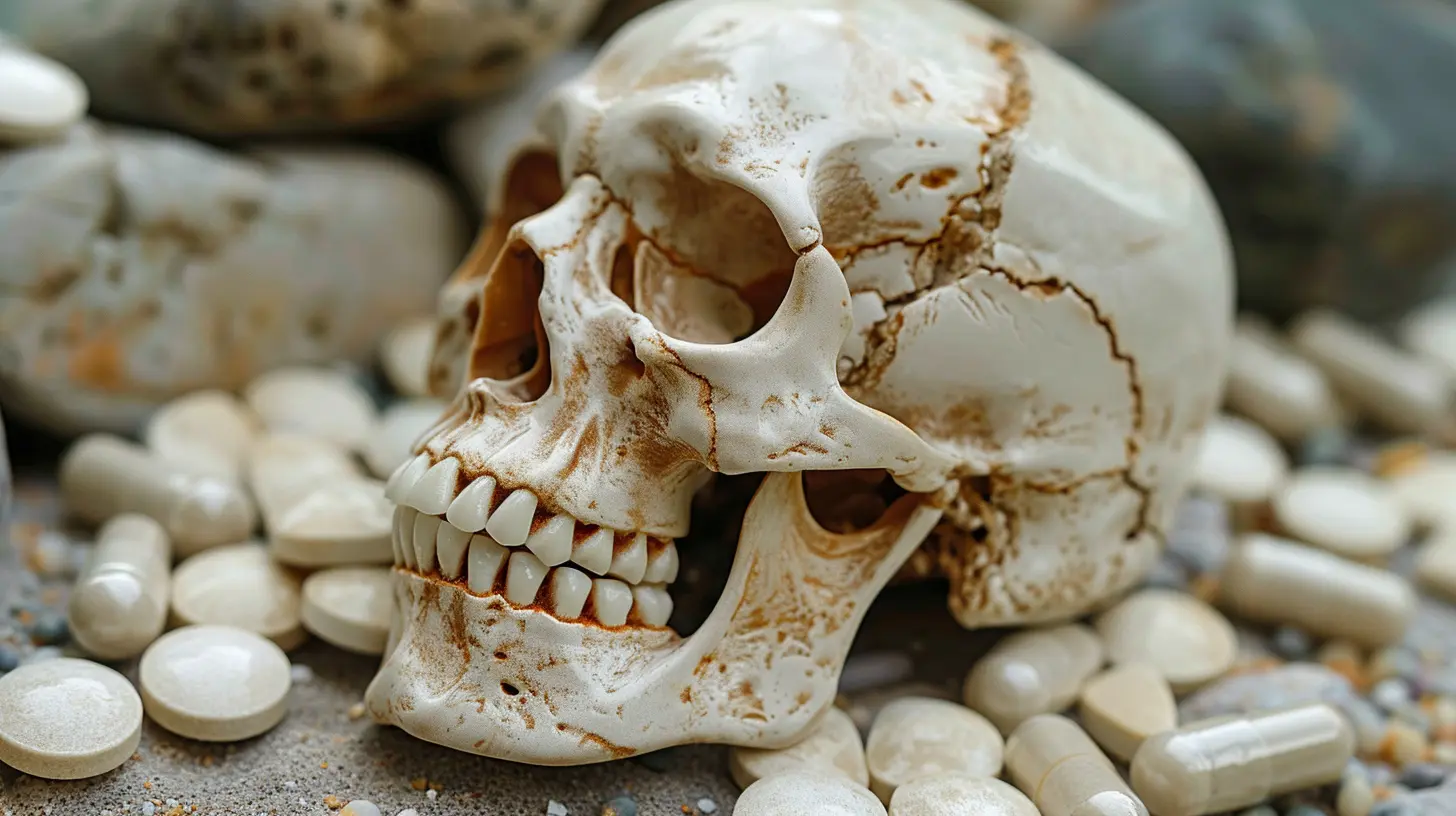
Calcium: The MVP of Bone Strength
Okay, so why does everyone fuss over calcium? Because calcium is quite literally what your bones are made of. In fact, about 99% of the calcium in your body lives in your bones and teeth. The rest plays a supporting role in things like muscle function, nerve signaling, and blood clotting.If your daily calcium intake is low, your body will “borrow” calcium from your bones to keep essential functions running. And yes, over time, your bones pay the price.
That’s where calcium supplements come into play—but are they always a good idea?
When Do You Really Need Calcium Supplements?
Here's the truth bomb: Not everyone needs calcium supplements.If your diet includes plenty of calcium-rich foods—like dairy products, leafy greens, almonds, and fortified foods—you might already be hitting your daily target. The recommended daily intake for most adults is around 1000 to 1200 mg per day.
But some people can benefit big time from supplements, including:
- Postmenopausal women
- People with lactose intolerance
- Vegans or vegetarians who don’t consume dairy
- Folks with certain medical conditions or taking medications that reduce calcium absorption
Still, more isn’t always better. Taking massive amounts of calcium supplements "just in case" can backfire—more on that shortly.
The Big Debate: Do Calcium Supplements Actually Strengthen Bones?
You’d think the answer would be a resounding yes—but not so fast.Studies have shown mixed results. Some research suggests that calcium supplements can reduce bone loss and lower fracture risk, especially when taken with vitamin D. Others show only minor benefits or none at all.
One reason for the inconsistency? Supplements don’t always get absorbed efficiently. Plus, bone strength isn’t only about calcium—it’s a team effort.
Think of your bones like a house. Calcium is the bricks, yes. But you also need mortar (vitamin D), construction workers (magnesium, vitamin K), and regular maintenance (exercise). If you're only focusing on the bricks, your house might still fall apart.
The Role of Vitamin D: Calcium’s Best Friend
Here’s a pro tip: taking calcium without vitamin D is like trying to make coffee without water. It's not going to work.Vitamin D helps your body absorb calcium from the gut into the bloodstream. Without enough vitamin D, even if you're taking calcium supplements, your body might not be able to use that calcium effectively.
That’s why many calcium supplements also contain vitamin D, and why spending some time in the sun (hello, natural vitamin D!) is also super important.
How Much Calcium is Too Much?
“You can never have too much of a good thing,” right? Not in this case.Overdoing it with calcium supplements can lead to problems like:
- Kidney stones
- Constipation
- Calcium buildup in your arteries (yikes!)
- Poor absorption of other minerals like iron and zinc
The upper limit for calcium intake from all sources is around 2000 to 2500 mg per day, depending on age. Generally speaking, it's better to get as much calcium as possible from food first, and only supplement what you're missing.
Calcium Food Sources vs. Supplements: What’s Better?
If you’re choosing between a plate of leafy greens and a pill—go with the greens.Here’s why:
- Food offers better absorption.
- You get other helpful nutrients along with calcium.
- There’s little to no risk of side effects.
- Plus, it's tastier!
Some top calcium-rich foods include:
- Dairy (milk, cheese, yogurt)
- Leafy greens (kale, broccoli, bok choy)
- Sardines and canned salmon (bones included!)
- Fortified plant milks and cereals
- Almonds and sesame seeds
So the next time you're meal planning, think beyond the pill bottle.
Exercise: The Unsung Hero of Bone Strength
Let’s not forget about movement—because your bones love a good workout.Weight-bearing exercises (like walking, jogging, dancing, or lifting weights) stimulate bone-forming cells to build stronger bones. It's like giving your skeleton a gym membership.
Even if you’re taking calcium supplements and eating healthy, a sedentary lifestyle can still lead to weak bones. Exercise and diet go hand in hand—it’s a partnership, not a solo act.
Common Myths About Calcium Supplements Debunked
Let’s squash some of the most common myths once and for all:❌ Myth 1: If you take calcium supplements, you don’t have to worry about your diet.
Wrong. Supplements are meant to fill gaps, not replace whole foods.
❌ Myth 2: The more calcium you take, the stronger your bones will be.
Nope. Excess calcium doesn’t equal extra strength. Your body only uses what it needs—and the rest might cause problems.
❌ Myth 3: All supplements are created equal.
Not true. There are different types of calcium (like calcium carbonate vs. calcium citrate), and their absorption depends on how and when you take them. For example, calcium carbonate needs to be taken with food, while citrate can be taken anytime.
Tips for Taking Calcium Supplements the Right Way
If you and your doctor decide that supplements are the way to go, here’s how to make the most of them:✅ Don’t take more than 500–600 mg at once. Spread your intake throughout the day for better absorption.
✅ Pair it with vitamin D. Look for a supplement that includes both.
✅ Talk to your healthcare provider. Especially if you're on other meds or have underlying health issues.
✅ Don’t forget lifestyle choices. Eat well and stay active—your bones will thank you.
Final Thoughts: It’s All About Balance
So, what’s the real deal with the relationship between calcium supplements and bone strength?In a nutshell: calcium is essential for strong bones, but supplements are not a one-size-fits-all solution. They can help—especially when dietary intake falls short—but they work best when combined with vitamin D, a healthy diet, exercise, and smart habits.
Your skeleton is with you for life. Treat it well, and it will carry you far.
all images in this post were generated using AI tools
Category:
SupplementsAuthor:

Eileen Wood
Discussion
rate this article
2 comments
Dusk Rivera
In the dance of life, calcium plays its part, Nurturing bones, a steadfast heart. With each supplement, strength we seek, A delicate balance, vibrant, not weak. Embrace the wisdom, let nature confer, For strong bones whisper, “In health, we stir.”
April 8, 2026 at 3:16 PM
Eileen Wood
Thank you for your poetic insights! Indeed, calcium is essential for bone health, and finding the right balance through supplements can significantly impact overall strength and vitality.
Jenna Clarke
Calcium alone won't build bones; diversify your diet, darling!
March 17, 2026 at 3:25 AM
Eileen Wood
You're absolutely right! A balanced diet is key for bone health. Calcium is important, but it works best with other nutrients. Thank you for highlighting that!