The Journey of Body Positivity and Intersectionality: Understanding Inclusivity
21 September 2026
Body positivity. Intersectionality. Inclusivity. These buzzwords are thrown around so often these days that they’ve become more of a trend than a movement. But let’s hit pause for a second and think about what they truly mean. At its core, body positivity is about loving and respecting your body, no matter its size, shape, or appearance. Sounds simple enough, right? But spoiler alert: it’s way more complex than just "love yourself."
When you add intersectionality into the mix, things get even more complicated—but also much more meaningful. You begin to see that body positivity isn’t a one-size-fits-all concept (pun intended). It intersects with race, gender, sexuality, disability, and more. And that’s what we’re unpacking today! So, buckle up. We’re diving into the journey of body positivity and intersectionality and how they lead us to the golden destination of inclusivity.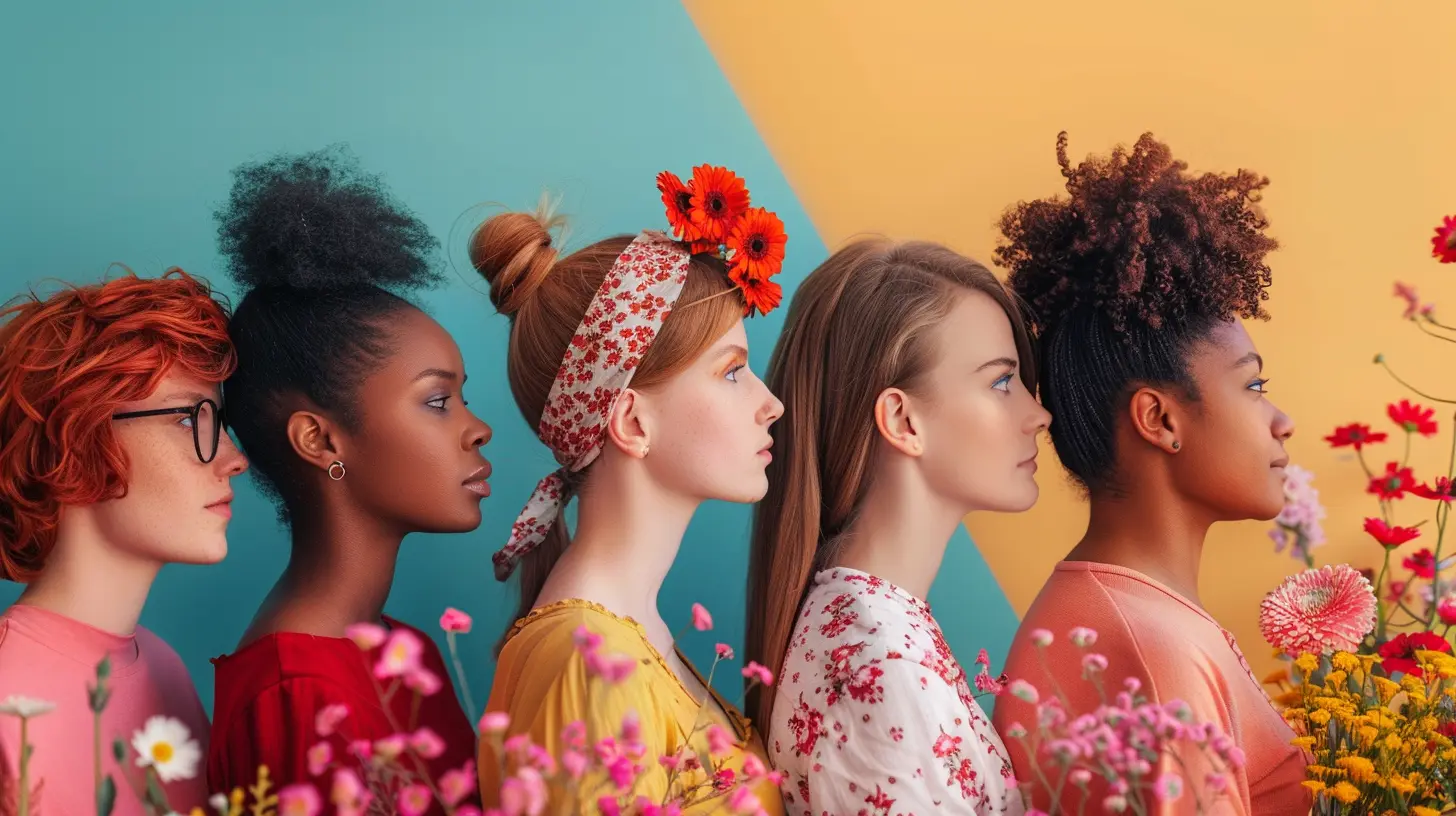
What Is Body Positivity (And Why Does It Even Matter)?
Body positivity is a social movement that challenges unrealistic beauty standards and promotes self-acceptance. It’s about saying goodbye to societal norms that tell us we’re only "worthy" if we fit into a specific mold. Whether it’s magazine covers, Instagram influencers, or even the mannequins in stores—all of these have shaped our idea of what beauty looks like. And let’s be honest: it’s exhausting.Here's the thing: body positivity isn’t just about feeling good on a beach day. It’s about dismantling the harmful narratives that say thin is always better, flawless skin equals value, or that a six-pack makes you worthy. It’s about breaking free from the thought that your worth is measured by how you look.
But, let’s not sugarcoat it. Loving your body isn’t always easy. Some days, you’re rocking that mirror selfie. Other days, well, let’s just say you’d rather stay in baggy sweats. And that’s totally okay! Body positivity isn’t about being perfect every day. It’s about embracing imperfection and finding beauty in the diversity of all bodies.
The Rise of the Body Positivity Movement
The body positivity movement didn’t just pop up overnight, though it may feel that way if you’re scrolling TikTok. Its roots go back to the 1960s during the Fat Acceptance Movement. Activists were already challenging fatphobia and pushing back against societal norms. They were the trailblazers who dared to say, "Hey, we deserve respect too, no matter our size." And you know what? They were right.Fast forward to today, and the body positivity movement has expanded to include all body types. While this is a step forward, it’s also been co-opted in some ways. Big brands now slap "body positivity" onto their marketing campaigns to sell products, often focusing only on "acceptable" forms of diversity. That’s where intersectionality comes in to remind us not to lose sight of the real mission.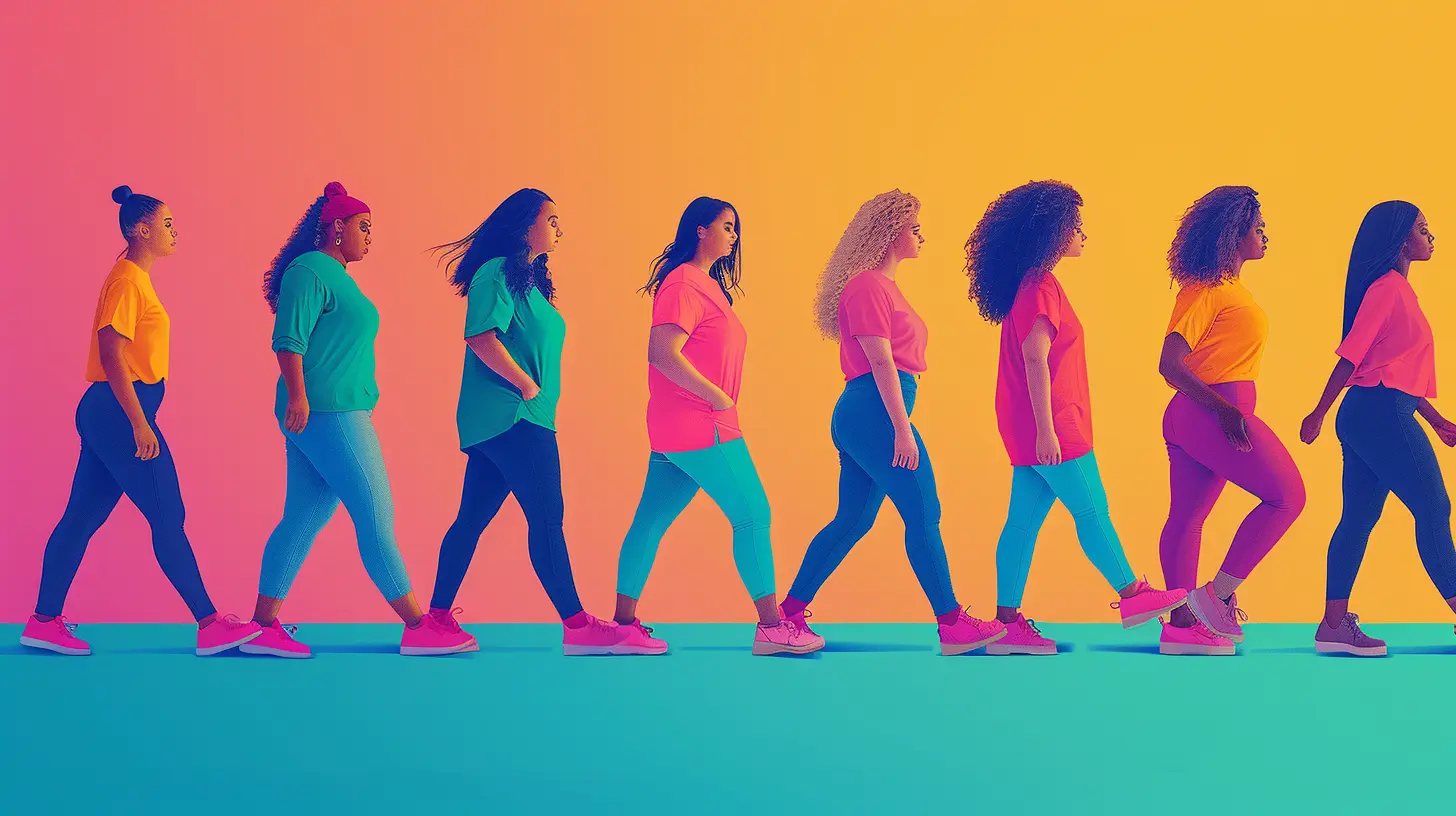
Intersectionality: The Missing Puzzle Piece in Body Positivity
If body positivity is the canvas, then intersectionality is the paint that brings it to life. Coined by Kimberlé Crenshaw in 1989, intersectionality describes how various forms of oppression—like racism, sexism, ableism, and homophobia—overlap and affect people differently.Think of it like this: Imagine life is a maze. For some people, it’s a straight path. For others, it’s a zigzag with multiple dead ends. That’s what intersectionality exposes. Not everyone’s experiences with their body are the same because our identities intersect in unique ways.
For instance, a plus-size white woman might face fatphobia but won’t encounter the same racial discrimination as a plus-size Black woman. A disabled man might struggle with societal expectations of masculinity but won’t face the same challenges as a disabled woman who’s also queer. Intersectionality acknowledges these layers of complexity, making it clear that body positivity can’t truly be inclusive without looking at the bigger picture.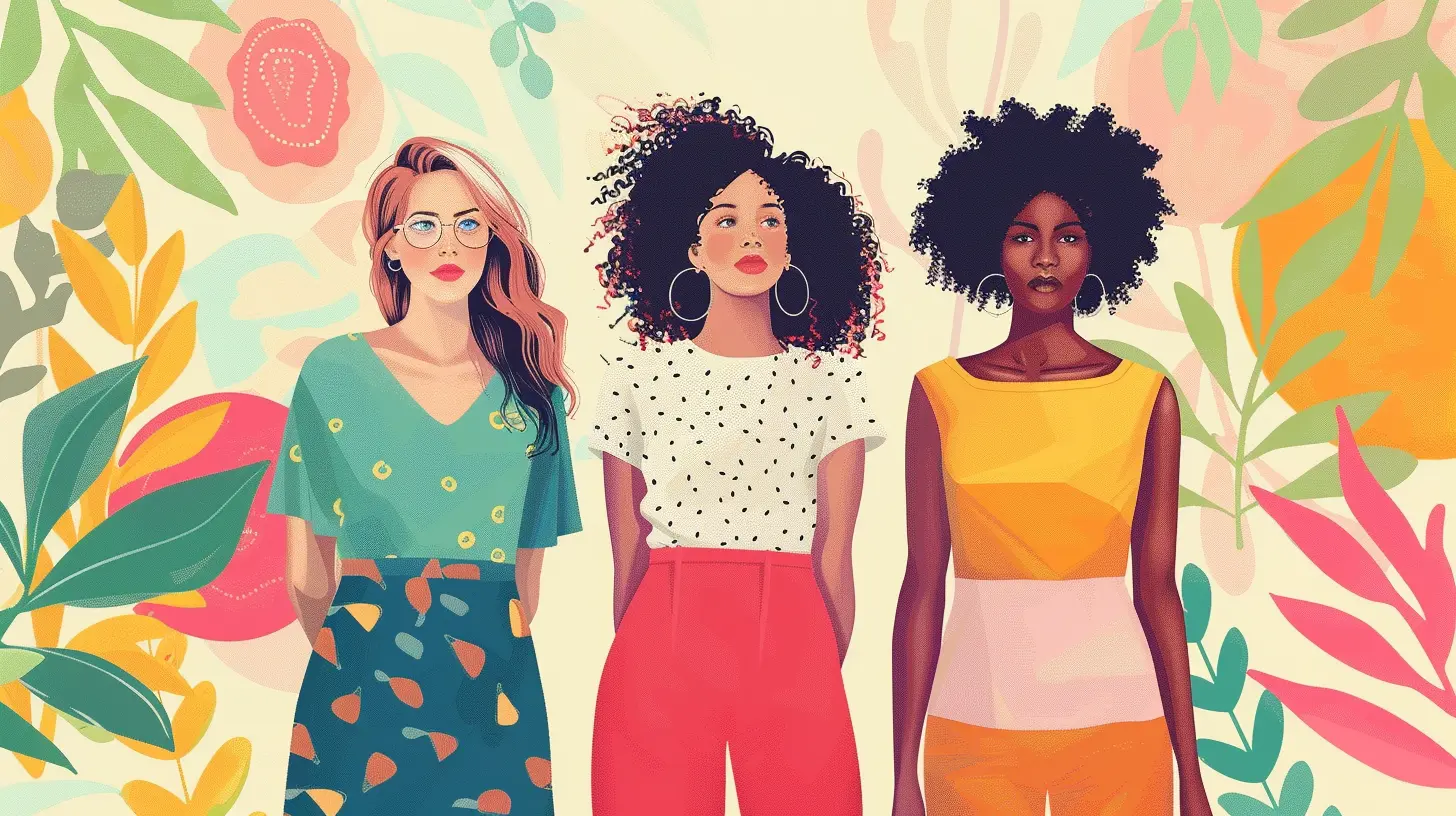
The Role of Media in Shaping (and Challenging) Body Standards
Ah, the media. The double-edged sword of modern society. On one hand, we’ve got campaigns like Dove’s “Real Beauty” or plus-size models gracing the runways. Progress, right? On the other hand, we’re bombarded with Photoshopped images, endless filters, and an unrealistic obsession with perfection. It’s a constant rollercoaster between "you’re enough" and "be better."But here’s the tea: media’s influence doesn’t stop at size and shape. It dictates what shades of skin are celebrated, what hairstyles are deemed “professional,” and whose bodies are seen as desirable. This is where intersectionality and body positivity meet a hard truth. If we’re only uplifting certain bodies while ignoring others, are we really being inclusive?
The good news? Social media has given marginalized voices a megaphone. Activists, influencers, and everyday people are reclaiming the narrative. They’re showing us that beauty looks like stretch marks, scars, dark skin, visible disabilities, and gender nonconformity. They’re reminding us that beauty isn’t one-dimensional. It’s a spectrum, and everyone deserves a spot on it.
Why Inclusivity Is the End Goal
Here’s the thing: body positivity on its own isn’t enough. Why? Because it’s not just about feeling beautiful—it’s about creating a world where everyone has equal access to dignity and respect. This is where inclusivity enters the chat.Inclusivity means making sure that every body, regardless of size, race, ability, or identity, is welcomed and celebrated. It’s about representation in every sense of the word—media, fashion, healthcare, and beyond. It’s about making spaces accessible, designing clothes for diverse body types, and tailoring messages that resonate with all communities.
Think about it like this: inclusivity is the ultimate potluck dinner. Everyone brings their dish (a.k.a. their unique identity and experience), and everyone’s contribution is valued. No one’s left out. No one’s plate is empty. That’s the kind of world body positivity and intersectionality are striving to build.
How to Embrace Body Positivity and Intersectionality in Your Own Life
So, where do you fit into this picture? You don’t have to be an activist with thousands of followers to make a difference. Here’s how you can embrace body positivity and intersectionality in your daily life:1. Educate Yourself: Knowledge is power. Read up on fatphobia, racial beauty standards, ableism, and other issues that intersect with body image. Hint: You’re already off to a great start by reading this article!
2. Diversify Your Feed: Follow people who challenge traditional beauty norms. Make your social media timeline a space that inspires rather than shames.
3. Speak Up: Call out body shaming and discrimination when you see it. Whether it’s a friend making an offhand comment or a brand’s lack of representation, your voice matters.
4. Practice Self-Compassion: Your relationship with your body is lifelong. Treat yourself with kindness, even on the bad days.
5. Support Inclusive Brands: Put your money where your values are. Support businesses that prioritize diversity and inclusivity, not just in their marketing but also in their actions.
The Road Ahead
Body positivity and intersectionality are not just hashtags; they’re movements that demand change. They teach us to shift from a mindset of comparison to one of celebration. They remind us that our differences aren’t flaws—they’re what make us beautifully unique.The journey isn’t perfect, and there’s still a long way to go. But just like a mosaic, every small piece contributes to the bigger picture. By embracing body positivity and intersectionality, we can move closer to a world where no one feels invisible. And isn’t that a world worth fighting for?
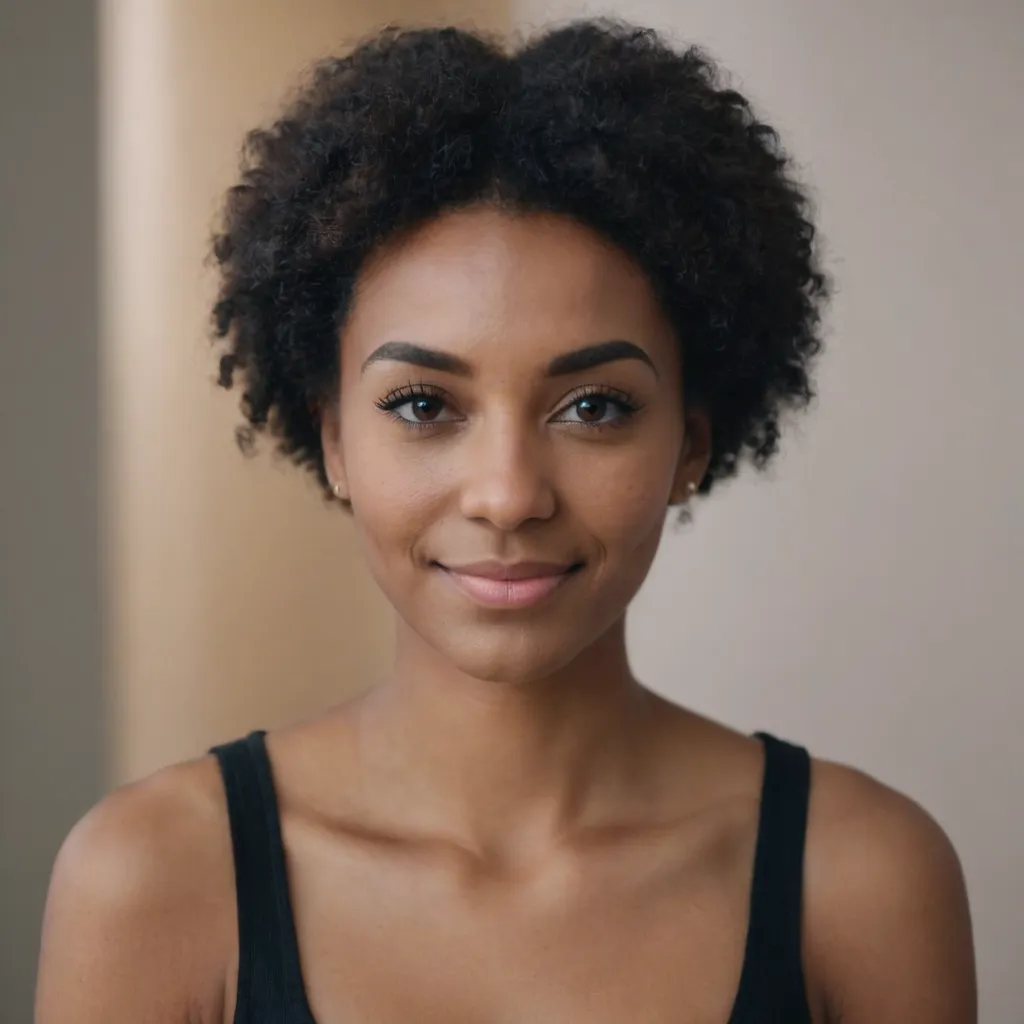
all images in this post were generated using AI tools
Category:
Body PositivityAuthor:
Eileen Wood