The Importance of Vitamin D for Bone Health and Beyond
2 August 2026
Let’s face it — we all know vitamins are essential, but Vitamin D? That one's a real powerhouse. It's like the unsung hero of the nutrient world. You probably associate it with strong bones, and yes, you’d be right. But Vitamin D doesn’t stop there. From boosting immunity to influencing mood and muscle strength, this “sunshine vitamin” has its fingers in way more pies than most people realize.
So, let’s dive into the fascinating world of Vitamin D — where it comes from, why your body’s basically begging for it, and what happens when you don’t get enough. Trust me, understanding this vitamin can be a total game-changer for your health.
What Exactly Is Vitamin D?
Vitamin D is a fat-soluble vitamin that your body can actually produce on its own — with help from sunlight. That’s right. When UVB rays hit your skin, your body starts making Vitamin D. But it can also come from certain foods and supplements if you’re not soaking up enough sun.Now, here's the kicker: Vitamin D isn't just a vitamin — it's more like a hormone. Once your body synthesizes it, it starts running around, flipping switches on genes and regulating things like calcium balance, immunity, and inflammation. Pretty impressive, huh?
Why Is Vitamin D Crucial for Bone Health?
Alright, let’s start with the basics — your bones. Calcium is the main ingredient in bones, right? But here’s the thing: without Vitamin D, your body can't absorb calcium efficiently. It’s like trying to bake a cake without heat. You’ve got the ingredients, but nothing’s really “setting.”Calcium's Best Friend
Vitamin D helps your gut absorb calcium from food, and then it works behind the scenes to tell your kidneys and bones what to do with it. If you don’t have enough Vitamin D, your body can’t hold onto calcium, and your bones start to weaken. That’s why Vitamin D deficiency can lead to serious conditions like:- Rickets in children (soft, bendy bones)
- Osteomalacia in adults (bone pain and muscle weakness)
- Osteoporosis in older adults (brittle, breakable bones)
Peak Bone Mass? Get It While You’re Young
Here’s a quick reality check: bone mass peaks in your 20s. After that, it’s maintenance mode. Think of your bones as a retirement account. Deposit early (and often), and you’ll thank yourself later. Vitamin D plays a huge role in building that bone “savings”.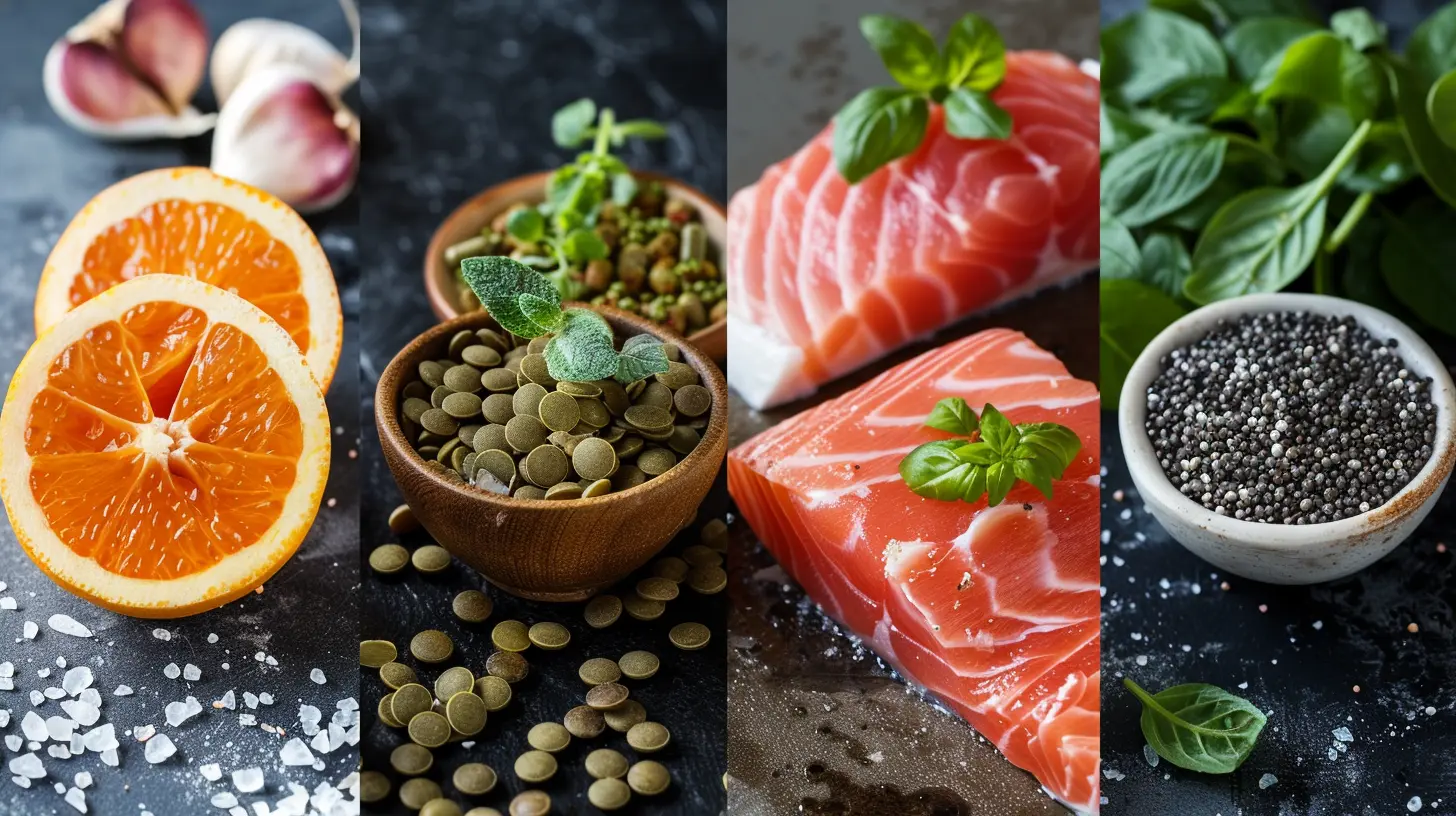
Vitamin D Is More Than Just Bones
Okay, so Vitamin D is great for your skeleton. But it’s not one-dimensional — it’s more like the Swiss Army knife of vitamins. Let’s run through the greatest hits beyond bone health.1. Supercharges Your Immune System
Ever wondered why you get sick more in the winter? It's not just the chilly temps — it's the lack of sunlight. Less sunlight means less Vitamin D, which means your immune system takes a hit.Vitamin D helps activate T-cells, your body's personal army against viruses and bacteria. When you’re deficient, you’re more vulnerable to colds, flu, and even infections.
2. Battles the Blues
There’s growing evidence that Vitamin D has a major impact on your mood. Some researchers even think it helps regulate serotonin — you know, the happy chemical.This may explain why Seasonal Affective Disorder (SAD) is a thing. When sunlight drops in the winter, so does your Vitamin D, and boom — mood swings, fatigue, and depression creep in.
3. Muscles Love Vitamin D Too
Ever feel weak for no reason? That strange fatigue or the muscle aches that just won’t quit? Vitamin D might be the missing piece. Your muscles actually have Vitamin D receptors, and without enough of it, they don’t function properly. Maintaining muscle mass as you age? Yeah, Vitamin D helps with that too.4. Supports Heart Health
Here’s a twist: low Vitamin D has been linked to heart disease. While we’re still figuring out the exact cause-and-effect details, studies show that people with adequate Vitamin D levels tend to have healthier blood pressure and lower cardiovascular risk.5. Possible Cancer Protection?
This one’s huge. Some research suggests that Vitamin D may slow the growth of cancer cells — especially in breast, colon, and prostate cancer. While it's not a cure or a guarantee, it's just one more reason to make sure you're getting enough.
How Much Vitamin D Do You Really Need?
That’s the million-dollar question. The recommended daily allowance (RDA) for adults is generally around:- 600 IU for adults under 70
- 800 IU for adults over 70
But here’s the catch — many experts believe these numbers are too low, especially when you consider how common deficiency is. Some people may need 1000 to 2000 IU per day to maintain optimal levels.
If you’re not sure where you land, a simple blood test can check your 25(OH)D levels. Ideally, you want to be in the 30–50 ng/mL range.
Signs You Might Be Low on Vitamin D
You’d be surprised how many people are walking around with low Vitamin D and have no idea. Here are some silent red flags:- You get sick often
- You feel tired all the time
- You’ve got bone or back pain
- You feel down or depressed
- Your wounds heal slowly
- You’re losing hair
- You have muscle pain
Sound familiar? Don’t panic — it’s fixable. But it’s definitely worth talking to your doctor.
Where Can You Get Vitamin D?
Alright, let's talk sources. You’ve basically got three options:1. Sunlight
This one’s free and effective. Just 10–30 minutes of midday sun, a few times a week, can work wonders — especially if you’ve got fair skin.But keep in mind:
- Clouds, pollution, and clothing block UVB rays
- Darker skin tones need more sun exposure
- Sunscreen, while important, limits Vitamin D production
The sweet spot? Balance sun exposure with skin protection. Don’t burn, but don’t avoid the sun altogether either.
2. Food
Looking to get Vitamin D from your diet? It’s not impossible, but it’s tough. Few foods naturally contain it. Here are a few of the best sources:- Fatty fish like salmon, mackerel, and sardines
- Egg yolks
- Beef liver (not everyone’s favorite, we know!)
- Fortified foods like milk, cereal, and orange juice
Still, most people can’t reach optimal levels from food alone.
3. Supplements
This is the easiest and most consistent way to hit your daily goal. Vitamin D3 (cholecalciferol) is usually better than D2, as it's more bioavailable and effective.Always check with your healthcare provider before starting a new supplement — especially if you’re taking medication or have health conditions.
Can You Get Too Much Vitamin D?
Yes — but you'd have to try pretty hard.Too much Vitamin D can lead to toxicity (also known as hypervitaminosis D). That usually happens when people megadose on supplements, not from food or sun.
Symptoms include:
- Nausea
- Vomiting
- Kidney problems
- High calcium levels
Stick with sensible doses (under 4000 IU/day unless prescribed) and you're in the safe zone.
Who’s Most at Risk for Vitamin D Deficiency?
Anyone can be low, but certain groups should be extra vigilant:- People with darker skin (melanin reduces sun absorption)
- Older adults (less efficient at synthesizing D)
- People who wear full-body coverings
- Those who live far from the equator
- People with gut conditions like celiac or Crohn’s
- Vegans (few plant-based Vitamin D sources)
If you tick any of these boxes, testing your levels is a smart move.
Final Thoughts: Don’t Sleep on Vitamin D
It’s easy to overlook Vitamin D — after all, it’s not as flashy as antioxidants or as buzzy as collagen. But trust me, this little vitamin does a whole lot of heavy lifting behind the scenes.From building bones and powering muscles to boosting mood and fighting off illness, Vitamin D is essential for your overall wellness. It’s like your body’s internal sunshine — and who doesn’t need a bit more of that?
So get outside, eat smart, or pop that supplement if you need it. Your bones, your brain, and your entire body will thank you.
all images in this post were generated using AI tools
Category:
SupplementsAuthor:

Eileen Wood
Discussion
rate this article
1 comments
Nolan Wheeler
If bones had a fan club, Vitamin D would be the president! Forget the secret handshake; it's all about sunbathing and dairy splurges. So, next time you see a sunbeam, remember it's not just light - it's your bones' best buddy. Let them soak it up!
August 9, 2026 at 2:53 PM