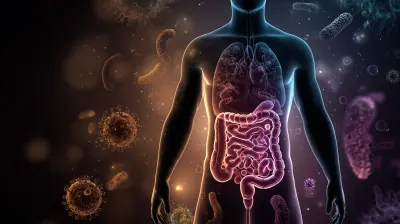
The Gut-Brain Connection: How Probiotics Can Improve Mental Clarity
27 May 2026
You’ve probably heard the phrase “trust your gut,” right? Turns out, it’s more than just a catchy saying—it might actually be a scientific truth. Your gut and brain aren’t operating in isolation; they’re constant pen pals, sending messages back and forth like besties. And the real MVPs in this long-distance relationship? Probiotics.
Yep, those tiny bacteria living in your gut aren’t just freeloading—they’re actively shaping your mood, mental sharpness, and even your stress levels. If you've ever found yourself in a fog, feeling anxious, or struggling with focus for no reason, your gut may be whispering for help.
So, grab your herbal tea and cozy up, because we’re diving into the fascinating world of the gut-brain connection—and how a few good bugs (probiotics) could be your brain’s secret weapon.
What Exactly Is the Gut-Brain Connection?
Let’s keep it simple. Think of your gut and your brain as two close friends chatting constantly via a private phone line. That phone line is actually called the vagus nerve—a superhighway that connects your brainstem to your intestines. Through it, your gut sends signals that can influence your feelings, thoughts, and even decisions. Crazy, right?This two-way street is called the gut-brain axis, and it involves:
- The nervous system
- The immune system
- The hormones
- And most importantly, the gut microbiome (a.k.a. your gut bugs)
Your gut isn’t just digesting food—it’s a full-blown communication center that sends messages loud and clear. When it’s happy and in balance, you feel good. When it’s upset or unbalanced, well... things go downhill.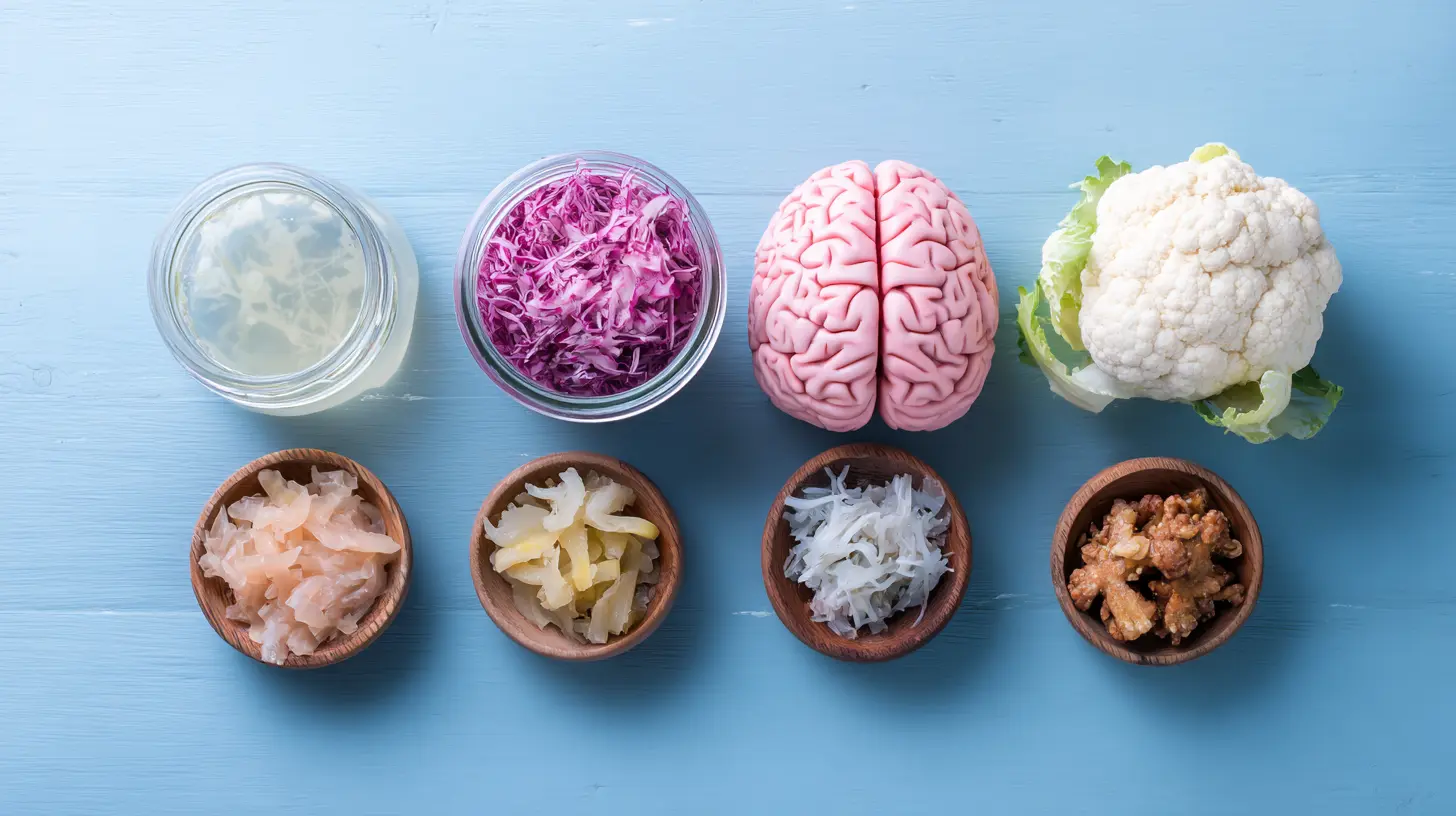
Meet the Microbiome: Your Body's Unsung Hero
Your gut microbiome is home to trillions (yes, trillions!) of bacteria, both good and bad. They help you digest food, absorb nutrients, regulate the immune system, and—you guessed it—talk to your brain.Now, when this delicate ecosystem gets disrupted by poor diet, stress, illness, or antibiotics, your brain can feel the effects, too. You might deal with:
- Brain fog
- Anxiety
- Depression-like symptoms
- Trouble focusing
- Poor memory
It’s like trying to focus in a room full of static. Nothing works right.
So, Where Do Probiotics Come In?
Think of probiotics as the friendly reinforcements for your gut. These are live bacteria (the good kind, of course) that help restore balance to your microbiome. And when your gut’s in balance, everything else starts to click—including your mental clarity.Here’s the scoop: Several scientific studies suggest a powerful link between gut health and mental health. When people take probiotics, some experience better focus, less brain fog, and even reduced symptoms of anxiety and depression. That’s not magic—it’s microbiology.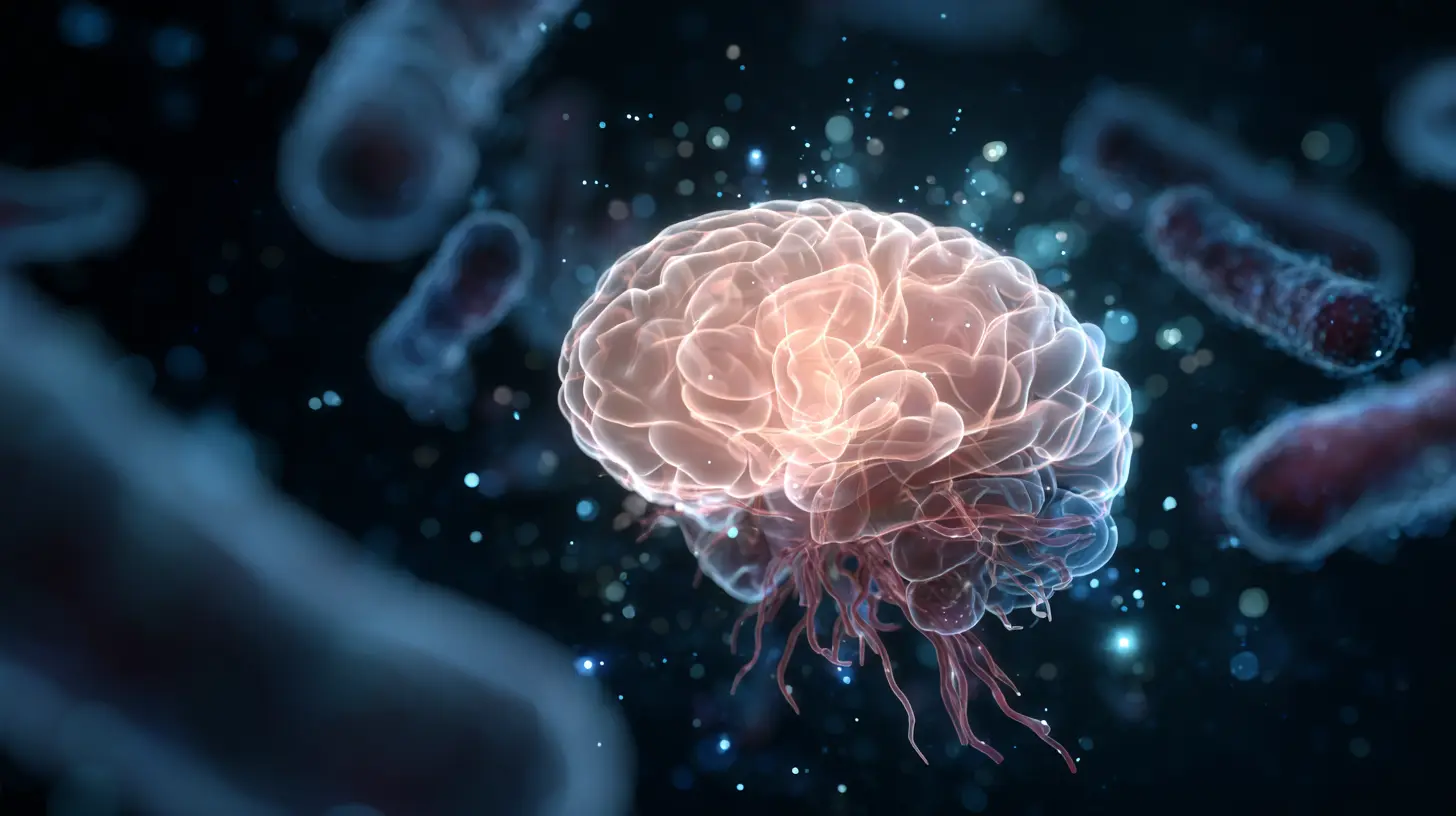
The Science Behind the Gut-Brain Vibe
Let’s break this down without turning it into a boring textbook. Here’s how your gut directly impacts your brain:1. Neurotransmitters Start in the Gut
Your gut actually produces chemicals that affect your mood. For example, about 90% of your serotonin—the feel-good hormone—is made in your gastrointestinal tract. That means a healthier gut = a more balanced mood.2. Inflammation Is a Buzzkill
When your gut is inflamed (think due to processed foods, stress, or illness), it can trigger low-grade inflammation throughout your body—yep, including your brain. This is linked to fatigue, poor concentration, and mood dips.3. The Stress Loop
Ever notice how stress messes with your digestion? That’s because the communication goes both ways. A stressed brain upsets the gut, and a troubled gut stresses the brain. It can easily spiral—but probiotics can help break that cycle.Probiotics and Mental Clarity: What Studies Are Saying
No fluff here—real research backs this up.A 2019 study in the journal Frontiers in Psychiatry found that taking specific strains of probiotics (like Lactobacillus and Bifidobacterium) improved cognitive function and reduced symptoms of depression in some individuals.
Another study published in Psychopharmacology showed that participants who took multi-strain probiotics scored higher on memory tasks and had lower levels of stress hormones.
Still skeptical? Let’s put it this way: scientists are now calling this field "psychobiotics", because the impact is that real.
Real Talk: How to Tell If Your Gut Needs Help
Not everyone needs to raid the supplements aisle tomorrow—but if any of these sound familiar, your gut might be waving a red flag:- Constant bloating or gas
- Irregular bowel movements
- Sugar cravings
- Anxiety or mood swings out of the blue
- Brain fog that won’t let up
- Trouble concentrating or remembering things
If that sounds like you, don’t worry—you’re not broken. You may just need some bacterial backup.
How to Choose the Right Probiotic
So you’re ready to give probiotics a try? Awesome! But hold on—don’t just grab the first bottle you see. All probiotics are not created equal.Here are a few tips to picking the right one:
1. Look for the Right Strains
Some strains have more research backing their mental health benefits. Look for:- Lactobacillus rhamnosus
- Bifidobacterium longum
- Lactobacillus helveticus
- Bifidobacterium bifidum
2. Go for Multi-Strain
More strains = more diversity. And diversity is the name of the game in gut health.3. Check the CFU Count
That stands for colony-forming units. Aim for at least 10 billion CFUs per dose for noticeable effects.4. Check Expiration Dates and Storage Info
Live bacteria need proper care. If the label says “refrigerate,” do it.Don’t Rely on Probiotics Alone
Here’s the thing—probiotics aren’t a miracle fix. They’re part of a bigger picture. If you’re still eating tons of processed food, living off caffeine, and never sleeping, your gut won’t have a fighting chance.Try combining probiotics with these gut-friendly habits:
- Eat prebiotic-rich foods (garlic, onions, bananas, asparagus)
- Reduce sugar and processed foods
- Manage stress through mindfulness, meditation, or simple breathing
- Get solid, consistent sleep
- Stay hydrated
- Move your body (yep, even a walk helps)
Treat your gut like a garden—it needs good soil (prebiotics), sunlight (exercise), water (hydration), and TLC (rest).
Personal Story: My Brain Fog Battle
Let me get real with you for a second.A few years ago, I was constantly tired. My brain felt like it was dipped in molasses. Words wouldn’t come out right. Deadlines? Missed. Conversations? Zoned out.
I chalked it up to stress or burnout. But no spa day or vacation truly helped.
Then a friend (a total health geek) suggested I look at my gut. I was skeptical—but desperation won. I started taking a high-quality probiotic, cut back on the sugar, and added fermented foods like kimchi and sauerkraut.
Within weeks, the fog lifted. I started waking up alert. My mood improved. I wasn’t snapping at everyone. It wasn’t instant—but it was real.
My brain finally started showing up to the party—and probiotics were the bouncer who let it in.
Final Thoughts: Give Your Gut the Love It Deserves
So, here’s the takeaway: your gut isn’t just some food-processing machine—it’s a major player in how you feel, think, and function.Probiotics might seem small, but they pack a superpower when it comes to clearing brain fog, boosting mood, and helping you feel like YOU again.
Got brain fog? Start with your gut. It just might be the missing piece to the clarity puzzle. And let’s be honest—don’t we all want a little more clarity in this chaotic world?
FAQs About Probiotics and Mental Clarity
Q: How long before I notice a difference after taking probiotics?A: Most people notice changes within a few weeks, but it can vary. Consistency is key—give it 4 to 6 weeks before judging.
Q: Can kids take probiotics for mental clarity?
A: Yes, but always consult a pediatrician. Some strains are specifically designed for kids.
Q: Should I take probiotics in a pill or food form?
A: Either works! Yogurt, kefir, sauerkraut, and pickles are awesome food-based sources. But supplements can offer targeted strains your gut might need.
Q: Do probiotics have side effects?
A: Some people get mild bloating or gas when starting—this usually passes as your body adjusts.
all images in this post were generated using AI tools
Category:
ProbioticsAuthor:

Eileen Wood
Discussion
rate this article
1 comments
Nathaniel Benton
Ever wonder if your gut has a brain of its own? Grab those probiotics and let the magic happen! Who knew that balancing bacteria could lead to sharper thoughts and a clearer mind? Cheers to happy guts and brighter ideas!
June 6, 2026 at 3:38 AM
Eileen Wood
Absolutely! The gut-brain connection is fascinating. Probiotics really can boost both gut health and mental clarity. Cheers to that!