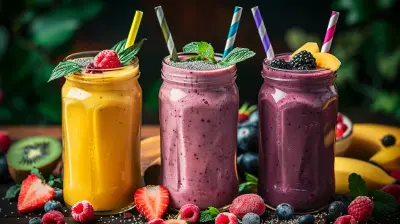
The Connection Between Probiotics and Autoimmune Diseases
13 December 2025
Let’s get one thing straight right off the bat: your gut isn't just a place where food turns into... well, you know. It’s a full-blown command center that influences way more than just digestion. We’re talking mood, immunity, skin health, and even how often you get sick. Wild, right?
Now, if you’ve been glued to health and wellness trends lately (and who hasn’t?), you’ve probably seen probiotics being praised like they’re some kind of microscopic superheroes. But what’s their deal with autoimmune diseases? Is there really a legit connection, or is it all fermented fluff?
Buckle up, buttercup—because we’re diving deep into the gut-immune magic show. By the time we’re done, you’ll know exactly what probiotics are doing inside your body and why it matters big time if you're dealing with autoimmune issues.
Let's Talk Autoimmune Diseases (a.k.a. When Your Body Becomes Its Own Frenemy)
So, in a perfect world, your immune system is supposed to defend you from bacteria, viruses, and all the nasty stuff. Think of it as your body’s personal bouncer at Club Health.But with autoimmune diseases? Oh honey… the immune system gets it all twisted. Instead of fighting off invaders, it turns against your own tissues and organs like a traitor. That results in serious, chronic conditions like:
- Rheumatoid Arthritis
- Lupus
- Multiple Sclerosis
- Type 1 Diabetes
- Crohn’s Disease
- Psoriasis
Each one shows up differently, but the common theme? Your immune system is in overdrive and not in a good way.
What Even Are Probiotics, and Why Should I Care?
Probiotics are live bacteria and yeasts that are _actually_ good for you—yeah, not all bacteria are villains! These friendly little guys mainly hang out in your gut microbiome, and they help to:- Balance the bacteria in your digestive tract
- Breakdown food
- Support vitamin production
- Strengthen your gut barrier
- Regulate the immune response
You can find them in fermented foods like yogurt, kefir, sauerkraut, kimchi, and even in supplement form.
Not all probiotics are created equal, though. Different strains do different things. For autoimmune warriors, that small detail matters more than you'd think.
Gut Feeling: The Gut-Immune Connection
Here’s a jaw-dropper: about 70% of your immune system is housed in your gut. Yup, that’s no typo. Your intestines are basically the control room for immune activity.The gut lining acts like a security checkpoint, letting good stuff in and keeping bad invaders out. A healthy gut is the ultimate bouncer, but when it's compromised—like in people with autoimmune diseases—stuff gets through that should NOT be getting a VIP pass.
When this "leaky gut" situation happens (formal name: intestinal permeability), larger particles like food proteins, bacteria, and toxins sneak into the bloodstream, triggering inflammation and confusing the immune system. That confusion? It can lead to autoimmune flare-ups.
This is where probiotics strut in, flipping their hair and saying, “Let me fix this mess.”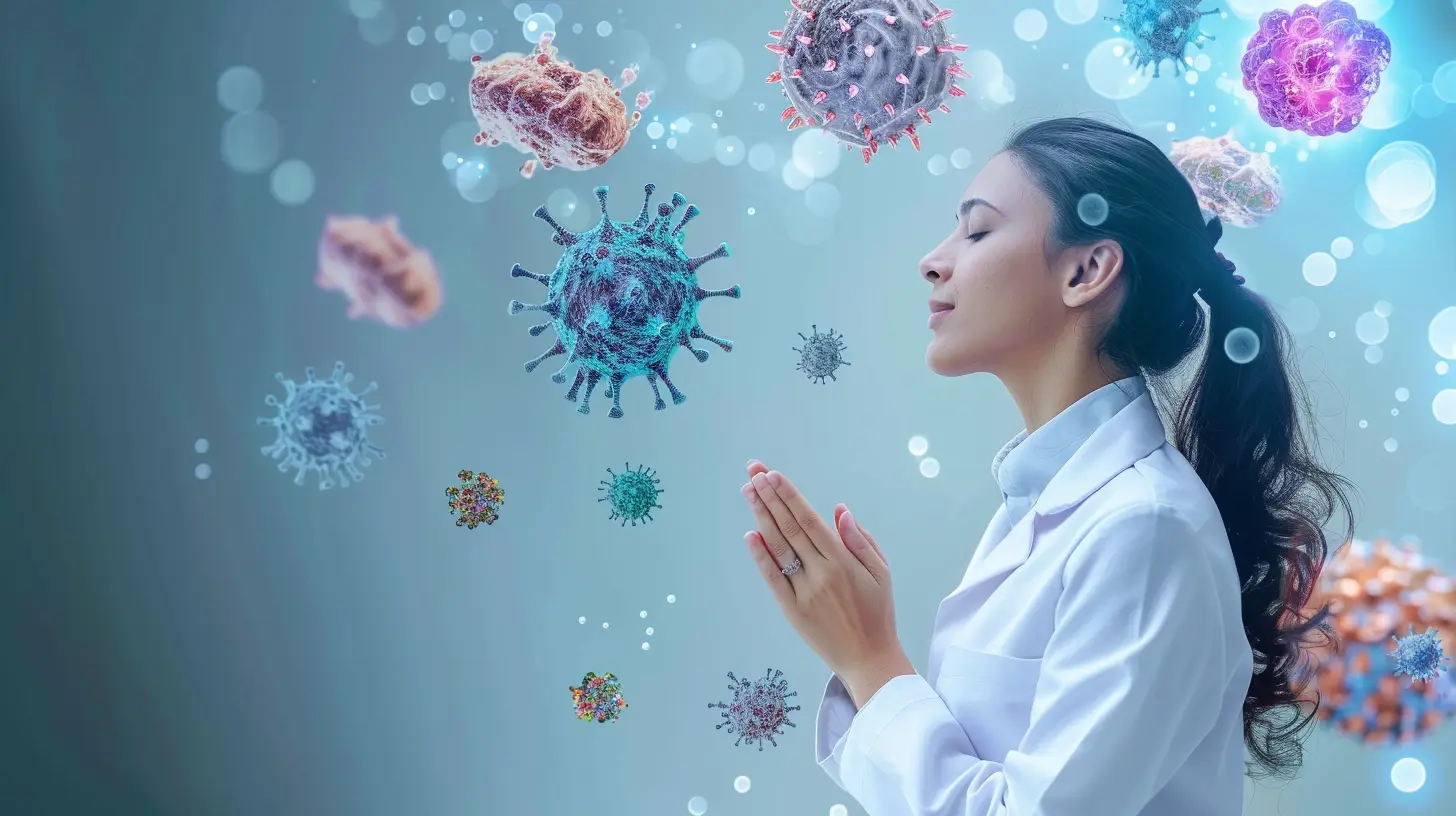
How Probiotics Can Help with Autoimmune Diseases (Yes, They’re That Good)
Now we're getting to the juicy stuff. Here's how probiotics may help manage autoimmune conditions by straightening out your gut and calming your rebellious immune system.1. They Reduce Inflammation, Like a Boss
Inflammation is basically the root of all autoimmune drama. Probiotics, especially strains like _Lactobacillus_ and _Bifidobacterium_, help lower inflammatory cytokines (science speak for “tiny fire-starters”). Less inflammation equals fewer flare-ups. Boom.2. They Patch Up Your Leaky Gut
A strong gut lining keeps the bad stuff out and the good stuff in. Certain probiotics have been shown to strengthen those tight junctions in your gut lining. Think of it like patching holes in your boat before it sinks.3. They Train the Immune System
Probiotics help modulate the immune response—meaning they teach it to not freak out every time it sees something unfamiliar. Instead of going full attack mode, the immune system learns to chill. That’s a win for anyone with an autoimmune disorder.4. They Crowd Out the Bad Guys
Ever heard the phrase “too many cooks in the kitchen”? That applies to your gut too. A healthy balance of good bacteria keeps the bad ones from taking over. If you’ve got more good bacteria, there's less room for harmful ones that promote inflammation and disease.Probiotics in Action: Real Research, Real Results
Let’s not fly blind, okay? Here’s what science says.- Rheumatoid Arthritis: Studies have shown that people with RA who took probiotics experienced reduced pain and stiffness. Score!
- Multiple Sclerosis: Certain probiotic strains reduced inflammatory markers and promoted more regulatory immune cells (the peacekeepers).
- Inflammatory Bowel Disease (IBD): That’s Crohn’s and ulcerative colitis. Probiotics improved remission rates and helped calm symptoms.
- Type 1 Diabetes: Early probiotic use in infants showed a reduced risk of developing this autoimmune condition. Early bird gets the healthy gut!
Bottom line? While probiotics aren’t a cure-all (let's be real), they’re an important piece of the autoimmune puzzle.
Not All Strains Are Created Equal (Don't Just Grab the First Bottle You See)
You wouldn’t wear heels to a hike, right? Same logic applies to probiotics—you gotta pick the right ones for the job.Here are some top strains that are currently flexing their muscles in autoimmune health research:
| Strain | Known For |
|-------|-----------|
| _Lactobacillus rhamnosus GG_ | Supports gut lining + reduces inflammation |
| _Bifidobacterium longum_ | Balances immune response |
| _Lactobacillus plantarum_ | Strengthens gut barrier |
| _Saccharomyces boulardii_ | Manages diarrhea + supports gut flora during antibiotics |
Always check with your doc before hopping on the probiotic train—especially if you’re immunocompromised. Better safe than sorry, babe.
How to Get More Probiotics Into Your Life Without Getting Bored
Okay, we get it. Eating yogurt every day can get old real quick. So here are some fun and tasty ways to sneak probiotics into your routine:- Kombucha: Fizzy, fermented tea that’s basically the punk rock cousin of soda.
- Kimchi & Sauerkraut: Tangy, crunchy, probiotic-packed, and great on EVERYTHING.
- Miso Soup: Warm comfort food meets gut health boost.
- Pickles (fermented, not just vinegar-soaked): Your sandwich's new best friend.
- Kefir: Think yogurt’s more drinkable, slightly boozy cousin.
Want to take shortcuts? Go for a high-quality supplement that features multiple strains and guarantees live cultures.
Feed the Good Guys: Don’t Forget Prebiotics
You can’t just throw probiotics into your gut and expect them to thrive—you’ve gotta feed them too. That’s where prebiotics come in. Think of them as the fertilizer for your internal garden.Prebiotics are non-digestible fibers that help good bacteria grow. You’ll find them in:
- Bananas (esp. when slightly green)
- Garlic
- Onions
- Asparagus
- Oats
- Apples
- Chicory Root
Pair prebiotics + probiotics = synbiotics. That’s your gut’s power couple right there.
Final Thoughts: Is It Time to Shake Up Your Gut Game?
Here’s the tea: if you're dealing with an autoimmune disease and haven’t thought about your gut health yet, you could be missing a MAJOR piece of the wellness puzzle. Probiotics aren’t magic, but they are backed by a growing body of science that’s way too convincing to ignore.You don’t need to overhaul your life overnight. Start small. Add a probiotic-rich food to your plate. Consider a supplement if your doc gives the green light. Trust your gut—literally.
Make peace with your immune system. It’s been confused, loud, and chaotic. It’s time to show it a little love via the gut-brain-immune highway. Remember: healing often starts with the gut.
So, are probiotics the future of autoimmune healing? Time will tell. But one thing’s for sure—they deserve a seat at the table.
all images in this post were generated using AI tools
Category:
ProbioticsAuthor:

Eileen Wood
Discussion
rate this article
2 comments
Ryder Wagner
Understanding the relationship between probiotics and autoimmune diseases is crucial. Emerging research suggests that probiotics may influence immune responses and gut health, potentially offering new avenues for managing autoimmune conditions. Further studies are needed to establish definitive connections.
December 17, 2025 at 3:33 PM
Eileen Wood
Thank you for your insightful comment! I agree that understanding the interplay between probiotics and autoimmune diseases is vital, and ongoing research will be key to uncovering potential therapeutic pathways.
Katherine Allen
This article effectively highlights the emerging link between probiotics and autoimmune diseases. It emphasizes the importance of gut health in immune regulation and suggests that probiotics could be a promising avenue for managing autoimmune conditions. Great insights!
December 15, 2025 at 4:29 AM
Eileen Wood
Thank you for your thoughtful feedback! I'm glad you found the insights on probiotics and autoimmune diseases valuable. Your support means a lot!