The Connection Between Gut Health and Emotional Balance
17 June 2026
Introduction
Ever heard the saying, “Trust your gut”? Well, turns out, there’s more truth to that than we ever imagined. Your gut isn't just responsible for digestion; it’s basically the control center of your emotions too. That’s right—there’s a powerful link between your gut health and how you feel mentally and emotionally.
If you’ve been struggling with mood swings, anxiety, or even depression, your gut might be the culprit. Let’s break down this fascinating mind-gut connection and why keeping your digestive system happy is key to emotional balance.
The Gut-Brain Axis: Your Second Brain
You might think your brain calls all the shots, but your gut has a mind of its own—literally. Scientists call this the gut-brain axis, a direct communication highway between your digestive system and your brain.Your gut is lined with millions of neurons, making it the second most complex nervous system in your body (right after your brain). These neurons constantly send signals to your brain, influencing everything from mood to stress levels.
One of the biggest players in this connection is the vagus nerve, which acts like a fiber-optic cable, delivering information from your gut to your brain. If your gut is inflamed, sluggish, or out of balance, guess what? Your brain feels the effects too. 
Gut Microbiome: The Tiny Army Controlling Your Mood
Inside your digestive system lives an army of trillions of bacteria, known as the gut microbiome. These little guys aren’t just there for digestion; they actively control your mental health.How?
1. Serotonin Production – About 90% of your body’s serotonin (the “feel-good” hormone) is made in your gut. If your gut is unhealthy, serotonin levels drop, leading to mood swings, anxiety, and even depression.2. Inflammation and Stress – An unbalanced gut can trigger chronic inflammation, which has been linked to higher cortisol levels (the stress hormone). Too much cortisol can make you feel edgy, irritable, and downright exhausted.
3. Neurotransmitter Regulation – Your microbiome influences neurotransmitters like dopamine and GABA, which control motivation and relaxation. An unhealthy gut can leave you feeling unmotivated and stressed out.
When your gut microbiome is balanced, you feel calm, happy, and focused. But when it’s imbalanced? Say hello to stress, brain fog, and emotional rollercoasters. 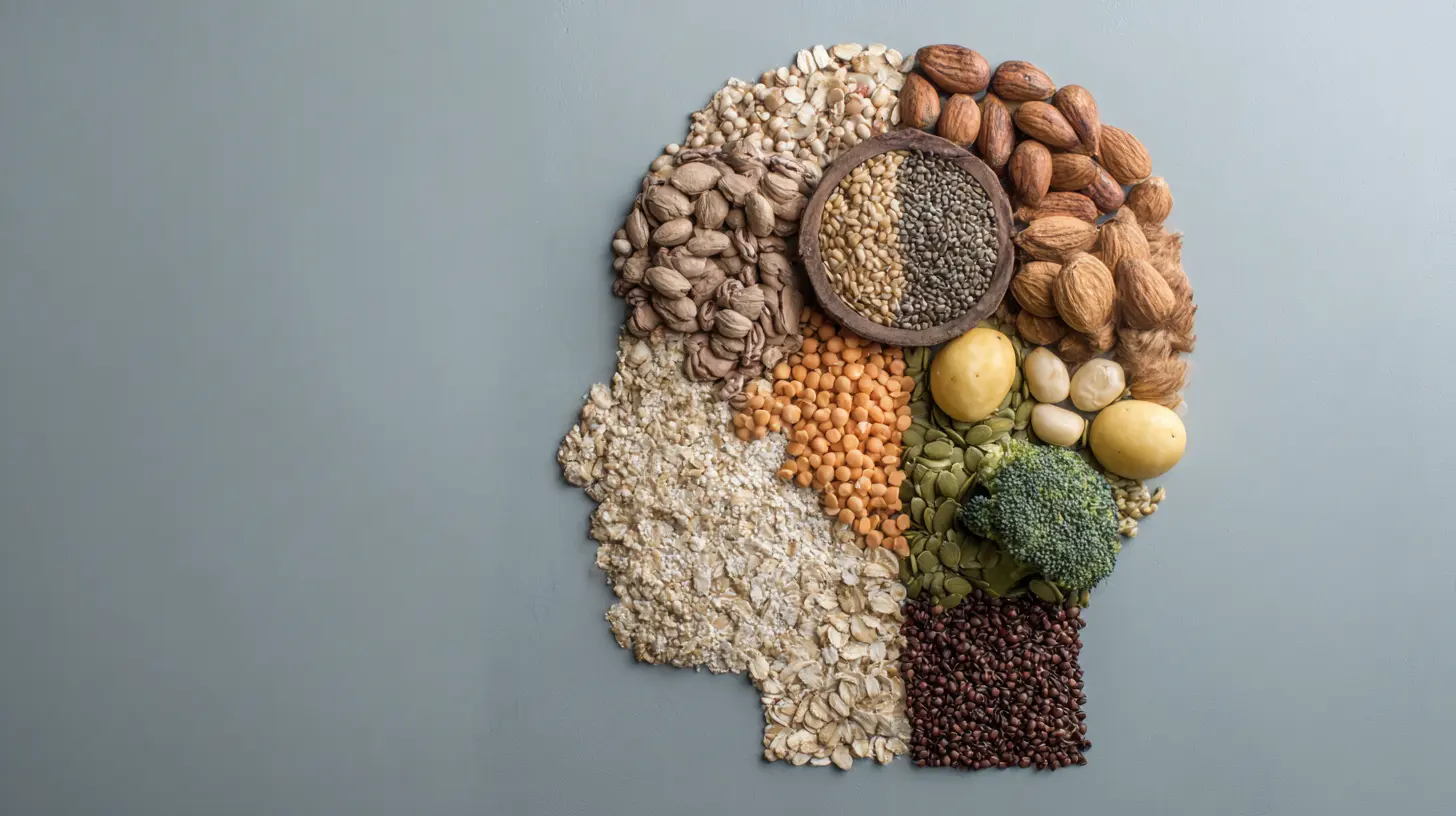
Signs Your Gut Health May Be Messing with Your Emotions
Not sure if your gut is the reason you’re feeling off? Here are common signs of an imbalanced gut affecting your emotional health:✅ Chronic bloating or indigestion
✅ Frequent mood swings or irritability
✅ Anxiety or depression that seems unexplained
✅ Brain fog or difficulty concentrating
✅ Fatigue, even after a full night’s sleep
✅ Sugar cravings (bad gut bacteria love sugar!)
If you’re ticking off several of these, it might be time to start nourishing your gut for better emotional well-being. 
How to Improve Gut Health for Emotional Balance
The good news? You have a lot of control over your gut health. With the right diet and lifestyle changes, you can transform both your digestive system and your emotional state.1. Eat More Gut-Friendly Foods
Your diet is the #1 influencer of your gut microbiome. To keep your gut bacteria happy, load up on:✔ Probiotic-Rich Foods – Yogurt, kimchi, sauerkraut, miso, kombucha
✔ Prebiotic Foods – Garlic, onions, asparagus, bananas, oats
✔ Fiber-Rich Foods – Whole grains, legumes, fruits, and veggies
✔ Healthy Fats – Avocados, nuts, olive oil, and fatty fish
Avoid heavily processed foods, refined sugars, and artificial sweeteners—they feed the bad bacteria that mess with your mood.
2. Cut the Stress (Your Gut Will Thank You)
Stress is a gut killer. The more stressed you are, the worse your gut health becomes. To keep your emotions steady, try:✔ Meditation or Deep Breathing – Slows down the stress response
✔ Exercise Regularly – Boosts good gut bacteria and lowers cortisol
✔ Prioritize Sleep – A well-rested gut is a happy gut
✔ Set Boundaries – Say ‘no’ to energy-draining situations and people
3. Stay Hydrated
Water keeps everything in your gut moving and flushes out toxins. Aim for at least 8 glasses a day, and if you drink coffee or alcohol, add even more H₂O to balance it out.4. Avoid Overuse of Antibiotics
Antibiotics wipe out both bad and good bacteria, leaving your gut vulnerable. Only take them when absolutely necessary, and if you must, pair them with a high-quality probiotic supplement.5. Get Plenty of Sunshine (Vitamin D Matters!)
Low vitamin D levels are linked to both gut issues and mental health struggles. Spend at least 15-20 minutes in the sun daily, or consider a vitamin D supplement if you’re not getting enough.The Bottom Line
If you’ve been battling mood swings, anxiety, or just feeling mentally drained, your gut might be the missing piece of the puzzle. The connection between gut health and emotional balance is undeniable—when your gut thrives, so does your mind.Want to feel happier, more energized, and less stressed? Start by healing your gut. Your second brain is more powerful than you think.
all images in this post were generated using AI tools
Category:
Holistic HealingAuthor:

Eileen Wood
Discussion
rate this article
1 comments
Josie Dorsey
Gut speaks; mind listens.
June 29, 2026 at 2:51 AM
Eileen Wood
That's a powerful way to put it! Our gut really does influence our emotions more than we realize.