The Benefits of Eating Seasonally and Locally
27 December 2025
Ever wandered through a farmers' market and felt like the produce just looked... happier? The tomatoes are redder, the peaches smell sweeter, and everything just feels more alive. That’s not just your imagination — that's the magic of eating seasonally and locally. This way of eating isn’t just a trendy buzz phrase; it’s actually a powerful way to boost your health, help the environment, and support your community.
In this article, we're going to break down the benefits of eating with the seasons and sticking close to local sources — all in a relaxed, understandable way. So grab a coffee (or maybe a locally brewed tea?), and let’s dig in.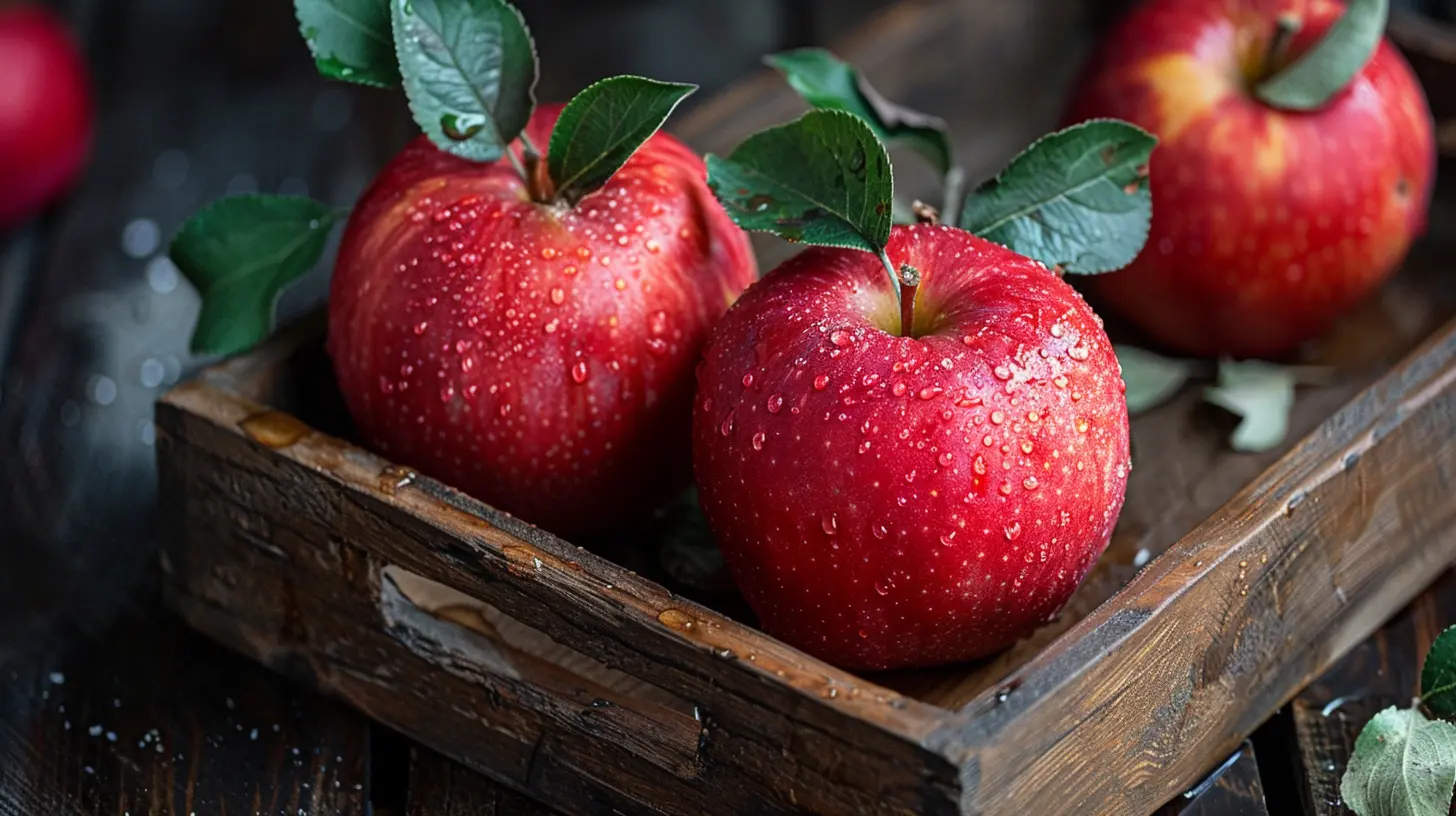
What Is Seasonal and Local Eating, Anyway?
Let’s keep this simple.Eating seasonally means choosing fruits and vegetables that are naturally grown during a specific time of year in your local region — like strawberries in summer or squash in fall.
Eating locally means sourcing your food from nearby farms or producers — typically within a 100-mile radius, although it can vary.
This combo of seasonal + local = a match made in health and sustainability heaven.
1. Nutritional Powerhouse: Fresher Means Better
Have you ever noticed how a tomato from your backyard tastes nothing like the sad, flavorless ones at the grocery store in January? That’s because seasonal, local produce is typically harvested at peak ripeness, when it’s loaded with nutrients and flavor.When food is grown far away, it often gets picked early and ripens on the journey. During that time, it loses some of its nutritional value. Vitamins like C and B-complex love to disappear when food sits around for too long.
By eating seasonally and locally, you're giving your body the highest level of nutrients possible. It’s kind of like getting your veggies straight from Mother Nature’s oven.
Bonus: Variety Is the Spice of Life
When you eat with the seasons, your diet naturally rotates. This seasonal variety ensures you're getting a broad spectrum of nutrients throughout the year. Your gut microbiome will thank you.
2. Flavor You Can’t Fake
Here’s the thing — when produce grows in the right conditions, with the right weather, and isn't rushed, it actually tastes the way it’s supposed to.Why do locally grown strawberries in June taste like candy, but the ones in December taste like cardboard? Simple. They weren’t grown in ideal conditions and were probably shipped thousands of miles before reaching you.
Eating seasonally gives you fruits and veggies at their peak flavor. You get that rich tomato taste in August, crisp apples in October, and juicy oranges in the winter.
It's like turning your plate into a mini celebration of the season.
3. Supports Your Local Economy and Community
Every time you buy from a local farm, farmers’ market, or producer, you’re putting money right back into your community. You're not just feeding yourself — you're supporting someone’s livelihood.Think about it: would you rather support a distant, faceless conglomerate or your neighbor who wakes up at the crack of dawn to tend their crops with care?
Also, shopping locally often means you’re meeting the people who grow your food. That connection builds trust and transparency. You can ask questions, get recipe ideas, and learn more about how your food is produced.
And trust me — there’s something special about knowing the name of the person who grew your lettuce.
4. It's Kinder to the Planet
Let’s talk about one of the biggest perks that often flies under the radar — sustainability.When you choose local and seasonal foods, you’re cutting down on the “food miles” — the distance food travels from farm to plate. Less travel means fewer greenhouse gases.
Think about an avocado that’s flown in from thousands of miles away — now compare that to a local apple picked just down the road. The environmental impact? Night and day.
Seasonal = Less Resource-Hungry
Seasonal produce doesn’t need fancy greenhouses, artificial lights, or high-maintenance climate control systems. It grows naturally in the conditions that suit it best.And that means less energy use, less water waste, and fewer chemicals.
Basically, it's like eco-friendly eating without even trying hard.
5. Budget-Friendly Goodness
Here’s a little secret: when you eat what’s in season, you’ll usually save some serious cash.Why? Because it’s in abundance. Farmers have a surplus, so prices drop. No need to pay extra for something shipped across the globe or grown out of season with expensive methods.
If you’ve ever bought a punnet of blueberries in winter, you know what I mean — your wallet takes a hit. But in July? They're practically overflowing from every stand and cost half the price.
Eating seasonal is like being in sync with sales — but better for your health.
6. Builds a Stronger Connection to Food
Let’s be honest — most of us don’t even know what’s in season anymore. We’re used to seeing everything on the shelves year-round. But that abundance can actually disconnect us from where food comes from.When you follow what's in season, you're tuning into the rhythm of nature. You begin to appreciate the fleeting beauty of spring asparagus or the short-lived magic of summer cherries.
This awareness brings more mindfulness to your meals. You eat with intention. You savor more. You waste less.
It’s a quiet shift, but it makes a big difference in how you experience food.
7. Reduced Preservatives and Chemicals
Out-of-season produce often requires a little... help. That might be in the form of preservatives, pesticides, or ripening chemicals to keep it looking fresh on its long journey.With local and seasonal food, the need for those additives drops significantly. You’re more likely to find organic or low-spray options from small producers who care about their soil as much as their crops.
Less processing = more goodness in every bite.
8. Encourages Cooking and Creativity
Let’s not forget one underrated benefit — it gets you cooking.When a new vegetable shows up in your local market, it sparks curiosity. What is that weird-looking root? How do I cook this leafy green? Suddenly, your kitchen feels like a playground.
Eating locally and seasonally nudges you to try new recipes, explore new flavors, and expand your cooking skills naturally.
Instead of asking, “What do I feel like eating today?”, you start asking, “What’s fresh right now?” And boom — creativity flows.
But What About Convenience?
Totally fair question. We’re all busy. Grocery delivery exists for a reason.But here's the thing: local and seasonal eating doesn’t have to be an all-or-nothing lifestyle. Start small. Maybe it’s picking up a few things at the weekend farmers' market. Or subscribing to a CSA (Community Supported Agriculture) box to get seasonal produce delivered.
Even just swapping a few ingredients here and there makes a difference.
And let’s be real — is it really less convenient to grab some fresh greens from a local spot than to spend 30 mins figuring out which plastic-wrapped lettuce has the least browning?
How to Start Eating Seasonally & Locally
Ready to give it a go? Here are a few easy tips to get started:1. Visit Local Farmers’ Markets
This is one of the best ways to find fresh, seasonal produce and talk to the people who actually grow your food. Ask questions. Build relationships.2. Get to Know Your Seasons
A quick Google search or a seasonal produce chart can tell you what’s in season in your region every month. Stick it on your fridge!3. Join a CSA Program
CSA programs deliver a box of fresh, local, seasonal produce straight to your door or a pickup spot. It's a great way to try new things.4. Eat with the Calendar
Start building your meal plans around what's in season. If it's spring, think peas, radishes, and leafy greens. Fall? Root veggies, squash, and apples.5. Shop Smart
Even in your regular grocery store, you can prioritize local brands or check produce labels to see where they came from. Aim for nearby states or regions when possible.Final Thoughts
Eating seasonally and locally is like tuning into nature’s playlist — and trust me, it’s a hit. You get better-tasting food, higher nutrition, and a smaller carbon footprint. Plus, you’re helping local farmers, your wallet, and your waistline.It’s not about being perfect. It’s about being more mindful. A few small shifts can completely change your eating experience and your connection to food.
So next time you're grabbing groceries, ask yourself: What's in season right now? You might just discover your new favorite ingredient hiding in plain sight.
all images in this post were generated using AI tools
Category:
Healthy EatingAuthor:

Eileen Wood
Discussion
rate this article
2 comments
Buzz Alvarez
Eating seasonal produce: because we all want our veggies to be fresher than our last romance!
February 7, 2026 at 3:54 AM
Eileen Wood
Absolutely! Fresh, seasonal produce not only tastes better but also supports local farmers and reduces our environmental impact. Cheers to romance in our meals!
Kimberly Ruiz
Eating seasonally and locally not only enhances flavor and nutrition but also supports local economies and reduces environmental impact. Embracing this practice fosters a deeper connection to our food systems.
January 9, 2026 at 4:09 AM
Eileen Wood
Thank you for highlighting these important points! Eating seasonally and locally truly enriches our diets and strengthens our communities while benefiting the planet.