Probiotics: Can They Really Boost Your Immunity?
3 January 2026
Let’s have a gut-level conversation. Yep, pun intended. Because today, we’re diving nose-first into the microscopic world of probiotics—those tiny, live bacteria that are allegedly the VIPs of your gut club. But the million-dollar, yogurt-laden question is: Can probiotics really give your immune system a high-five, or is it just more wellness hype?
So, grab your kombucha, get cozy, and prepare for some gut-busting (okay, maybe not literally) truth bombs.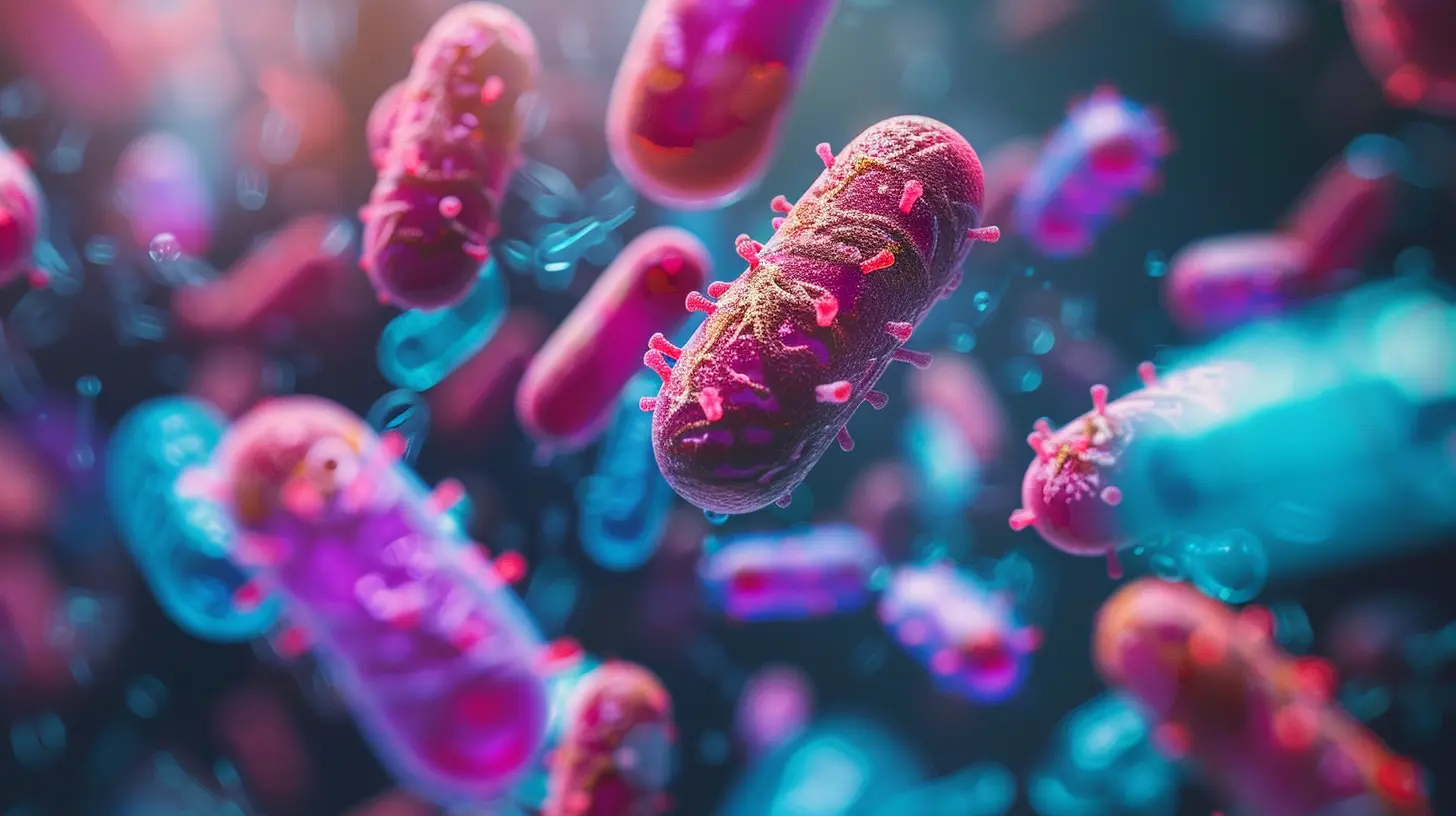
What Even Are Probiotics?
Imagine a bustling microscopic city inside your gut. There are good guys (probiotics), bad guys (pathogens), and a whole drama playing out 24/7.Probiotics are the friendly bacteria that live in your digestive tract. You’ve probably seen their names in fine print on the back of your Greek yogurt container: Lactobacillus! Bifidobacterium! They sound like spells from Harry Potter, but they’re actually living superheroes (minus the capes).
These microbes don’t just sit around waiting to be flushed out—they help digest food, produce essential nutrients, and yes, might even give your immune system some backup when things get messy (ahem, flu season, anyone?).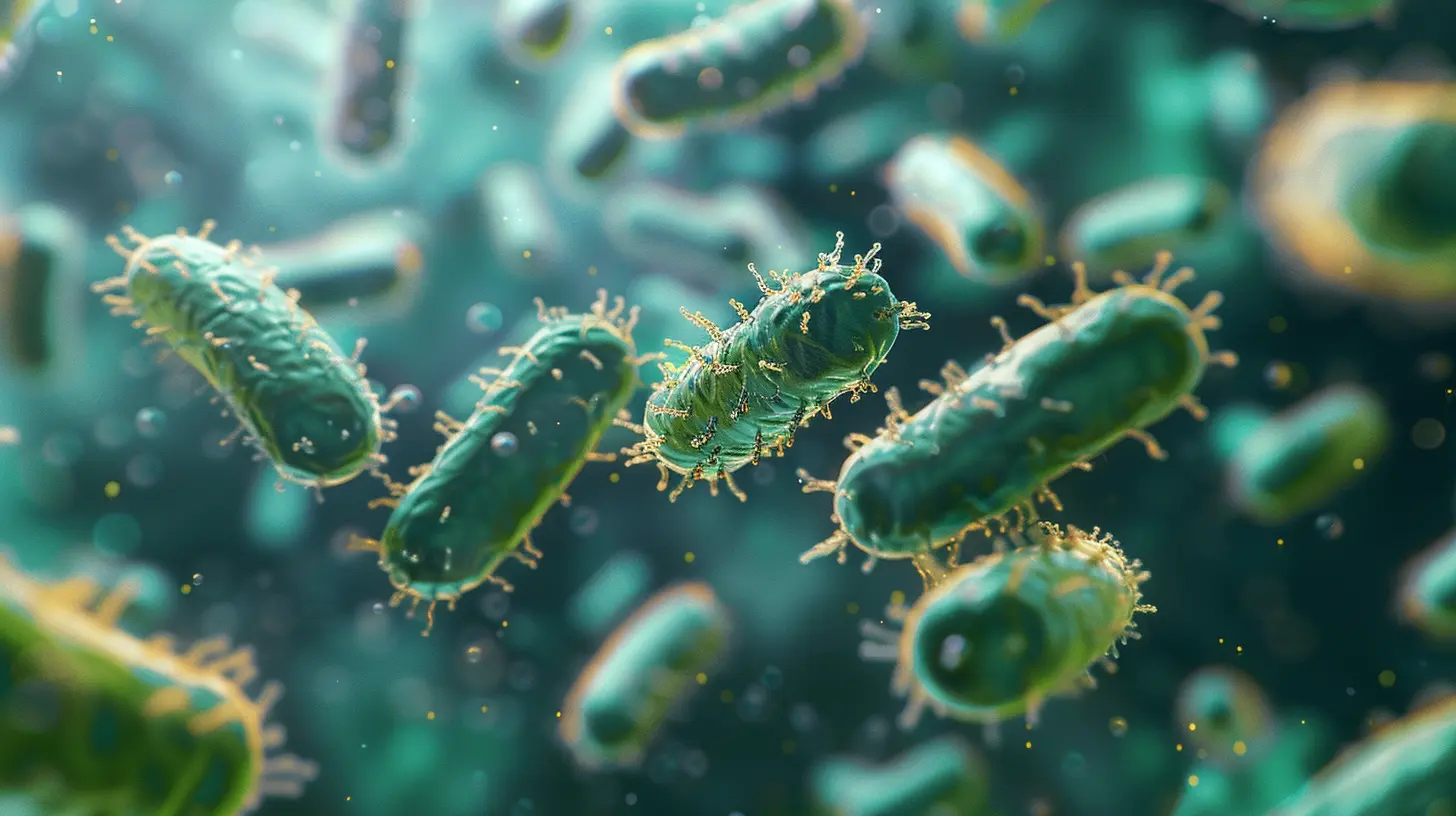
Wait, What Does the Immune System Have to Do With the Gut?
Let me paint you a wild picture: about 70% of your immune system is hanging out in your gut. Yep, seven-zero. Think of your gut like a nightclub and your immune system as the bouncer. If the vibe is off (i.e., too many bad bacteria), the immune bouncer gets aggressive. But when the good guys (probiotics) are in charge? Smooth sailing and no unnecessary bouncer drama.This gut-immune alliance is so tight, some scientists have even dubbed the gut “the second brain.” Which makes sense, because if you’ve ever had a gut feeling that Taco Bell at midnight was a horrible idea—you were right.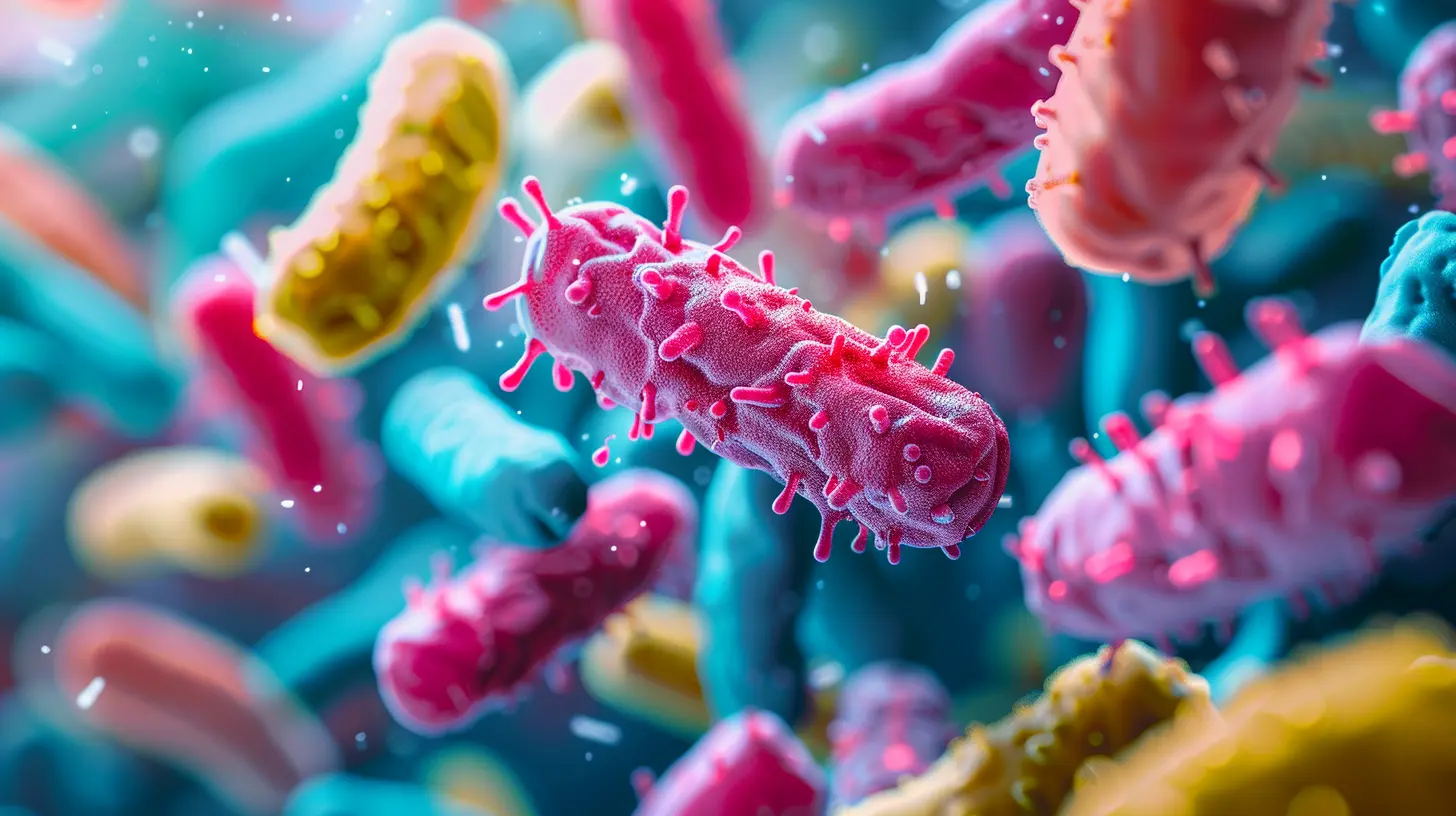
How Do Probiotics Actually Affect Immunity?
So the theory goes like this: if you add more good bacteria to your gut, they’ll help control the bad guys, keeping inflammation and infections in check. In return, your immune system can chill out and do its job more efficiently without firing off unnecessary alarms.Here’s how probiotics might help your immune system:
- Enhancing the gut barrier – Picture your gut lining like a white picket fence. Probiotics help maintain that fence so unwanted intruders (like toxins or viruses) don’t slip through.
- Modulating immune responses – They can help tone down immune overreactions (looking at you, allergies) and boost response when your body’s fighting real threats.
- Producing antimicrobial substances – These little bugs can make their own natural antibiotics, kicking out harmful bacteria like they're hosting a bacteria eviction show.
Let’s Talk Science (But Keep It Fun, Promise)
You might be wondering, “Okay, sounds cool, but where’s the proof?” Glad you asked, my skeptical friend.Several studies (we’re talking about real-deal, peer-reviewed science—not Karen from Facebook) have shown that certain probiotics can:
- Reduce the duration of common colds
- Lessen symptoms of respiratory infections
- Balance the immune response in people with autoimmune diseases
But before you go bathing in kefir, it’s important to know: not all probiotics are created equal. Different strains do different things. Some are great at immune support, others just keep your pipes clean.
For example:
- Lactobacillus rhamnosus GG is like the Beyoncé of immunity—shown to help prevent and shorten colds.
- Bifidobacterium bifidum might help reduce inflammatory responses in the gut.
- Saccharomyces boulardii (a yeast, not a bacteria) helps with diarrhea and immune modulation.
So yes, probiotics can help—but only the right ones, in the right amounts, and taken consistently. This ain't a one-and-done deal.
OK, But Can I Just Eat Yogurt and Be Done With It?
You can try! Yogurt is an OG gut-health food. But let’s be real—many commercial yogurts are more sugar than bacteria. So while they might taste heavenly, they may not actually be doing much for your microbiome.Here are some better-packed sources of probiotics:
- Kefir – Think of it as yogurt’s funky, drinkable cousin with way more strains of good bacteria.
- Sauerkraut & Kimchi – Fermented cabbage that fights crime… metabolically, anyway.
- Miso – Salty, umami-rich magic made from fermented soybeans.
- Tempeh – Tofu, but with more sass and beneficial bacteria.
- Probiotic supplements – Convenient, targeted, and mostly taste-free (because, pills).
The Gut-Immune Tango: It’s All About Balance
Ever tried to dance the tango with someone who keeps stepping on your toes? That’s your gut when there’s more bad bacteria than good. You feel bloated, sluggish, moody, and your immune system’s like, “Excuse me, what’s going on down there?”Probiotics help restore balance. They’re like a DJ that suddenly shows up at the party and gets everyone moving in harmony again.
But here’s the twist: just taking probiotics won’t solve all your immune problems if your lifestyle is still a total dumpster fire. Sleep-deprived? Stressing over everything? Eating like a raccoon in a 7-Eleven dumpster? Yeah, probiotics can only do so much.
So, Are Probiotics a Scam or Superheroes?
Honestly? Neither.Probiotics are tools, not miracles. They can absolutely support your immune health—but they’re not meant to be your only weapon against viruses and bacteria. Think of them like the Robin to your immune system’s Batman. Or better yet, like adding more Avengers to your health team. But you still need the whole squad: a good diet, exercise, sleep, and chill vibes.
Should You Be Taking a Probiotic?
Here are a few signs your gut might be waving the white flag:- You’re sick all the time
- You’re bloated like a balloon after every meal
- Antibiotics left you feeling like a hollow shell
- Your mood is weirdly all over the place
- You’ve been using hand sanitizer religiously, but still catch every cold in the office
These can be signs that your gut microbiota (aka your internal garden) needs some serious TLC.
Before you go full-in on the probiotic train, though: talk to your doctor, especially if you have a condition that affects your immune system. Some people with weakened immune systems shouldn’t take probiotics without guidance.
What to Look For in a Probiotic Supplement
If you’re the type who likes to read the label (good on you!), here’s what to check for:- Specific strains are listed (not just “probiotic blend”)
- CFUs (Colony Forming Units) – 1 to 10 billion CFUs is a solid range
- Survivability – Some strains don’t survive stomach acid unless specifically encapsulated
- Storage requirements – Some need refrigeration, others don’t
- Expiration dates – These are living organisms, not dried noodles
Pro tip: If a supplement claims to “cure anything,” run. Probiotics support your health—they aren’t magical unicorn dust.
Final Verdict: Can Probiotics Boost Immunity?
Drumroll, please… 🥁YES—but with nuance.
Probiotics can support your immune system by helping to balance your gut microbiome, strengthening your gut barrier, and regulating immune responses. But they’re not a free pass to skip your flu shot, nor a replacement for a healthy lifestyle.
Think of them as your wellness backup dancers—super helpful, but not the star of the show.
So go ahead, enjoy that fermented goodness or pop a well-researched supplement. Your gut—and maybe your immune system—will say thanks.
Just remember: healthy living is a team sport, and probiotics are one player in a very crowded field.
Frequently Asked Questions
Q: How long do probiotics take to work?A: Some people feel better in days, others take weeks. Gut bacteria work on their own schedule, okay?
Q: Can kids take probiotics?
A: Generally, yes—but always check with a pediatrician. Kids have smaller guts, but big feelings about anything “tasting funny.”
Q: Can I take probiotics with antibiotics?
A: Absolutely. In fact, it’s recommended to help prevent that dreaded post-antibiotic chaos. Just don’t take them at the same time—spread ‘em out during the day.
Q: Are there any side effects?
A: Sometimes your gut has a "what-the-heck-is-this" moment and you’ll feel bloated for a few days. It usually passes. If not, talk to a doc.
The Bottom Line
Probiotics aren’t snake oil—they’re science, baby. But like that one friend who promises to help you move and then shows up late with snacks, they’re helpful but not perfect.Use them as part of a balanced plan to support your immuni-tea (get it?) and gut health. And remember, even the best bacteria need a good environment to thrive. So treat your gut with love, and it’ll love you back.
all images in this post were generated using AI tools
Category:
Immune SystemAuthor:

Eileen Wood
Discussion
rate this article
2 comments
Daniella Snyder
This article provides a balanced view on probiotics and their potential to enhance immune function. While research suggests benefits, it's crucial to recognize individual variability in response and the importance of a holistic approach to health that includes diet and lifestyle factors.
February 27, 2026 at 4:47 AM
Eileen Wood
Thank you for your insightful comment! I agree that individual responses and a holistic approach are key in understanding the role of probiotics in immune health.
Kairoth Thompson
Do probiotics truly enhance our immune defense?
January 23, 2026 at 3:38 PM
Eileen Wood
Yes, probiotics can support immune health by promoting a balanced gut microbiome, which plays a crucial role in immune function. However, the extent of their effectiveness can vary among individuals.