The Importance of Hydration for Your Cardiovascular System
9 December 2025
Water is life. We've all heard this phrase, but have you ever stopped to think about what it really means—especially for your heart? Staying hydrated is often linked to glowing skin, improved digestion, and higher energy levels, but did you know that proper hydration is also essential for a healthy cardiovascular system? Yep, your heart and blood vessels thrive when you're drinking enough water.
In this article, we'll dive into why hydration is crucial for your heart, how dehydration can negatively impact your cardiovascular health, and practical ways to ensure you're getting enough fluids. 
The Heart & Water: A Lifelong Partnership
Your heart is a workhorse, pumping roughly 2,000 gallons of blood every single day. That’s a full-time job with no breaks! And guess what helps keep this intricate system running smoothly? Water.Water is a key component of your blood, helping it maintain the right consistency and ensuring that oxygen and nutrients are efficiently transported throughout your body. Without enough water, your blood can become thicker, making it harder for your heart to pump, which can lead to a range of cardiovascular issues. 
How Dehydration Affects Your Cardiovascular System
1. Increases Blood Pressure
When you're dehydrated, your blood volume decreases. In response, your body constricts blood vessels to maintain blood pressure, forcing your heart to work harder. Over time, this extra strain on your heart can increase the risk of high blood pressure and even heart disease.2. Raises Heart Rate
Ever noticed your heart pounding when you're dehydrated? That’s because your body is trying to compensate for the lack of fluids by increasing your heart rate. A dehydrated heart has to beat faster to deliver oxygen and nutrients where they're needed—leaving you feeling tired, dizzy, or even lightheaded.3. Increases the Risk of Blood Clots
Thicker blood caused by dehydration moves slower through your arteries and veins, creating a higher risk of clot formation. This increases the chances of serious conditions like deep vein thrombosis (DVT), strokes, and heart attacks.4. Reduces Oxygen Flow to the Muscles
Water plays a huge role in transporting oxygen throughout your body. When you're not drinking enough, your muscles—including your heart muscle—don’t get the oxygen they need to function efficiently. This can make simple activities like walking up a flight of stairs feel more difficult than they should.5. Causes Electrolyte Imbalance
Your heart relies on electrolytes like potassium, sodium, and magnesium to maintain proper function. Without enough water, these essential minerals become imbalanced, potentially leading to arrhythmias (irregular heartbeats) or even more severe cardiovascular problems.6. Leads to Chronic Inflammation
Long-term dehydration can contribute to chronic inflammation, which has been linked to an increased risk of heart disease, stroke, and other serious health conditions. Staying hydrated helps flush out toxins and keeps inflammation in check.
How Much Water Do You Really Need?
The classic advice is "drink eight 8-ounce glasses of water a day", but the truth is, hydration needs vary depending on factors like age, gender, activity level, and climate. A better rule of thumb? Listen to your body!Signs You're Not Drinking Enough Water:
✔ Persistent thirst✔ Dark yellow urine
✔ Fatigue or dizziness
✔ Dry skin and lips
✔ Headaches
✔ Rapid heartbeat
If you experience any of these symptoms, chances are your heart is struggling to keep up. 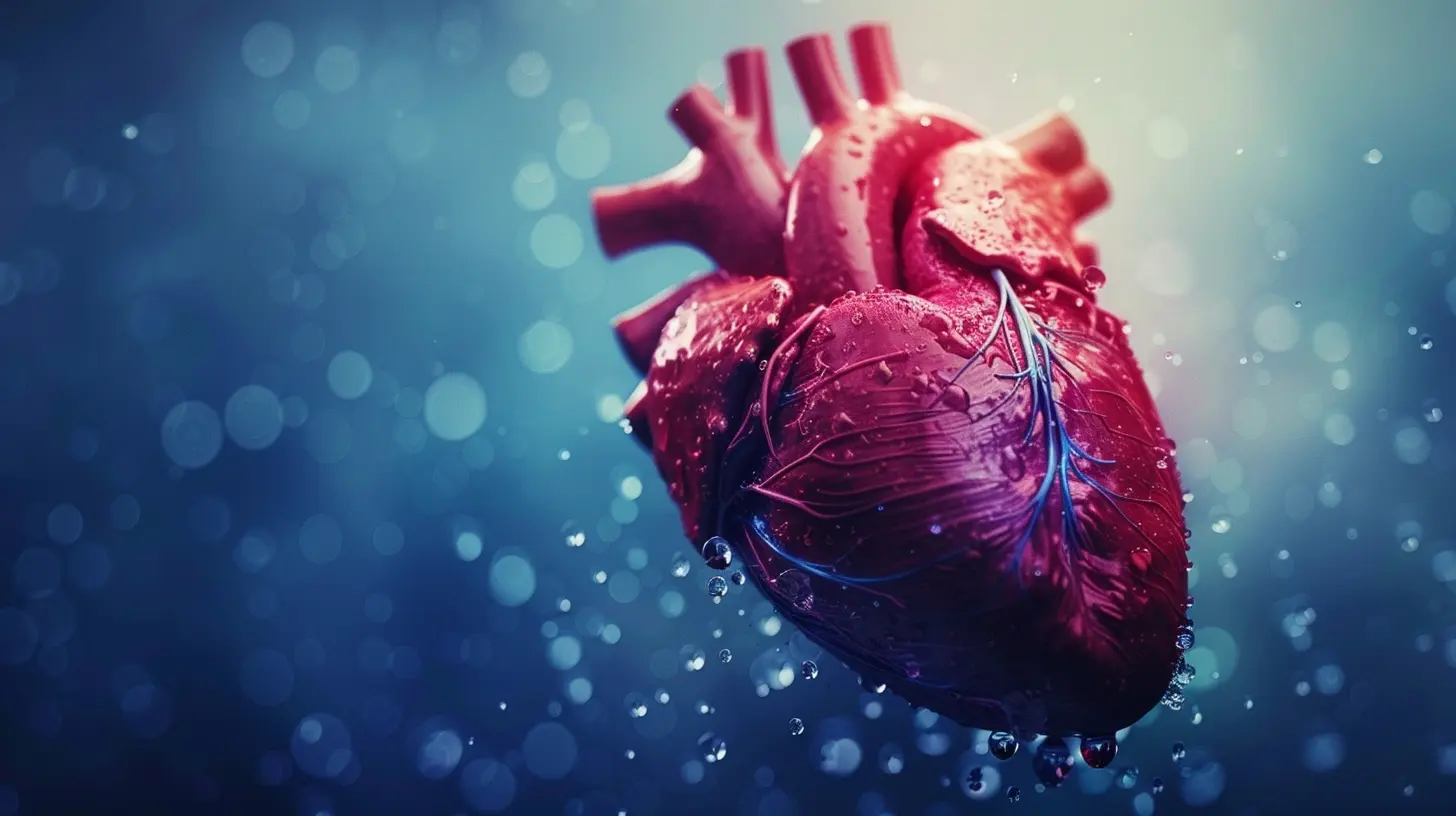
Best Ways to Stay Hydrated for a Healthy Heart
1. Start Your Day with Water
Instead of reaching for coffee first thing in the morning, start with a glass of water to kickstart your metabolism and rehydrate your body after eight hours of sleep.2. Carry a Water Bottle Everywhere
Having a reusable water bottle by your side makes it easy to sip throughout the day. Think of it as your heart’s best friend—always there to support you!3. Eat Water-Rich Foods
Not a fan of plain water? No problem. Incorporate more hydrating foods into your diet, like:- Cucumber (96% water)
- Watermelon (92% water)
- Oranges (86% water)
- Spinach (93% water)
These foods not only hydrate you but also supply essential vitamins and minerals that support heart health.
4. Set Hydration Reminders
Life gets busy, and sometimes we forget to drink water. Set alarms on your phone or use hydration reminder apps to nudge you throughout the day.5. Balance Your Electrolytes
If you drink a lot of water but still feel dehydrated, you might need electrolytes. Coconut water, bananas, and leafy greens can help replenish essential minerals and keep your heart functioning properly.6. Limit Dehydrating Drinks
Caffeinated and alcoholic beverages can dehydrate you. While you don’t have to give them up completely, balance them out with extra water to avoid stressing your cardiovascular system.7. Drink More During Exercise or Hot Weather
Your body loses water through sweat, especially when working out or spending time in the heat. Always up your water intake on these occasions to prevent dehydration.Can You Drink Too Much Water?
Yes, overhydration is a thing! While rare, drinking excessive amounts of water can dilute sodium levels in your blood, leading to a dangerous condition called hyponatremia (water intoxication). The key is balance—drink enough to stay hydrated but not so much that you disrupt your body's natural electrolyte balance.The Bottom Line
Your heart is one of the most hardworking organs in your body, and keeping it hydrated should be a top priority. Water is the fuel that keeps your cardiovascular system running smoothly, preventing high blood pressure, blood clots, and excessive strain on your heart.So, take small steps today to stay hydrated. Your heart will thank you!
all images in this post were generated using AI tools
Category:
Heart HealthAuthor:

Eileen Wood
Discussion
rate this article
2 comments
Josie Dillon
Water: the silent guardian of your heart. Discover how this simple elixir can unlock the hidden potential of your cardiovascular health, safeguarding against unseen dangers lurking within.
December 12, 2025 at 4:07 AM
Eileen Wood
Thank you for your insightful comment! Hydration truly is essential for maintaining a healthy cardiovascular system and can significantly impact our overall well-being.
Kendra Kirkland
Cheers to water—my heart's favorite hydration buddy!
December 10, 2025 at 5:14 AM
Eileen Wood
Absolutely! Cheers to staying hydrated and supporting our hearts! 💧❤️