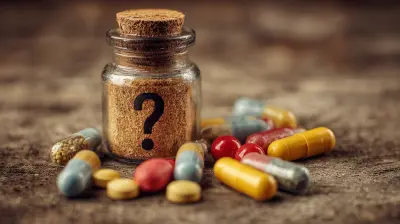
Probiotics and the Immune System: What You Should Know
18 January 2026
Let’s talk about something that doesn’t get the love it deserves—your gut health. Yep, that powerhouse of bacteria and microbes chilling in your digestive system does way more than digest last night’s pizza. It plays a massive role in keeping your immune system in check. And the VIP guests of this system? Probiotics!
If you’ve been casually ignoring probiotics, thinking they’re just another health trend, it’s time for a wake-up call. These tiny superheroes help protect you from nasty infections, balance your gut, and even boost your mood. So, let’s break it down—how do probiotics work with your immune system, and why should you care? 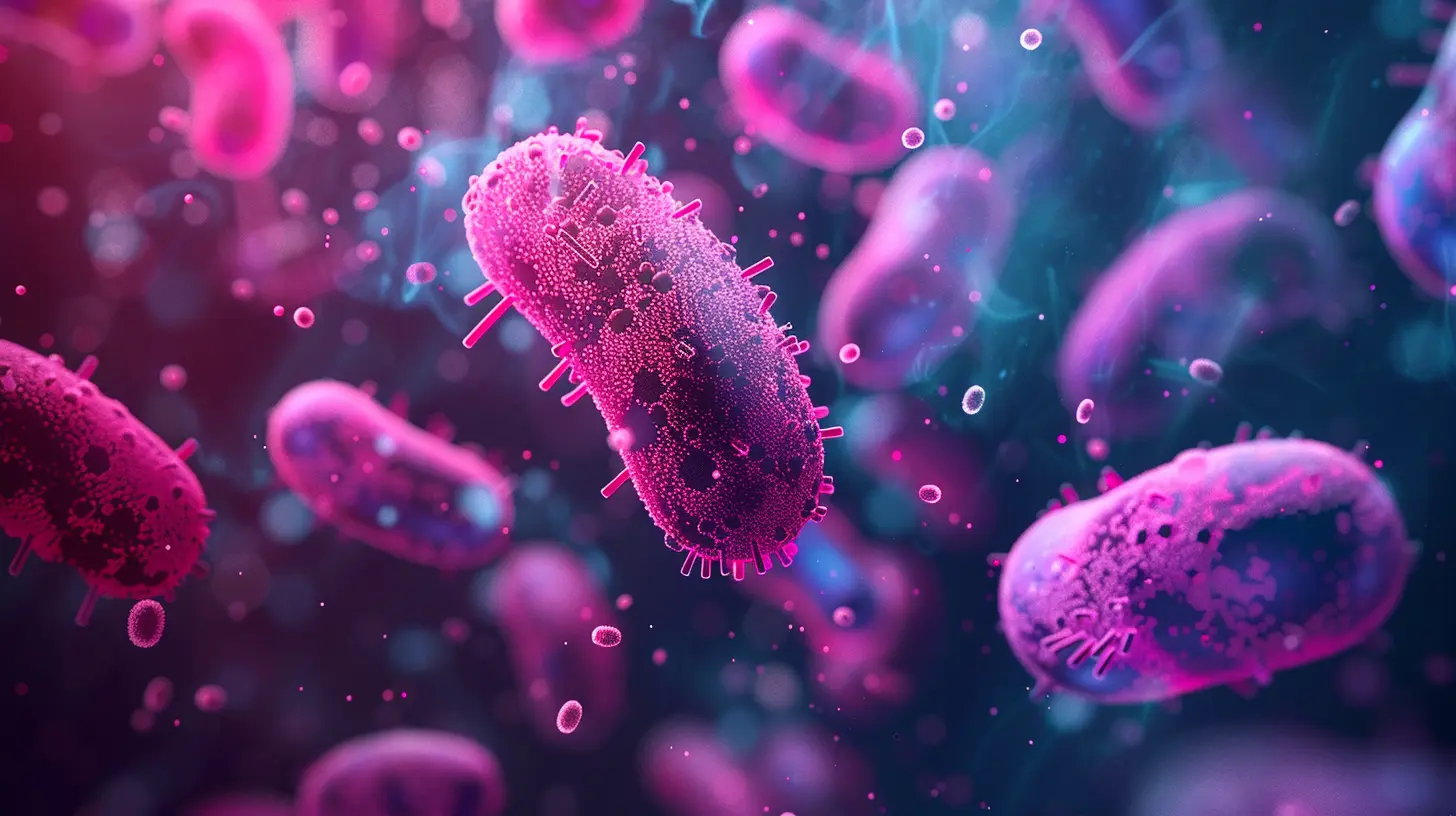
What Are Probiotics, and Why Should You Care?
Before we dive into the immune system magic, let’s get one thing straight—what exactly are probiotics? Simply put, they’re live beneficial bacteria that live inside your gut and fight to keep things balanced. Imagine them as your body’s personal security team, constantly protecting you from the bad guys (harmful bacteria, viruses, and toxins).You can find probiotics in:
- Yogurt (the real kind, not the sugar-loaded nonsense!)
- Kefir (the tangy cousin of yogurt)
- Sauerkraut (fermented cabbage—sounds weird but works wonders)
- Kimchi (spicy, fermented goodness from Korea)
- Kombucha (trendy, fizzy, and packed with gut-friendly microbes)
So, why does all this matter? Because your gut and immune system are besties for life. 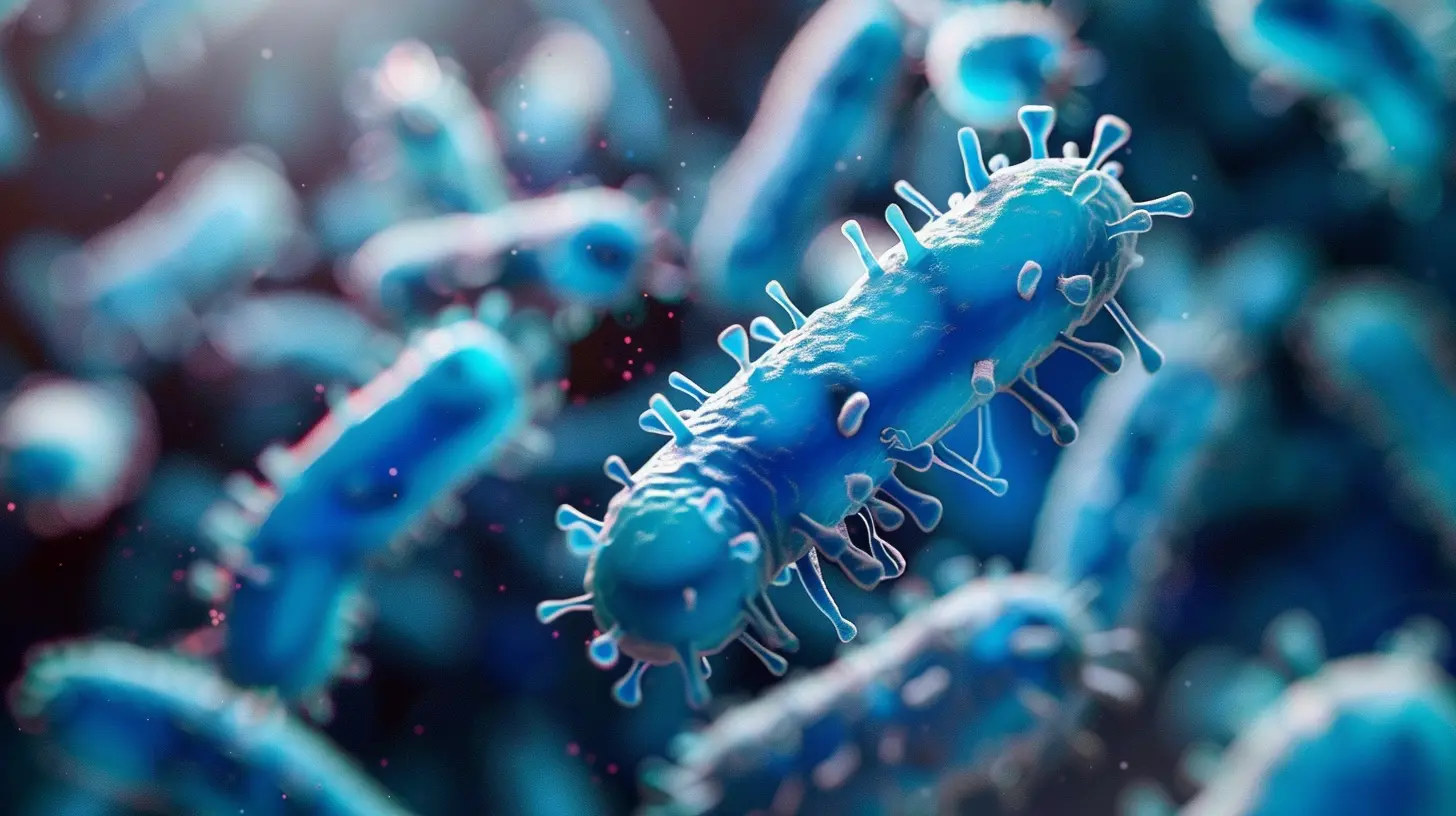
How Your Gut Is Connected to Your Immune System
Did you know that 70% of your immune system lives in your gut? Mind-blowing, right? Your gut microbiome (a fancy way of saying the billions of bacteria that live in your intestines) is constantly communicating with your immune cells, coaching them on how to fight off infections.Here’s how it works:
1. Probiotics Strengthen Your Gut Barrier – Think of your gut lining as a nightclub bouncer. If it’s weak, harmful bacteria sneak in and cause chaos. Probiotics help reinforce this barrier, keeping the bad guys out.
2. They Regulate Immune Responses – Your immune system can sometimes go overboard (hello, autoimmune diseases!). Probiotics help keep it balanced, preventing unnecessary inflammation.
3. They Compete with Bad Bacteria – The more good bacteria in your gut, the less space for harmful ones to thrive. It’s like a turf war, and you want the good guys to win! 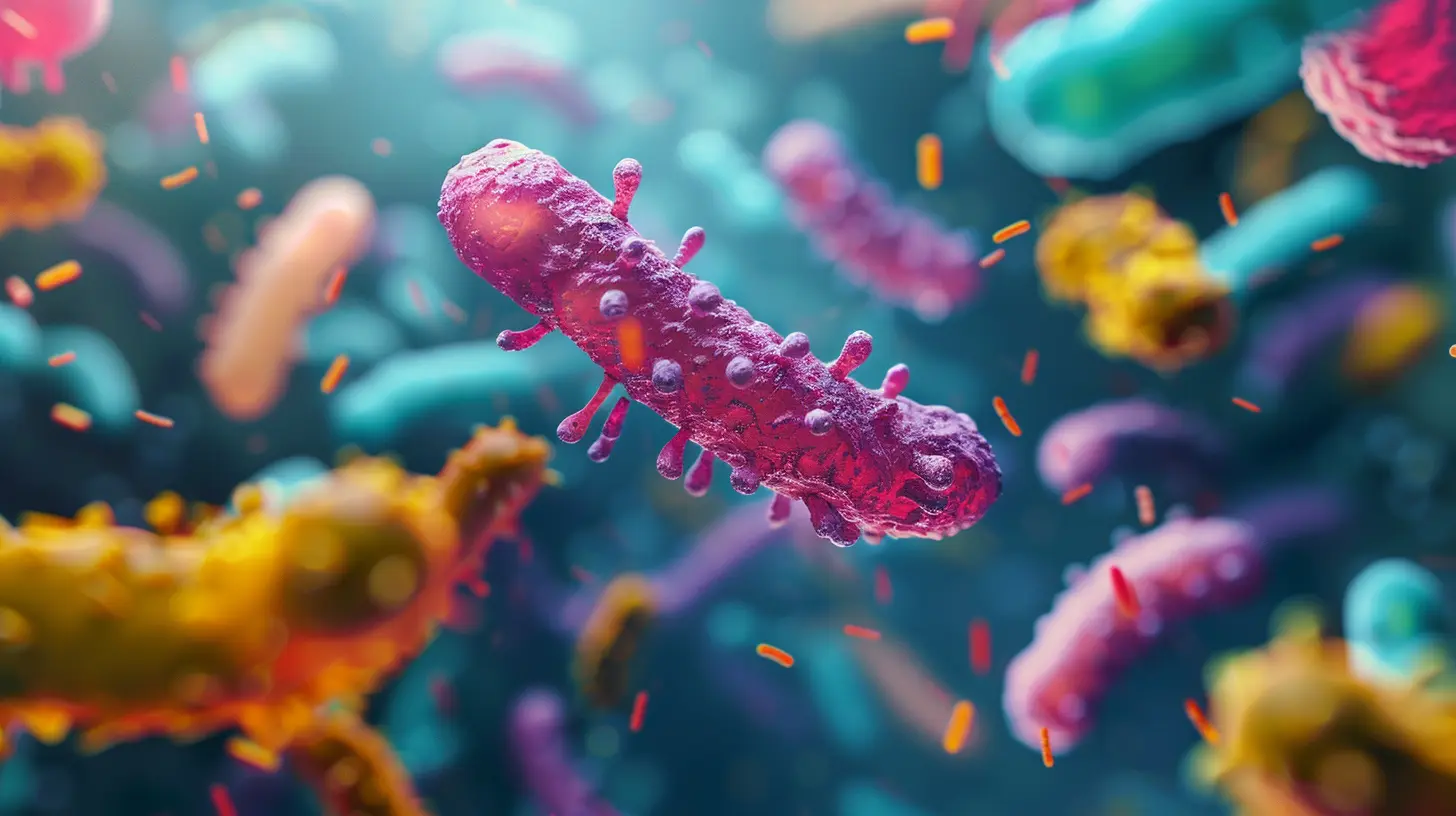
Probiotics and Their Role in Immunity
Now, let's get into the juicy part—how exactly do probiotics supercharge your immune system?1. They Reduce Inflammation
Chronic inflammation is like that one friend who overstays their welcome. It damages your body over time, leading to conditions like heart disease, diabetes, and even cancer. Probiotics help reduce unnecessary inflammation by producing anti-inflammatory compounds and keeping your immune system in check.2. They Boost Antibody Production
Your immune system creates antibodies to fight off infections. Probiotics stimulate the production of these antibodies, making your body better equipped to handle nasty invaders like viruses and bacteria.3. They Help Prevent Respiratory Infections
Ever noticed how some people never seem to get sick while others catch everything? The secret could be in their gut! Studies show that consuming probiotics can reduce the risk of respiratory infections, including the common cold and flu.4. They Improve Gut-Brain Communication
Believe it or not, your gut and brain are constantly chatting through the gut-brain axis. A well-balanced gut microbiome can enhance mood, reduce stress, and even improve sleep, all of which contribute to a stronger immune system.5. They May Help with Autoimmune Diseases
Autoimmune diseases occur when your immune system mistakenly attacks your own body. Probiotics can help regulate immune responses and potentially reduce symptoms in conditions like rheumatoid arthritis, lupus, and multiple sclerosis.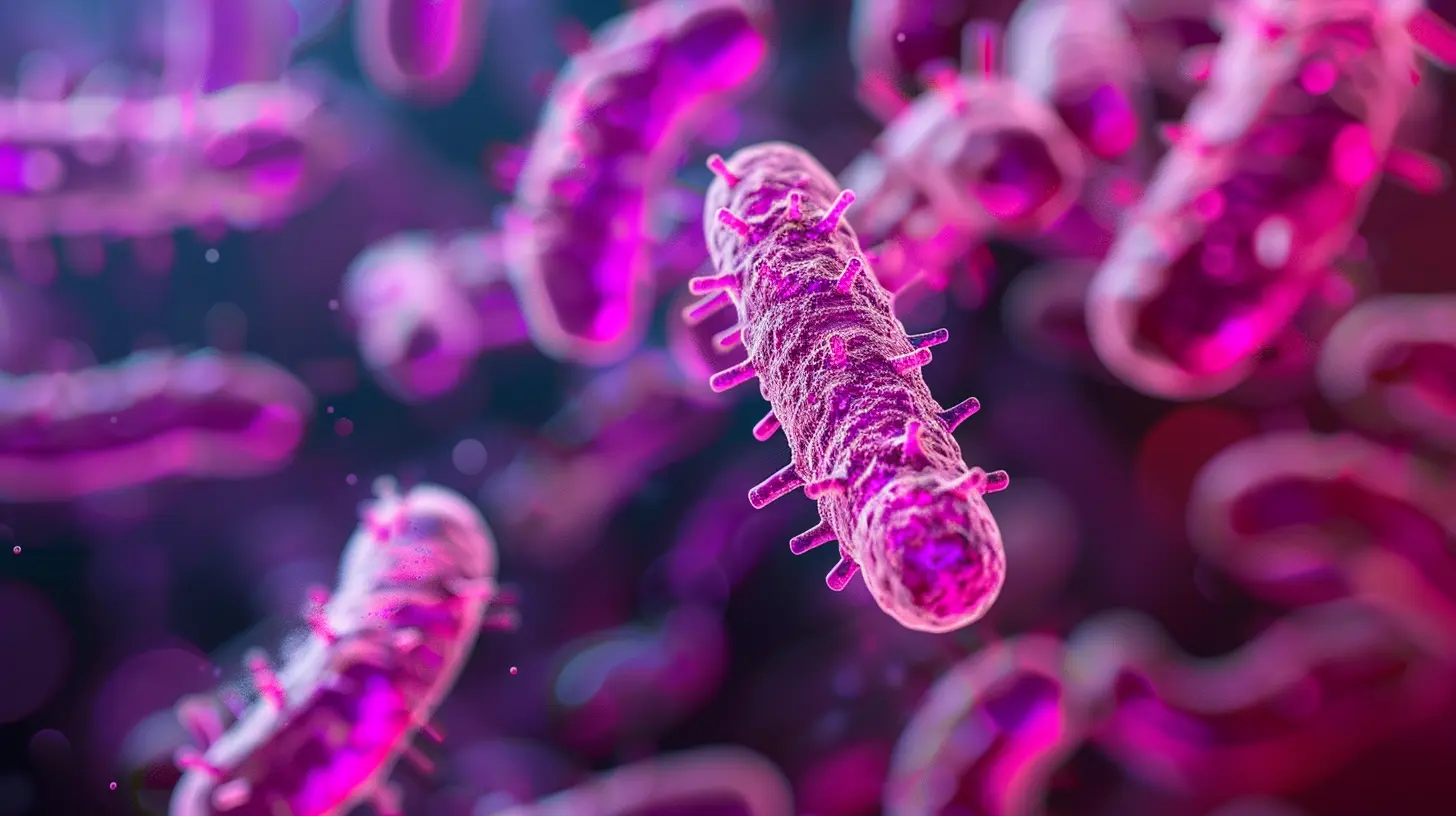
Best Probiotic Strains for Immune Support
Not all probiotics are created equal. If you're serious about boosting immunity, look for these powerful strains:- Lactobacillus rhamnosus GG – Helps prevent respiratory infections and improves gut health.
- Bifidobacterium bifidum – Strengthens the gut barrier and supports immune function.
- Saccharomyces boulardii – A yeast-based probiotic that fights harmful bacteria and supports digestion.
- Lactobacillus acidophilus – Helps boost the body's antibody production.
- Bifidobacterium lactis – Known for its ability to reduce inflammation and enhance immunity.
Adding Probiotics to Your Daily Routine
Now that you know probiotics are basically your immune system’s best friend, how do you make sure you're getting enough?1. Eat More Fermented Foods
Fermented foods like yogurt, kimchi, and sauerkraut are natural sources of probiotics. Aim to include them in your diet daily.2. Take a High-Quality Probiotic Supplement
Not a fan of fermented foods? No problem! High-quality probiotic supplements can fill the gap. Just make sure you choose one with multiple strains and at least 10 billion CFUs (colony-forming units).3. Feed Your Probiotics with Prebiotics
Probiotics need food to thrive, and that’s where prebiotics come in. Foods like bananas, garlic, onions, and oats provide the fiber probiotics need to grow stronger.4. Stay Hydrated
Water helps good bacteria flourish, so drink plenty of fluids to keep your gut microbiome happy.5. Reduce Processed Foods and Sugar
Junk food and sugar feed bad bacteria, leading to an imbalanced gut. Cut down on processed foods to allow the probiotics to do their job effectively.The Bottom Line: Probiotics Are Your Immune System’s Secret Weapon
Your immune system is only as strong as your gut health, and probiotics are the real MVPs when it comes to fighting off illnesses and infections. By adding probiotic-rich foods or supplements to your daily routine, you’re giving your immune system the support it needs to keep you healthy, strong, and unstoppable.So, next time you see a bottle of kombucha or a bowl of kimchi, don’t just walk past it—your immune system will thank you!
all images in this post were generated using AI tools
Category:
ProbioticsAuthor:

Eileen Wood
Discussion
rate this article
2 comments
Audrey McGinnis
Thank you for this insightful article! It’s fascinating to learn about the link between probiotics and immune health. I appreciate the clear explanations and practical tips provided. Understanding how our gut influences our overall well-being is vital in today’s health landscape. Looking forward to more posts!
February 27, 2026 at 4:47 AM
Eileen Wood
Thank you for your kind words! I'm glad you found the article insightful. Stay tuned for more posts on gut health!
Emmeline Bailey
Evidence still inconclusive overall.
January 26, 2026 at 3:50 PM
Eileen Wood
Thank you for your input! Continued research is essential to fully understand the impact of probiotics on the immune system.