Prebiotics vs Probiotics: Understanding the Difference and Benefits
20 August 2026
If you've ever found yourself browsing the supplement aisle or reading nutrition labels and thinking, “Prebiotics? Probiotics? Aren’t they the same thing?”, you’re not alone. They sound similar, they both are linked to gut health, and they’re often found on the same shelf. But here's the kicker — they play totally different roles in your body.
In this guide, we’re diving headfirst into the world of prebiotics and probiotics. By the time you're done reading, you’ll know exactly what they are, how they help your body, and whether you need one, the other, or both in your daily routine. Ready? Let’s break it all down.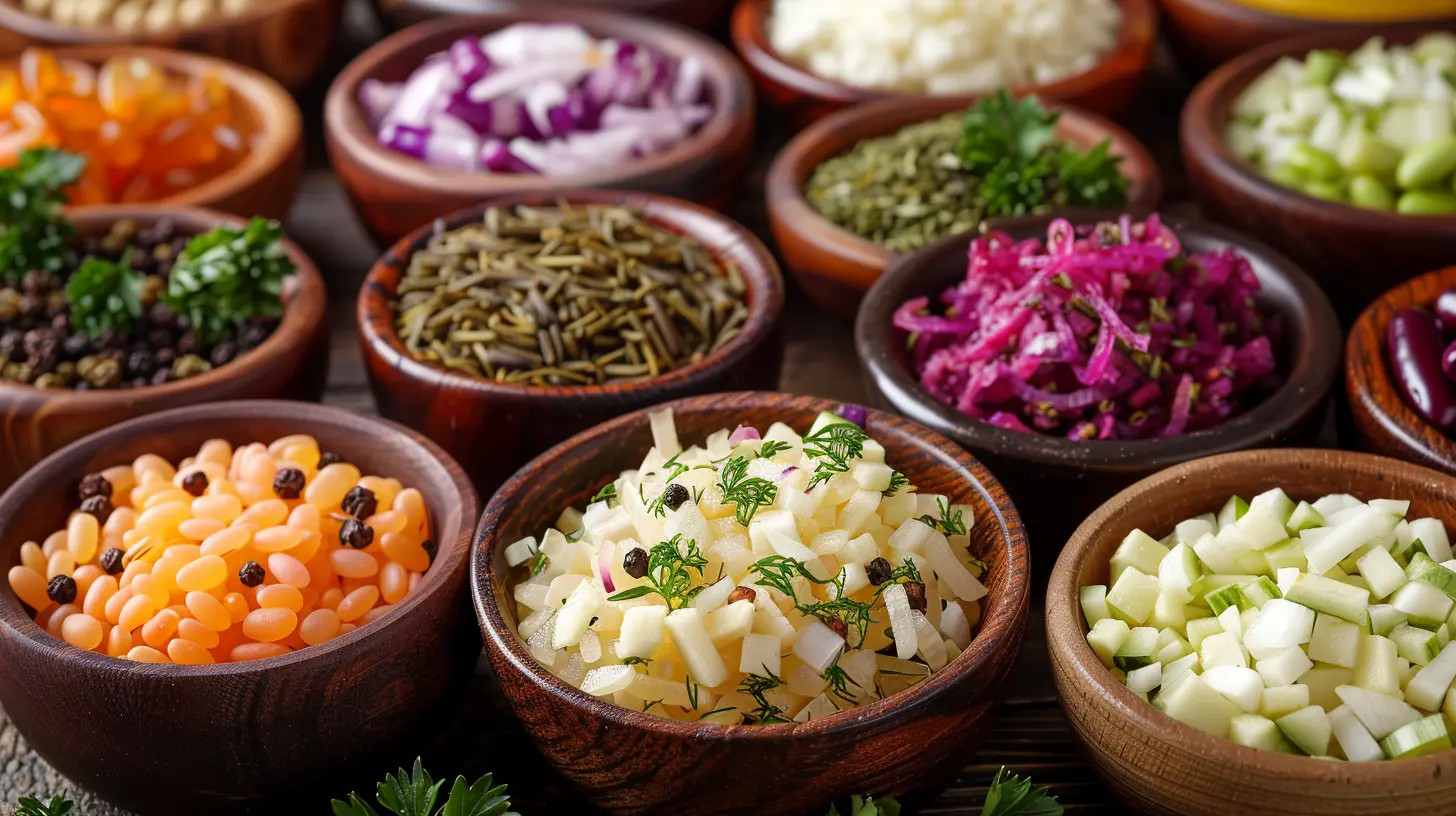
What Are Probiotics?
Let’s start with probiotics, because they usually get the spotlight when it comes to gut health.Friendly Bacteria With A Big Job
Probiotics are live microorganisms — yeah, we’re talking about actual tiny living beings — that are good for you, especially your digestive system. Think of them as your body’s helpful microscopic roommates. They live mostly in your gut and help keep things running smoothly.You’ll mostly find probiotics in fermented foods like:
- Yogurt
- Kefir
- Sauerkraut
- Kimchi
- Miso
- Kombucha
And if fermented foods aren’t your thing? Good news — they come in supplement form too.
What Do Probiotics Actually Do?
Let’s say your gut is like a garden. Probiotics are the friendly bugs (in the best way possible) that keep the garden balanced. They push out the bad guys (like harmful bacteria), help digest your food, and may even boost your mood — seriously, your gut and brain are besties!Here’s how probiotics help:
- Balance your gut microbiome
- Support digestion and nutrient absorption
- Boost immune function
- Help manage symptoms of IBS and other digestive disorders
- Reduce bloating, gas, and constipation
- Promote mental well-being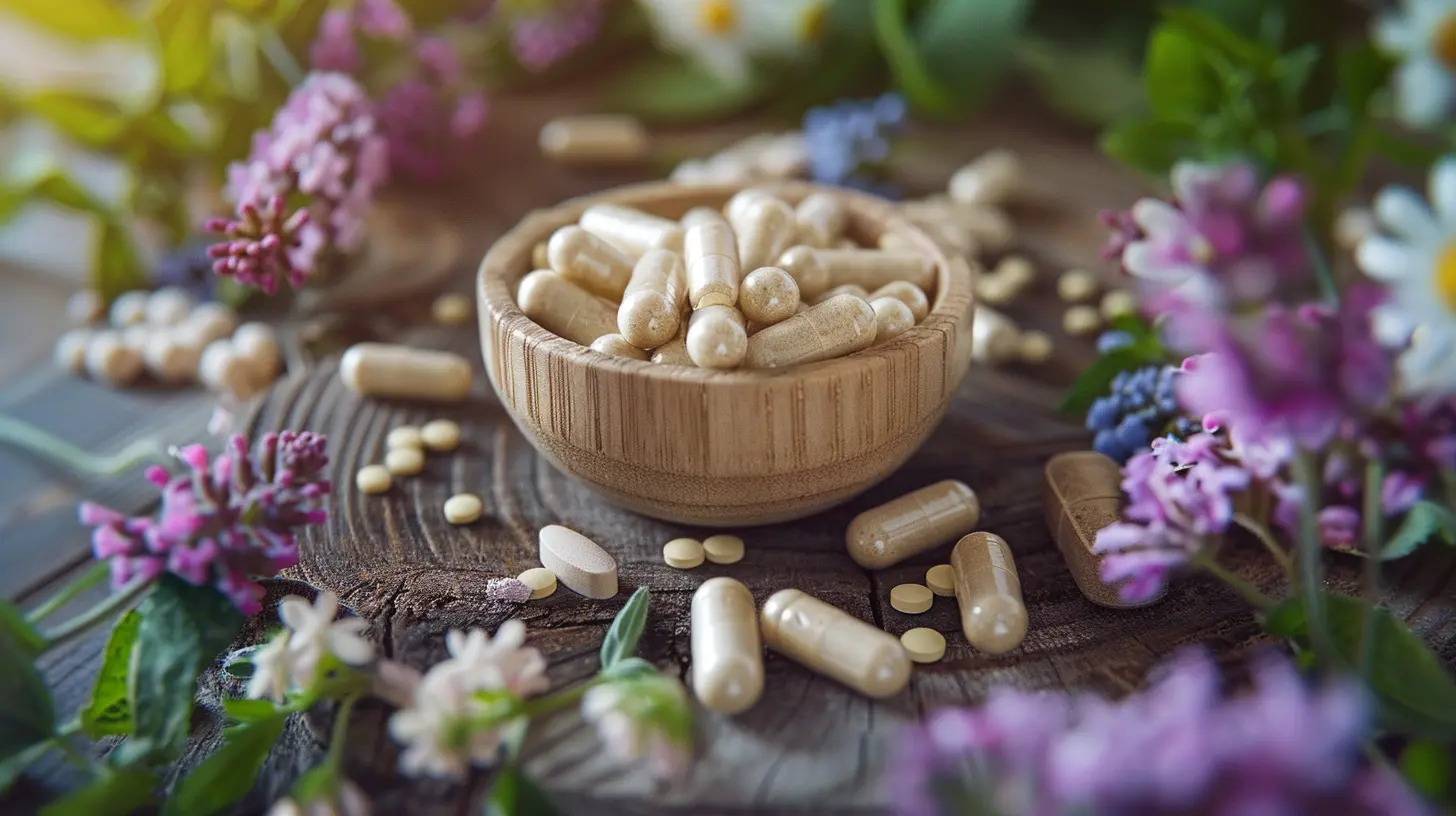
What Are Prebiotics?
Now let’s talk about prebiotics — the unsung heroes in this duo.Food for Your Friendly Bacteria
Prebiotics are not bacteria themselves. Instead, they’re special types of fiber that your body doesn’t digest but your gut bacteria does. Basically, prebiotics are like fertilizer for probiotics. They help feed and nourish the good bacteria so they can thrive.You’ll find prebiotics naturally in foods such as:
- Garlic
- Onions
- Bananas (especially when they’re not fully ripe)
- Asparagus
- Leeks
- Chicory root
- Whole grains like oats and barley
These fibrous foods may not seem glamorous, but they’re gold for your gut bugs.
Why Do You Need Prebiotics?
Without prebiotics, probiotics wouldn’t have much to live on. It’s like trying to grow a plant without soil. You need to fuel the good bacteria to keep your gut microbiome healthy and happy.Here’s how prebiotics help:
- Support the growth of beneficial bacteria
- Improve digestion
- Enhance calcium absorption
- Reduce inflammation
- Strengthen the gut barrier
- Improve metabolic health
Prebiotics vs Probiotics — What’s The Real Difference?
Let’s clear this up once and for all. Even though they sound similar, they’re not interchangeable.| Feature | Probiotics | Prebiotics |
|----------------|--------------------------------------|----------------------------------------|
| What It Is | Live bacteria (the good kind) | Non-digestible food fiber |
| Found In | Fermented foods & supplements | Fiber-rich plant foods |
| Function | Add helpful microbes to your gut | Feed existing good gut bacteria |
| Result | Help balance gut flora | Help probiotics grow and thrive |
Think of it like this: If your gut was a party, probiotics are the awesome guests who bring life to the event. Prebiotics? They're the snacks and music that keep those guests happy and in the mood to stick around.
Do You Need Both?
Short answer? Yup. To really take care of your gut, you need both. It’s a bit like peanut butter and jelly — they’re good on their own, but magic together.Taking probiotics without prebiotics is like buying a bunch of pet fish without fish food. Sure, they might swim around for a while, but they won’t last long unless you feed them.
When you combine both (which some supplements now do — called synbiotics), your digestive system gets a serious upgrade.
Health Benefits of Probiotics and Prebiotics
Let’s talk results. Why should you even care about all this?1. Better Digestion
If you’ve ever struggled with bloating, constipation, or upset stomachs, improving your gut microbiome is key. Probiotics help replenish good bacteria, and prebiotics make sure they’re well-fed. This tag-team effort smooths your digestion and can even speed things up a bit.2. Stronger Immune System
About 70% of your immune system hangs out in your gut. Wild, right? A healthy gut means fewer colds, better virus defense, and even reduced inflammation in your body. Probiotics help by building a stronger gut barrier, while prebiotics keep the immune-boosting microbes flourishing.3. Mental Health Boost
Gut-brain connection is a real thing. A happy gut often means a happier mind. Some studies show that probiotics can reduce symptoms of anxiety and depression, likely because they promote serotonin production (your brain’s happy chemical). Prebiotics indirectly support this by ensuring those feel-good bacteria thrive.4. Weight Management
Now, this is interesting — your gut bacteria could even affect how you gain or lose weight. A balanced gut microbiome helps regulate metabolism, blood sugar, and hunger hormones. Both prebiotics and probiotics can play a role in keeping your weight in check.5. Skin Health
Ever noticed your skin looking better when your digestion is on point? That’s not a coincidence. Acne, eczema, and other skin issues can stem from gut imbalances. Supporting your microbiome with prebiotics and probiotics can help clear things up from the inside out.Can You Get Enough From Food Alone?
Great question. Ideally, yes. Eating a diet rich in fermented and fiber-filled foods can give you a healthy dose of both. But — and this is a big but — most people don’t eat nearly enough prebiotic fiber or probiotic-rich foods daily.That’s why supplements can help fill the gap. Just make sure you’re going for high-quality, tested brands that actually deliver live bacteria (in the case of probiotics) and effective prebiotics.
How to Start Incorporating Prebiotics and Probiotics Into Your Life
No need to overhaul your entire diet overnight. Small, consistent changes go a long way.Easy Ways to Add Probiotics:
- Start your day with a yogurt or kefir smoothie- Snack on fermented pickles or kimchi
- Swap soda for kombucha
- Add miso or tempeh to salads and soups
Easy Ways to Add Prebiotics:
- Slice onions and garlic into your stir-fry or soup- Throw bananas in your oatmeal
- Add asparagus or leeks to your dinner plate
- Include oats, barley, and whole grains in your meals
Get creative! The more variety in your diet, the better your gut will thank you.
Are There Any Side Effects?
Okay, full honesty here — introducing a bunch of new bacteria or fiber to your system might cause some temporary tummy drama. You might get a little bloated or gassy at first, especially if your gut is used to junk food and antibiotics.Our advice? Start slow. Add probiotic-rich foods every few days and increase fiber gradually to give your body time to adjust.
Final Thoughts
So, there you have it. The difference between prebiotics and probiotics isn’t just a technicality — it’s the key to understanding how to truly support your gut and overall health. Think of them as a power duo: the builders and the fuel, the seeds and the soil.Your gut is like the foundation of your health, impacting everything from digestion to immunity to mental well-being. When you feed it right with both good bugs and the fiber they love, you give your body a serious leg up.
Ready to start treating your belly better?
all images in this post were generated using AI tools
Category:
SupplementsAuthor:

Eileen Wood
Discussion
rate this article
1 comments
Selena Parker
Great article! Understanding prebiotics and probiotics is key to better health.
August 20, 2026 at 3:12 AM
Eileen Wood
Thank you! I'm glad you found it helpful. Understanding these concepts really does make a difference in our health.