Nightshade Vegetables and Inflammation: Myth or Reality?
14 October 2026
If you spend enough time in wellness circles, you will eventually hear someone say they "cut out nightshades" and feel dramatically better. Tomatoes, peppers, potatoes, and eggplant get blamed for joint pain, skin flare-ups, brain fog, and just about every inflammatory symptom you can name. Meanwhile, millions of people eat these same foods every day with no obvious problems, and some of the world's most studied eating patterns, including the Mediterranean diet, are built partly on tomatoes and peppers.
So who is right? The honest answer is that both camps are describing something real, but the popular explanation for it is usually wrong. Nightshades are not universally inflammatory, and they are not universally harmless either. The truth sits in the middle, and it depends on the person, the specific plant, the dose, and how the food is prepared. This article breaks down what is actually happening in the body, where the myth came from, who genuinely benefits from reducing these foods, and how to figure out your own situation without guesswork.
What Counts as a Nightshade
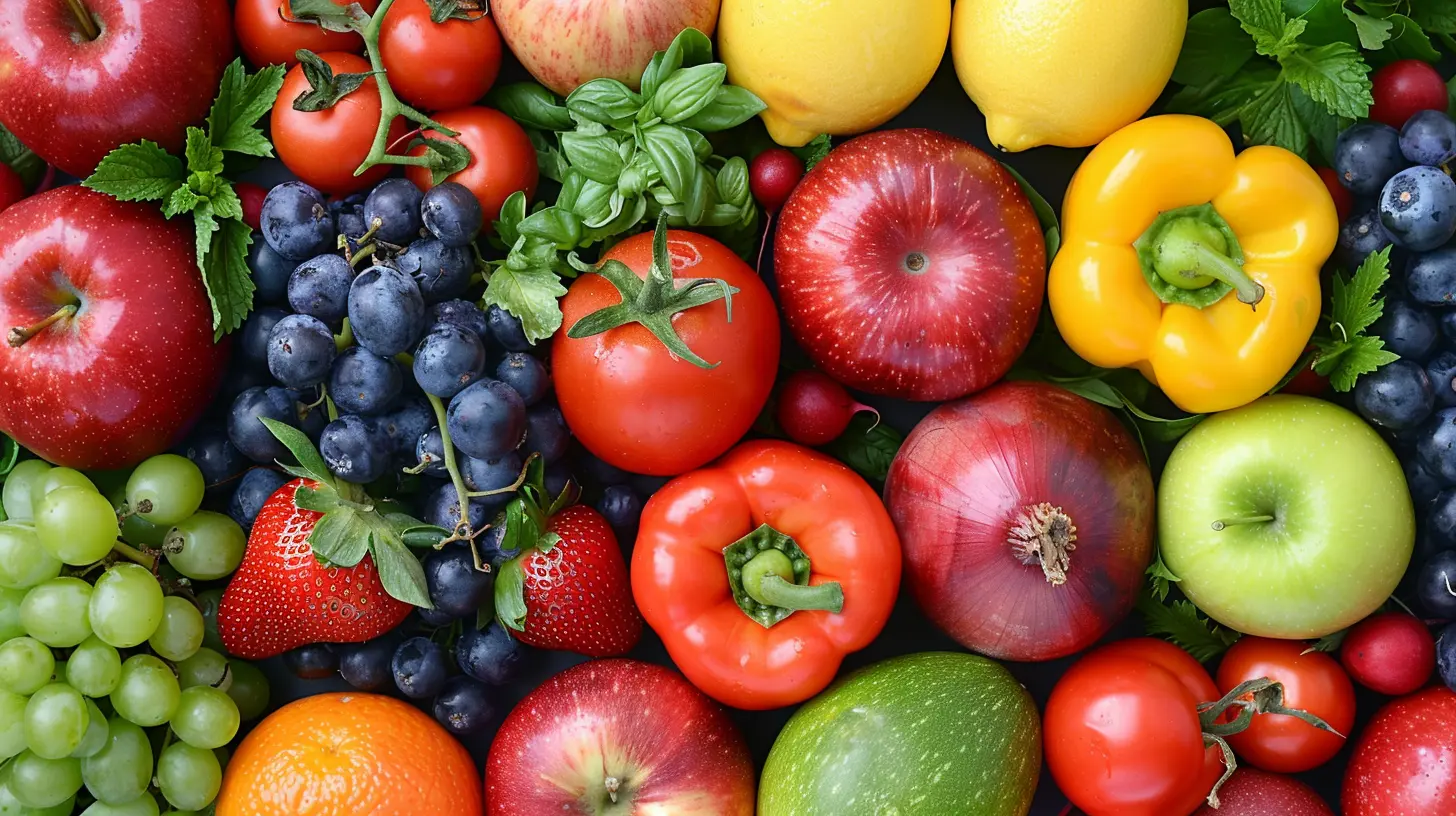
The nightshade family, Solanaceae, is a large group of flowering plants. The edible members that matter for most diets include:- Tomatoes and tomatillos
- Potatoes (but not sweet potatoes, which belong to a different family)
- Eggplant
- Bell peppers, chili peppers, and paprika
- Goji berries
- Ashwagandha, which is a root rather than a fruit
Tobacco also belongs to this family, which is a detail that sometimes gets dragged into the conversation in misleading ways. The fact that tobacco is a nightshade says nothing about whether a tomato is good or bad for you. Family membership is a botanical classification, not a health verdict.
A key point that gets lost: these plants are chemically diverse. A potato and a bell pepper share a family tree, but their nutrient profiles, alkaloid content, and effects on the body are quite different. Treating "nightshades" as one uniform category is the first mistake people make.
Where the Inflammation Claim Comes From
The anti-nightshade argument rests on a few specific compounds. Understanding them explains both why the concern exists and why it is often overstated.Alkaloids
Nightshades produce glycoalkaloids as a natural pesticide. The most discussed are solanine in potatoes and tomatine in tomatoes. In high doses, these compounds are genuinely toxic. Green potatoes and potato sprouts can contain enough solanine to cause nausea, vomiting, and neurological symptoms. That part is not a myth; it is well documented.The leap that gets made is assuming that the trace amounts in a normal ripe tomato or a properly stored potato cause low-grade inflammation in humans. There is no solid evidence that this happens in the general population at typical dietary intakes. The dose makes the poison, and food-level doses are far below toxic thresholds.
Lectins
Lectins are proteins that bind to carbohydrates. They appear in many plant foods, not just nightshades. Raw or undercooked kidney beans are the classic example of a lectin problem, and they can cause serious gastrointestinal distress. But cooking largely deactivates the lectins in most foods people actually eat. Potatoes and tomatoes are rarely eaten raw in large amounts, and cooking reduces the concern substantially.Capsaicin
Capsaicin is the compound that makes chili peppers hot. Interestingly, the research on capsaicin leans in the opposite direction from the anti-nightshade narrative. It interacts with TRPV1 receptors and has been studied for potential pain-modulating and anti-inflammatory effects in certain contexts. That does not mean chili peppers soothe every inflammatory condition, but it undercuts the idea that all nightshade compounds are pro-inflammatory.The Real Mechanism People Are Describing
When someone genuinely feels worse after eating nightshades, the most plausible explanations are usually one of these:1. A true allergy or oral allergy syndrome, often cross-reactive with pollen
2. A sensitivity to capsaicin causing gut irritation, not systemic inflammation
3. A reaction to histamine, since tomatoes and eggplant are histamine-liberating foods
4. Gut microbiome disruption from a specific food in a specific person
5. Coincidence, because inflammation fluctuates on its own
Notice that none of these require nightshades to be inherently inflammatory. They describe individual reactions to specific compounds. That distinction matters enormously for how you should respond.
The Evidence for Nightshades Being Anti-Inflammatory
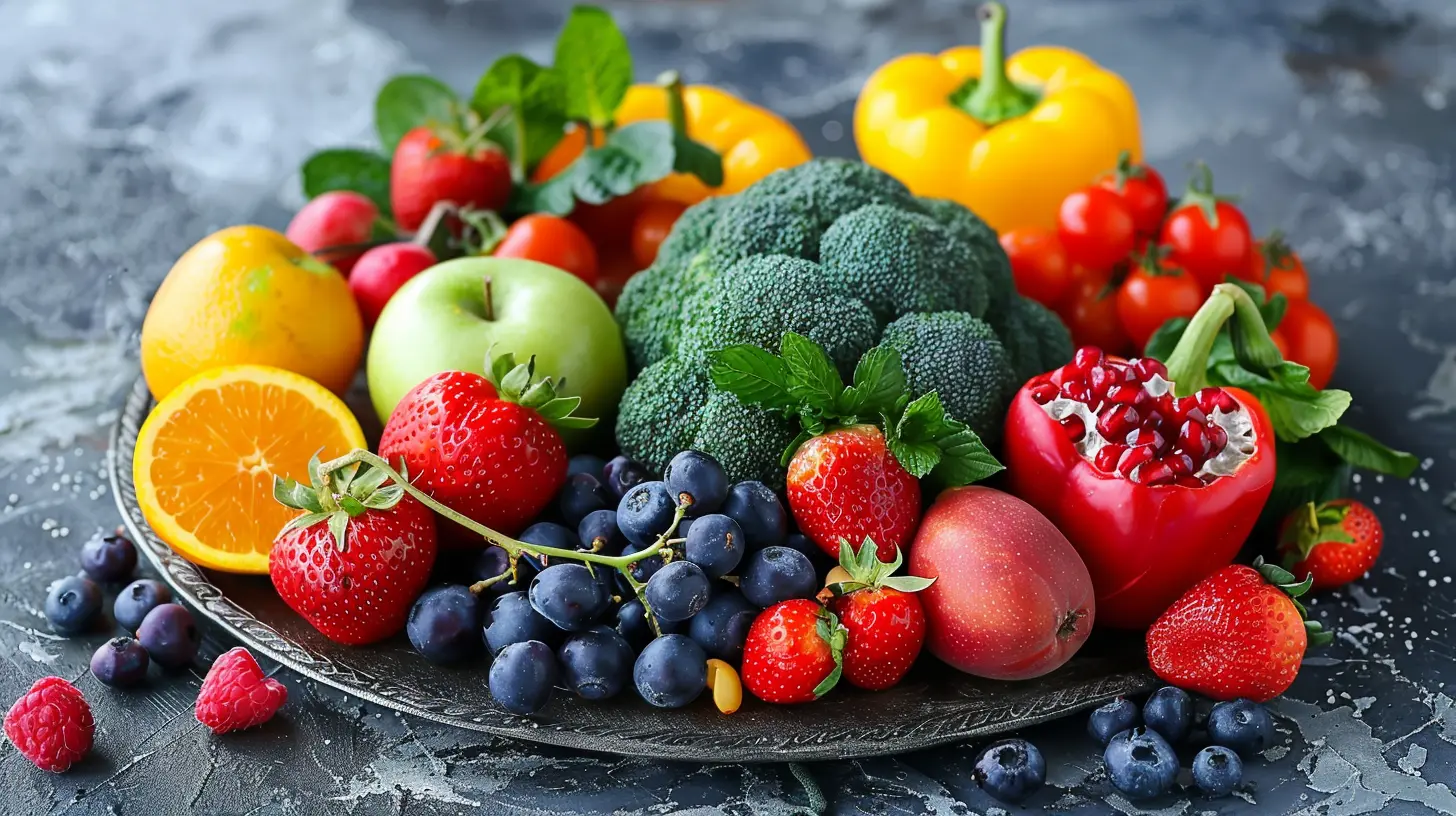
Here is where the myth runs into a wall of nutritional science. Many nightshades are among the most anti-inflammatory foods studied.Tomatoes are a major dietary source of lycopene, a carotenoid linked in observational research to lower markers of oxidative stress and reduced risk of certain chronic diseases. Cooking tomatoes with olive oil increases lycopene absorption, which is one reason tomato-based Mediterranean dishes are considered protective rather than harmful.
Bell peppers are dense in vitamin C, which functions as an antioxidant and supports immune regulation. Red bell peppers contain more vitamin C by weight than oranges.
Eggplant provides anthocyanins, particularly in the skin, and chlorogenic acid, both of which have been examined for antioxidant activity.
Potatoes, when prepared without deep frying, contribute potassium, vitamin C, and resistant starch, especially when cooled after cooking. Resistant starch feeds beneficial gut bacteria and supports the production of short-chain fatty acids like butyrate, which is broadly anti-inflammatory in the gut.
So the category contains both potentially irritating compounds and well-established anti-inflammatory nutrients. That is the nuance the internet tends to flatten.
Why the Myth Persists
Several forces keep the nightshade-inflammation story alive, and understanding them helps you evaluate similar claims in the future.Elimination diets produce real relief, but for the wrong reasons. When someone removes nightshades, they often remove a lot of other things at the same time: fried foods, processed snacks, excess sodium, alcohol. The improvement may come from those changes, not from the nightshades.
Confirmation bias is powerful. If you believe tomatoes cause your joint pain, you will notice every flare-up after eating them and overlook the ones that happen anyway.
Autoimmune communities share experiences. People with rheumatoid arthritis, psoriasis, and lupus often trade anecdotes about triggers. Shared experience is valuable, but it is not the same as controlled evidence, and it can harden into dogma.
Selling elimination is easier than selling moderation. A simple rule, "avoid nightshades," is more marketable than "identify your individual triggers through structured testing." Simple rules spread faster.
Who Might Genuinely Benefit From Reducing Nightshades
Despite the overgeneralization, there are specific situations where cutting back is reasonable and worth trying.People With Confirmed Autoimmune Conditions and Persistent Symptoms
Some individuals with rheumatoid arthritis or psoriasis report symptom improvement when they reduce nightshades. The evidence here is mostly anecdotal and small-scale, not definitive. But when standard treatment is optimized and symptoms remain, a structured trial is low-risk and can provide useful information. The key word is structured. Randomly avoiding foods for years tells you nothing.People With Known Sensitivities
If you have oral allergy syndrome related to birch or grass pollen, you may react to raw tomatoes or peppers because of cross-reactive proteins. Cooking often reduces the reaction. This is an allergy issue, not an inflammation issue, and it should be managed as such.People With IBS or Sensitive Guts
Capsaicin and the acids in tomatoes can irritate a sensitive gut lining. This produces local symptoms like burning, urgency, or reflux. Again, this is irritation, not systemic inflammation, but the practical advice is the same: reduce or modify.People With Histamine Intolerance
Tomatoes, eggplant, and potatoes can contribute to histamine load. If you have a diagnosed histamine intolerance, these foods may worsen symptoms. A clinician familiar with the condition can help you manage it.Notice that in every case, the recommendation is targeted, not blanket. Nobody needs to avoid nightshades just because they are nightshades.
How to Test Your Own Response Properly
If you suspect nightshades affect you, do not guess. Run a clean experiment.Step 1: Establish a baseline. Track your symptoms for two weeks while eating normally. Note joint pain, skin, digestion, energy, and sleep on a simple scale. This gives you something to compare against.
Step 2: Remove all nightshades for three to four weeks. This includes the obvious ones and the hidden ones: paprika, cayenne, chili powder, potato starch, and some spice blends. Read labels carefully.
Step 3: Reintroduce one at a time. Start with a single food, like tomatoes, in a normal portion. Eat it for two to three days and watch for changes. Then wait a few days before testing the next one, such as peppers.
Step 4: Record everything. If symptoms return only with a specific food and disappear when you remove it again, you have a real signal. If nothing changes, you have your answer, and you can stop worrying about it.
Step 5: Consider preparation. A raw tomato and a slow-cooked tomato sauce are different exposures. A baked potato and a plate of fries are different foods entirely. Test the version you actually eat.
This process takes about two months if done properly. That sounds long, but it produces information you can trust for the rest of your life. A permanent elimination based on a hunch is a much bigger cost.
Common Mistakes People Make
Cutting nightshades without cutting anything else. If you also stop eating fast food and start sleeping better, you will not know what helped.Assuming a reaction means permanent avoidance. Many sensitivities are dose-dependent or preparation-dependent. You might tolerate cooked tomatoes but not raw, or a small amount of paprika but not a bowl of chili.
Ignoring the actual anti-inflammatory foods you are removing. Losing tomatoes and peppers can reduce your intake of vitamin C, lycopene, and potassium. If you eliminate, you need to replace those nutrients deliberately. Otherwise, you may trade one problem for another.
Confusing irritation with inflammation. A burning stomach after spicy food is not the same as elevated CRP or joint swelling. The distinction affects how seriously you should treat the symptom and what you should do about it.
Trusting a test over your own experience. Food sensitivity tests sold online have a poor track record for accuracy. Your own structured reintroduction is more reliable for most people.
Practical Guidance for Different Goals
If you have no symptoms and feel fine: Eat your tomatoes, peppers, and potatoes. They are nutritious, affordable, and enjoyable. There is no reason to remove them preemptively.If you have a diagnosed autoimmune condition: Work with your rheumatologist or dietitian. Optimize treatment first. If symptoms persist, a structured nightshade trial is a reasonable experiment, not a mandatory rule.
If you have digestive symptoms: Look at preparation and portion size before eliminating the whole category. Cooked, peeled, and seeded tomatoes are gentler than raw ones. Sweet bell peppers are gentler than hot chilies.
If you are cooking for someone with a suspected sensitivity: Keep the nightshades separate rather than removing them from shared meals. A tomato sauce on the side lets everyone eat well without one person dictating the whole menu.
If you are pregnant, breastfeeding, or managing a child's diet: Do not eliminate entire food groups without professional guidance. Nutrient needs are higher, and unnecessary restriction carries real costs.
The Bottom Line
Nightshades are neither villains nor miracle foods. They are a botanically related group of plants that contain a mix of potentially irritating compounds and well-documented beneficial nutrients. For most people, they are a healthy part of the diet and do not drive inflammation. For a smaller group, specific nightshades in specific forms may trigger real symptoms, and a careful, structured trial can identify whether that applies to you.The myth persists because it offers a simple answer to a complicated problem. Real inflammation is influenced by sleep, stress, body weight, gut health, physical activity, smoking, alcohol, and overall diet quality. Blaming a tomato is easier than addressing those factors, but it rarely solves anything.
If you suspect nightshades are a problem, test it properly, change one variable at a time, and let your own data guide you. If you have no reason to suspect them, enjoy them. The evidence, on balance, supports the tomato far more than it condemns it.
all images in this post were generated using AI tools
Category:
Health MythsAuthor:

Eileen Wood