Managing Anxiety Through Mindful Movement
31 July 2026
Anxiety. That sneaky little gremlin that pops up uninvited, making your heart race like you’re in the finals of a reality TV show you never signed up for. If you’ve ever had that overwhelming feeling of stress, worry, or straight-up panic, you know how exhausting it can be.
But here’s the good news: You don’t have to let anxiety run the show. One powerful (and fun) way to kick it to the curb is through mindful movement.
Now, I know what you’re thinking—"Mindful what now?" Don’t worry, I’ve got you. Let’s break it down in a way that won’t make your brain short-circuit. 
What is Mindful Movement?
Imagine if exercise and meditation had a baby. That’s mindful movement. It’s all about intentional, focused movement that keeps you present in the moment. Instead of zoning out on your to-do list while half-heartedly pedaling on a stationary bike, mindful movement encourages you to tune into your body, your breath, and your surroundings.This can be anything from yoga and tai chi to dancing in your living room like nobody’s watching (which, let’s be honest, they probably aren't).
The goal? To keep anxiety from hijacking your thoughts and help you feel more grounded, relaxed, and—dare I say—happy. 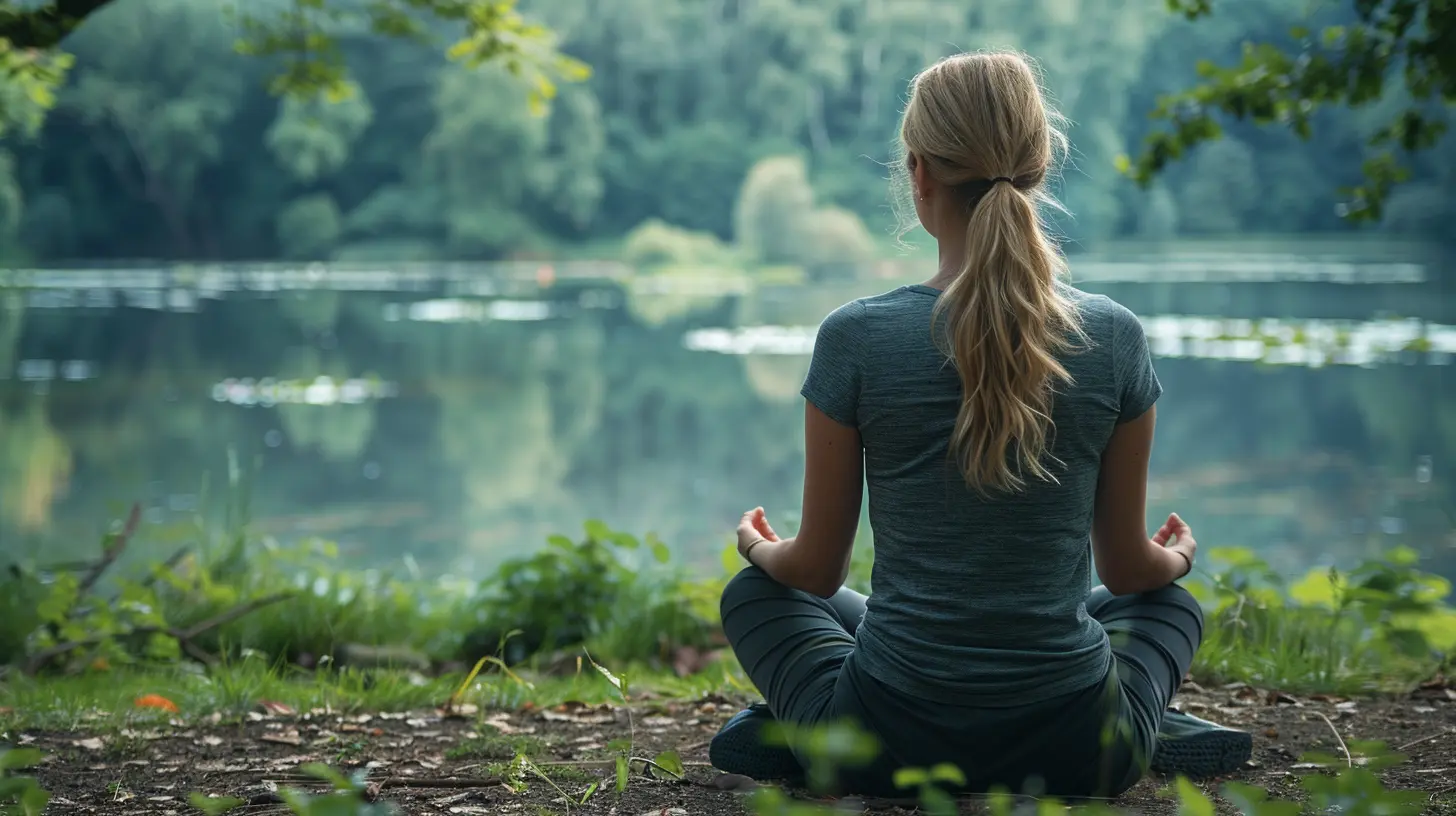
Why Does Movement Help with Anxiety?
Anxiety and stress are basically your brain’s overprotective bodyguards. They're constantly on high alert, thinking that grocery shopping or answering emails is as dangerous as running from a bear.But when you engage in movement—purposeful, mindful movement—you’re telling your nervous system, "Hey, it’s cool. We’re safe. Chill out."
Here’s how it works:
1. Movement Releases Feel-Good Chemicals
Ever heard of endorphins? They’re your brain’s natural mood boosters, and exercise sends them flooding through your system like confetti at a parade.2. It Distracts Your Mind
It's hard to overthink everything you said in 2009 when you're focusing on not toppling over in a yoga pose. Mindful movement pulls your attention away from anxious thoughts and redirects it to your body.3. It Regulates Breathing
Anxiety loves shallow, rapid breathing. Mindful movement encourages deep, controlled breaths, which tell your body you’re not in immediate danger.4. It Releases Tension
Ever noticed that stress turns you into a human pretzel of tight shoulders and clenched jaw? Moving your body helps unravel that tension, making you feel looser and lighter.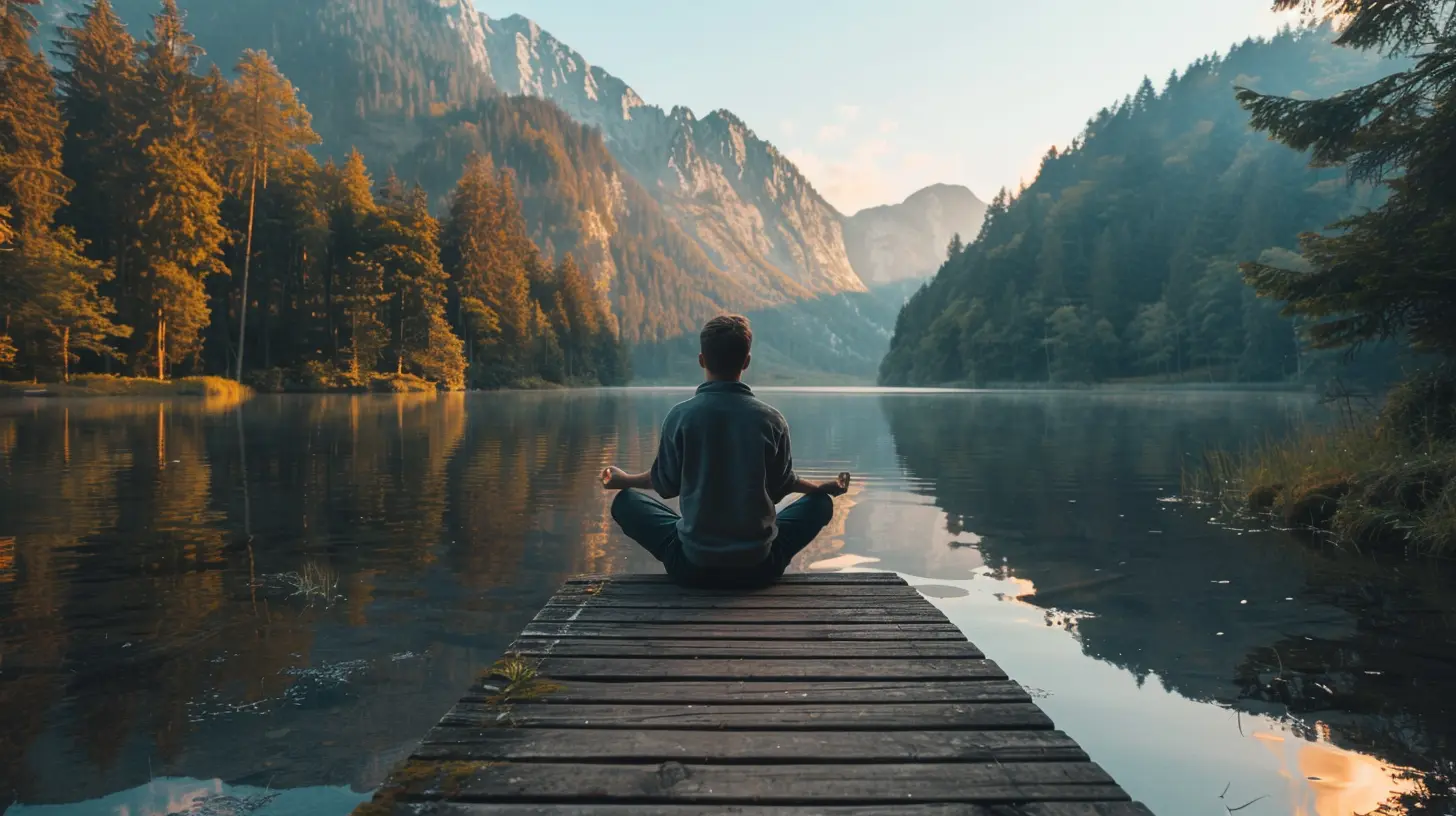
The Best Mindful Movement Practices for Anxiety
So, now that we know mindful movement is basically anxiety’s kryptonite, let’s talk about some awesome ways to incorporate it into your life.1. Yoga: Bending Your Way to Bliss
Yoga isn’t just for people who can touch their toes without groaning. It’s for everyone! The combination of slow, controlled movements and deep breathing works wonders for calming the nervous system.Try this:
- Child’s Pose (for grounding)
- Downward Dog (to stretch things out)
- Savasana (a fancy way of saying “lie down and chill”)
Bonus: You get to call it a workout even when you spend half the session lying on the mat.
2. Tai Chi: Moving Meditation
Tai Chi is like the love child of martial arts and meditation. It involves slow, flowing movements that keep your mind focused and your body relaxed. It's also fantastic for stress reduction and balance (both mentally and physically).Plus, it makes you look super zen—like you have all of life’s answers, even when you’re just trying not to trip over your own feet.
3. Walking: The Underrated Superpower
Yep, something as simple as walking can be one of the best anxiety-busting tools in your arsenal—if done mindfully.Mindful walking means:
- Paying attention to the sensation of your feet hitting the ground
- Noticing the sights, sounds, and smells around you
- Taking deep, steady breaths as you move
Leave the doom-scrolling at home and let yourself actually be where you are.
4. Dancing: Shake Off That Stress
Put on your favorite song and dance like you just won the lottery. Moving freely to music not only releases tension and boosts mood, but it also stops anxiety in its tracks.You don’t need choreography—just let your body do its thing. Bonus points if you dramatically lip-sync into a hairbrush.
5. Stretching: Because Relaxation is a Full-Time Job
A few slow, intentional stretches a day can do wonders for your body and mind. Stretching releases physical tension, increases circulation, and gives you a moment to just breathe and be present.Think of it like hitting the reset button for your nervous system. 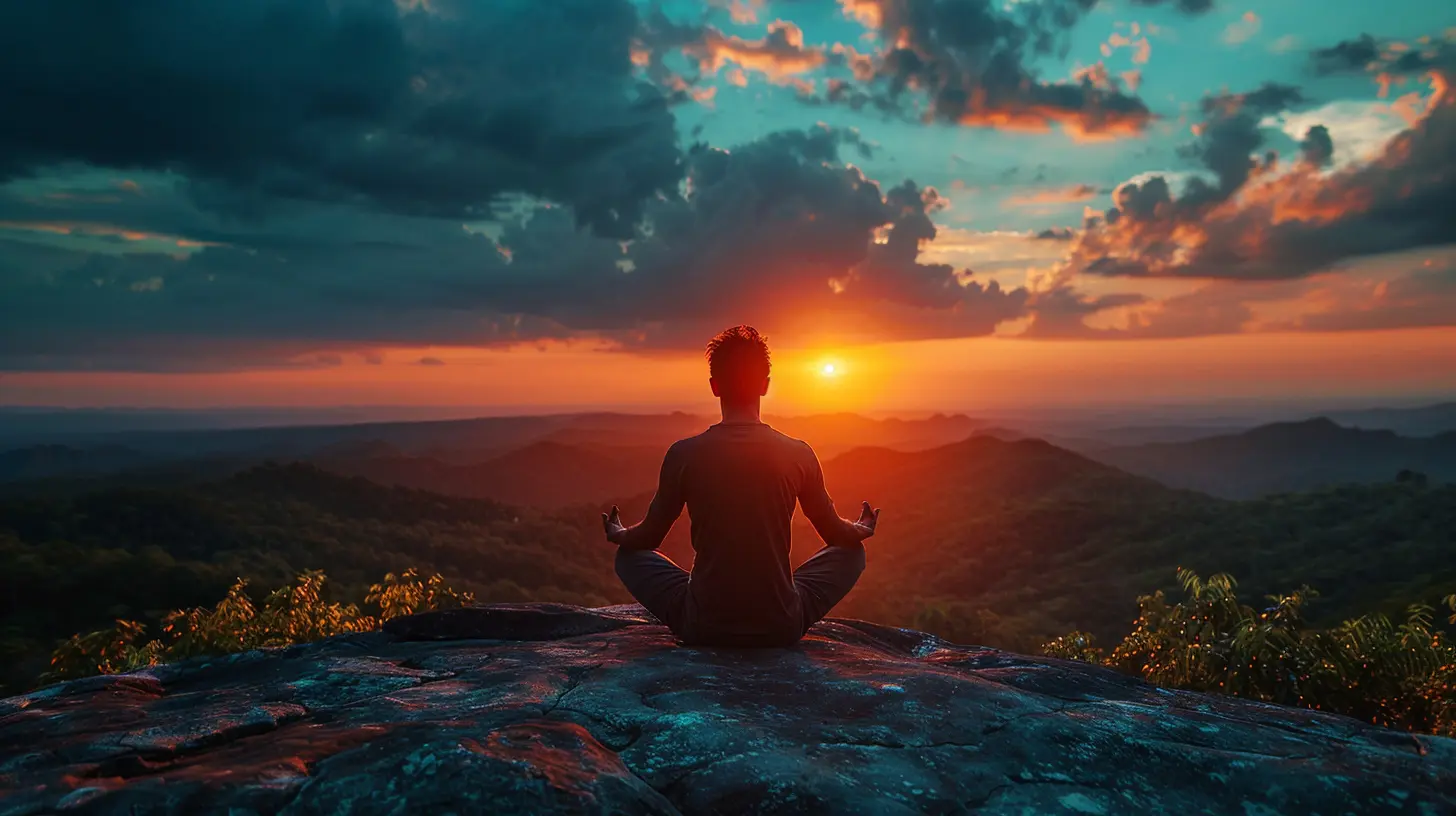
How to Make Mindful Movement a Daily Habit
Now that you're pumped about sending anxiety packing via movement, let’s make sure you actually stick with it.1. Start Small
You don’t need to sign up for a hardcore hour-long session right away. Even 5-10 minutes of mindful movement can make a difference.2. Make It Fun
If you dread it, you won’t do it. So pick something that actually excites you—whether that's yoga, hiking, or having a solo dance party in your kitchen.3. Pair It with Something You Already Do
Tie your mindful movement to a daily habit. Stretch while your coffee brews, do a few yoga poses before bed, or take a walk during lunch.4. Ditch the “All or Nothing” Mentality
Some movement is better than no movement. If you can’t commit to an hour, do what you can. Every bit counts.Final Thoughts
Anxiety might always be lurking in the background, but that doesn’t mean it gets to call the shots. Mindful movement is a simple, enjoyable, and proven way to quiet the chaos in your mind.So whether you're flowing through yoga poses, taking a slow stroll, or busting out some ridiculous dance moves, embrace the moment. Let your body and breath work together to bring you back to the present, where anxiety has no power.
Now go forth and move—your mind will thank you.
all images in this post were generated using AI tools
Category:
Emotional WellnessAuthor:
Eileen Wood
Discussion
rate this article
1 comments
Zephyrine Baxter
This article offers such a gentle reminder of how movement can help ease anxiety. It's inspiring to see practical ways to tune in to our bodies and find peace. Thank you for sharing these valuable insights.
August 5, 2026 at 4:18 AM
Eileen Wood
I'm glad you found the article inspiring. Movement can be a powerful tool for finding peace and managing anxiety. Thanks for your kind words!