Unlocking the Science Behind the Keto Diet: How It Really Works
13 March 2026
The keto diet has been around for decades, but let's be honest—it didn't get super trendy until recently. You’ve probably heard your friends rave about their weight loss results or seen a flood of buttery coffee and bacon-heavy meal pics on Instagram. But underneath the hype, there’s actual science at work. So, what’s really going on inside your body when you ditch the carbs and pile on the fats?
Grab a cup of coffee (black, of course) and let’s break down the ketogenic diet—what it really does, how it affects your body, and why so many swear by it.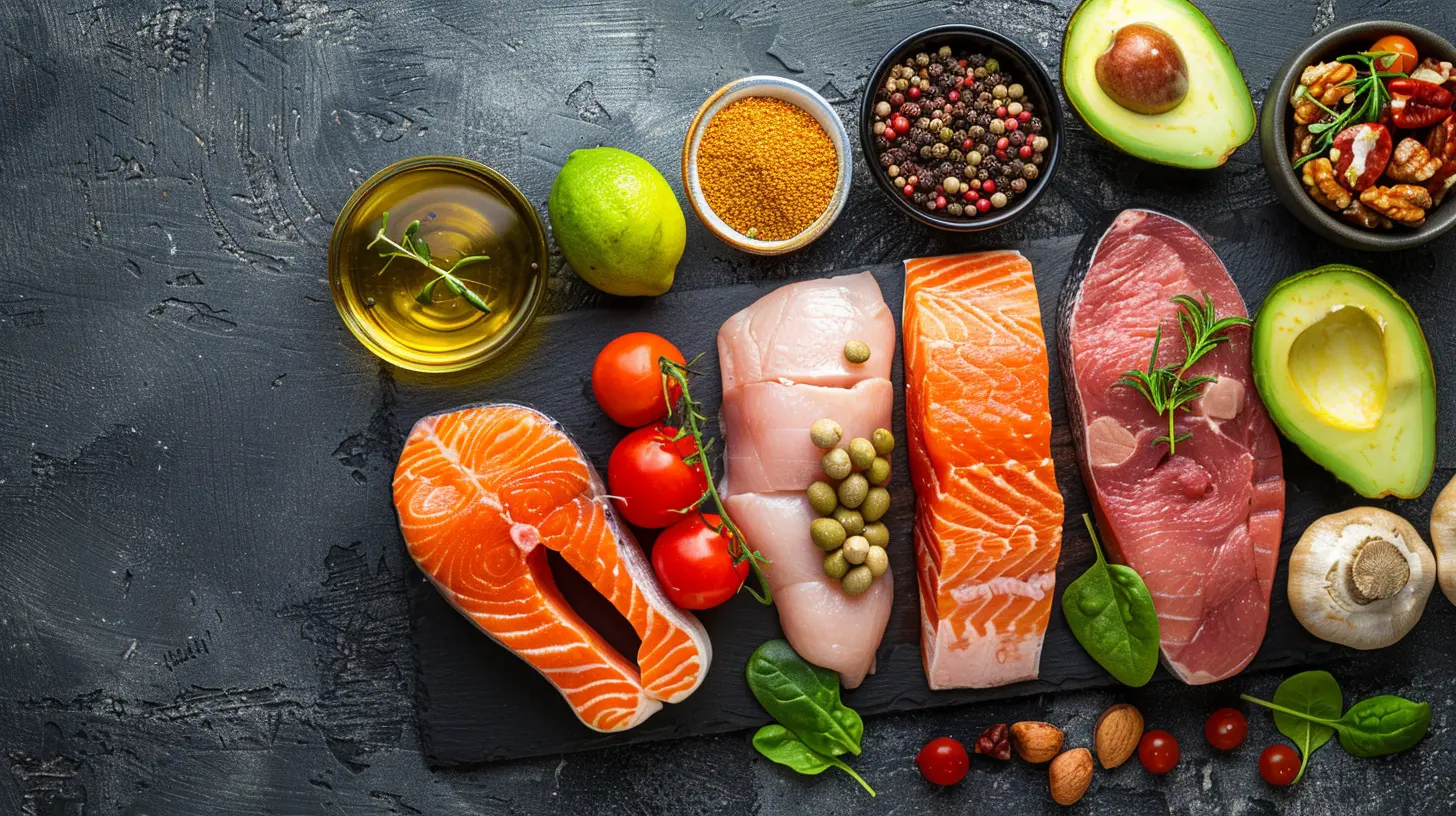
What Is the Keto Diet, Really?
The ketogenic (or “keto”) diet is a high-fat, moderate-protein, and very low-carb eating plan. In simple terms, it flips the traditional food pyramid on its head. Rather than carbs being your main fuel source, the keto diet forces your body to burn fat for energy.Here’s the typical macronutrient breakdown on strict keto:
- Fat: Around 70-75%
- Protein: About 20-25%
- Carbs: Just 5-10% (usually less than 50g per day)
Sounds extreme? It is. But that’s exactly why it works so differently from your standard diet.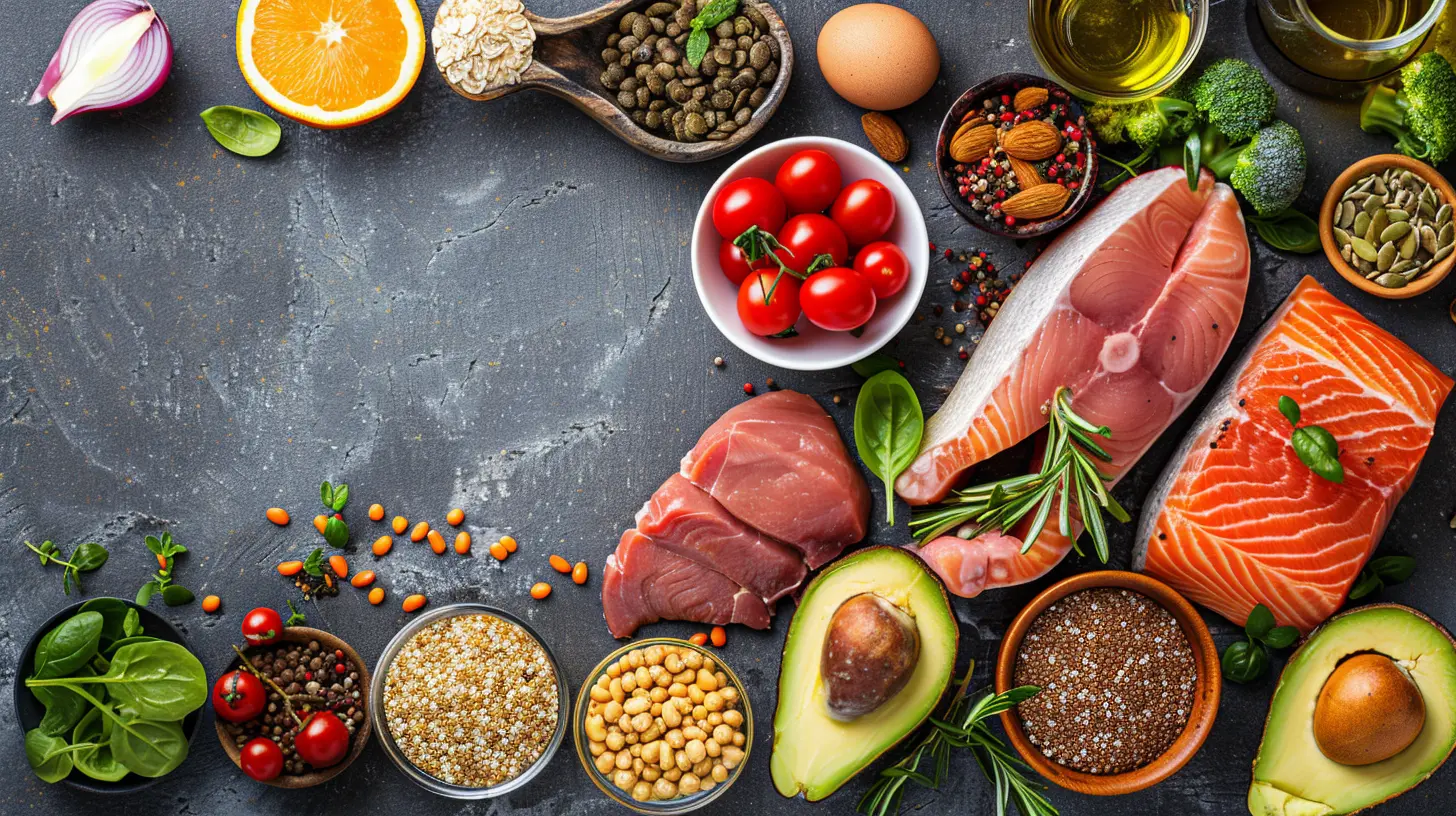
The Science: How Ketosis Works
To understand keto, we need to talk about a special metabolic state called ketosis. It’s the foundation of the entire keto diet.What Is Ketosis?
Ketosis is a natural process your body enters when it doesn't have enough carbs to burn for energy. Normally, your body turns carbohydrates into glucose—a simple sugar that fuels pretty much everything from your muscles to your brain.But when carbs are scarce? Your body needs an alternative. That's where fat comes in.
Your liver starts breaking down fat into molecules called ketones, which then become your new energy source. This shift in fuel is what puts you in a ketogenic state.
Ketones: Your Brain’s Backup Battery
Your brain loves glucose. But when it doesn’t have any? It embraces ketones like a backup battery. This is why many keto followers claim sharper focus and mental clarity—it’s not just hype; it’s your brain running on clean-burning fuel.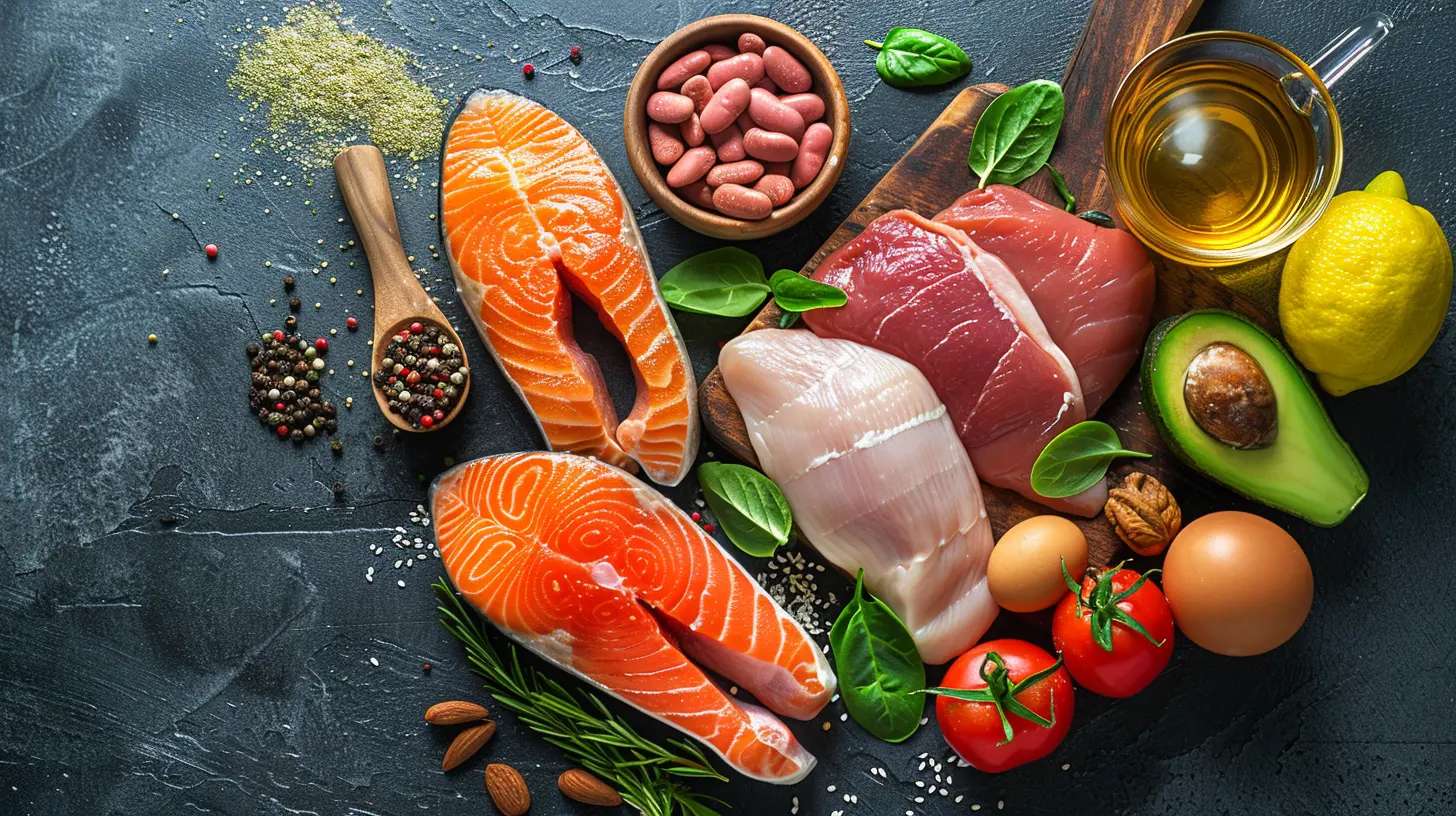
Why Fat Becomes Your Best Friend
Let’s face it—fat has a bad rep. For years, we were told to avoid it like the plague. But on keto, fat becomes your ally.Here’s how fat supports your body on keto:
- Energy: It’s your primary fuel source.
- Hormones: Fat helps balance hormones like insulin and leptin.
- Satiety: It keeps you full longer, helping control cravings.
And here’s the kicker—your body becomes insanely efficient at burning fat, including stored body fat. That’s why people often lose weight quickly on keto, especially in the early weeks.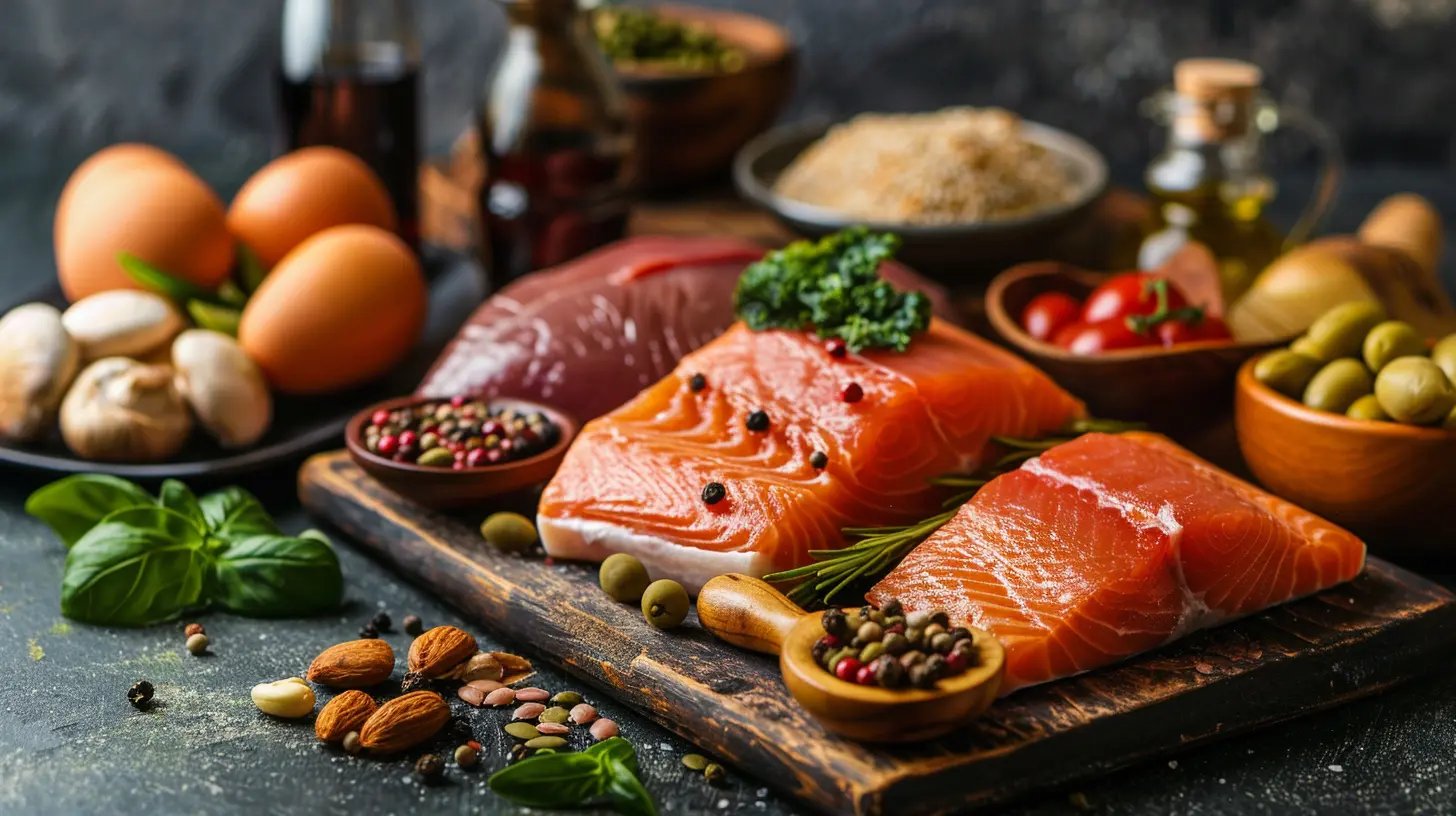
The Role of Insulin and Blood Sugar
One of the biggest behind-the-scenes players on keto is insulin—the hormone that regulates your blood sugar. High-carb meals spike blood sugar, which triggers an insulin response to manage it. Over time, this can lead to insulin resistance (a precursor to type 2 diabetes).Keto’s low-carb nature keeps insulin levels low and steady, which can lead to:
- Better blood sugar control
- Reduced fat storage
- Improved energy levels
Think of insulin as a storage manager. On a high-carb diet, it’s constantly shoving excess sugar into fat cells. On keto, insulin chills out, and your body taps into fat for fuel instead of hoarding it.
Weight Loss on Keto: More Than Just Calories
Ketogenic dieting isn’t just about eating fewer calories—it’s about changing your metabolism. When you enter ketosis, your body becomes a fat-burning machine, both from dietary fat and stored body fat.Also, keto can naturally curb your appetite. When you’re eating high-fat meals, your hunger hormones (like ghrelin) drop, and you feel full longer. That means:
- Less snacking
- Fewer cravings
- Easier portion control
And let’s not forget water weight. In the first week of keto, your body sheds glycogen (stored carbs), which holds water. That’s why you see those dramatic early drops on the scale. But don’t worry—there’s real fat loss under there too.
Common Keto Benefits (Backed by Science)
Keto has a lot more going for it than just weight loss. Let’s break down what else this metabolic shift can do for your body.1. Improves Mental Clarity and Focus
Ketones are like rocket fuel for your brain. Unlike blood sugar, which spikes and crashes, ketones provide a steady stream of energy. Many keto followers talk about enhanced focus, better memory, and clearer thinking.2. Stabilizes Blood Sugar Levels
If you’ve ever had that post-lunch crash, you know what unstable blood sugar feels like. On keto, your blood sugar stays steady throughout the day, helping with everything from mood to energy control.3. Reduces Inflammation
Inflammation is the root of many chronic diseases. Some studies suggest that a high-fat, low-carb diet may help reduce inflammatory markers, improving conditions like arthritis, acne, and even brain fog.4. Boosts Endurance
Endurance athletes sometimes adopt keto to become "fat-adapted." When your body runs on fat instead of glycogen, you can go longer without hitting that dreaded wall of exhaustion.Is Keto Right for Everyone?
Short answer: not always. While keto can offer big benefits, it’s not a one-size-fits-all diet.Who Might Benefit Most:
- People with insulin resistance or type 2 diabetes- Those looking to lose stubborn fat
- Individuals suffering from brain fog or lack of focus
- Athletes looking to improve endurance
Who Should Be Cautious:
- Pregnant or breastfeeding women- People with certain metabolic disorders
- Those with a history of eating disorders
- Anyone on medication for diabetes or blood pressure (talk to your doctor)
Always consult your healthcare provider before starting any new eating plan—especially one as dramatic as keto.
Common Side Effects: The Keto Flu
You’ve probably heard of the dreaded keto flu. It’s not an actual virus, but it sure feels like one during the first week or two.Symptoms can include:
- Headaches
- Fatigue
- Irritability
- Nausea
- Dizziness
Why does it happen? When your body transitions to fat-burning mode, there’s a temporary imbalance of electrolytes and fluids. You can combat keto flu by:
- Drinking plenty of water
- Adding electrolytes (sodium, potassium, magnesium)
- Eating enough fat
Think of it like rebooting a computer—it needs a minute to reset before running smoother than ever.
Foods You Can (and Can’t) Eat on Keto
Here’s a quick-and-dirty guide to what’s allowed and what’s not on a keto diet.Eat Plenty Of:
- Fatty meats (beef, pork, lamb)- Fish and seafood
- Eggs
- Low-carb veggies (spinach, broccoli, zucchini)
- Healthy fats (avocado, olive oil, coconut oil)
- Full-fat dairy (cheese, cream, butter)
- Nuts and seeds (in moderation)
Avoid:
- Bread, pasta, rice- Sugary foods and drinks
- Most fruits (too high in sugar)
- Starchy vegetables (potatoes, corn)
- Processed snacks
If it’s carb-heavy and processed, it’s likely off the menu.
Tips for Keto Success
Starting keto can feel overwhelming, but here are some tips to cruise into ketosis like a pro:- Plan Your Meals: Don’t wing it—know what you’re eating.
- Track Your Macros: Use apps like Carb Manager or MyFitnessPal.
- Read Labels: Carbs hide in sneaky places (looking at you, salad dressings).
- Stay Hydrated: Keto can be dehydrating—drink up!
- Don’t Fear Fat: It’s your new best friend.
- Be Patient: It takes time for your body to adapt.
Final Thoughts: Is Keto Worth Trying?
Look, keto isn’t magic—it’s science. It’s about changing how your body fuels itself. For some, that means rapid weight loss, better focus, and more energy. For others, it might feel too restrictive.But if you’re tired of the blood sugar rollercoaster and want to train your body to burn fat efficiently, keto might just be worth a shot. Done right, it can be a powerful tool in your health arsenal.
And hey, if nothing else, you get to eat bacon without guilt.
all images in this post were generated using AI tools
Category:
Keto DietAuthor:

Eileen Wood
Discussion
rate this article
2 comments
Verity McGinnis
Thank you for shedding light on the science behind the keto diet! Your clear explanations make it easier to understand its benefits and potential challenges. This knowledge empowers individuals to make informed health choices. I appreciate the insights and look forward to more articles like this!
April 3, 2026 at 3:38 AM
Eileen Wood
Thank you for your kind words! I'm glad you found the article helpful and informative. Stay tuned for more insights!
Callista Mullen
The article effectively demystifies the keto diet, but overlooks potential long-term health implications and sustainability.
March 13, 2026 at 4:37 AM
Eileen Wood
Thank you for your insightful feedback! While the article focuses on the science of the keto diet, I appreciate your note on the importance of discussing long-term health implications and sustainability.