Keto and Intermittent Fasting: A Powerful Combo for Weight Loss
9 February 2026
When it comes to shedding unwanted pounds, there are countless diets and strategies thrown around. But two methods stand out as particularly effective: the ketogenic (keto) diet and intermittent fasting (IF). While each of these on their own can help you lose weight, combining them can supercharge your results.
But why does this combination work so well? Let’s break it down in simple terms and see how these two powerful techniques can complement each other for faster, more sustainable fat loss. 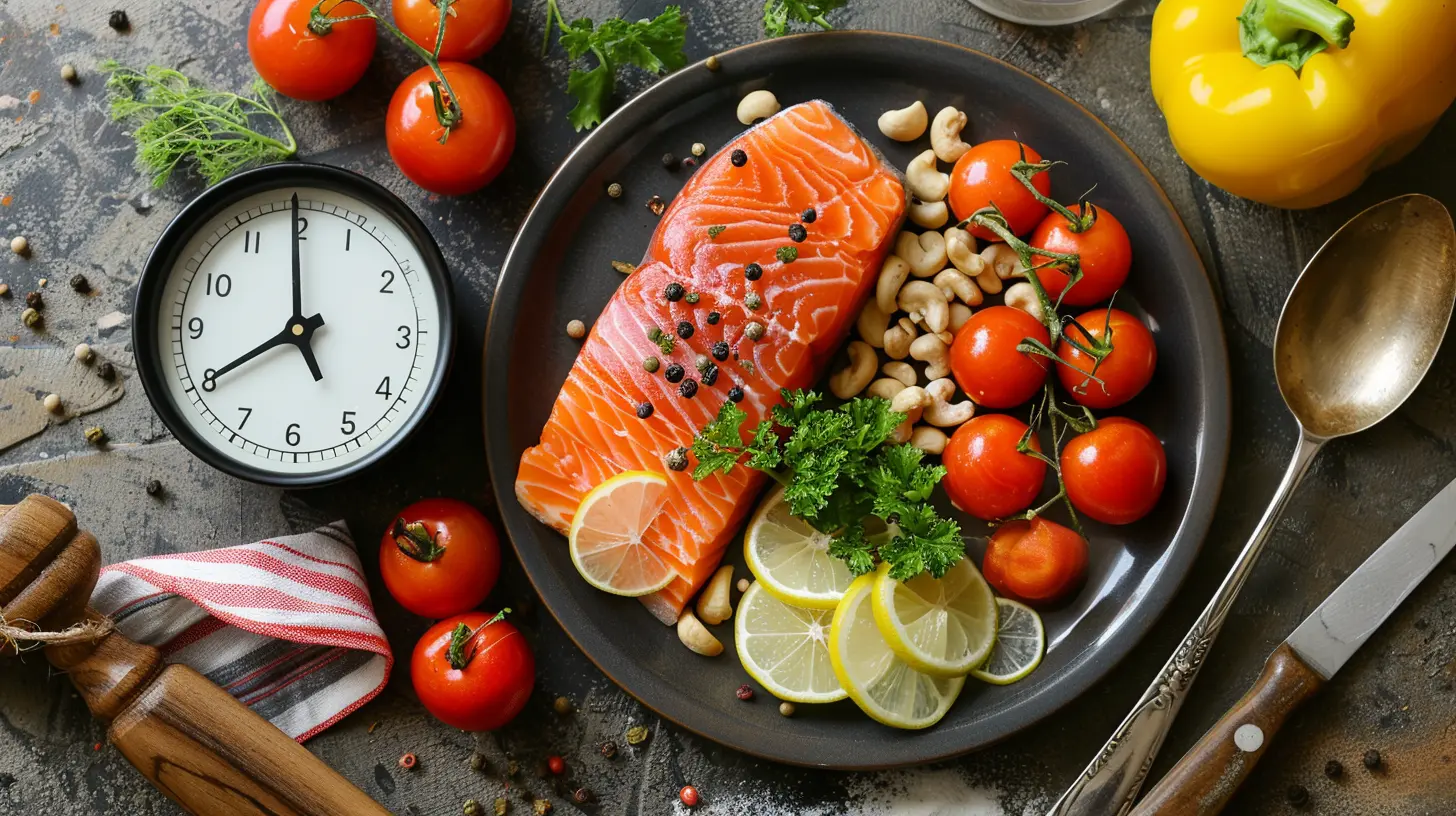
What Is the Keto Diet?
Before diving into how keto and intermittent fasting work together, let’s quickly go over what the keto diet actually is.The keto diet is a high-fat, low-carb diet that puts your body into a state of ketosis. Normally, your body uses carbohydrates (glucose) for energy. But when you drastically cut carbs, your body is forced to burn fat for fuel instead. This results in the production of molecules called ketones, which become your new primary energy source.
Main Principles of Keto
- High fat – Around 70-80% of daily calories come from healthy fats (avocados, nuts, olive oil, butter).- Moderate protein – Around 15-25% comes from protein (meat, fish, eggs, dairy).
- Very low carbs – Only 5-10% of total intake comes from carbs (mostly leafy greens and non-starchy vegetables).
By keeping your carb intake super low, your body stays in ketosis, burning fat efficiently and reducing hunger. 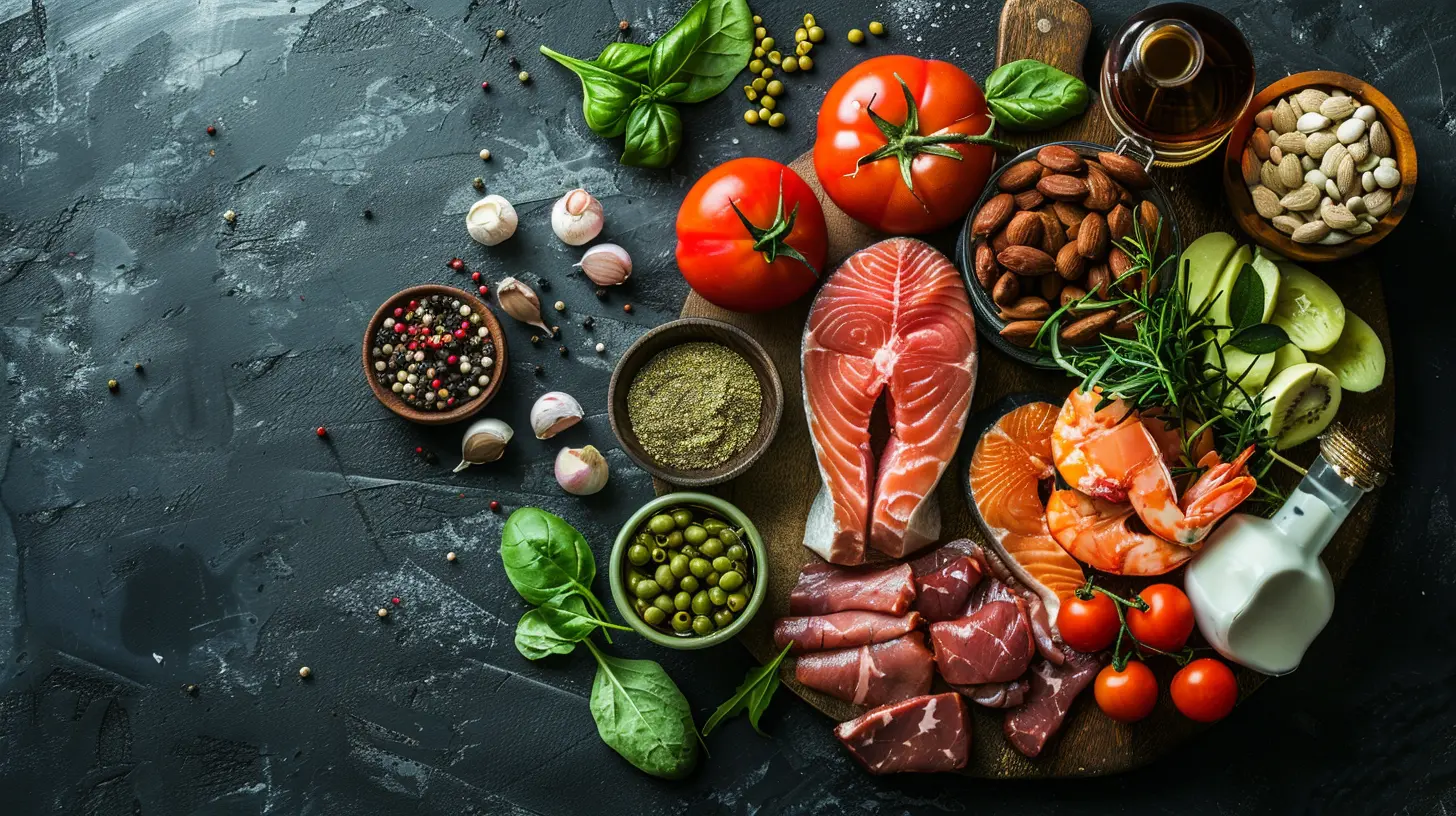
What Is Intermittent Fasting?
Intermittent fasting (IF) isn’t a diet—it’s an eating schedule. Instead of focusing on what you eat, IF focuses on when you eat.Fasting involves cycling between periods of eating and not eating. The most popular IF method is the 16/8 method, where you fast for 16 hours and eat within an 8-hour window. Other variations include 18/6, 20/4, or even OMAD (One Meal a Day).
How Intermittent Fasting Helps with Weight Loss
- Reduces insulin levels, making it easier to burn fat.- Increases growth hormone production, which helps preserve muscle and burn fat.
- Encourages cellular repair and autophagy, eliminating damaged cells and boosting health.
- Reduces overall calorie intake (since you’re naturally eating fewer meals).
Pretty straightforward, right? But here’s where things get really interesting—combining keto and intermittent fasting can amplify these benefits. 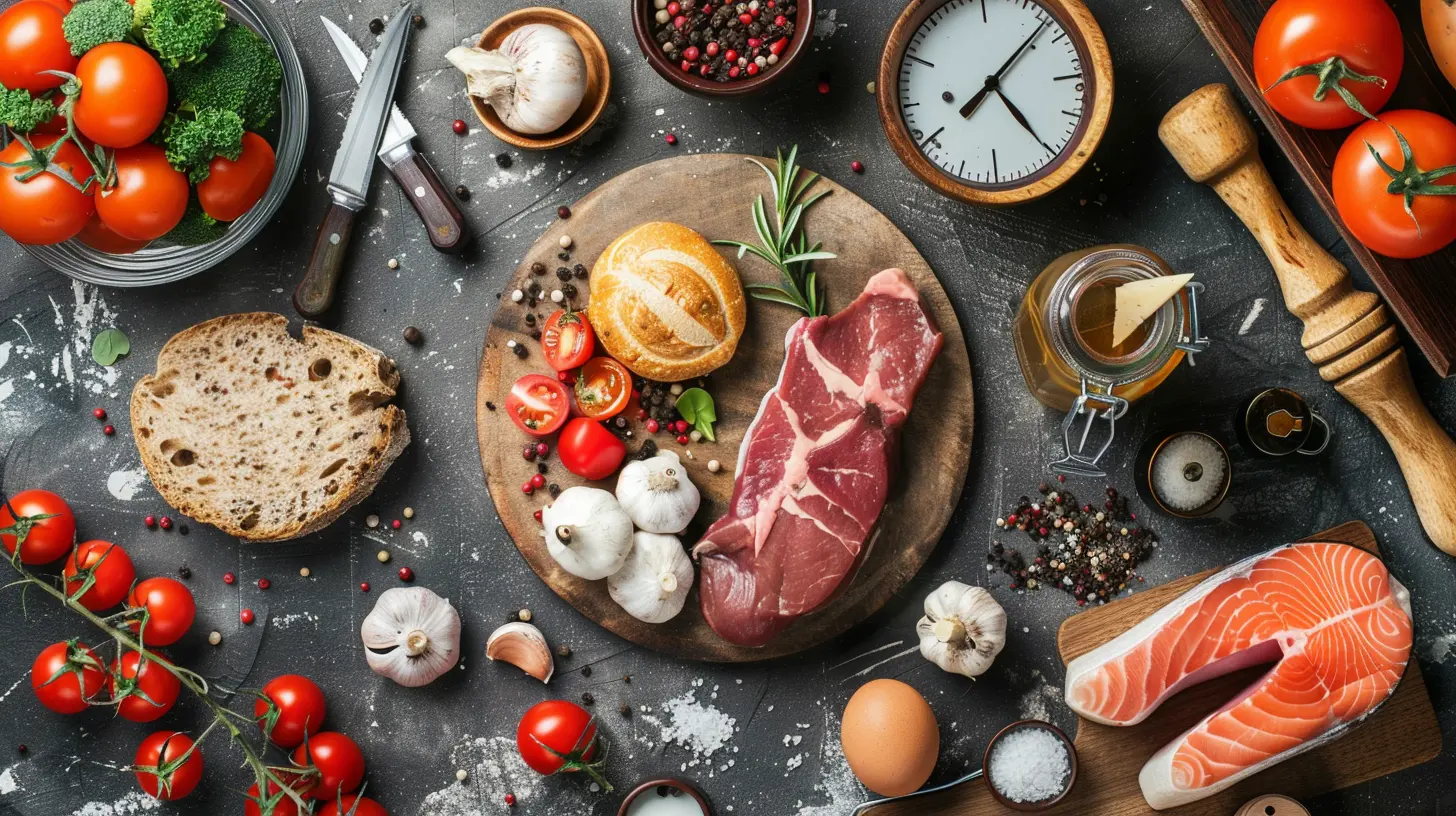
Why Keto and Intermittent Fasting Work So Well Together
Both the ketogenic diet and intermittent fasting play a major role in shifting your body into fat-burning mode. When combined, their effects complement each other in several ways:1. Faster Entry into Ketosis
When you follow a keto diet, you reduce your carb intake, forcing your body to switch to fat for fuel. Intermittent fasting speeds up this process because when you're not eating, your body burns through its glycogen stores faster, helping you get into ketosis more quickly.2. Increased Fat Burning
Since both methods lower insulin levels, your body becomes a fat-burning machine. With insulin levels low, fat cells release stored fatty acids to be used for energy. This enhanced fat metabolism is one of the key reasons why keto and intermittent fasting combined lead to rapid weight loss.3. Reduced Hunger and Fewer Cravings
One of the biggest struggles with dieting is constant hunger. But keto is known to keep you full longer because of its high-fat content. Plus, ketones have an appetite-suppressing effect.Add intermittent fasting into the mix, and you get a double whammy of hunger control—your body gets used to longer periods without food, making it easier to stick to your eating schedule without cravings.
4. Stabilized Energy and Mental Clarity
Ever feel that afternoon energy crash after a carb-heavy meal? That’s your blood sugar spiking and then crashing.Both keto and fasting help stabilize blood sugar levels, leading to:
✅ More consistent energy throughout the day
✅ Better focus and mental clarity
✅ Reduced brain fog
Ketones provide a steady, clean energy source for your brain, making you feel sharp and alert even when fasting.
5. Improved Metabolic Health
Combining keto with IF can significantly improve insulin sensitivity, reduce inflammation, and lower the risk of chronic diseases like diabetes, heart disease, and Alzheimer’s. It's not just about weight loss—it's about optimizing health overall.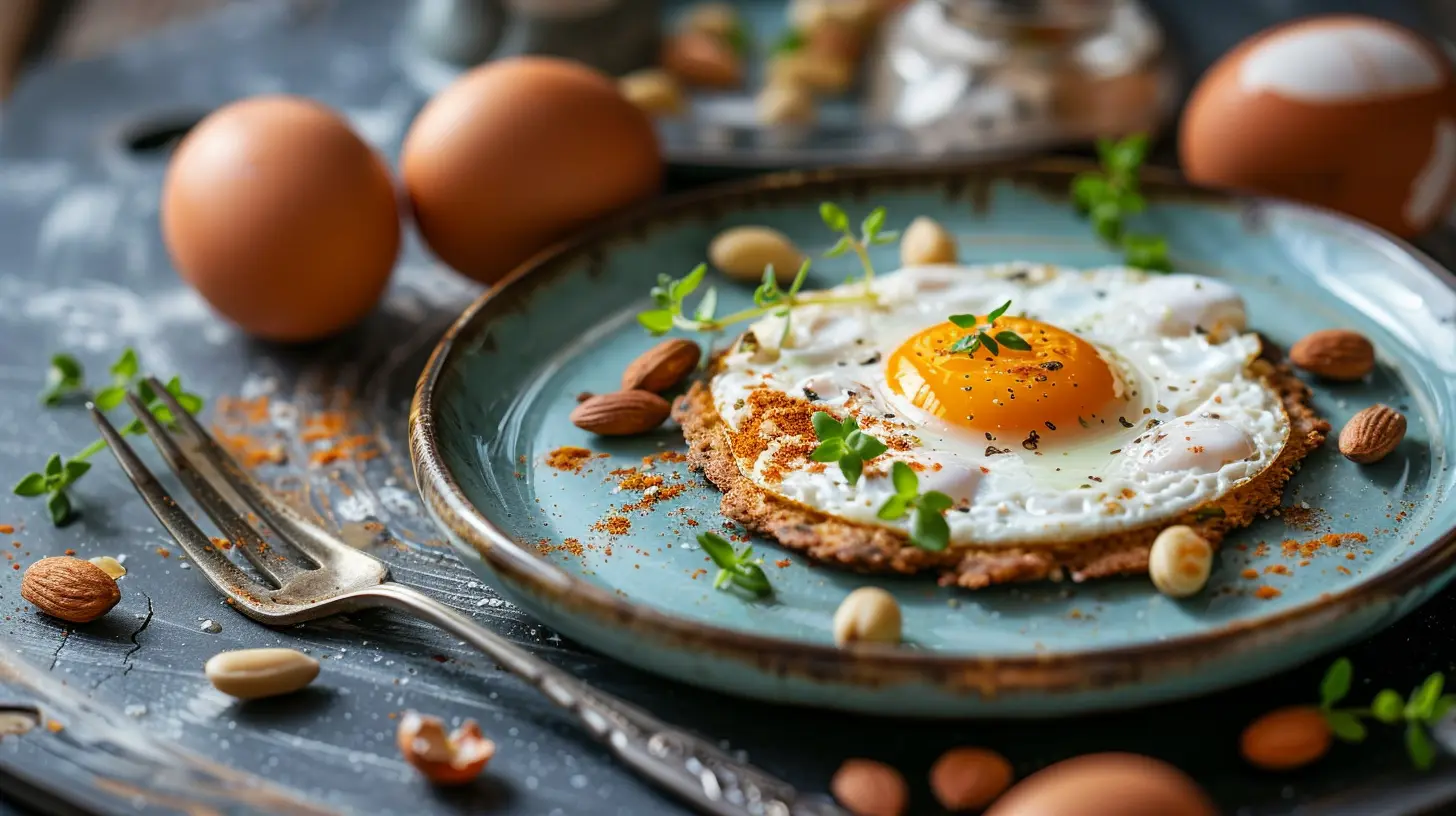
How to Get Started with Keto and Intermittent Fasting
If you're ready to give this powerful combination a shot, here’s how to make it work:Step 1: Begin with Keto First
Don’t jump into both at once. Start with keto and allow your body to adapt to burning fat for fuel. This usually takes a few days to a couple of weeks.Step 2: Introduce Intermittent Fasting
Once your body is comfortable in ketosis, start with a 12-hour fast, then gradually extend it to 16/8 or longer. Since keto helps curb hunger, fasting should feel much easier.Step 3: Focus on Nutrient-Dense Foods
Ensure you're eating whole, nutrient-dense foods during your eating window. Prioritize:- Healthy fats (avocado, olive oil, butter, nuts)
- High-quality protein (grass-fed beef, eggs, fatty fish, poultry)
- Low-carb vegetables (spinach, broccoli, zucchini, cauliflower)
Step 4: Stay Hydrated & Get Electrolytes
Both keto and fasting cause your body to flush out more water and electrolytes. Drink plenty of water and consider adding:- Sodium (Himalayan salt or sea salt)
- Potassium (avocados, leafy greens)
- Magnesium (nuts, seeds, dark chocolate)
Step 5: Listen to Your Body
Everyone’s body is different. If you feel fatigued, dizzy, or weak, you may need to adjust your macros, electrolytes, or fasting duration. It’s all about finding the right balance that works for you.Common Mistakes to Avoid
🚫 Jumping into fasting too fast – Give your body time to adapt to keto first.🚫 Not eating enough calories – Make sure you’re getting enough nutrients to fuel your day.
🚫 Overeating during eating windows – Just because you’re fasting doesn’t mean you should binge on junk food.
🚫 Ignoring hydration and electrolytes – Dehydration can lead to headaches, fatigue, and muscle cramps.
Final Thoughts: Is This Combo Right for You?
If you’re looking for a powerful weight-loss strategy that balances blood sugar, curbs cravings, and optimizes fat burning, then keto and intermittent fasting might be the perfect one-two punch for you.That said, it’s not a one-size-fits-all solution. Some people thrive on this combination, while others may need a different approach. Listen to your body, experiment, and find what works best for your lifestyle and goals.
Ready to give it a try? Start slow, stay consistent, and watch the results roll in!
all images in this post were generated using AI tools
Category:
Keto DietAuthor:

Eileen Wood
Discussion
rate this article
2 comments
Carrie Lamb
Oh sure, because starving yourself while munching on bacon is definitely the secret to eternal happiness! Who needs carbs or a full meal when you can just count down the hours until you can feast on those delightful fat bombs? Weight loss has never sounded so fun! 🍳🥓
March 10, 2026 at 4:05 PM
Eileen Wood
I get where you're coming from! It's definitely not about starving but finding a balance that works for you. Keto and fasting can be effective for some, but it's all about personal choices. Enjoy what makes you happy!
Amelia Good
Effective for some, but not sustainable for everyone.
February 11, 2026 at 3:58 AM
Eileen Wood
Thank you for your insight! It's true that individual results may vary, and sustainability is key for long-term success.