How Traditional Chinese Medicine Can Help Relieve Anxiety
31 May 2026
Anxiety can feel like a never-ending rollercoaster—one moment you’re fine, and the next, your heart is racing, your mind is spinning, and stress takes over. If you’ve been struggling with anxiety and looking for a more natural, holistic approach to find relief, Traditional Chinese Medicine (TCM) might be the answer you’ve been searching for.
TCM has been around for thousands of years and is rooted in the idea that balance within the body and mind plays a key role in overall health. So, how exactly can TCM help with anxiety? Let’s dive in.
Understanding Anxiety Through Traditional Chinese Medicine
In Western medicine, anxiety is often linked to brain chemistry, hormonal imbalances, or life stressors. Treatment commonly involves therapy, medication, or lifestyle changes. But TCM views anxiety from a different perspective—one that focuses on restoring harmony within your body.According to TCM, anxiety is often caused by imbalances in the body's energy, or Qi (pronounced "chee"). When Qi is blocked or not flowing properly, it can lead to emotional distress. Anxiety is particularly tied to the Heart, Liver, and Kidney meridians, which regulate emotions, stress, and overall well-being.
By addressing the root cause rather than just the symptoms, TCM aims to bring the body back into balance. This holistic approach incorporates acupuncture, herbal medicine, dietary changes, and lifestyle modifications to support emotional health.
How TCM Can Help Relieve Anxiety
1. Acupuncture: Releasing Emotional Blocks
Acupuncture is one of the most well-known TCM treatments, and it’s incredibly effective for anxiety relief. The process involves inserting thin needles into specific points on the body to stimulate energy flow and restore balance.Studies have shown that acupuncture can help regulate the nervous system, reduce cortisol levels (the stress hormone), and promote the release of endorphins (your body's natural feel-good chemicals).
Many people report feeling a deep sense of calm after an acupuncture session. If you’ve ever wished for an off-switch for your racing thoughts, acupuncture might be your new best friend.
2. Herbal Medicine: Nature’s Anxiety Remedies
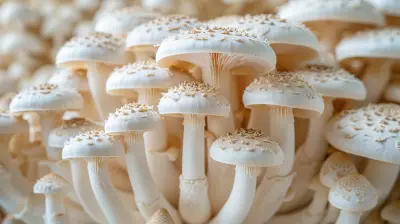
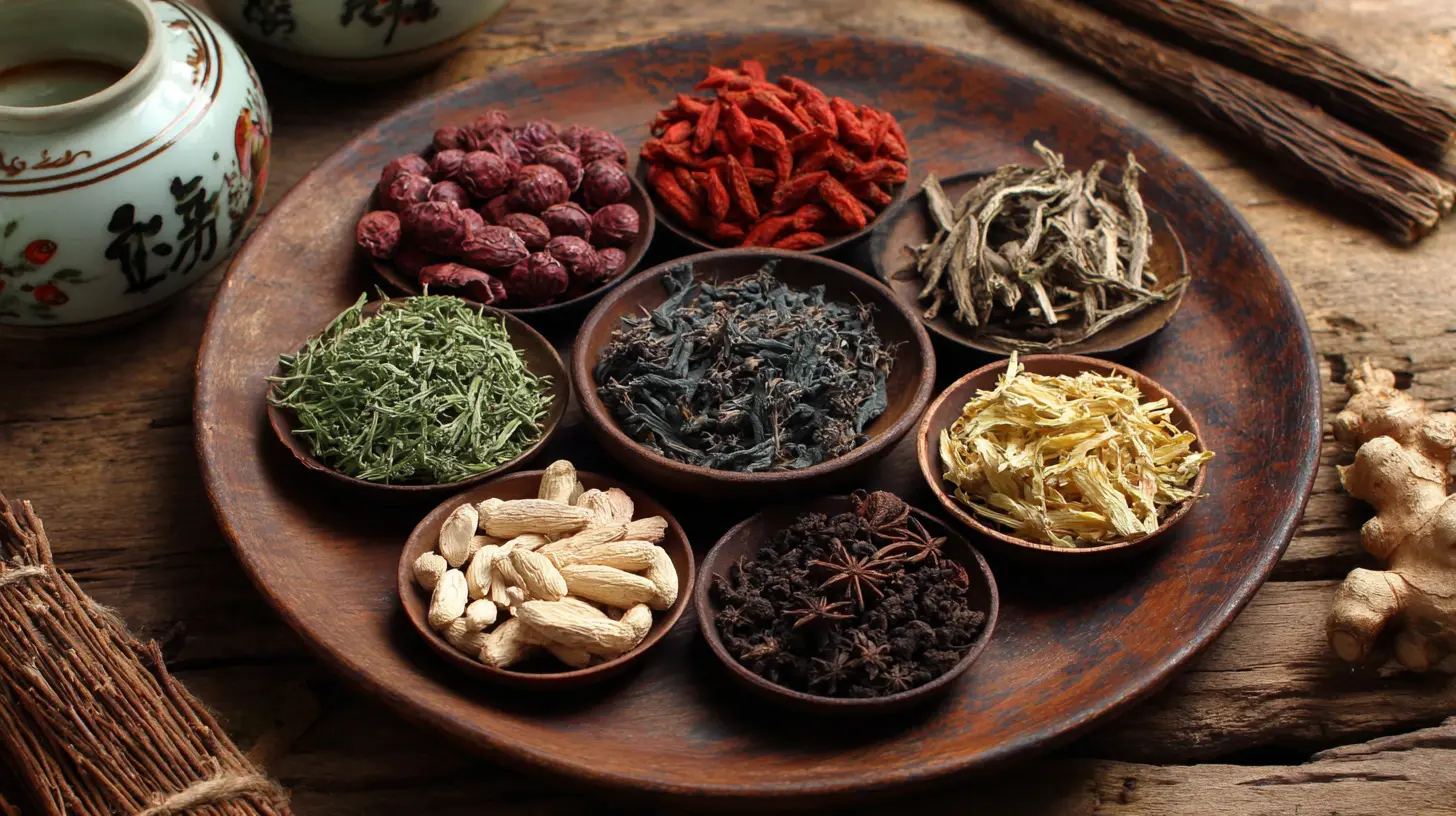
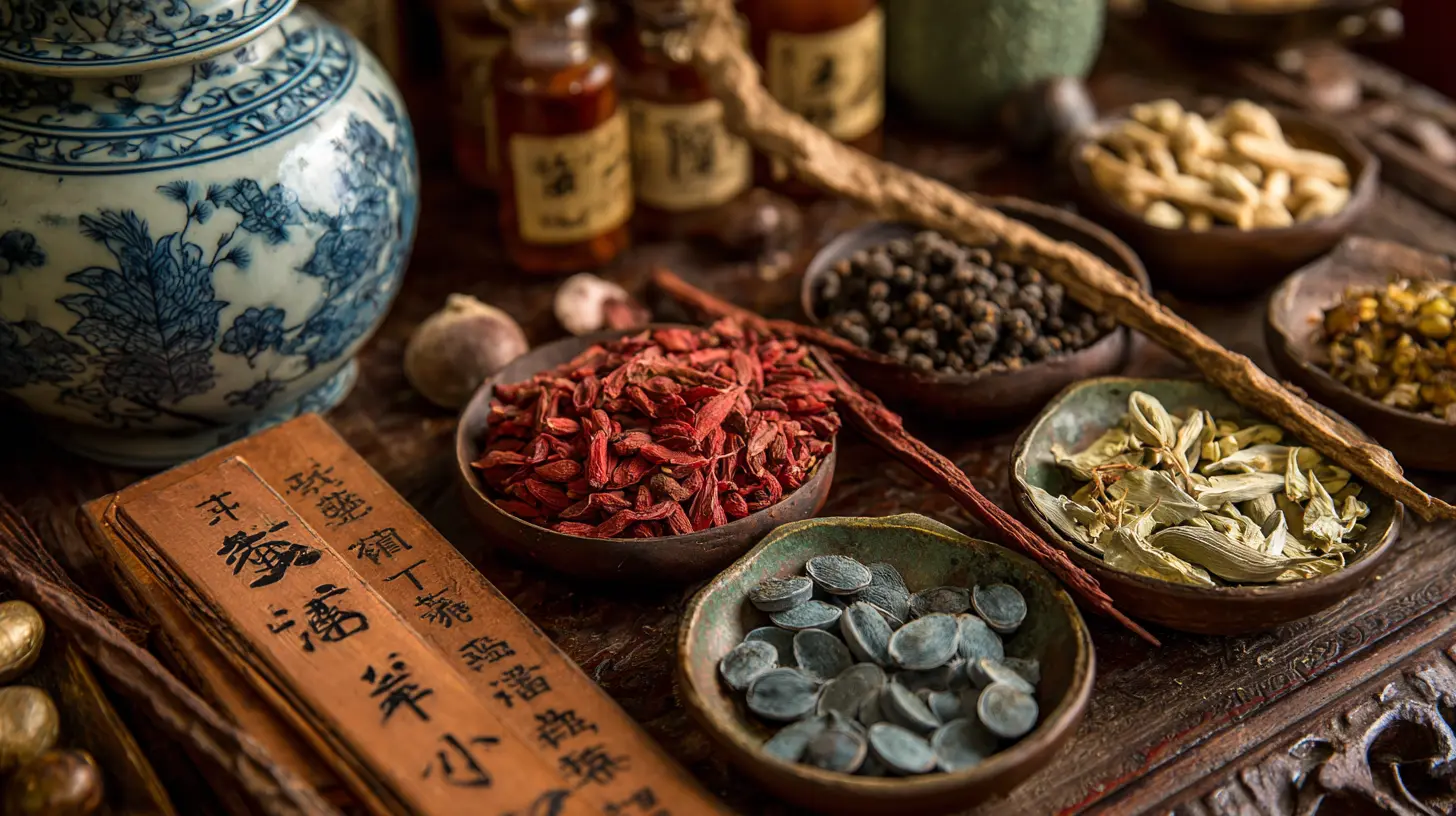
TCM relies heavily on herbal formulas that target imbalances in the body. Some of the most commonly used herbs for anxiety include:- Reishi Mushroom (Lingzhi) – Known as the "mushroom of immortality," Reishi helps calm the mind and supports restful sleep.
- Ginseng – Helps the body adapt to stress and enhances mental clarity.
- Passionflower – Reduces nervous tension and promotes relaxation.
- Licorice Root – Supports adrenal function and balances stress hormones.
Unlike pharmaceutical medications, TCM herbs work with your body rather than suppressing symptoms. A licensed practitioner will customize a herbal formula tailored to your specific needs.
3. Qi Gong and Tai Chi: Moving Meditation
If you find it difficult to sit still and meditate, Qi Gong and Tai Chi might be perfect alternatives. These gentle, flowing movements help relieve stress, improve circulation, and calm the nervous system.Practicing Qi Gong or Tai Chi regularly can:
- Lower stress hormones
- Improve focus and mindfulness
- Enhance sleep quality
- Release physical tension
Both practices work like a moving meditation, helping you feel grounded and centered.
4. Dietary Therapy: Food as Medicine
What you eat has a profound impact on your mental health, and TCM emphasizes eating for balance. In TCM, certain foods are considered calming and nourishing for the mind and body.If you struggle with anxiety, try incorporating more of these foods into your diet:
- Warm, cooked meals – Soups, stews, and porridges are easier on digestion and help keep the body balanced.
- Magnesium-rich foods – Leafy greens, nuts, and seeds help relax the nervous system.
- Omega-3 fatty acids – Found in fish, flaxseeds, and walnuts, these support brain health and emotional balance.
- Chamomile and lavender tea – Known for their soothing effects, these herbal teas promote relaxation.
On the flip side, TCM suggests reducing stimulants like caffeine, alcohol, and highly processed foods, which can contribute to anxiety and disrupt Qi flow.
5. Aromatherapy and Essential Oils
Essential oils play a role in TCM for soothing emotions and balancing energy. Scents have a direct link to the brain's limbic system, which controls emotions and stress responses.If you’re feeling anxious, try using:
- Lavender oil – Calms the nervous system and promotes relaxation.
- Sandalwood – Grounds emotions and enhances mental clarity.
- Bergamot – Uplifts the mood and relieves tension.
Diffusing these oils in your home or applying them to pressure points can create a peaceful environment.
6. TCM Lifestyle Tips for Managing Anxiety
Beyond treatments and herbs, adopting a TCM-inspired lifestyle can bring long-term benefits for your emotional well-being. Here are a few simple habits to implement:- Follow a consistent sleep schedule – Good sleep is essential for emotional balance.
- Practice deep breathing exercises – Helps calm the mind and regulate emotions.
- Spend time in nature – Fresh air and greenery naturally reduce stress.
- Avoid excessive screen time – Too much exposure to screens can overstimulate the nervous system.
- Stay hydrated – Good hydration supports overall energy flow in the body.
By making small daily adjustments, you’ll create a stronger foundation for managing anxiety naturally.
Finding the Right TCM Approach for You
TCM is not a one-size-fits-all approach. Because anxiety can manifest differently in each person, working with a qualified TCM practitioner is essential to getting the most out of your treatment.During a consultation, a practitioner will assess your specific symptoms, energy imbalances, and overall health before creating a personalized treatment plan that may include acupuncture, herbal formulas, and lifestyle recommendations.
Final Thoughts
Traditional Chinese Medicine offers a gentle, natural, and holistic way to relieve anxiety. By balancing your body’s energy, addressing the root cause, and incorporating TCM practices into your daily life, you can experience a greater sense of calm and emotional well-being.If you’ve been feeling overwhelmed by stress and anxiety, why not give TCM a try? Whether it’s acupuncture, herbal remedies, Qi Gong, or dietary changes, small steps can make a big difference in finding balance and peace.
all images in this post were generated using AI tools
Category:
Holistic HealingAuthor:

Eileen Wood
Discussion
rate this article
1 comments
Ronan Spencer
Traditional Chinese Medicine offers a holistic approach to anxiety, recognizing the mind-body connection. By balancing energy and addressing underlying imbalances, it provides a path toward deeper emotional well-being and resilience.
July 2, 2026 at 3:42 PM
Eileen Wood
Thanks for sharing your insights! The mind-body connection is indeed central to Traditional Chinese Medicine, and its holistic approach can be a valuable tool for managing anxiety.