How Sleep Affects Men's Hormones and Energy Levels
25 May 2026
Let me guess: that late-night scrolling or those back-to-back Netflix episodes seem harmless, right? After all, one more episode won’t hurt. But what if I told you that your sleep patterns—or lack of them—might be messing big time with your hormones and energy levels?
Most of us guys shrug off sleep like it's a luxury. We power through work, workouts, and responsibilities, often on fumes. But here's the real talk: sleep isn’t just a time-out from daily hustle. It's when your body does the heavy lifting—resetting hormones, repairing muscles, and charging your energy batteries for the next day.
In this deep dive, we’ll chat about how sleep (or skimping on it) affects key hormones and ultimately drains your energy. Trust me, this article is worth staying awake for—just not too late!

Why Sleep Matters More Than You Think
Sleep isn't just about feeling rested. Imagine your body as a smartphone. Throughout the day, you're using apps (energy), receiving updates (information), and losing charge. Sleep is basically your nightly plug-in. No sleep? No charge. Worse yet, things start glitching.When you don’t get enough good-quality sleep, the hormonal control center in your brain—your hypothalamus—can't do its job well. And when that goes haywire, it sends ripple effects across everything from testosterone production to stress response.
Let’s break down exactly what’s happening under the hood while you snooze—or don’t.
1. The Sleep-Testosterone Connection
Here’s the deal: testosterone isn’t just about libido or muscle mass. It’s your powerhouse hormone. It affects mood, energy, motivation, even brain function.? Less Sleep = Less Testosterone
Studies show that even a week of sleep restriction (think 5–6 hours a night) can drop testosterone levels by as much as 10–15%. That’s a big deal.Sleep is when your body secretes most of its testosterone. The largest surge happens during REM sleep—the deep, dream-heavy kind. Miss out on that, and you're literally sleeping through your "man fuel."
Ever wake up feeling groggy and out of it? Odds are, you lost that hormonal boost your body was supposed to give you overnight.
? The Testosterone Sweet Spot
Most men need around 7 to 9 hours of sleep for optimal testosterone production, with REM cycles kicking in every 90 minutes. The longer you sleep (and stay on a regular schedule), the more complete cycles you run through—and the better your testosterone levels.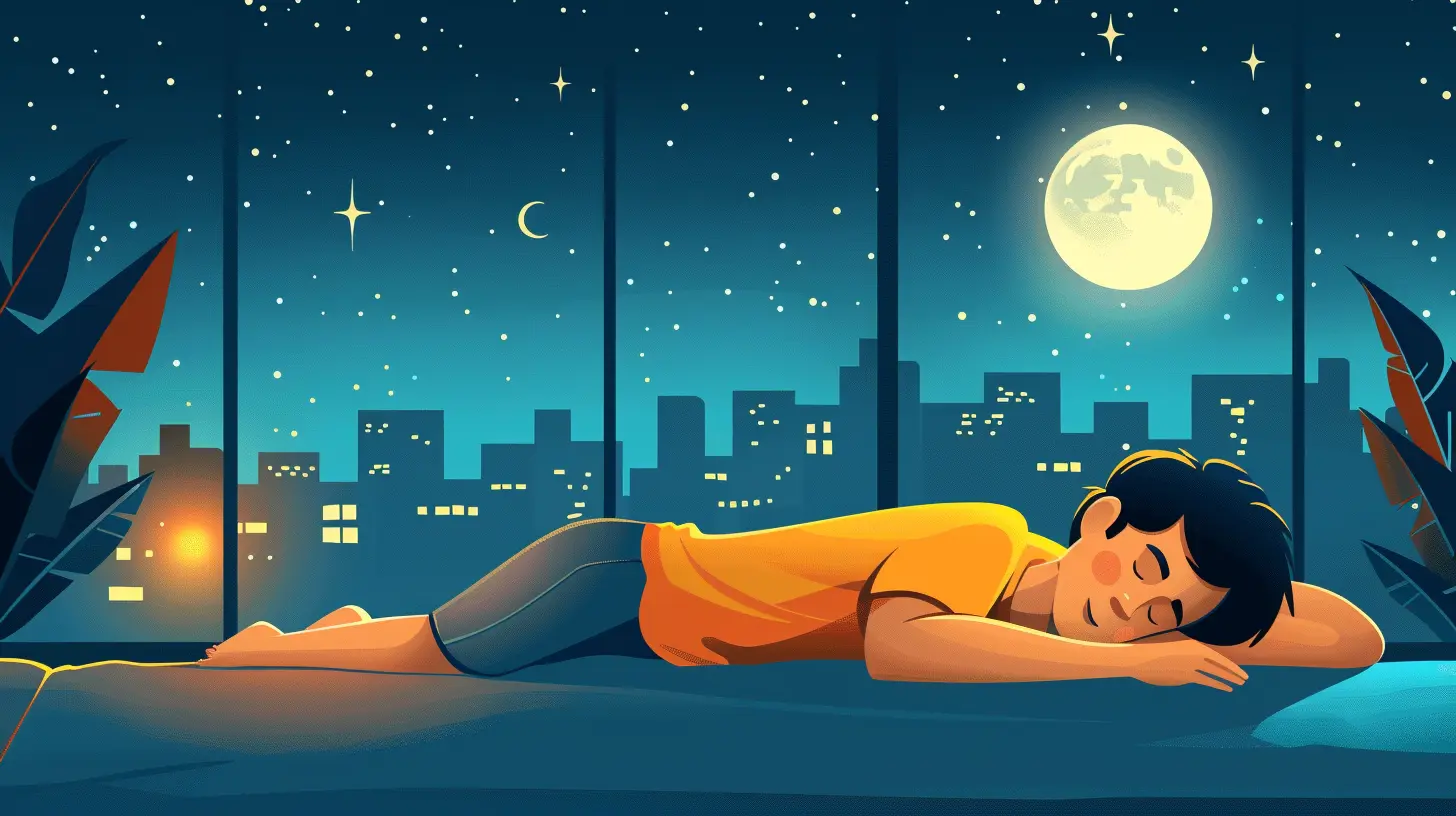
2. Cortisol: The Silent Energy Killer
Cortisol gets a bad rap, but it’s not all evil. It’s your stress-response hormone—great for short-term “fight or flight” moments.⚠️ Chronic Sleep Deprivation = Chronic Cortisol Bombs
If you’re skimping on sleep, your cortisol doesn’t reset properly. High cortisol levels over time? That’s a recipe for:- Weight gain (especially belly fat)
- Constant fatigue
- Decreased muscle recovery
- Mood swings
- Poor immune function
Let’s face it—constantly being "on edge" drains your battery faster than running 20 apps on your phone.
?? Stress + Sleep Debt = Hormonal Chaos
Think you’re being productive by burning the midnight oil? Think again. High cortisol blocks testosterone production. It’s a hormonal tug-of-war—and guess what? You’re losing both battles.
3. Growth Hormone: Your Body’s Construction Crew
Growth hormone (GH) is like your body’s repairman—it helps rebuild tissue, grow muscle, burn fat, and recover from injury or workouts.? GH Peaks During Deep Sleep
Deep sleep, or slow-wave sleep, is the magic window when GH release goes full throttle. If you’re getting fragmented sleep or not enough hours, GH secretion plummets.This means:
- Slower muscle recovery
- Less muscle growth
- Weaker metabolic function
- More fat retention
If you’ve been crushing workouts but not seeing gains, your sleep might be the missing puzzle piece.
4. Insulin Sensitivity and Sleep: The Weight Gain Link
Not sleeping enough doesn’t just make you tired—it confuses your metabolism.? Sleep Debt = Sugar Confusion
Reduced sleep affects insulin sensitivity. In simple terms? Your body struggles to process sugar properly.You start craving more carbs and sugar (hello late-night snacking), your blood sugar spikes, and fat storage increases—especially around the midsection.
This vicious cycle leads to:
- Lower energy throughout the day
- Increased risk of Type 2 diabetes
- Hormonal imbalance (cue testosterone and cortisol again)
Yeah, that’s a lot for one or two missed hours of sleep a night.
5. Leptin and Ghrelin: The Hunger Hormones
Let’s talk about these two little devils.- Leptin tells your brain you're full
- Ghrelin tells your brain you're hungry
When you don’t sleep enough:
- Ghrelin goes up (hello cravings)
- Leptin goes down (goodbye self-control)
This imbalance can make you think you’re hungry all the time, even when you’re not. Over time, this leads to overeating, weight gain, and—you guessed it—more hormonal imbalance.
6. Energy Levels: More Than Just "Feeling Tired"
Now let’s tie it all together.? Sleep = Stable Energy
When your hormones (testosterone, cortisol, GH, insulin, and appetite hormones) are balanced, your energy levels are stable throughout the day. You wake up feeling refreshed. You don’t crash mid-afternoon. Workouts feel easier. Focus is better. Life just flows.? Poor Sleep = Energy Chaos
But when sleep takes a back seat? It’s like trying to drive with a flat tire. Sure, you might make it through the day, but it’s going to be bumpy—and you’ll wear yourself out doing it.Simple Sleep Hacks to Reclaim Your Hormones and Energy
Okay, so we’ve scared you straight. Now what? Don’t worry—we wouldn’t leave you hanging.Here are some straightforward strategies to get your sleep (and hormones) back on track:
1. Set a Consistent Sleep Schedule
Go to bed and wake up at the same time—even on weekends. This reinforces your body’s internal clock, which helps regulate hormone secretion like clockwork.2. Keep Electronics Out of Bed
Blue light from phones and laptops reduces melatonin (your sleep hormone). Try disconnecting at least an hour before bedtime.3. Make Your Bedroom a Sleep Sanctuary
Cool, dark, quiet, and comfortable. That’s the dream setup. Blackout curtains, earplugs, or a white noise machine can make a massive difference.4. Cut Off Caffeine Early
Try to avoid caffeine after 2 PM. It can linger in your body and disrupt deep sleep even if you fall asleep just fine.5. Exercise—but Not Too Late
Working out is great for hormones, but intense workouts right before bed can spike cortisol. Aim to finish at least 2–3 hours before bedtime.6. Try Magnesium or Natural Sleep Aids
Magnesium glycinate or a warm chamomile tea before bed may help relax your body and prep you for sleep.Final Thoughts: Choose Sleep, Choose Strength
Let’s be real—we all want to feel stronger, energetic, and more in control. But that starts with making sleep a priority, not an afterthought.Think of sleep as the silent strength behind every goal you set—whether it's losing fat, building muscle, managing stress, or just feeling human during back-to-back Zoom calls. When your sleep game is strong, your hormone game will follow. And when your hormones are in balance, your energy skyrockets.
So tonight, skip the scroll, close the laptop, and hit the hay. Your body—and hormones—will thank you.
all images in this post were generated using AI tools
Category:
Mens HealthAuthor:

Eileen Wood
Discussion
rate this article
1 comments
Elara Hall
This article highlights the critical link between sleep and male hormone regulation. Quality sleep is essential for maintaining testosterone levels and overall energy. Poor sleep can lead to hormonal imbalances, affecting mood, muscle mass, and metabolic health. Prioritize your rest for better well-being.
June 7, 2026 at 4:28 AM
Eileen Wood
Thanks for your insights! Prioritizing sleep really can transform health and vitality.